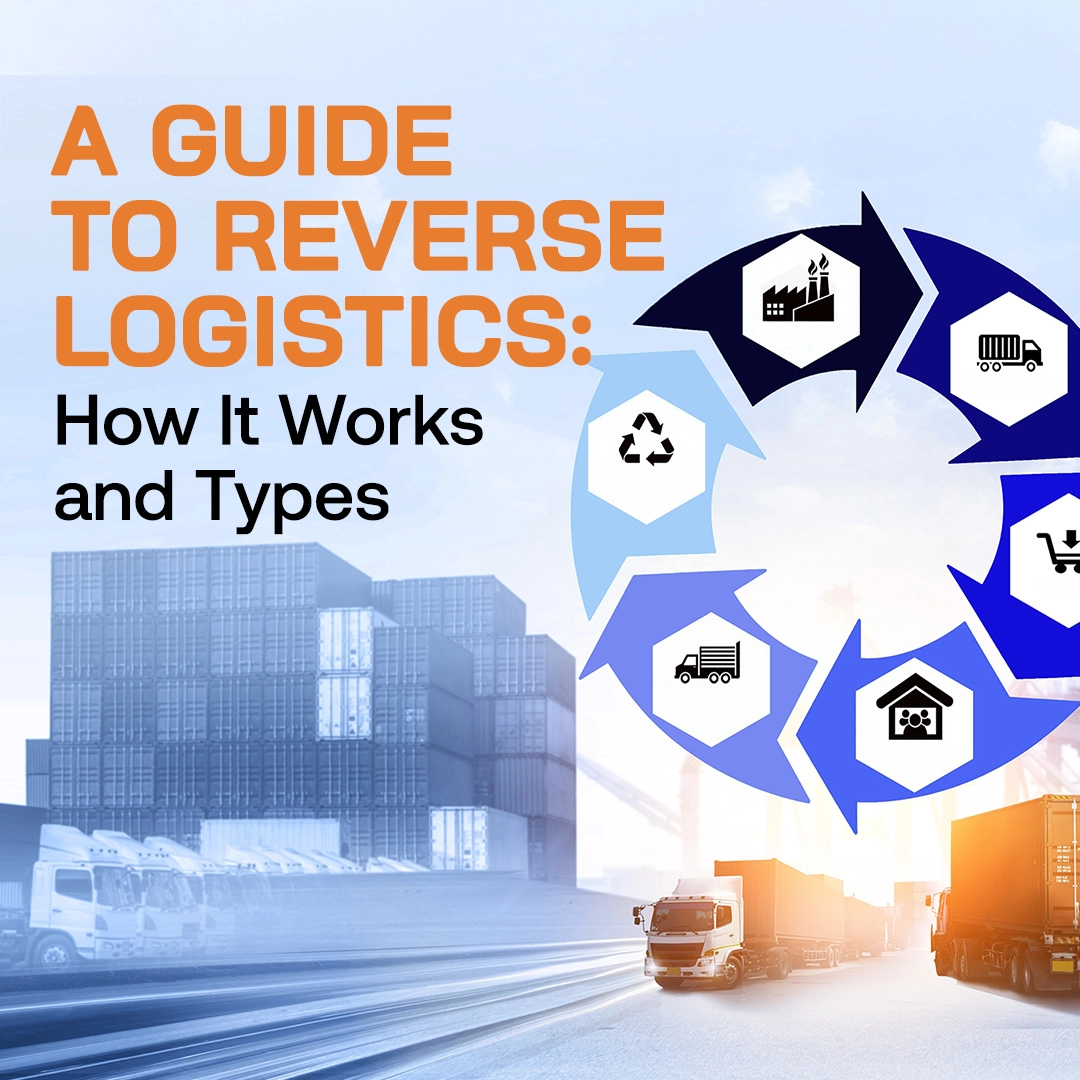
In today’s highly competitive and customer driven global market, managing the flow of products does not end when a sale is completed. Returns, repairs, recycling, and disposal have become an essential part of modern business operations. This is where reverse logistics plays a critical role. Companies that understand and optimize this process can reduce costs, improve sustainability, and strengthen customer satisfaction.
What is Reverse Logistics?
At its
core, meaning of reverse logistics refers to all activities
related to moving goods from their final destination back to the seller,
manufacturer, or a designated facility for the purpose of return, repair,
remanufacturing, recycling, or disposal. Unlike traditional logistics, which
focuses on the forward movement of goods from supplier to customer, this system
manages the backward flow.
The
increasing importance of e commerce, sustainability regulations, and customer
centric policies has made logistics and reverse logistics equally
important in modern supply chains. Companies are no longer evaluated only by
how efficiently they deliver products, but also by how effectively they manage
returns and post-sale processes.
Why Do Companies Use Reverse Logistics?
There are
several reasons why businesses invest in reverse logistics systems:
First,
customer expectations have changed significantly. Easy return policies are
often a deciding factor for consumers when choosing a brand. A smooth return
experience builds trust and loyalty.
Second,
financial recovery is a major motivation. Returned or defective products still
hold value. Through refurbishment, resale, or recycling, companies can recover
a portion of their initial investment.
Third,
environmental responsibility has become a key driver. Many businesses use
reverse flows to reduce waste, comply with environmental regulations, and
support circular economy models.
Finally,
data gathered from returns provides valuable insights. Understanding why
products are returned helps improve quality, packaging, and overall product
design.
Comparison of Reverse Logistics and Traditional Logistics
Traditional
logistics focuses on efficiency, speed, and cost control in moving products
from manufacturers to customers. The flow is predictable, demand driven, and
usually standardized.
In
contrast, reverse logistics is far more complex. The volume,
condition, and timing of returned goods are often uncertain. Products may
require inspection, sorting, and different handling processes. While
traditional logistics aims to minimize variability, reverse flows must adapt to
it.
Despite
these differences, both systems must work together. Integrating logistics
and reverse logistics allows businesses to create a more resilient and
responsive supply chain.
What Are the Types of Reverse Logistics?
There are
several types of reverse logistics, each serving a specific purpose within
the supply chain:
§ Product returns are the most
common type. These occur when customers return items due to defects, incorrect
orders, or dissatisfaction.
§ Repair and refurbishment
involve fixing returned products so they can be resold or reused. This is
common in electronics, machinery, and industrial equipment.
§ Recycling focuses on
recovering raw materials from used products. This type supports sustainability
goals and reduces dependency on virgin resources.
§ Remanufacturing goes a step
further by restoring products to a like new condition, often with upgraded
components.
§ End of life disposal ensures
that products that cannot be reused or recycled are disposed of safely and in
compliance with regulations.
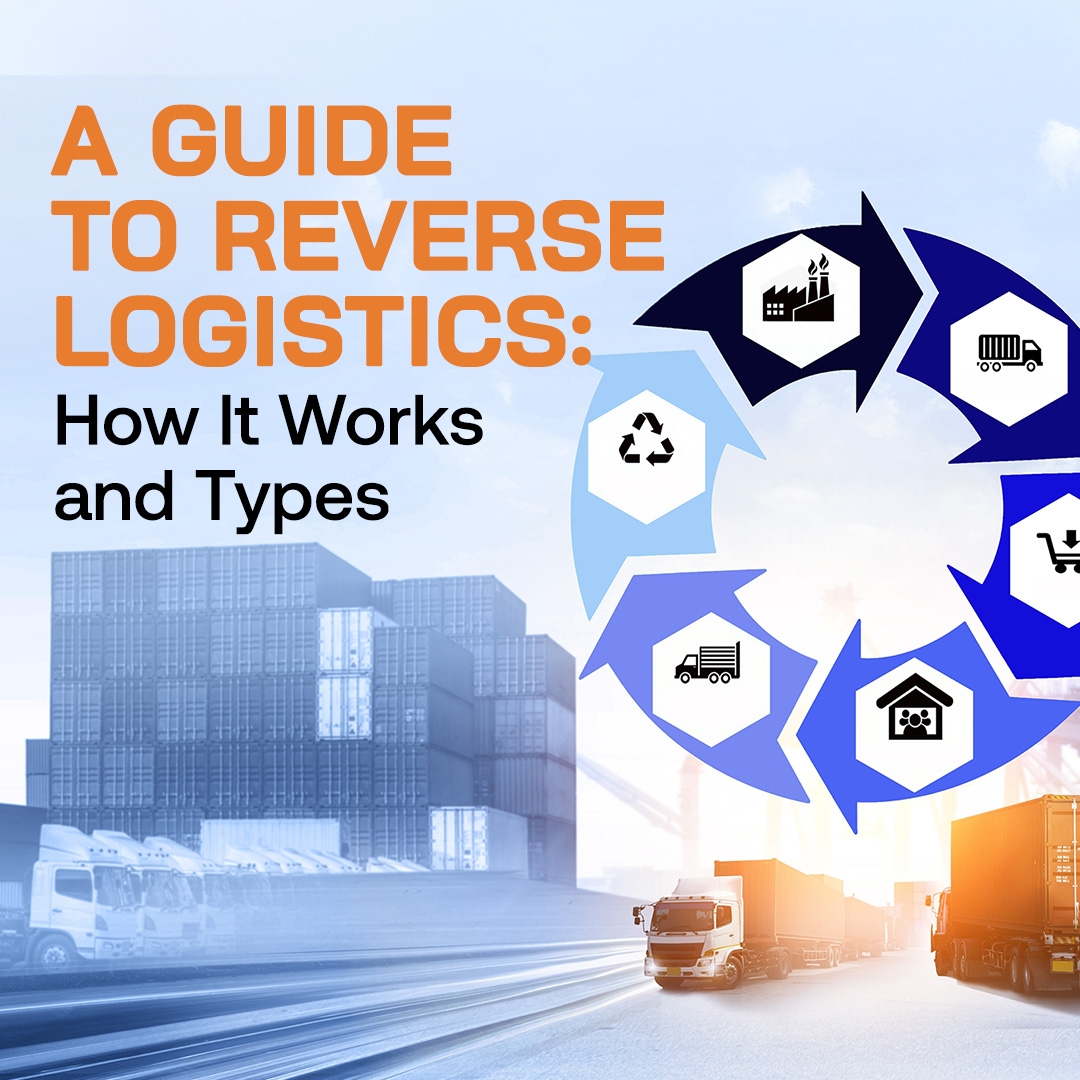
How Does the Reverse Logistics Process Work?
The process
of reverse logistics typically follows several key steps, although the
exact structure may vary by industry:
The process
begins with return initiation. Customers or business partners request a return,
often through digital platforms or customer service channels.
Next comes
collection and transportation. Returned goods are picked up or shipped back to
a designated facility.
Inspection
and sorting are critical stages. Products are assessed for condition,
functionality, and resale potential. Based on this evaluation, items are
categorized for repair, resale, recycling, or disposal.
Processing
and recovery follow. Products may be refurbished, repaired, or disassembled for
parts and materials.
The final
step is reintegration or disposal. Recovered products reenter the market, while
unusable items are disposed of responsibly.
When
managed effectively, this structured approach transforms returns from a cost
center into a value generating activity.
Why is Reverse Logistics Important for Your Business?
The
importance of reverse logistics goes far beyond handling returns. It
directly impacts profitability, brand reputation, and operational efficiency.
From a
financial perspective, effective reverse systems reduce losses associated with
returned inventory. By recovering value through resale or recycling, companies
protect their margins.
From a
customer experience standpoint, hassle free returns increase satisfaction and
repeat purchases. In competitive markets, this can be a decisive advantage.
Operationally,
reverse flows provide insights into product performance and supply chain
weaknesses. These insights support continuous improvement and innovation.
For
companies engaged in global trade, reverse logistics for imports and reverse
logistics for exports are especially critical. Cross border returns
involve customs procedures, documentation, and compliance requirements that
must be carefully managed to avoid delays and additional costs.
What are the Benefits of Optimized Reverse Logistics?
Optimizing reverse
logistics delivers measurable benefits across multiple areas of the
business:
Cost
reduction is one of the most significant advantages. Streamlined return
processes lower transportation, handling, and storage expenses.
Improved
inventory management is another key benefit. Returned products that are quickly
processed and reintegrated reduce excess stock and free up warehouse space.
Sustainability
gains are increasingly important. Recycling and reuse initiatives reduce waste
and support corporate environmental goals.
Enhanced
customer loyalty results from transparent and efficient return policies.
Customers are more likely to choose brands that make post purchase processes
easy.
Finally,
optimized systems improve compliance and risk management, particularly in
international operations involving reverse logistics for
imports and reverse logistics for exports.
What are the Challenges of Reverse Logistics?
Despite its
benefits, reverse logistics presents several challenges that
businesses must address.
Unpredictability
is one of the biggest issues. Unlike outbound shipments, returns are difficult
to forecast in terms of volume and timing.
Quality
variability is another challenge. Returned items may arrive in different
conditions, requiring flexible inspection and processing capabilities.
High
operational costs can arise if processes are inefficient or poorly integrated.
Transportation, labor, and storage costs can quickly add up.
Regulatory
complexity is particularly relevant for international trade. Managing customs
rules, taxes, and documentation for reverse logistics for imports and
exports requires specialized knowledge.
Finally,
lack of visibility can hinder performance. Without accurate data and tracking
systems, companies struggle to measure efficiency and identify improvement
opportunities.
How Does Reverse Logistics Impact Supply Chain Management?
The impact
of reverse logistics on supply chain management is significant. It
adds an additional layer of complexity but also creates opportunities for
greater resilience.
Integrated
reverse flows improve end to end visibility. When companies track both outbound
and inbound movements, they gain a more complete understanding of their supply
chain.
Reverse
processes also influence supplier relationships. Feedback from returns can
drive improvements in sourcing, packaging, and quality control.
From a
strategic perspective, incorporating reverse flows into supply chain planning
supports circular economy models. Products and materials are kept in use
longer, reducing waste and dependence on new resources.
Effective
coordination between forward and reverse operations ensures that logistics
and reverse logistics function as a unified system rather than isolated
activities.
Strategies for Optimizing Reverse Logistics
To fully
realize the value of reverse logistics, businesses should adopt targeted
optimization strategies.
First,
clear return policies are essential. Transparent guidelines reduce confusion
and streamline return initiation.
Second,
digital tools and automation improve efficiency. Tracking systems, data
analytics, and automated sorting enhance visibility and decision making.
Third,
collaboration with specialized partners can be beneficial. Many reverse
logistics companies offer expertise, infrastructure, and technology
that reduce operational burdens.
Fourth,
standardizing processes across regions and product categories simplifies
management and improves consistency.
Finally,
continuous analysis of return data helps identify root causes and prevent
future returns. This proactive approach transforms reverse flows into a source
of strategic insight.
TradeAtlas: A Strong Perspective on Global Trade
TradeAtlas is
a comprehensive trade intelligence platform developed to help companies analyze
the global trade ecosystem in a clearer and more data driven way. With its
user-friendly interface and advanced analytical capabilities, TradeAtlas
enables companies of different sizes to better understand their position in
international markets. As a result, businesses can take more informed steps in
the global competitive landscape and develop sustainable long term growth
strategies.
To gain a broader understanding of how
product flows are managed across global networks, you can explore our blog on Supply
Chain.
For deeper insight into the regulations and frameworks shaping international
commerce, you may also review our blog on foreign trade policy.