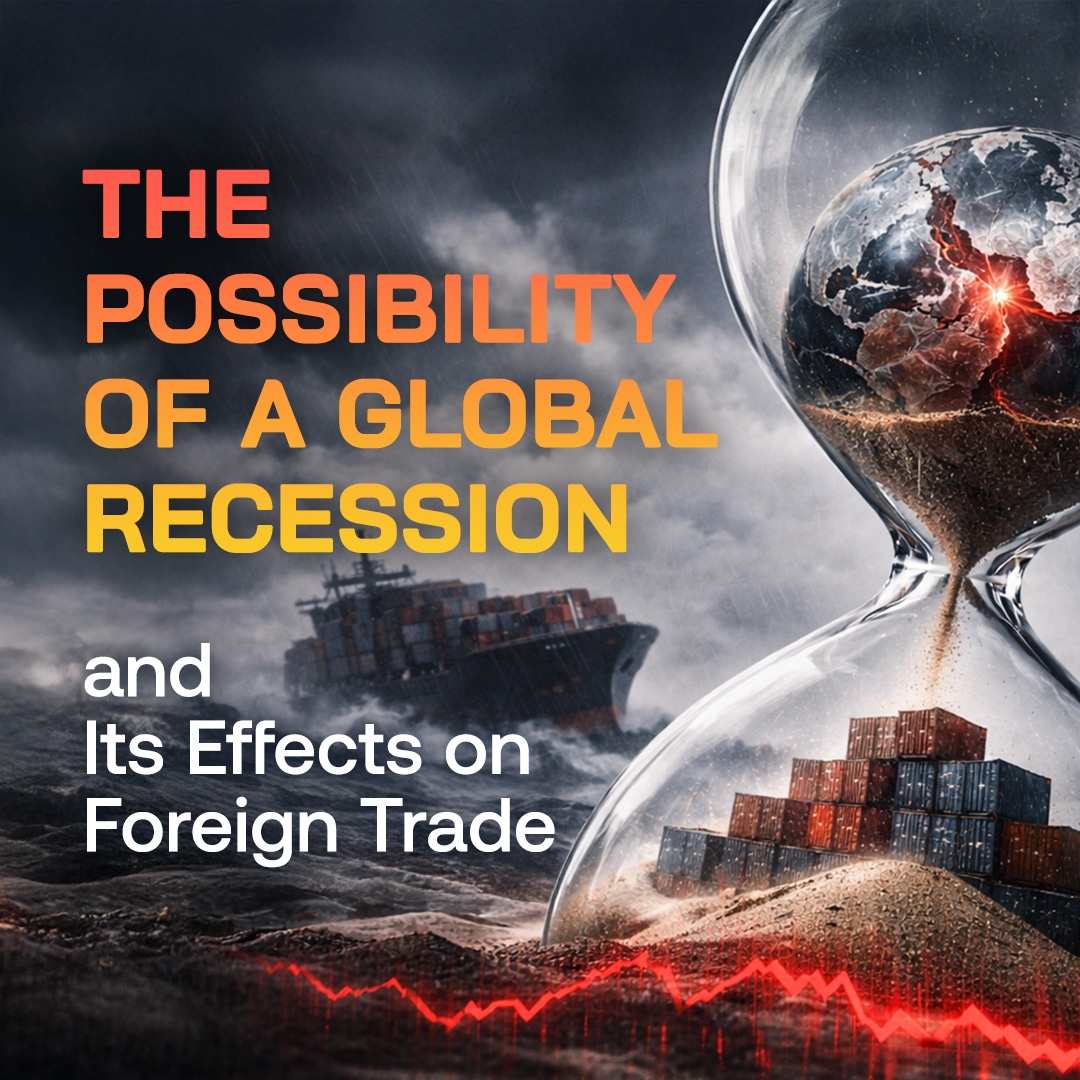
The global economy is once again facing a familiar question: Are we heading toward another major downturn? From rising interest rates to fragile supply chains and geopolitical uncertainty, the signals are mixed, but the concern is real. For importers, exporters and trade-focused companies, even the possibility of a recession is enough to reshape decisions. Understanding how recessions work, how they spread globally and how they affect foreign trade is critical for staying resilient in an increasingly volatile world economy.
In this article, we explore the global
recession risk and explain how it could impact international trade flows,
investment and long-term globalization trends.
1. What Is a Recession?
A recession is typically defined as a
sustained period of economic decline characterized by falling GDP, weakening
industrial production, rising unemployment and reduced consumer spending. While
the exact definition varies by country, the most common indicator is two
consecutive quarters of negative economic growth.
However, a recession is more than a statistical
event. It is a broad economic environment where households become cautious,
businesses cut costs and governments often shift priorities toward
stabilization. In international trade, recessions tend to reduce demand for
imported goods, weaken export opportunities and cause disruptions in logistics,
credit availability and currency stability.
For companies engaged in global trade, the most
important point is that recessions reduce the speed of economic activity. When
the world slows down, trade slows down too.
1.1. How Recessions Differ from Economic Slowdowns and Depressions
Not every weak economic period is a recession.
An economic slowdown usually refers to a decline in growth without a full
contraction. For example, GDP might still be increasing, but at a lower rate
than expected. Slowdowns can feel painful, especially in trade, but they are
not always labeled recessions.
A depression is far more severe. Depressions
involve long-lasting economic collapse, widespread business failures and
extremely high unemployment. They are rare in modern economies due to central
bank tools and government intervention.
The distinction matters because markets respond
differently. During slowdowns, trade may weaken but remain stable. During
recessions, global demand can collapse sharply. And during depressions, trade
often breaks down entirely.
The memory of the Great Recession of
2008–2009 remains one of the strongest examples of how deeply global trade can
be affected when a crisis spreads across financial systems.
2. Is the Global Economy at Risk of a Recession?
The risk of a global recession depends on
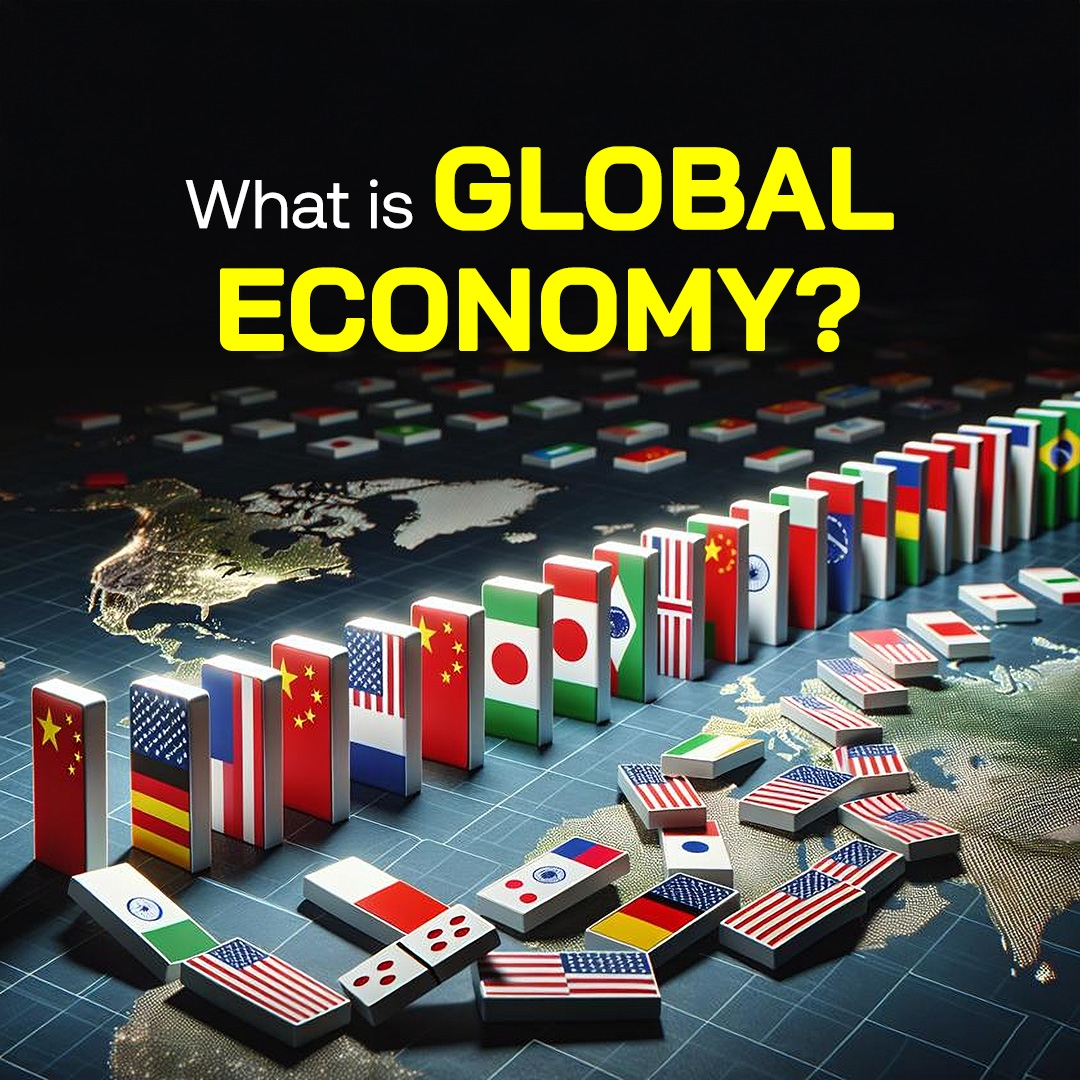
several interconnected factors. In today’s world, no major economy exists in
isolation. When the United States, European Union, China and other large
economies slow down, trade partners feel the shock quickly.
Several drivers are currently increasing
recession concerns:
- High interest rates in many advanced
economies
- Persistent inflation pressures in food and
energy
- Geopolitical tensions affecting energy and
shipping routes
- Weak consumer confidence and reduced
household purchasing power
- Slowing industrial production and
manufacturing output
One of the biggest indicators comes from the
U.S. economy. When analysts discuss recession America, they are usually
pointing to consumer spending trends, labor market conditions and the Federal
Reserve’s monetary policy. Since the United States remains one of the world’s
largest import markets, any slowdown there immediately impacts exporters worldwide.
At the same time, Canada and Europe face their
own vulnerabilities. Discussions around a Canada recession have
increased in recent years due to housing market pressures, high household debt
and the spillover effects of U.S. demand fluctuations.
The global risk is not only about one economy
falling into recession, it is also about synchronized slowdowns. When multiple
major economies weaken at once, global trade becomes one of the first sectors
to contract.
3. How a Global Recession Affects Foreign Trade
Foreign trade is highly sensitive to economic
cycles. During expansions, global demand grows, supply chains increase capacity
and international logistics become more active. During recessions, the opposite
happens: demand drops, investment slows and uncertainty rises.
A global recession affects trade through
multiple channels, including demand, financing, currency shifts and
protectionist policies.
3.1. Decline in Global Demand and Export Volumes
The most direct trade impact is falling demand.
When consumers cut spending and businesses reduce production, fewer goods are
purchased domestically, and fewer goods are imported.
Exporters often feel the shock quickly because
their customers abroad become cautious. Orders decline, contracts get delayed
and inventories build up. In sectors like machinery, electronics, furniture,
automotive and industrial components, demand can fall sharply.
During recessions, many companies also shift
from growth strategies to cost-saving strategies. That means:
- Fewer new suppliers
- Fewer product launches
- Reduced purchasing volume
- Shorter contract commitments
This is why the phrase we are in a recession
often triggers immediate changes in global purchasing behavior, even before
official economic data confirms it.
3.2. Contraction in Investment and Cross-Border Capital Flows
Trade does not operate alone; it depends on
investment. Cross-border capital flows fund manufacturing expansion, logistics
infrastructure, trade finance and new market entry.
In a global recession, investment contracts
because:
- Banks become more risk-averse
- Credit conditions tighten
- Foreign direct investment declines
- Companies delay expansion projects
Trade finance becomes more expensive or harder
to access. Letters of credit, export insurance and working capital lines can
become restricted. For exporters and importers, this often creates a double
challenge: falling demand and reduced ability to finance trade.
In previous crises, especially during the Great
Recession, global investment collapsed dramatically, which accelerated the
decline in global trade volumes.
4. Sectoral and Regional Impacts on Trade
Not all industries and regions are affected
equally during recessions. Some sectors are highly cyclical, while others are
more resilient.
Most affected sectors typically include:
- Automotive and industrial machinery
- Construction-related materials
- Consumer electronics
- Luxury goods and fashion
- Freight and shipping services
More resilient sectors often include:
- Food and agricultural products
- Pharmaceuticals and healthcare
- Basic household goods
- Essential raw materials
Regional impacts depend on trade structure.
Export-driven economies such as Germany, South Korea and some Southeast Asian
countries may experience sharper slowdowns due to their reliance on
manufacturing exports.
Meanwhile, commodity exporters can suffer when
prices fall. Oil, metals and agricultural commodities often decline in value
during recessions because global industrial activity slows down.
Countries highly dependent on the U.S. market
are especially exposed when the United States recession becomes a serious risk,
since U.S. import demand influences global export pipelines.
5. Trade Protectionism and Policy Responses During Recessions
During recessions, governments often respond
with more protective trade policies to defend domestic industries and jobs.
This can include higher tariffs, stricter import rules, subsidy programs for
local producers, and even export restrictions on strategic goods such as food
or energy.
While these measures may provide short-term
stability, they often increase costs and reduce market access for international
businesses. The Great Recession showed how quickly protectionism can rise
during a global recession, making trade conditions more uncertain for exporters
and importers.
6. Short-Term Shock or Structural Shift?
A key question for businesses is whether the
next recession would be a short-term shock or a deeper structural
transformation.
Some recessions are short and cyclical. Others
reshape the global system. The pandemic-era disruptions and the geopolitical
tensions of recent years suggest that even if a recession occurs, the recovery
might not restore the same trade patterns as before.
In other words, a recession today may
accelerate long-term changes that were already happening.
6.1. Recovery Scenarios for Global Trade
There are several possible recovery paths after
a recession:
1. V-shaped recovery: A sharp decline followed by rapid
growth. Trade volumes recover quickly and demand rebounds strongly.
2. U-shaped recovery: A slower recovery where trade
remains weak for an extended period before gradually improving.
3. L-shaped recovery: A prolonged stagnation where trade
does not return to previous levels for years.
Trade recovery depends heavily on consumer
confidence, investment conditions and whether supply chains remain stable. It
also depends on whether governments coordinate policies or pursue more
nationalist strategies.
6.2. Long-Term Implications for Globalization
Even if a recession is temporary, its long-term
effects on globalization can be structural. Many companies are already reducing
risk by reshaping their supply chains through nearshoring, friendshoring and
supplier diversification. Instead of relying on a single region or country,
businesses increasingly prefer flexible sourcing strategies, stronger inventory
planning and faster decision-making supported by trade analytics.
This suggests globalization is not
disappearing, but transforming into a more regional, compliance-heavy and
risk-managed system. In the long run, a global recession can accelerate this
shift by pushing companies to prioritize stability and resilience over pure
cost efficiency.
7. TradeAtlas Insight: How to Prepare for a Global Recession with Data-Driven Trade Strategy
During uncertain economic periods, businesses
need more than assumptions; they need verified market intelligence. A global
recession environment can shrink demand, disrupt pricing and increase
competition across export markets. This is exactly where TradeAtlas becomes a
strategic advantage.
With TradeAtlas’ import export database, importers and exporters can:
- Monitor demand shifts across countries and
sectors
- Identify which markets are still growing
despite downturns
- Track competitor activity using official
customs trade records
- Find new buyers and suppliers when
traditional channels weaken
- Evaluate risk by analyzing import-export
volumes and price trends
In times when headlines suggest we are in a
recession, companies that rely on real trade data make faster and smarter
decisions.
Whether the next downturn becomes a repeat of
the Great Recession or a more moderate slowdown, foreign trade will remain
competitive, and the winners will be those who adapt early.