Textile import is an integral part of global supply chains, connecting producers, suppliers, and retailers worldwide. Whether you are a small business owner starting in international trade or a well-established textile import company, understanding the key procedures, regulations, and opportunities is crucial for sustainable growth. From choosing the right product categories to maintaining the balance between quality and pricing, every decision taken in the early stages directly influences long-term competitiveness and profitability.
Steps to Import Textile Successfully
- Understand the Market & Import Requirements:
Begin by analyzing your target market—customer profiles, fashion trends,
demand, and competitive landscape. Simultaneously, identify
import-specific rules such as tariffs, HS (Harmonized System)
classifications, and any trade agreements applicable to textiles and
apparel.
- Research Tariffs and Trade Agreements: Investigate
the duties your items will attract and whether any free trade agreements
or preferential rates apply. This insight helps in pricing strategy and
forecasting costs.
- Forecast Quantities and Calculate Costs: Estimate
import volumes based on demand and your operational goals. Calculate total
landed cost—including product cost, shipping, duties, insurance, and
brokerage—to ensure pricing supports profitability.
- Source and Evaluate Suppliers: Identify
suppliers with proven quality, certifications, and production capacity.
Request samples and quotations to assess material standards and negotiate
terms that align with your profit and quality expectations.
- Negotiate and Finalize Contracts: Secure
clear, binding agreements covering price, payment terms, quality clauses,
delivery schedules, and dispute resolution mechanisms.
- Arrange Logistics & Shipping: Choose
reliable freight forwarders and decide on shipping modes (air, sea, land)
based on urgency, cost, and product type. Coordinate shipment logistics
and ensure proper documentation flows with the cargo.
- Prepare Customs Documentation: Complete
essential paperwork—commercial invoices, packing lists, bills of lading,
certificates of origin, and relevant customs forms—to ensure smooth entry
and clearance.
- Ensure Compliance & Quality Assurance: Conduct
pre-shipment inspections, verify label accuracy (fiber content, country of
origin, care instructions), and ensure compliance with safety standards
such as flammability or chemical restrictions.
By carefully following these
steps, businesses can make their clothing import business more
efficient, minimize risks, and build a solid foundation for sustainable growth.
What is Importance of Textile Industry?
The textile industry is one of
the most strategic sectors worldwide, contributing to employment, export
revenues, and continuous innovation. With applications ranging from fashion and
apparel to technical textiles, home furnishings, and medical products, it plays
a vital role in global trade. Leading textile importing countries such
as the USA, Germany, and India consider this sector an essential driver of
economic growth and international commerce.
Textile Import Data
Global textile import data covers
billions of dollars in annual trade and highlights key buyer trends, major
importing countries, and price fluctuations. By leveraging these insights,
businesses can identify high-demand markets, conduct competitive analysis, and
plan their import strategies more effectively.
Textile Export Data
Textile export figures are a key
indicator of the industry’s competitiveness and global trade flows. The data
highlights which countries dominate as major suppliers, the product categories
driving exports, and the top destination markets. By analyzing these patterns,
businesses can identify strong exporters, explore alternative sourcing options,
and capture strategic opportunities in international trade.
Textile Import Procedures and Documentation
Importing textiles requires the
preparation of several key documents to comply with international trade regulations
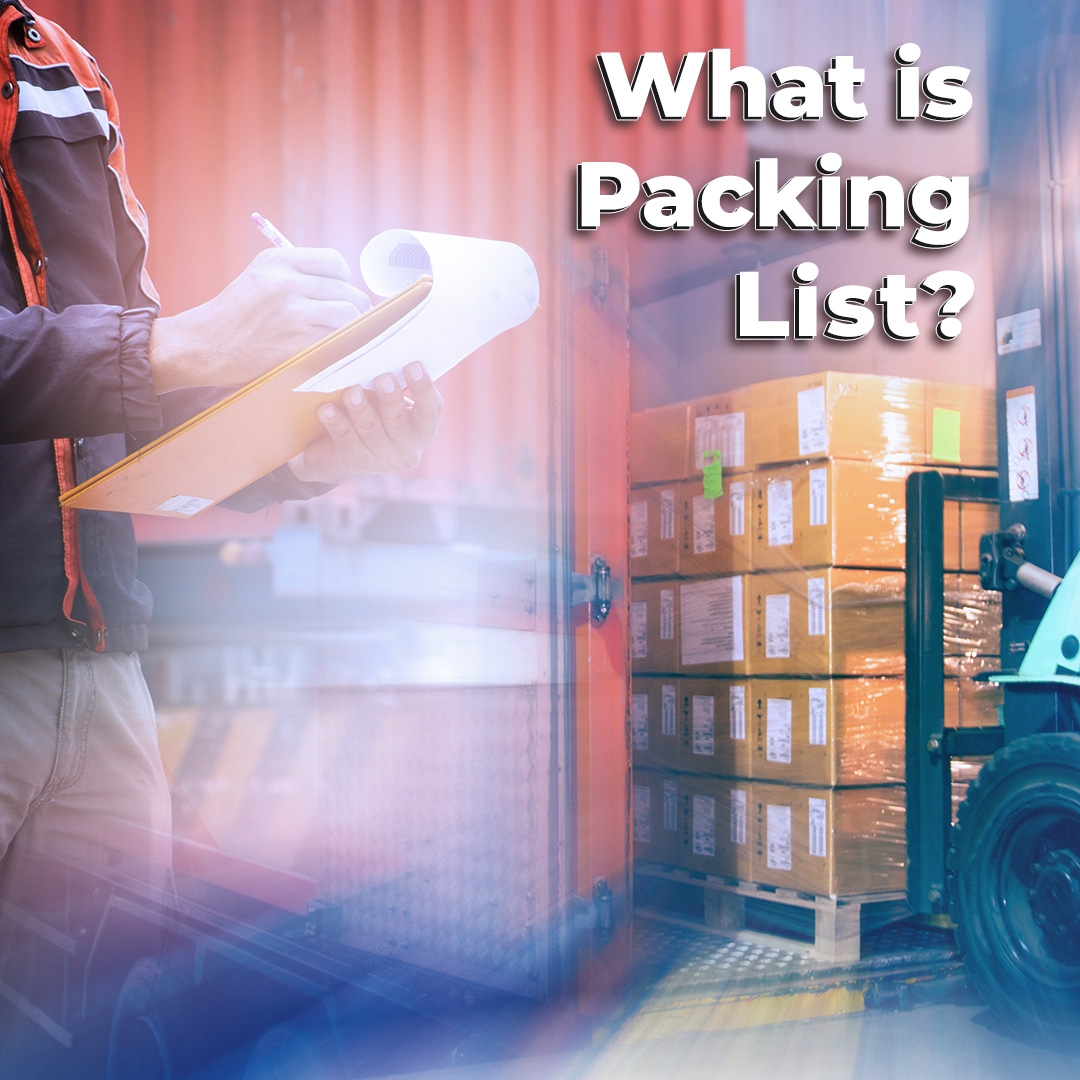
and ensure a smooth customs process. Among the most essential are the
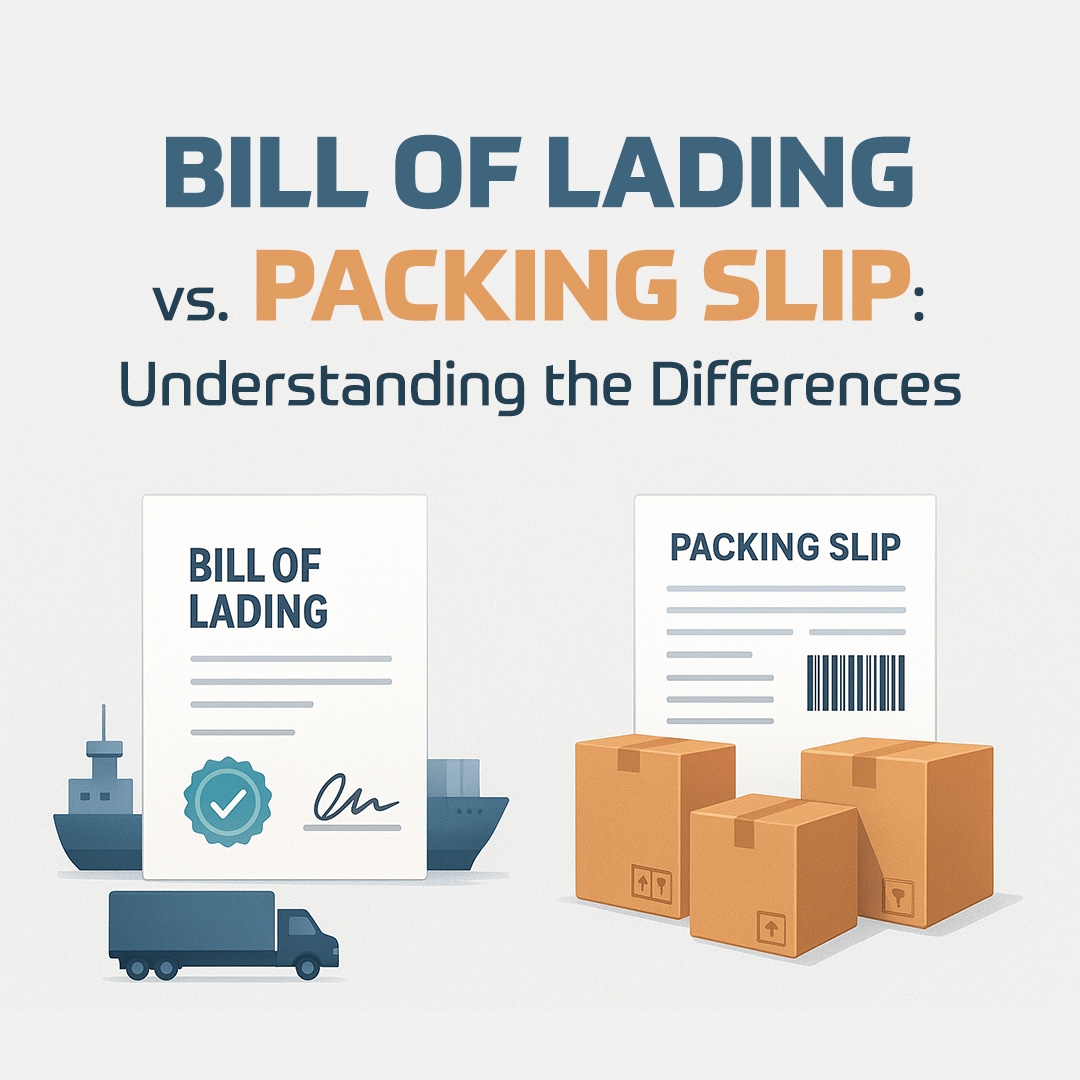
Commercial Invoice, which provides details of the transaction; the Bill of
Lading, serving as proof of shipment; and the Packing List, outlining the
contents of each consignment. In addition, a Certificate of Origin is often
necessary to verify the manufacturing country, while in certain cases, an
Import License may be required depending on national regulations. Having all
documentation complete and accurate not only speeds up customs clearance but
also helps reduce costly delays in the supply chain.
Key Importers for Textile Import
The main importers of textiles
differ by product group, but overall the United States and the European Union
lead global demand, especially in clothing and home textiles. China imports
large volumes of raw materials like cotton and wool, while Middle Eastern
markets such as the UAE and Saudi Arabia serve as fast-growing re-export hubs.
Countries like Bangladesh and Vietnam also stand out in raw cotton imports,
reflecting their strong garment industries.
China Textile Import
China is a global leader in
textile and apparel trade, dominating exports of fabrics and finished garments,
while also importing large volumes of raw materials such as cotton and wool to
sustain its production.
Textile Importers Australia
Australia’s textile importers
mainly focus on garments and home textiles, sourcing diverse products from
global markets to satisfy domestic consumer demand.
Textile Importers in Dubai
Textile importers in Dubai source
a wide range of fabrics and garments, leveraging the city’s role as a re-export
hub to distribute products across Middle Eastern and African markets.
Textile Import in India
India imports premium fabrics and
specialized textiles despite being a global textile powerhouse.
List of Textile Importers in USA
In the USA, textile importers
include a wide range of retailers, wholesalers, and distributors who source
fabrics, garments, and home textiles from global markets.
Textile Importers in Malaysia
Textile importers in Malaysia
primarily source garments and fabrics, meeting the needs of a growing consumer
market and an expanding fashion retail industry.
Textile Import from Bangladesh
Despite being a leading garment
exporter, Bangladesh depends heavily on importing cotton, yarn, and fabrics to
supply its apparel industry.
Textile Importers in Spain
Spain is a major importer of both
fashion-oriented clothing and technical textiles, sourcing products from
countries like China, Bangladesh, Türkiye, and India to meet the needs of its
strong retail and industrial sectors.
Textile Importers in UAE
Textile importers in the UAE
source fabrics, garments, and home textiles from global suppliers and leverage
the country’s strong trade networks to re-export these products to GCC and
African markets.
Textile Importers in Germany
Textile importers in Germany
include a wide range of companies supplying fabrics, garments, and technical
textiles to meet the needs of the country’s strong fashion and automotive
industries.
Textile Importers in Poland
Textile importers in Poland
consist of retailers, wholesalers, and distributors who source garments and
fabrics internationally to serve the country’s expanding retail market within
the EU.
Textile Importers in Saudi Arabia
Textile importers in Saudi Arabia
focus on sourcing luxury fabrics for traditional clothing as well as ready-made
garments, working with suppliers from countries such as China, Türkiye, and
India to serve the kingdom’s diverse fashion market.
Textile Importers in Sri Lanka
Textile importers in Sri Lanka
mainly consist of trading companies and manufacturers that bring in raw
materials such as fabrics and yarn to supply the country’s strong garment
industry.
Russian Textile Importers List
In Russia, leading textile
importers range from large trading groups supplying nationwide retail chains to
smaller companies specializing in fabrics and home textiles sourced from China,
Türkiye, and the EU.
Textile Import Business Opportunities
With the growth of global trade,
textile imports present wide-ranging business opportunities for entrepreneurs
and companies. Rising demand in fashion retail, home textiles, and technical
fabrics creates strong potential for firms aiming to enter new markets. In this
context, digital platforms and innovative textile import solutions make
it easier to connect with the right buyers and suppliers, helping businesses
reduce costs and strengthen their competitive position.
Find the Actual Textile Importers with TradeAtlas
For businesses aiming to succeed
in textile trade, one of the biggest challenges is identifying reliable textile
importers across different markets. TradeAtlas provides access to global
shipment records, verified importer and exporter lists, and detailed trade
insights that make this process easier. Companies can search by country,
product description, or textile
hs code to find new partners and uncover real business opportunities. With
TradeAtlas, textile importers and exporters gain the transparency needed to
strengthen their supply chains and expand into global markets with confidence.