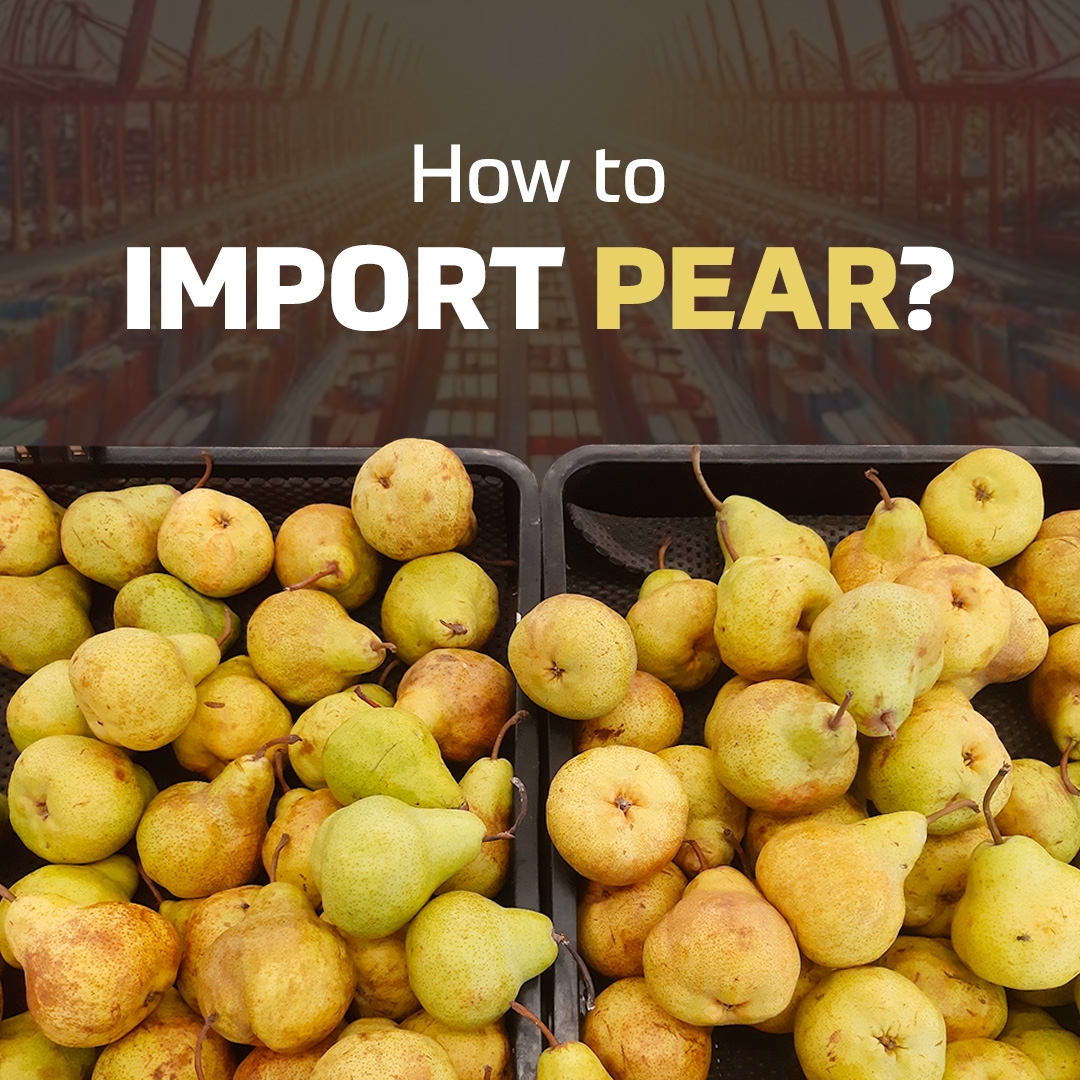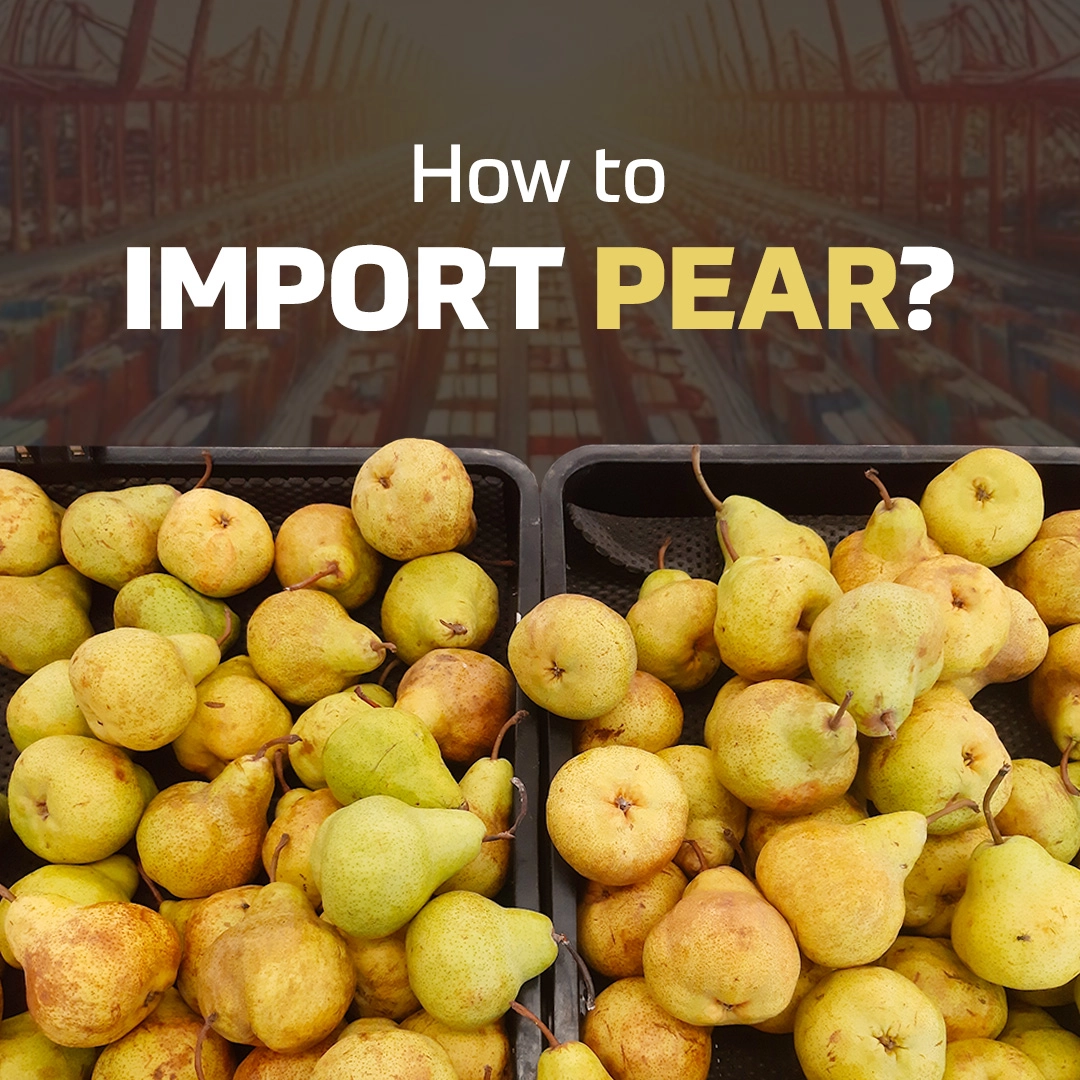
Importing pears is a profitable business opportunity for traders and distributors looking to supply fresh fruit to global markets. As consumer demand for healthy and fresh agricultural products grows, pears continue to maintain their position as one of the most widely traded fruits worldwide. This comprehensive guide explains every stage of the pear import process, global market trends, top importing countries and how businesses can benefit from accurate data sources like the HS Code directory when expanding into international markets.
1. Understanding the Global Pear Market
The global pear market has experienced steady
growth over the past decade, fueled by the rising demand for fresh fruits,
increasing awareness of healthy diets and the expansion of distribution
channels such as supermarkets, wholesale markets and online grocery platforms.
Consumers value pears for their rich nutritional content, versatility and long
shelf life, making them a popular choice for both domestic consumption and
export.
Pears are primarily produced in temperate
climates, with countries like China, Italy, Argentina, the United States and
Turkey leading global production. Seasonal variations, climate conditions and
yield quality significantly influence global supply. As a result, importers
often rely on multiple supplier countries to maintain stable supply chains
throughout the year.
Market trends reveal that Asian and Middle
Eastern markets are rapidly increasing their consumption of imported pears,
while Europe continues to remain a major hub for both production and trade.
Additionally, advancements in packaging, cold chain logistics and controlled
atmosphere storage have enhanced the fruit's export potential, allowing
suppliers to maintain freshness over long distances.
2. Global Pear Import and Export Statistics
The global trade volume of pears reflects
strong year-round demand. Pear exports have expanded significantly due to
improvements in agricultural practices, growing international trade agreements
and increasing demand in emerging markets. Import volumes have also surged as
countries look to meet seasonal gaps or consumer preferences for specific pear
varieties, such as Conference, Bartlett and Packham’s Triumph.
2.1. Pear Import Data
International pear imports show strong demand
from European and Asian markets. Key importers such as Germany, Russia, China,
Vietnam and the United Kingdom frequently purchase large quantities from top
exporters like Belgium, the Netherlands, South Africa and Argentina.
Countries with limited local production depend
heavily on imports, especially during off seasons. Import data also reflects
shifting consumption patterns, with rising demand for premium pears in markets
like the UAE, Saudi Arabia, South Korea and Singapore. Seasonal fluctuations
play a critical role; imports typically rise during winter months in the
Northern Hemisphere as supply from Southern Hemisphere producers increases.
2.2. Pear Export Data
China remains the world’s largest pear
exporter, producing millions of tons annually and supplying various markets
across Asia and Europe. Other major exporters include Argentina, South Africa,
Belgium and the Netherlands, which benefit from advanced logistics systems and
high-quality fruit varieties.
Export volumes depend heavily on climatic
conditions, harvest yields and trade regulations. For instance, South American
and European producers dominate global winter pear exports, while Asian
exporters fulfill much of the summer and autumn demand. Long-term trends
indicate a continual rise in pear exports as producers invest in modern orchard
management, post-harvest handling and quality certification systems.
3. Pear Importers by Country
Many countries worldwide are active importers
of fresh pears, each with unique market demands and regulations. The largest
importers include:
Germany: A leading global importer, largely due to high
consumer demand and limited seasonal domestic supply.
Russia: One of the largest consumers of imported
pears, sourcing mainly from Belarus, South Africa and Argentina.
China: Despite being a major producer, some varieties
are imported to satisfy premium consumer segments.
Vietnam and Indonesia: Fast-growing markets due to
increased fruit consumption.
United Kingdom: Relies on imports to meet year-long demand,
with Belgium and the Netherlands as primary suppliers.
United States: Imports pears to complement domestic
production, especially during seasonal gaps.
These countries rely on well-organized
logistics, cold chain systems and strict quality standards, which influence the
overall pear import process.
4. Pear Import Procedures and Costs
Importing pears involves several essential
procedures and cost considerations that ensure the fruit meets health, safety
and quality standards. The first step is identifying the correct HS code for
the product, typically found in the HS code directory, which specifies tariff
rates, product classification and regulatory requirements. Accurate
classification helps avoid delays and compliance issues during customs
clearance.
Once the supplier is selected, importers must
verify the country’s phytosanitary regulations. Pears are subject to health
inspections to prevent pests and diseases from entering the local market.
Importers must obtain phytosanitary certificates from the exporting country,
ensuring the fruit meets quarantine and treatment standards.
Shipping costs vary depending on the distance,
fruit variety and transportation method. Since pears are highly perishable,
most importers prefer temperature-controlled containers, which add to logistics
costs but ensure freshness upon arrival. Additional cost factors include
customs duties, VAT, insurance, inland transportation and warehouse handling
fees.
Importers must also adhere to packaging and
labeling requirements. Labels often need to include product origin, weight,
variety and date of packing. Quality checks upon arrival are critical to
confirm that pears meet contractual specifications, such as size, sugar
content, firmness and appearance.
5. Pear Import Business Opportunities
The expanding global demand for fresh and
high-quality fruits has created strong business opportunities in the pear
trade. Importers can benefit from rising consumer interest in fresh produce,
the growth of e-commerce grocery sales and the increasing demand for diverse
fruit varieties.
Emerging markets such as Southeast Asia, the
Middle East and parts of Africa offer profitable conditions for companies
looking to enter the pear import business. These regions often lack significant
domestic production, creating opportunities for year-round imports.
Distributors, supermarkets and wholesalers can
capitalize on seasonal price differences by sourcing pears from both Northern
and Southern Hemisphere producers. Additionally, premium pear varieties such as
Forelle, Abate Fetel and Asian pears are gaining popularity, offering higher
retail margins.
Business opportunities also lie in value-added
services, such as custom packaging, organic pear imports, private-label
branding and fresh-cut fruit processing. With the right logistics partners and
data-backed decision-making, pear importers can improve profitability and
reduce risks.
6. Key Importers and Buyers of Pear Worldwide
Across global markets, major buyers of pears
include importers, wholesalers, supermarket chains, foodservice companies and
fruit distributors. Large retail chains in Europe, such as Carrefour, Aldi,
Lidl, and Tesco, are among the top pear buyers, sourcing directly from
international suppliers or through import agencies.
In Asia, rapidly growing urban populations and
rising disposable incomes are driving increased demand for imported pears.
Companies in China, Vietnam, Malaysia and South Korea consistently import pears
to meet consumer needs. The Middle East, particularly the UAE and Saudi Arabia,
also represents a major buyer group, with substantial import volumes for
supermarkets, hotels and restaurants.
Strong partnerships between exporters and
importers play a crucial role in maintaining a stable supply throughout the
year. Buyers typically choose suppliers based on quality consistency, packaging
standards, certifications and competitive pricing.
6.1. Major Pear Importers in Europe and Asia
Europe remains one of the largest import
destinations globally. Belgium, the Netherlands, Germany and Italy consistently
import pears to satisfy both domestic consumption and re-export activities.
European retailers prefer varieties such as Conference and Williams, sourced
from top exporters in South Africa, Argentina and China.
In Asia, China and Vietnam lead the region in
terms of import volume, followed by Indonesia, Thailand and Malaysia. Asian
consumers favor sweet, juicy pear varieties and imports often peak during
festive seasons such as the Lunar New Year.
7. Leveraging TradeAtlas for Successful Pear Imports
For businesses involved in pear import
operations, having access to accurate international trade data is essential.
TradeAtlas provides one of the world’s most comprehensive global trade
datasets, helping importers identify trustworthy suppliers, analyze market
prices, track shipment volumes and assess competitor activity.
With TradeAtlas, users can explore customs data
and detailed shipment records directly sourced from official institutions and
organizations.
TradeAtlas also enables users to view which
companies are exporting pears, which buyers are importing them, the quantities
shipped and shipment values. This transparency helps new and experienced
importers make data-driven decisions, reduce risks and grow their fruit import
operations with confidence.