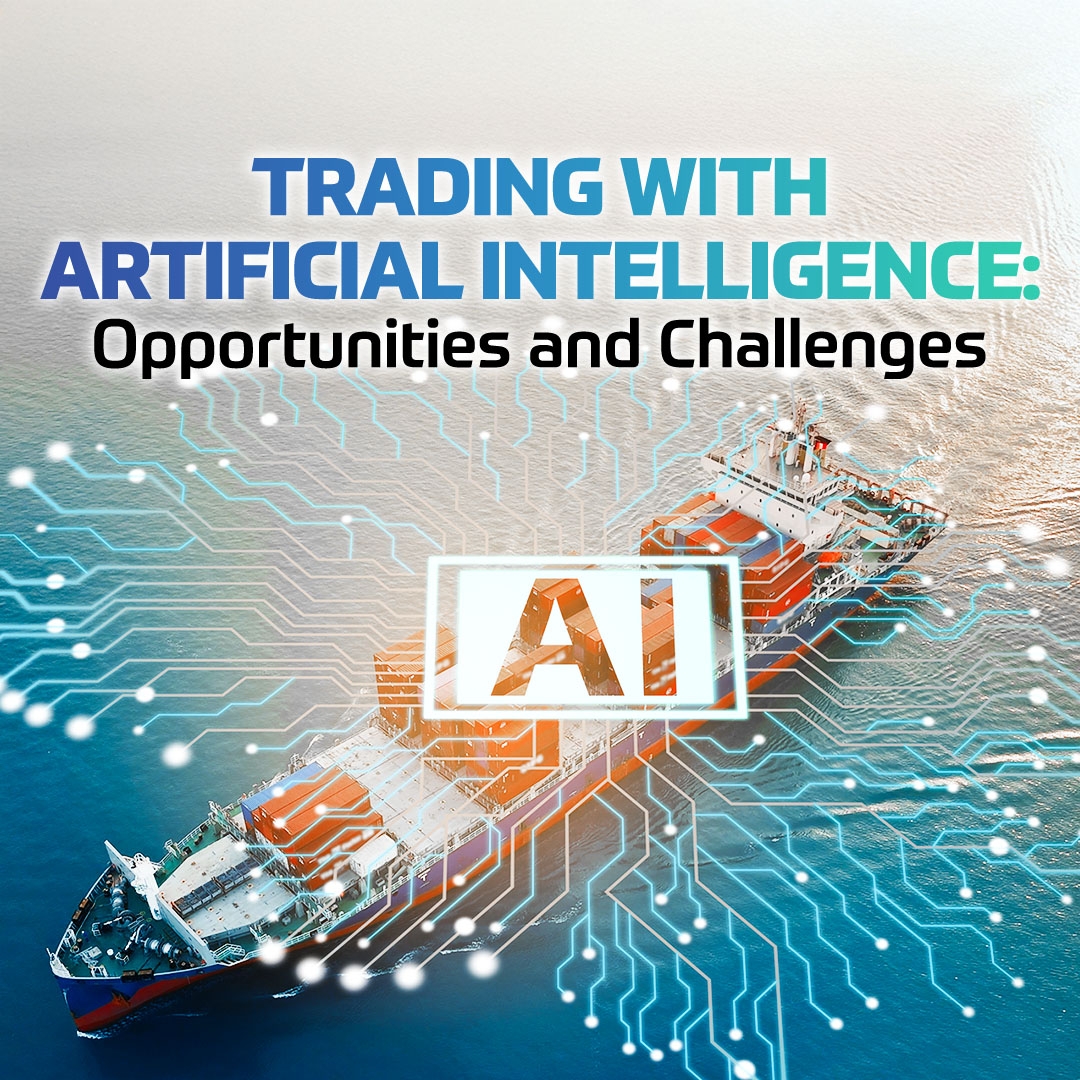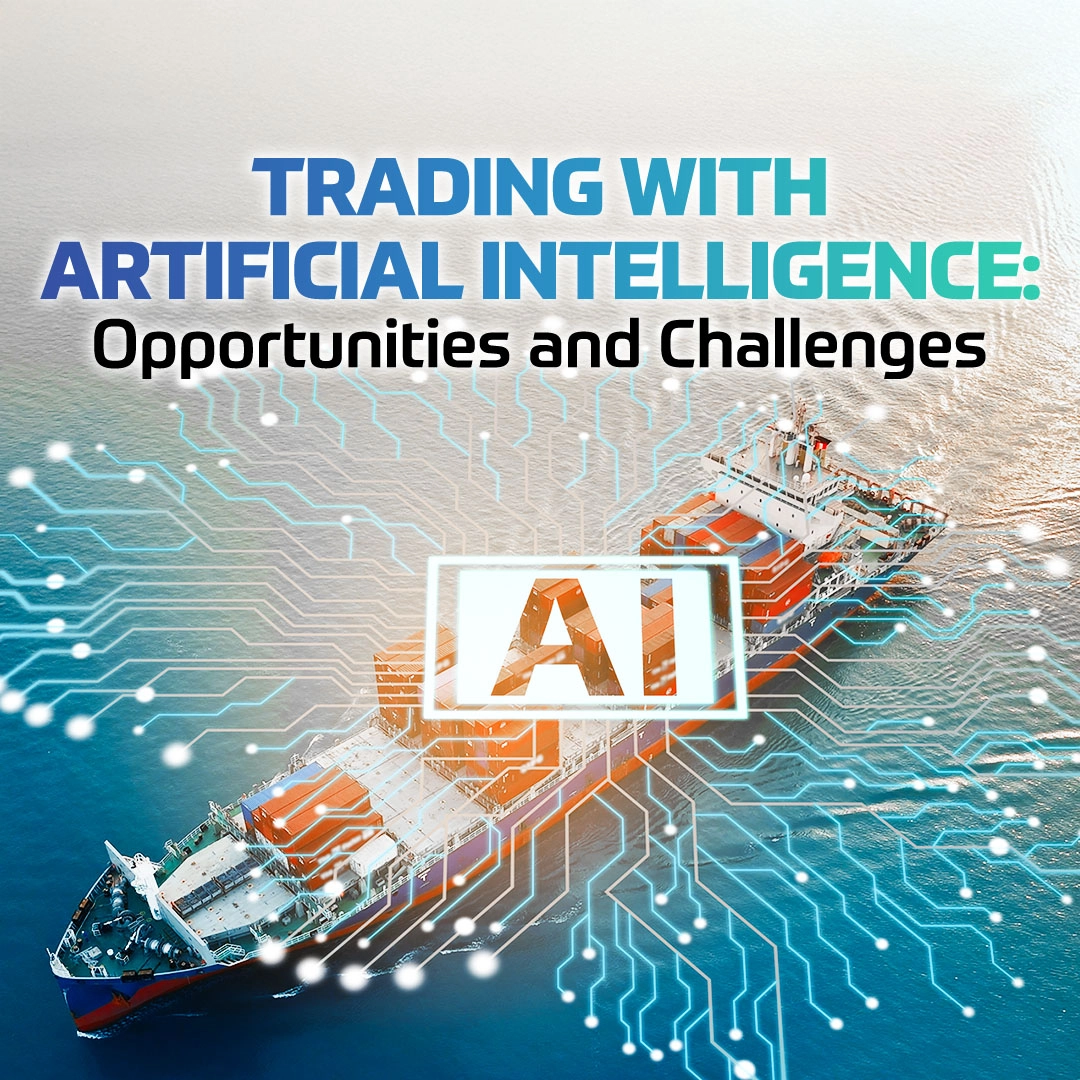
The rapid evolution of digital technologies is fundamentally reshaping the way international trade operates. Among these technologies, artificial intelligence (AI) stands out as a transformative force that is redefining how companies analyze markets, manage supply chains, mitigate risks and engage with global buyers and suppliers. Today, trading with artificial intelligence is no longer a futuristic concept; it is an operational reality for importers, exporters, logistics providers and trade finance institutions worldwide.
As global trade becomes more data-driven,
competitive and complex, businesses that adopt AI-powered solutions gain a
significant strategic advantage. From predictive analytics and automated
compliance to smart pricing and buyer-seller matching, AI is enabling faster,
more accurate and more profitable trade decisions.
This article explores how artificial
intelligence is transforming international trade, the opportunities it creates,
the challenges it presents and what the future holds for AI-driven global
commerce.
1. What is Artificial Intelligence in International Trade?
Artificial intelligence in international trade
refers to the use of advanced algorithms, machine learning models and
data-driven systems to automate, optimize and enhance cross-border trading
activities. AI systems are capable of analyzing massive volumes of structured
and unstructured trade data, identifying patterns, predicting outcomes and
supporting decision-making processes that traditionally required extensive
human expertise.
In the context of trading with artificial
intelligence, AI technologies are applied across the entire trade lifecycle,
from market research and partner selection to logistics planning, customs
compliance and post-trade analysis. These systems continuously learn from new
data, improving accuracy and efficiency over time.
Globally, governments and enterprises alike are
investing heavily in AI. The rise of U.S. artificial intelligence
initiatives, supported by strong venture capital ecosystems and advanced
research institutions, has accelerated the adoption of AI-based trade
technologies worldwide.
2. How AI Transforms Global Import and Export Operations
International trade operations involve numerous
variables: fluctuating demand, regulatory differences, logistics constraints,
currency risks and geopolitical uncertainties. AI transforms import and export
operations by turning these complexities into manageable, data-driven
processes.
AI-powered platforms can analyze historical
customs data, shipping records, pricing trends and macroeconomic indicators in
real time. This enables exporters to identify high-potential markets faster,
while importers can assess supplier reliability and cost structures more
accurately.
Moreover, automation reduces human error in
critical processes such as HS code classification, document preparation and
compliance checks. As a result, companies engaged in trading with artificial
intelligence benefit from faster customs clearance, lower operational risks and
improved cost efficiency.
3. What are the Key Applications of AI in Global Trading
Artificial intelligence is not limited to a
single function in global trade. Instead, it spans multiple interconnected
applications that collectively optimize international trading activities.
3.1. AI in Market Demand Forecasting and Trade Analytics
One of the most powerful applications of AI in
global trade is demand forecasting. By analyzing historical trade flows,
consumption patterns, seasonality and economic indicators, AI models can
predict future demand with high accuracy.
Advanced trade analytics platforms leverage AI
to process millions of customs records and shipment data points, enabling
businesses to identify emerging markets, declining demand trends and untapped
opportunities. These insights are critical for companies seeking sustainable
growth through trading with artificial intelligence.
As the global artificial intelligence market
size continues to expand, AI-driven analytics tools are becoming more
sophisticated, offering deeper insights into global trade dynamics.
3.2. Automated Supplier and Buyer Matching
Finding reliable suppliers or qualified buyers
is one of the most time-consuming aspects of international trade. AI-driven
matchmaking systems analyze company profiles, trade histories, shipment
volumes, pricing behavior and compliance records to connect businesses with the
most suitable partners.
Unlike traditional B2B directories, AI-powered
matching platforms continuously update recommendations based on real-time trade
activity. This significantly reduces the risk of unreliable partnerships and
accelerates deal-making processes in trading with artificial intelligence
environments.
3.3. AI-Powered Trade Documentation and Compliance
Trade documentation errors can lead to costly
delays, penalties and reputational damage. AI-powered compliance tools automate
document verification, HS code classification and regulatory checks across
different jurisdictions.
Machine learning models trained on customs
rulings and historical declarations can identify potential compliance risks
before shipments are dispatched. This proactive approach ensures regulatory
alignment while reducing manual workload and operational friction.
For exporters and importers operating across
multiple markets, AI-driven compliance systems are becoming indispensable
components of trading with artificial intelligence strategies.
3.4. Smart Pricing and Contract Optimization in International Trade
Pricing decisions in global trade are
influenced by factors such as competitor pricing, freight costs, tariffs,
exchange rates and demand elasticity. AI algorithms can dynamically analyze
these variables and recommend optimal pricing strategies.
Additionally, AI can assist in contract
optimization by analyzing historical agreements, identifying risk clauses and
suggesting terms that balance profitability and risk exposure. These
capabilities enable businesses to negotiate smarter contracts and maintain
competitive pricing in volatile markets.
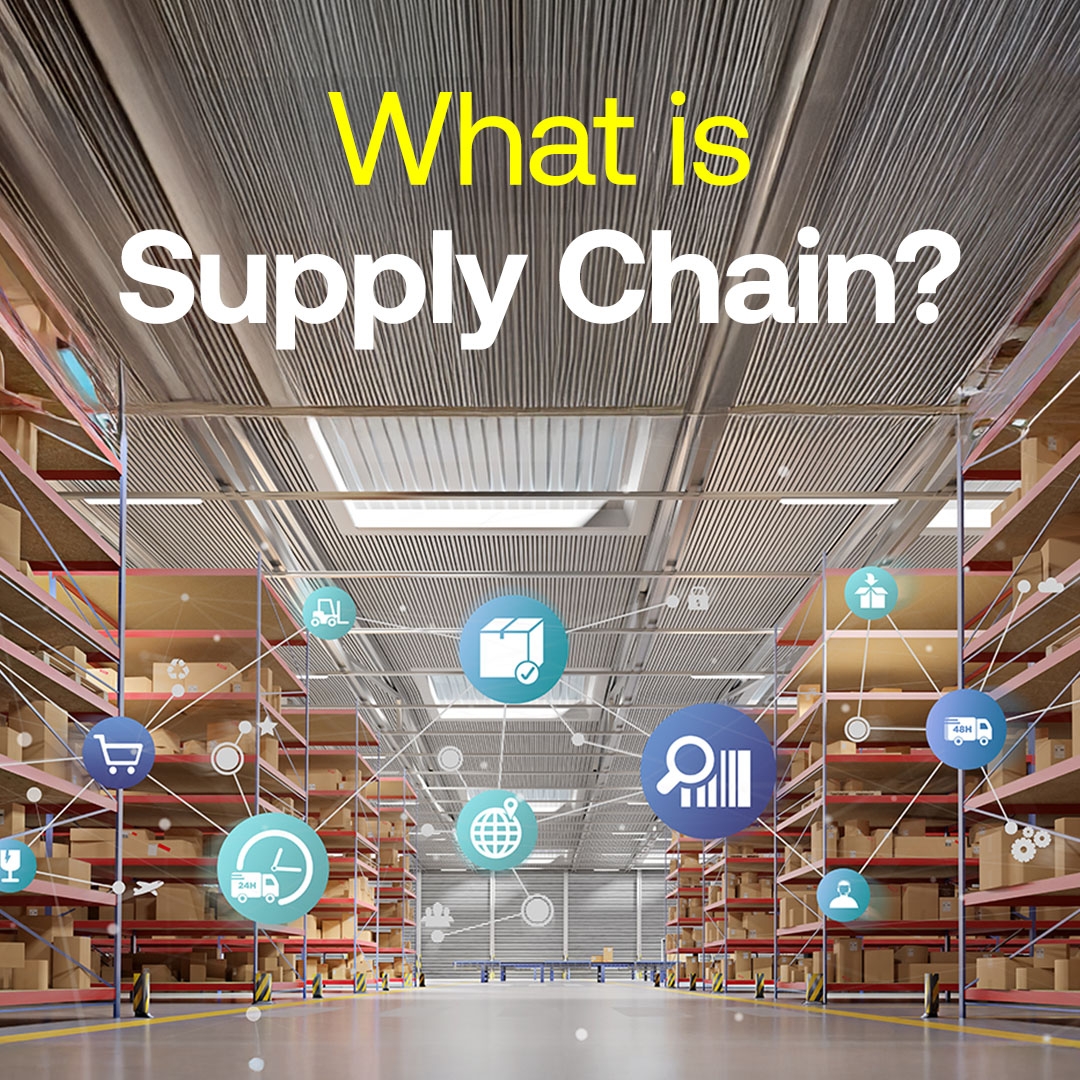
4. AI and Global Supply Chain Management
Global supply chains are increasingly complex
and vulnerable to disruptions caused by geopolitical tensions, pandemics,
natural disasters and transportation bottlenecks. AI enhances supply chain
resilience by providing predictive insights and real-time visibility.
AI-powered supply chain systems can forecast
delays, optimize routing, manage inventory levels and simulate alternative
sourcing scenarios. This allows companies engaged in trading with artificial
intelligence to respond quickly to disruptions and maintain continuity of
operations.
By integrating trade data with logistics and
production data, AI creates a holistic view of the supply chain, enabling more
informed strategic decisions.
5. The Role of AI in Trade Finance and Payments
Trade finance is another area where artificial
intelligence is driving significant innovation. AI is used to assess credit
risk, detect fraud, automate compliance checks and streamline payment
processes.
Machine learning models analyze transaction
histories, shipment data and financial records to evaluate the creditworthiness
of trading partners more accurately. This reduces financing risks and improves
access to trade finance for small and medium-sized enterprises.
In addition, AI-powered payment systems enhance
transparency and speed, reducing delays and costs associated with cross-border
transactions, key benefits for companies focused on trading with artificial
intelligence.
6. Future of Artificial Intelligence in International Trade
The future of artificial intelligence in
international trade is closely tied to the expansion of global data ecosystems
and computational capabilities. As the global artificial intelligence market
size grows, AI solutions will become more accessible, affordable and integrated
into everyday trade operations.
Emerging technologies such as generative AI,
autonomous agents and real-time decision engines will further automate complex
trade tasks. Governments are also expected to adopt AI for customs risk
management, trade monitoring and policy analysis, accelerating digital
transformation across borders.
Meanwhile, continued investment in U.S.
artificial intelligence research and innovation will likely shape global
standards and best practices in AI-driven trade systems.
7. Opportunities of Trading with Artificial Intelligence
The opportunities created by trading with
artificial intelligence are substantial:
Higher efficiency: Automation reduces manual processes and
operational costs.
Improved accuracy: Data-driven decisions minimize errors and
compliance risks.
Faster market entry: AI-powered insights accelerate
market research and partner selection.
Scalability: Businesses can expand into new markets without
proportional increases in operational complexity.
Competitive advantage: Early adopters of AI gain strategic
positioning in global trade networks.
However, these opportunities must be balanced
with responsible data governance, cybersecurity measures and workforce
upskilling to ensure sustainable adoption.
8. Trading with Artificial Intelligence Using TradeAtlas
At this point, leveraging artificial
intelligence effectively requires not only advanced technology but also access
to reliable global trade data. This is where TradeAtlas plays a critical role.
TradeAtlas integrates artificial intelligence
with official customs data, global shipment records and advanced analytics to
help importers and exporters make smarter decisions. By combining AI-powered
trade analytics, buyer-supplier intelligence and market forecasting tools,
TradeAtlas enables businesses to unlock the full potential of foreign trading
with artificial intelligence.
As international trade becomes increasingly
data-centric, platforms like TradeAtlas represent the future of intelligent,
transparent and efficient global commerce. Adopting AI-driven platforms is no
longer optional, as exporter AI
solutions empower exporters to identify new markets, optimize pricing
strategies and build sustainable growth in international trade.