Carpets have long been more than just decorative items — they reflect culture, craftsmanship, and commercial value. Today, the global trade in carpets connects artisanal producers and large-scale manufacturers with markets across the world. Whether it's handwoven Persian rugs or modern synthetic floor coverings, demand spans from high-end interior design to large commercial projects. If you're planning to enter this dynamic industry, knowing how to manage the carpet import process from start to finish is key to building a successful operation.
Steps to Import Carpet Successfully
To import carpets successfully,
it’s important to understand the market, work with reliable suppliers, and
manage each stage of the process with attention to detail. The following steps
outline how to handle the process effectively;
- Know Your Market: Start by researching
trends and preferences in your target country. Are consumers drawn to
hand-knotted luxury rugs or more affordable, machine-made options?
Consider regional differences — urban buyers may favor minimalist modern
designs, while traditional styles might appeal elsewhere.
- Choose the Right Supplier: In the carpet
industry, trust and consistency are everything. Look for experienced
exporters who offer reliable quality and timely shipments. Use trade data
platforms, verified exporter lists, or international trade fairs to
identify the best partners.
- Get HS Codes Right: Most carpets fall under
HS Codes 5701 to 5705, but small details like material type and weaving
technique can affect classification. Using the wrong code can lead to
unexpected tariffs or customs delays — accuracy is key.
- Check Local Regulations: Some countries
require carpets to meet specific safety or labeling standards — such as
fire resistance certifications or country-of-origin labeling. For
commercial-use carpets, technical specs may be even stricter.
- Plan Your Logistics Carefully: Carpets are
bulky and require proper packaging and space planning. For large orders,
sea freight is usually more economical; for time-sensitive shipments, air
freight may be the better choice.
- Prepare for Customs Clearance: Work with a
licensed customs broker or make sure you fully understand import
procedures. Delays often occur due to missing or incorrect documents, so
double-check your paperwork before dispatch.
- Handle Storage and Distribution Efficiently:
Once your shipment clears customs, ensure your carpets are stored in a
clean, dry, and roll-friendly environment. Plan ahead for how you’ll
distribute them — whether through retailers, online channels, or direct
sales.
Carpet Import Data
Carpets are imported by many
countries around the world for both residential and commercial use. Key
importers include the United States, Germany and the United Kingdom, reflecting
a wide range of market needs from luxury interiors to mass-market floor
coverings.
Carpet Export Data
Carpet exports are led by
countries with well-established production capabilities. India, Turkey, Iran,
China, and Pakistan are among the major exporters, offering a mix of handmade,
machine-made, and synthetic carpets to meet global demand.
Carpet Import Procedures and Documentation
Importing carpets usually
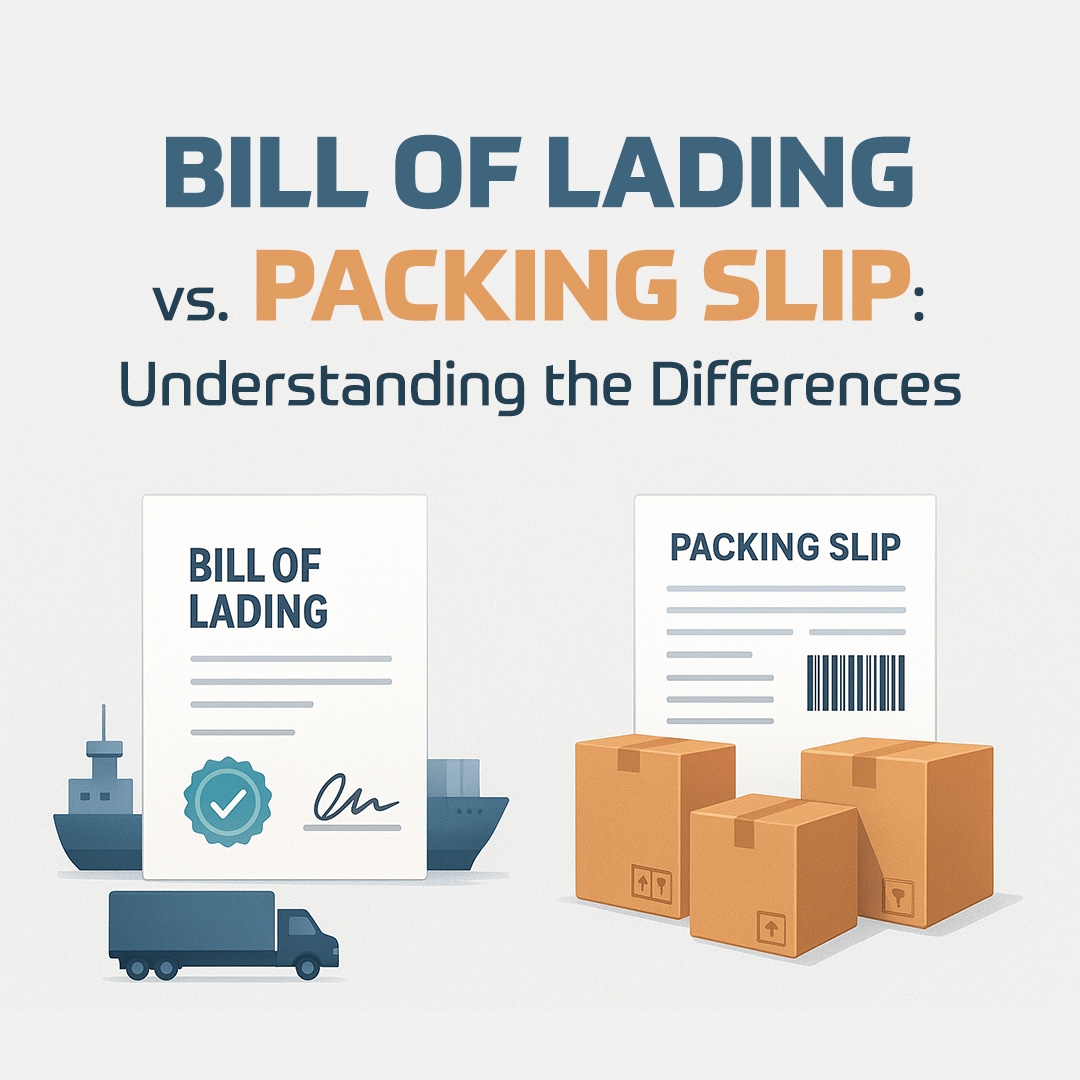
requires a set of standard documents, including the commercial invoice, packing
list, transport documents (such as bill of lading or airway bill), and
certificate of origin. Depending on the destination country, an import license
and customs declaration forms may also be needed. It’s important to check
whether there are specific textile labeling or fire safety requirements that
apply to carpet products in your market.
Key Importers for Carpet Import
Identifying major carpet
importers is a valuable step in shaping your business strategy. You can explore
potential partners through trade data platforms, customs records, and industry
events. Below are some of the main import hubs, along with insights into their
local carpet markets.
Carpet Importers in USA
The United States remains the
leading importer of carpets globally, driven by strong demand in both
residential and commercial markets. Buyers increasingly prefer synthetic,
easy-to-clean, and environmentally friendly options.
Carpet Importers in Dubai
Dubai functions more as a
regional import and redistribution point for carpets—primarily through trade
channels rather than domestic production. While it plays a role in the movement
of luxury (Persian, Turkish) and machine-made carpets from countries like India
and China, it lacks significant export volumes in its own name. Redistributions
occur within the GCC, reflecting Dubai’s logistical importance rather than
manufacturing strength.
Carpet Importers in Australia
Australian carpet importers focus
on quality, sustainability, and health-conscious products. There is growing
demand for natural fibers like wool, as well as recycled and allergy-friendly
materials. Most carpets are sourced from countries such as India, Turkey, Nepal,
and Pakistan, serving both residential and commercial sectors.
Carpet Importers in India
India is globally recognized as a
leading carpet exporter, yet it also imports select machine-made and specialty
rugs to meet specific domestic preferences. These imported carpets often appeal
to luxury or commercial sectors. Major source countries include the UAE, Germany,
United States, China.
Carpet Importers in Germany
Germany is a leading European
importer, with a preference for high-quality woven and tufted carpets.
Importers often supply the real estate, hospitality, and automotive sectors.
Carpet Import Business Opportunities
The carpet trade presents valuable opportunities for
businesses that focus on emerging trends and niche demands. Areas with strong
potential include:
- Eco-conscious
carpets made from sustainable or recycled materials
- Technology-integrated
carpets, such as smart textiles for commercial environments
- Designer
or customized rugs tailored to high-end interior projects
- Modular
carpet systems designed for offices, hotels, and public spaces
In addition, digital sales channels like e-commerce and
dropshipping allow new players to enter the market with lower overhead costs
and flexible inventory models.
Find Carpet Buyers Worldwide with TradeAtlas
In the carpet trade, reaching the
right buyers and understanding market dynamics are key to staying competitive.
TradeAtlas makes this easier by offering access to comprehensive global trade
data. With just a few clicks, you can:
- Identify actual carpet importers across over 230
countries
- Track real shipment activity and spot seasonal or
regional buying patterns
- Explore HS Code–based trends and compare unit
prices by country
- Analyze competitors' export volumes and destination
markets
Whether you're looking to expand
your sourcing network or enter a new market with confidence, TradeAtlas
provides the insights you need to act strategically.
If you're also considering
expanding your product range beyond carpets, you may want to explore furniture
import opportunities as well.