As one of the world’s leading economies, the United States operates a wide-reaching and influential tariff system that shapes the dynamics of global commerce. The US tariff structure plays a critical role in regulating imports, supporting domestic industries, and influencing trade negotiations. Through a combination of protective measures and strategic policies, these tariffs affect not only U.S. producers but also global supply chains and international market access. This guide breaks down how these policies work, their historical development, and their implications for key trade partners.
What Are US Tariffs and How Do They Work?
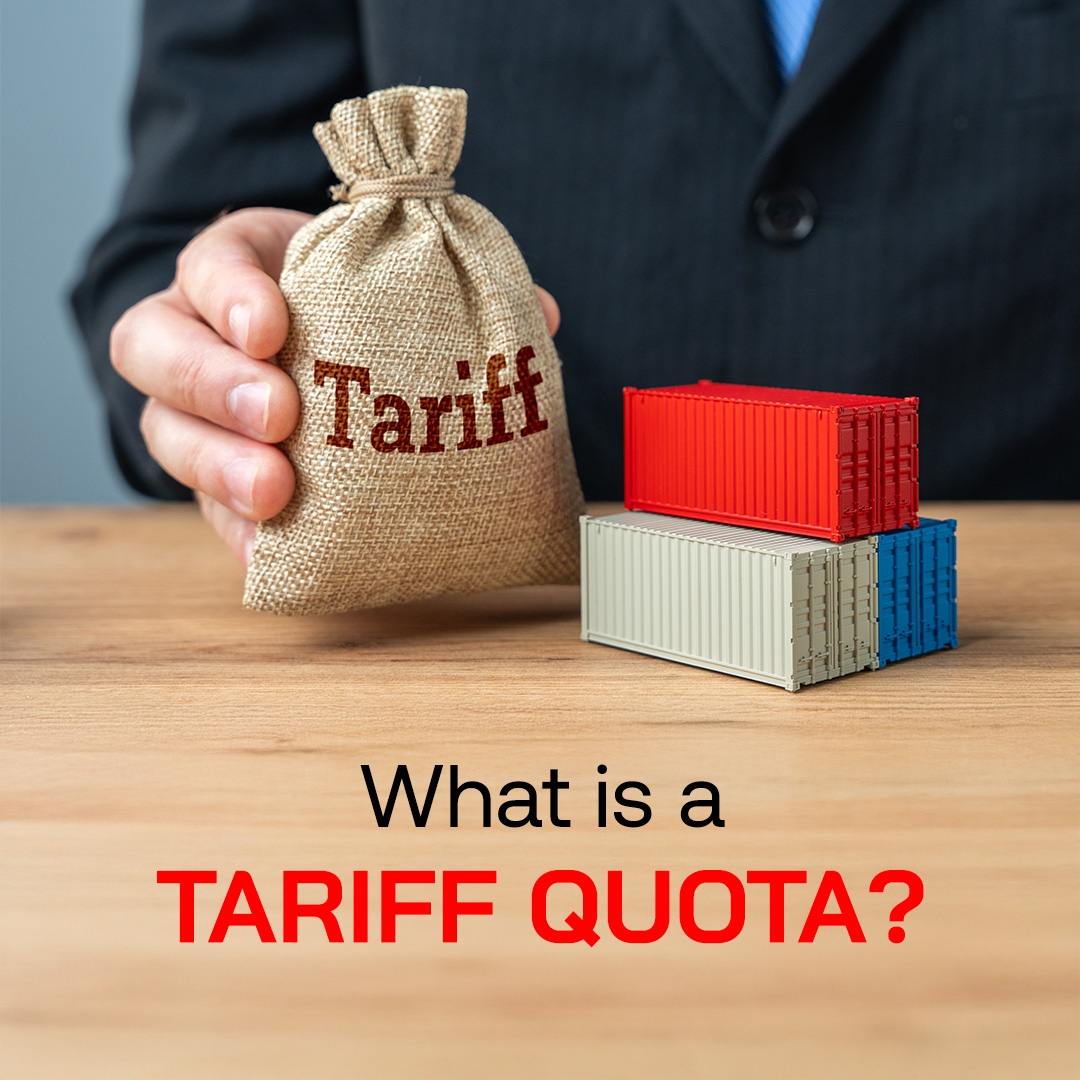
Tariffs are
taxes imposed on imported goods, designed to protect domestic industries,
generate revenue, or serve as a tool in trade negotiations. The tariff
United States system includes various duties, fees, and taxes applied
based on the product's classification and origin. Tariffs also serve as a
political tool, allowing countries to respond to unfair trade practices or
subsidized foreign products.
Key Types of United States Tariffs
- Ad Valorem Tariffs: A percentage of the product's value.
- Specific Tariffs: A fixed fee based on quantity (e.g., per
kilogram).
- Compound Tariffs: A combination of ad valorem and specific
rates.
Each item
is classified according to the U.S. tariff codes, which follow the
Harmonized System (HS Code). These codes are central to identifying applicable
tariffs in the US tariff database and ensuring compliance.
Every code in the system reflects a detailed product description that directly
links to the applicable tariff level.
How US Tariffs Affect Global Trade
Tariffs can
alter supply chains, pricing strategies, and competitive dynamics. For example,
increased tariffs on steel and aluminum shifted sourcing decisions globally.
The US tariff announcement of such changes often triggers
ripple effects in multiple sectors.
Businesses
consult the US tariff list by country and US tariff hs
code classifications to assess feasibility and cost impact. These
tools are essential for strategic planning and supplier selection.
The US
tariff details provide comprehensive insights into affected goods,
applicable duties, and the administrative procedures importers must follow.
These details are vital in forecasting costs and evaluating new supplier
markets. Rising tariffs can also influence domestic production by encouraging
local alternatives to costly imports.
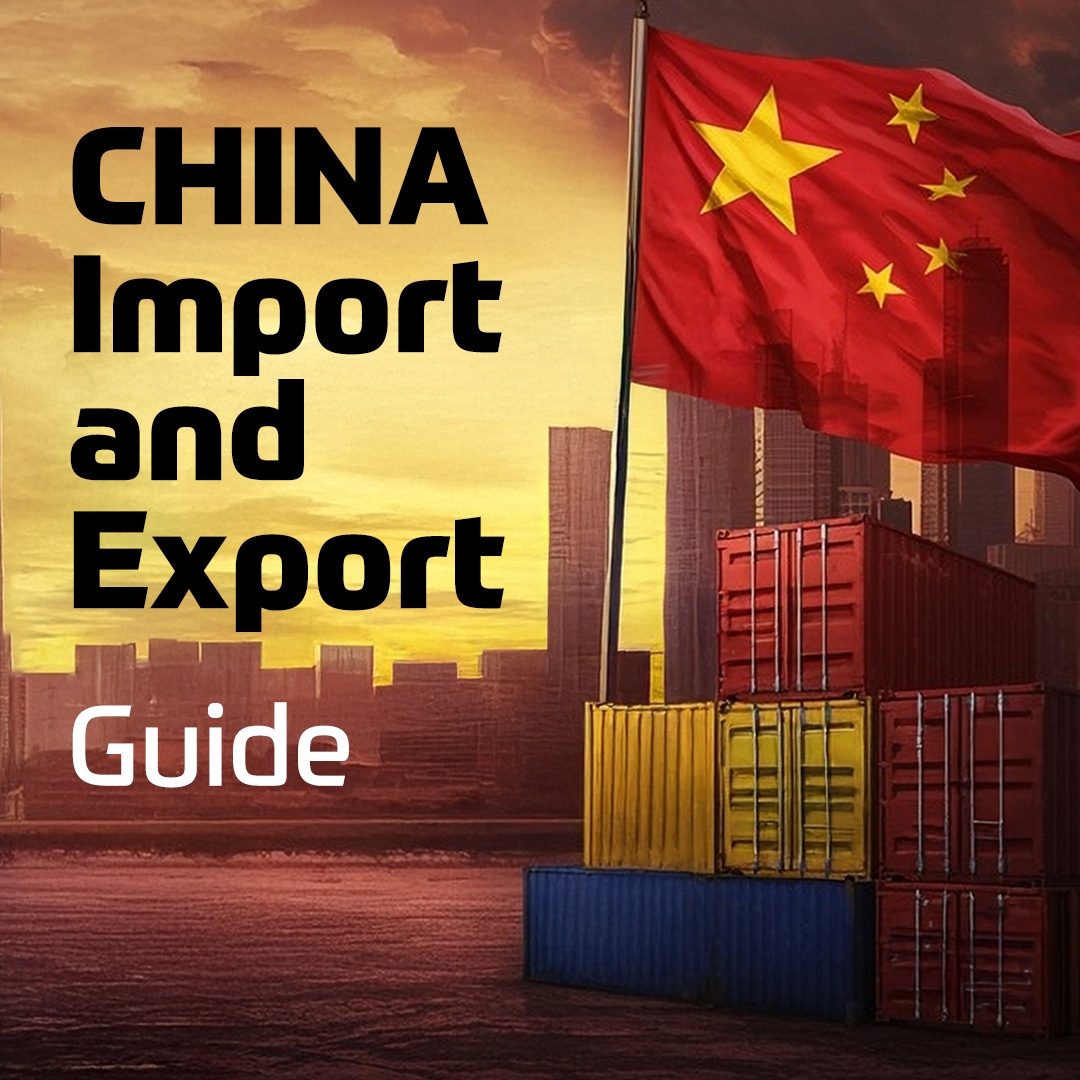
US Tariffs on China: Key Products and Current Rates
Trade
tensions between the U.S. and China have led to a dramatic reshaping of import
strategies. The US tariff 2025 updates reflect ongoing adjustments
in response to policy shifts and WTO rulings. Chinese imports have been subject
to elevated tariffs under Section 301 investigations.
Impact of US Tariffs on Chinese Goods
Key sectors
affected include:
- Electronics (mobile phones, laptops)
- Machinery and equipment
- Textiles and consumer goods
The US
tariff details highlight increased rates on Chinese products to
counterbalance perceived trade imbalances and intellectual property concerns.
According to the US tariff news latest, exclusions and rate
adjustments are still being negotiated. Manufacturers reliant on Chinese
components have been forced to reconfigure supply chains or seek tariff
exemptions.
US Tariffs on Canada: What You Need to Know
Despite
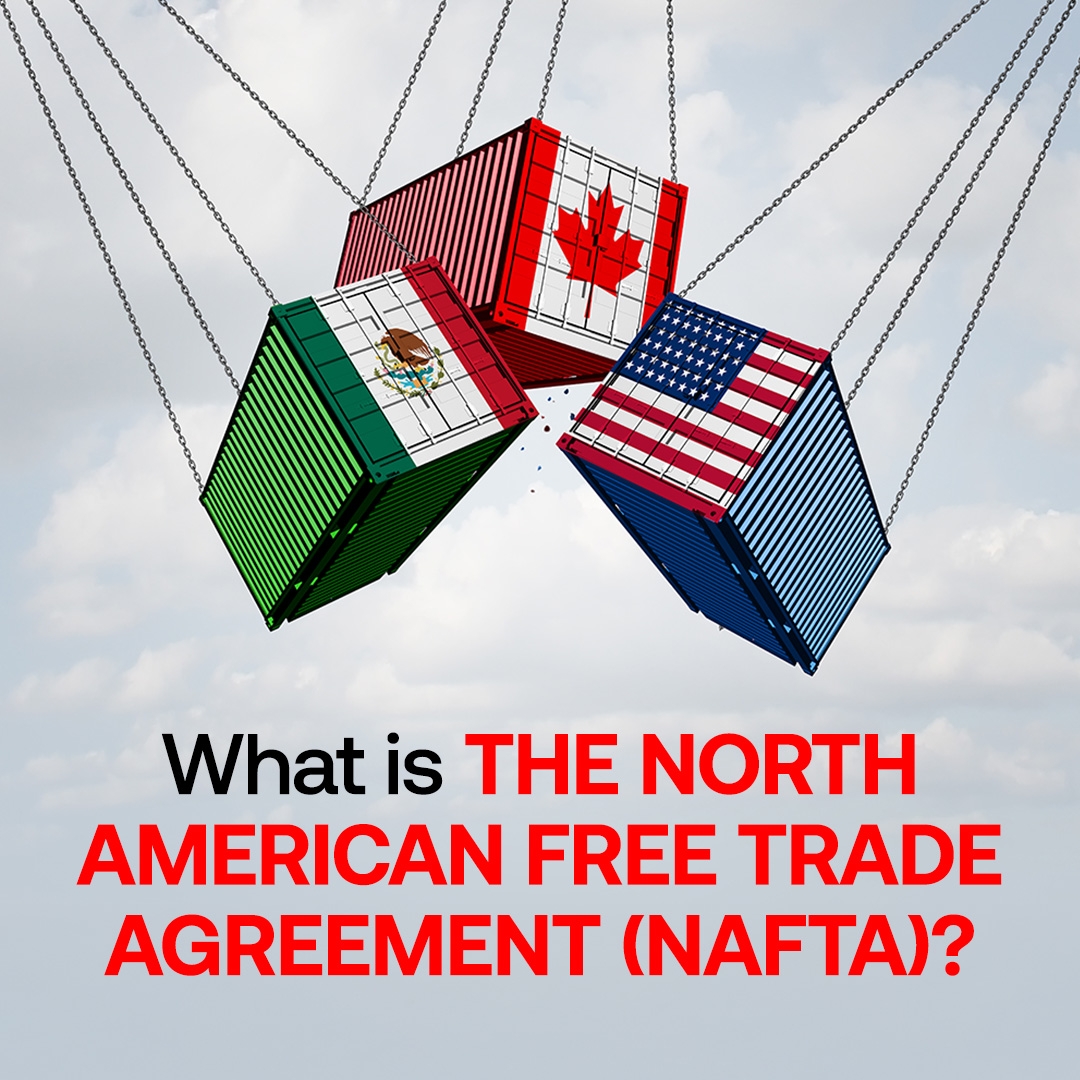
close ties and the USMCA agreement, the U.S. maintains certain tariffs on
Canadian imports. These are often politically sensitive and tied to
sector-specific negotiations.
The Trade Relationship Between US and Canada
Tariffs
have targeted:
- Dairy products (to protect U.S. producers)
- Lumber (due to anti-dumping disputes)
- Aluminum and steel (national security
concerns)
Exporters
must review the list of U.S. tariffs regularly and reference
the US tariff list by country to stay updated. They can also
use the us tariff database to track fluctuations. While Canada has
responded diplomatically, tariff disputes between the two countries continue to
influence sectors like energy, agriculture, and raw materials.
A History of US Tariffs: Major Milestones and Changes
Understanding
the US tariff history helps contextualize today’s policies.
Historically, tariffs played a significant role in national revenue and
industrial growth. They were the primary source of government funding in the
early years of the Republic.
Evolution of US Tariff Policy
- 1790s: Tariffs provided up to 90% of federal revenue.
- Smoot-Hawley Act (1930): Raised tariffs on over 20,000 goods,
deepening the Great Depression.
- Post-WWII: U.S. shifted toward trade liberalization.
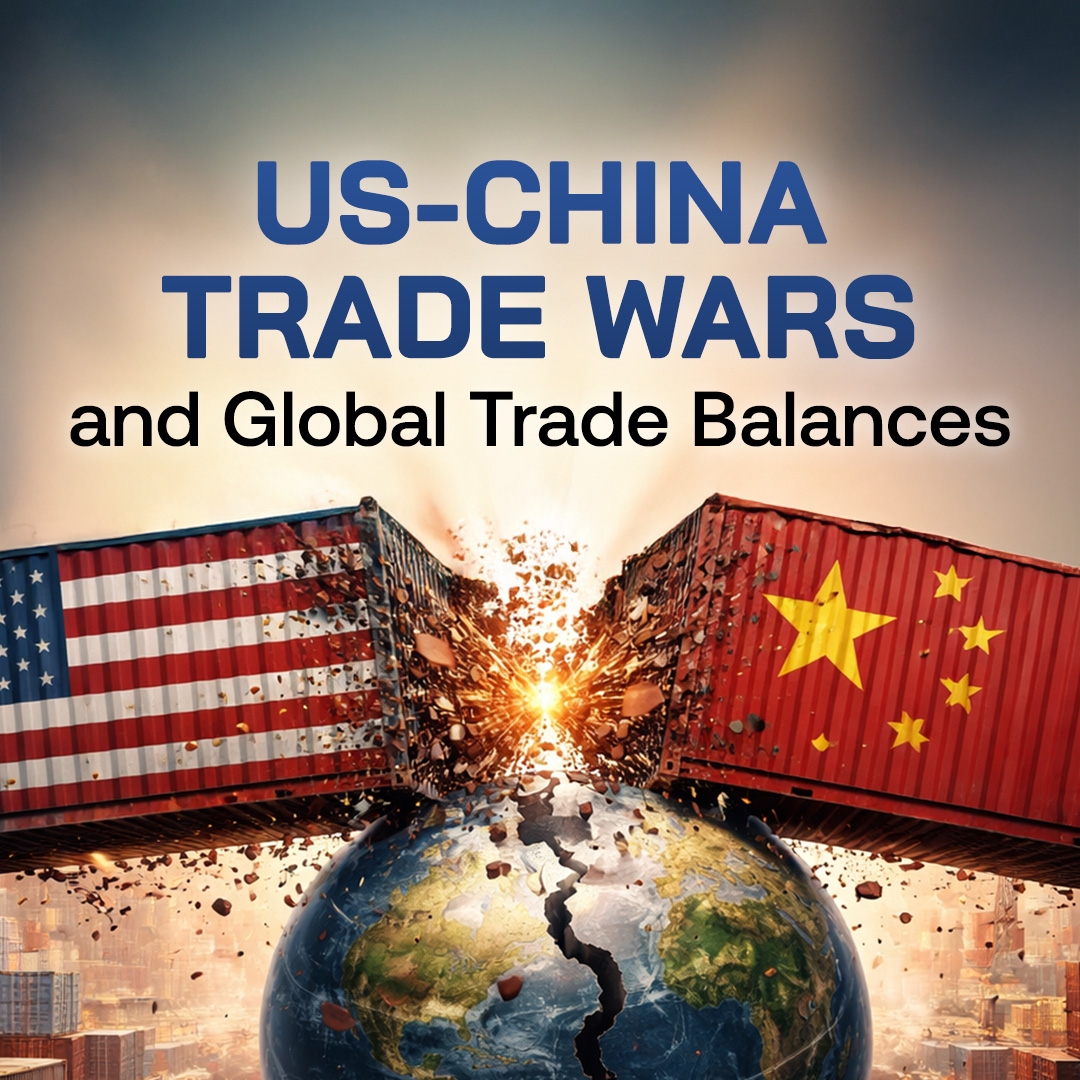
- 2018-2020: A surge in protectionist measures under the
Trump administration.
- 2025: Ongoing modifications reflect the dynamic
interplay of economic needs and geopolitical shifts.
These milestones reflect the ongoing shifts in U.S.
trade policy, swinging between periods of protectionism and efforts toward
liberalization. Each administration brings a different perspective to tariff
strategy, often revisiting or reinterpreting past approaches to align with
current economic goals and global dynamics.
Impact of Historical Trade Wars on Tariffs
The U.S.
has engaged in multiple trade wars, notably with Japan (autos in the 1980s) and
China (2018–2020). These conflicts led to retaliatory tariffs, price increases,
and diplomatic strain.
Key
takeaways:
- Over-reliance on tariffs can hurt domestic
consumers.
- Retaliatory measures disrupt global supply
chains.
- Long-term solutions require diplomatic
negotiation.
These cases reveal several important insights. Heavy
dependence on tariffs can ultimately harm domestic consumers through higher
prices. Retaliatory measures from trade partners often lead to disruptions
across global supply chains. And in many instances, lasting solutions are more
likely to come from negotiation and diplomacy than from extended tariff
enforcement.
US Tariff Rates by Country: A Global Comparison
The United States applies different tariff rates to different countries,
reflecting a combination of trade agreements, economic partnerships, and
geopolitical considerations. Countries that have signed free trade agreements
with the U.S., such as Canada, Mexico, and South Korea, typically benefit from
lower or even zero tariffs on a wide range of goods. On the other hand, nations
with which the U.S. has active trade disputes—like China or India—may face
significantly higher duties on selected product categories. These
country-specific differences reveal how tariffs are not just economic tools,
but also instruments of foreign policy, shaping the flow of goods and
influencing bilateral relationships.
US Tariffs on South Korea and Other Key Partners
The United
States maintains a range of tariff policies tailored to its strategic trade
partners, reflecting both cooperation and contention.
South
Korea, a key ally and signatory of a free trade agreement with the U.S.,
benefits from generally low tariffs on products such as electronics and
automobiles. However, U.S. scrutiny remains high on steel imports due to
concerns over global overcapacity.
The
European Union faces U.S. tariffs on specific categories including large civil
aircraft, wine, and luxury items—often in response to long-standing disputes at
the World Trade Organization.
India has
experienced fluctuating trade relations with the U.S., leading to tariff
increases on certain agricultural and industrial goods. These changes typically
stem from disagreements over market access and domestic support policies.
Overall,
U.S. tariff rates vary significantly based on bilateral and multilateral
agreements, economic alliances, and ongoing trade negotiations. Understanding
these country-specific dynamics is essential for businesses navigating the
global trade environment.
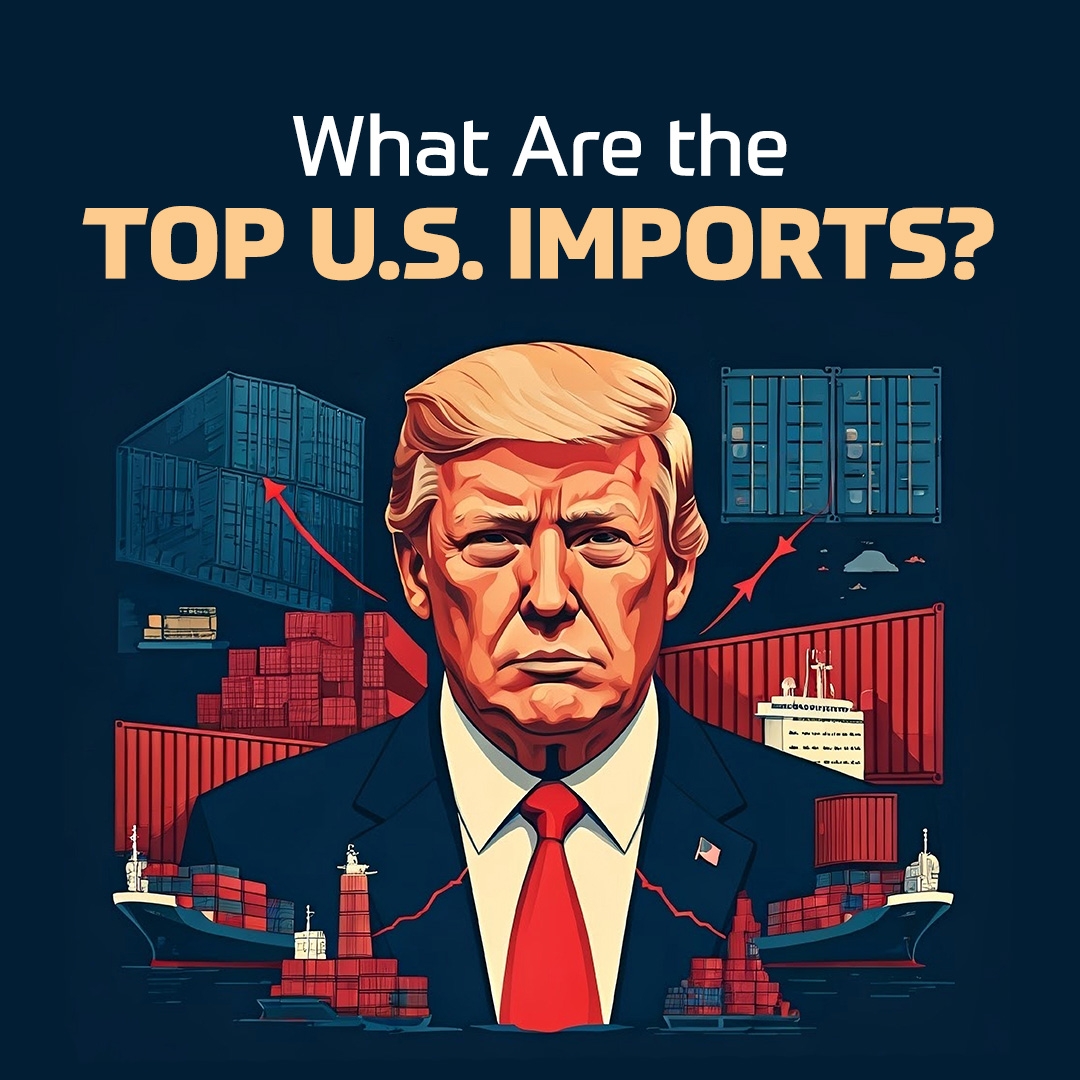
If you're interested in how the Trump administration
influenced tariff policy, our blog post on Trump's tariffs offers
a closer look at the decisions and their broader impact on trade.
To better understand how reciprocal tariff measures
vary by trading partner, keep an eye out for our content on the reciprocal tariffs list.