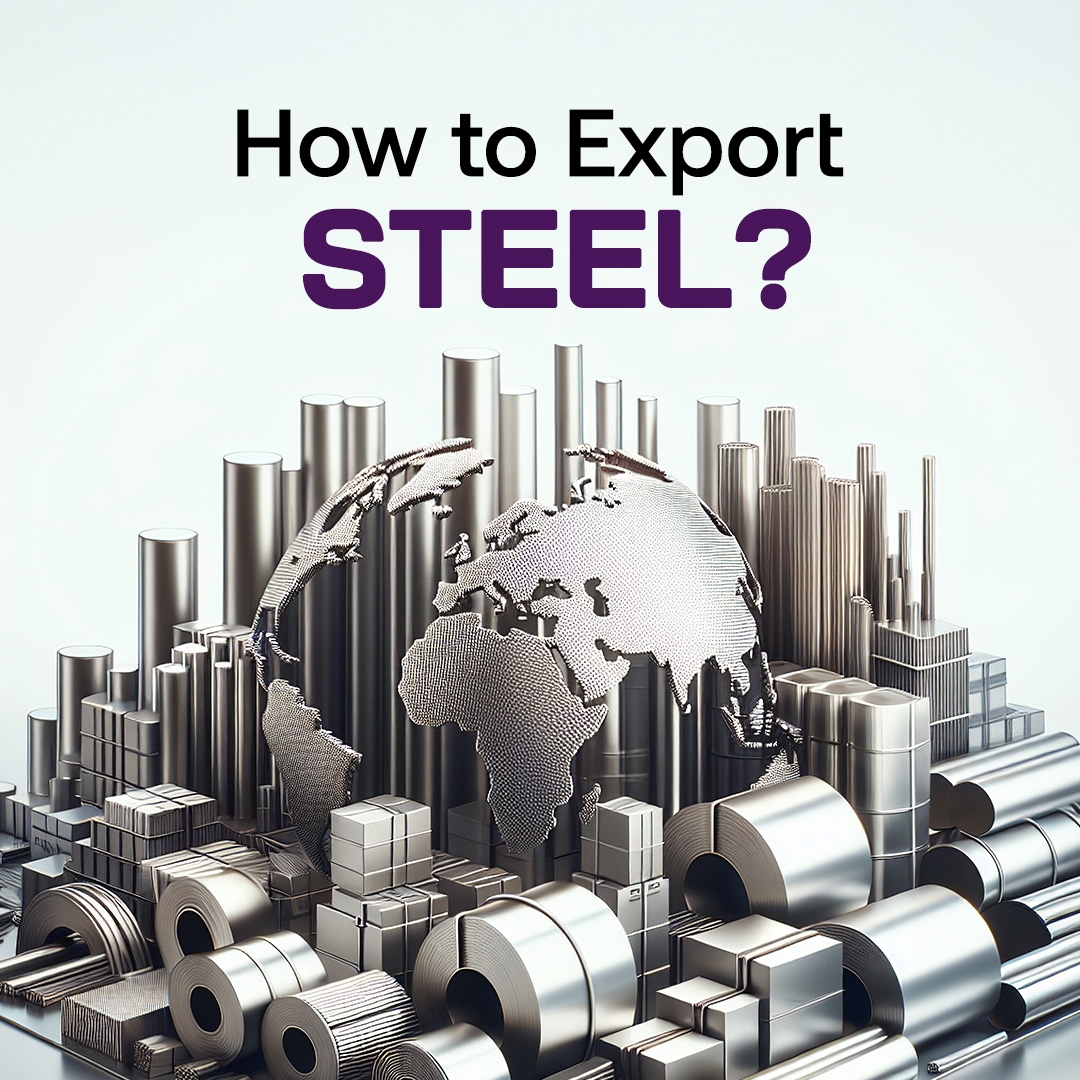
Steel is one of the most critical materials in global industrial development. From construction to automotive, infrastructure to machinery, steel plays a vital role in powering economies. If you're interested in entering the steel export business, this comprehensive guide will walk you through every essential step, country-specific details, and major opportunities in the international steel market.
1. Steps to Export Steel Successfully
To succeed in the steel export business, a
structured approach is crucial. Here are the key steps:
Market Research: Analyze global demand trends and identify top
steel export countries.
Supplier or Mill Selection: Choose reliable steel producers
with certifications and international-grade product quality.
Product Specifications: Determine product types (e.g., flat
steel, long steel, stainless steel) and adhere to international standards like
ASTM or EN.
Negotiation and Contracting: Draft detailed contracts covering
volume, delivery timeframes, payment terms and quality clauses.
Compliance and Documentation: Ensure your shipments meet the
importing country’s legal, technical and environmental requirements.
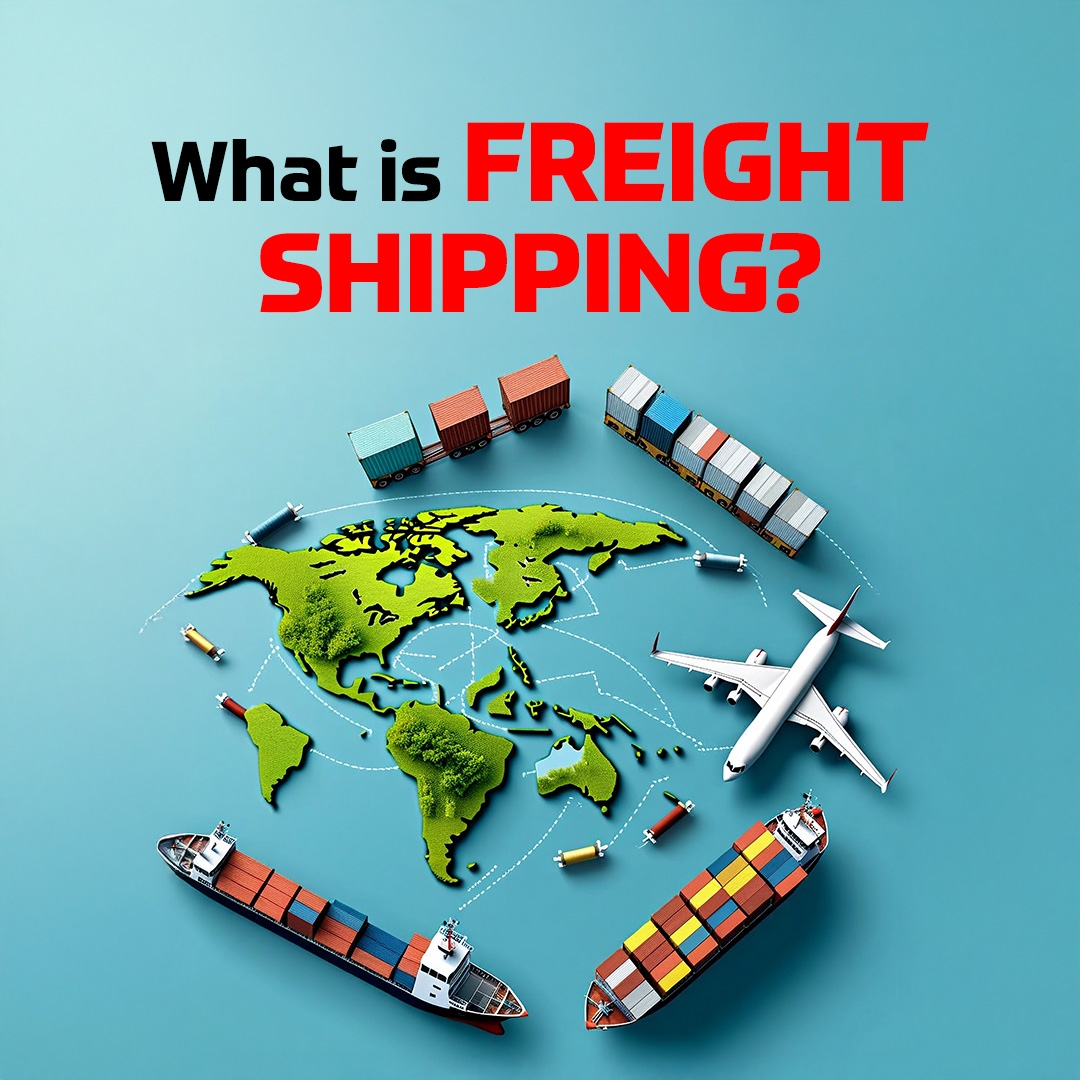
Logistics and Shipping: Select optimal freight routes,
consider container vs. bulk shipping and coordinate with freight forwarders.
After-Sales Support: Provide necessary technical data
sheets, customer service and resolve any post-delivery quality issues.
1.1. Steel Export Data
Global steel export data shows a strong
and steady demand, especially for construction-grade and specialty steels. In
2024, global steel exports reached over 400 million metric tons, led by
countries like China, India and Japan. TradeAtlas provides detailed and updated
steel export data to help exporters identify profitable markets and spot
trends.
1.2. Steel Import Data
Equally important is analyzing steel import
data to understand the market potential of target countries. Nations like the
USA, Germany, Italy and Turkey import millions of tons annually, offering great
opportunities for exporters. This steel import data helps tailor your strategy
to meet regional demand and regulations.
2. Steel Export Procedures and Documentation
Exporting steel requires compliance with
technical, safety and administrative requirements. Key documents include:
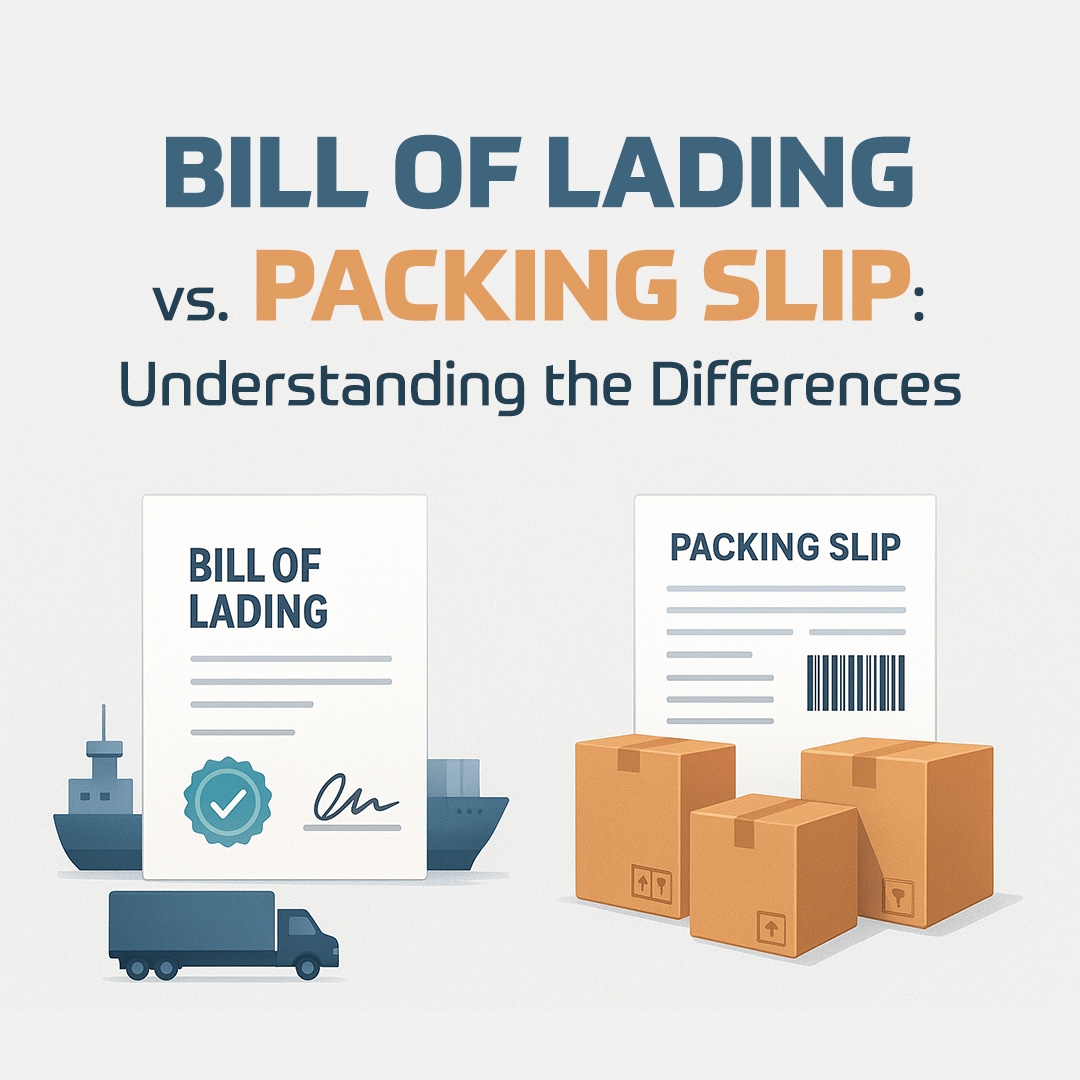
- Commercial Invoice & Packing List
- Bill of Lading or Airway Bill
- Certificate of Origin
- Mill Test Certificate (MTC)
- Inspection Certificates (SGS, BV, or
Intertek)
- Export License (if required)
- Customs Declaration Form
Proper documentation ensures timely customs
clearance and avoids penalties or shipment delays.
3. Top 10 Steel Producing Countries
The top steel export countries are often also
the largest producers. According to the World Steel Association (2024), the top
10 steel-producing countries are:
1. China
2. India
3. Japan
4. United States
5. Russia
6. South Korea
7. Turkey
8. Germany
9. Brazil
10. Iran
These nations not only produce but also export
high volumes of steel, shaping global pricing and supply chains.
4. Steel Export by Country
Let’s explore how steel exports perform in
specific countries.
4.1. Steel Export from India
India is one of the top steel exporters,
with exports reaching over 15 million metric tons annually. Key destinations
include Vietnam, the UAE, the USA and Italy. India’s competitive pricing,
government support and surplus capacity boost its export strength.
4.2. Steel Export in China
China dominates the global steel market with
over 60% of world production. Its steel export business thrives on bulk exports
to Southeast Asia, Africa and South America. However, China faces tariffs and
quotas in several countries due to overcapacity and price undercutting.
4.3. Steel Export in Canada
Canada exports high-quality flat and long steel
to the US and EU markets. Canadian steel is known for its compliance with
environmental and technical standards, making it attractive in developed
markets.
4.4. Steel Export in US
Although the US is a net importer of steel, it
still exports certain specialty steels, especially stainless and alloy steels.
The US maintains Free Trade Agreements that benefit exports to countries like
Mexico and Canada.
4.5. Steel Export in UK
The UK exports steel products such as rebar,
wire rods and tubes primarily to European countries. Post-Brexit, new trade
agreements have reshaped its steel export pathways.
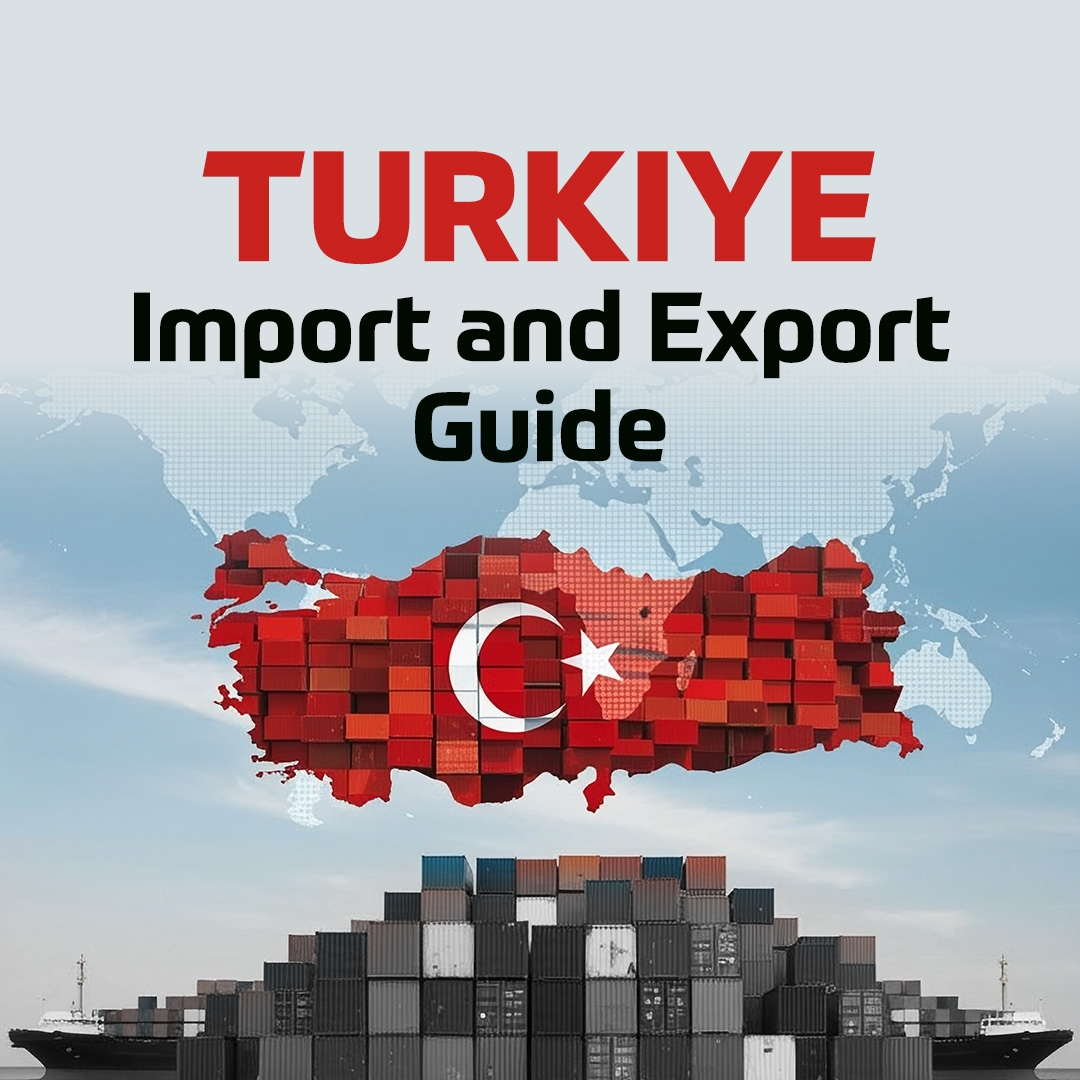
4.6. Turkey Steel Export
Turkey is one of the top steel export countries
in the Mediterranean region. Turkish mills export construction steel,
hot-rolled coils and rebar mainly to the Middle East, the EU and North Africa.
Trade agreements and proximity to demand hubs make Turkey a steel export
hotspot.
4.7. Japan Steel Export
Japan exports high-value specialty steel and
automotive-grade steel to the US, ASEAN and Europe. Its strict quality control
and technological innovation give it a unique edge in the steel export
business.
4.8. Australia Steel Export
Australia exports primarily semi-finished steel
and steel-making raw materials. Most steel exports go to Southeast Asia and
China, often integrated with mining sector logistics.
4.9. Iran Steel Exports
Despite sanctions, Iran steel exports are
growing, especially to Iraq, Afghanistan and Central Asia. Iranian exporters
often face banking and shipping challenges but remain competitive due to low
production costs.
4.10. Steel Export from India to USA
India exports flat-rolled products, pipes and
structural steel to the USA, benefiting from trade frameworks and competitive
rates. Exporters must comply with ASTM standards and US customs regulations.
5. Steel Export Process: From Farm to Market
Though the term “farm to market” is more common
in agriculture, in the context of steel, it reflects the journey from raw
material extraction to end-user application. The process includes:
- Iron Ore Mining
- Steel Manufacturing & Rolling
- Quality Testing & Packaging
- Container or Bulk Loading
- Customs Clearance
- Shipping and Final Delivery to Buyers
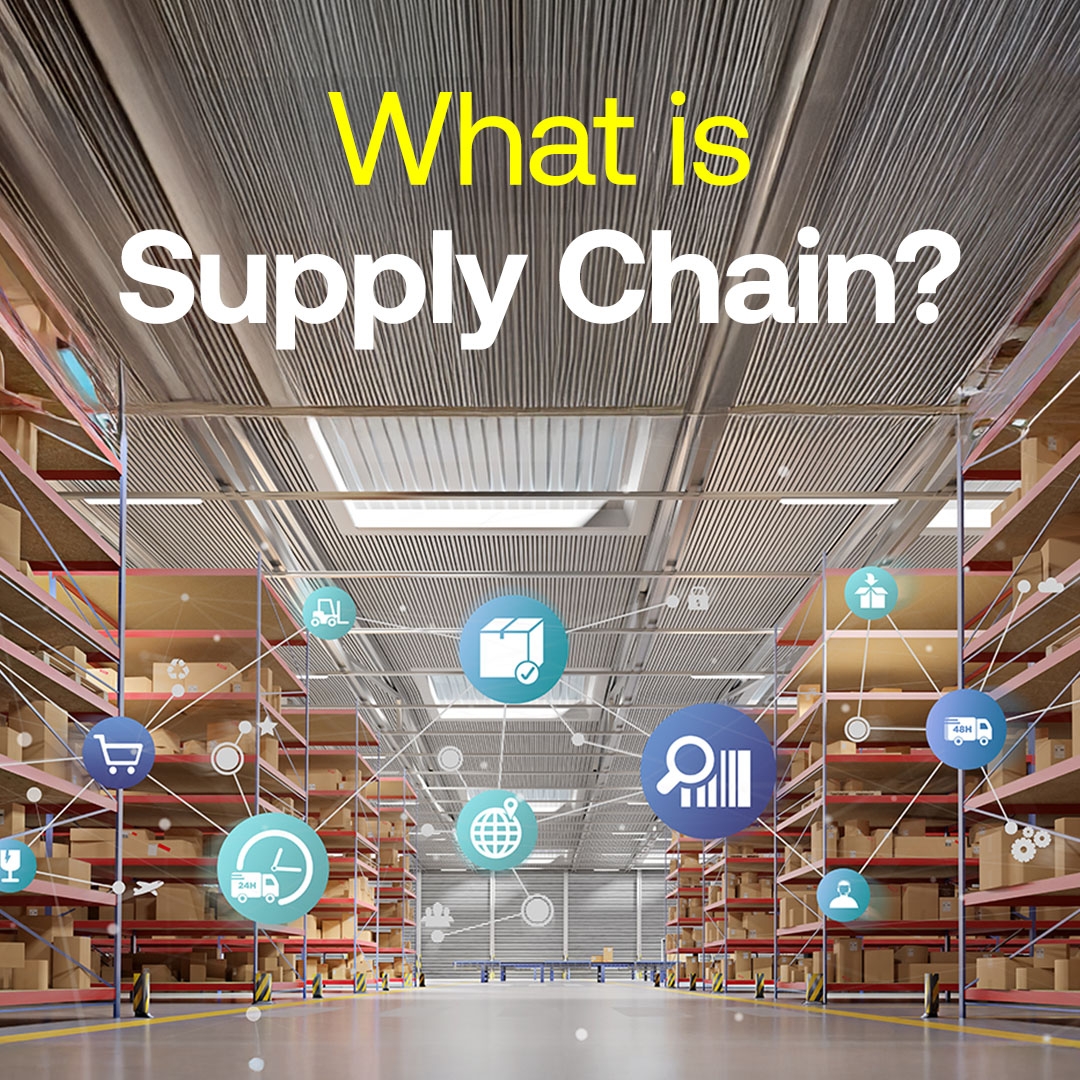
This complex supply chain involves mining
companies, steel mills, logistics providers, customs brokers and international
buyers.
6. Largest Steel Exporter in the World
As of 2025, China remains the largest steel
exporter in the world, accounting for over 100 million metric tons of annual
exports. However, India and Japan are catching up in terms of volume and value.
Exporters in these countries leverage government incentives, economies of scale
and trade agreements to dominate the market.
7. Steel Export Business Opportunities
The steel export business continues to present
significant opportunities across various sectors worldwide. With the
construction boom in emerging economies driving demand for rebar, beams, and
structural steel, exporters can secure long-term contracts in infrastructure
projects. The automotive sector is increasingly turning to lightweight and
high-strength steels, creating further room for specialized exports. Renewable
energy projects such as wind turbines and solar panel structures require
specific grades of steel, while the defense and aerospace industries demand
advanced specialty steels. Moreover, the global shift toward sustainability has
created rising demand for “green steel,” produced with lower carbon emissions.
By focusing on these high-demand areas, exporters can position themselves
competitively in international markets and benefit from the growth of top steel
export countries.
8. TradeAtlas: Your Partner in the Steel Export Business
TradeAtlas provides reliable, country-specific
steel export data, importer directories and insights into top steel exporters
worldwide. Whether you're targeting buyers in Europe, Asia or the Americas,
TradeAtlas empowers your decisions with:
- Customs shipment data
- Verified buyer and supplier contact lists
- Market trend reports and pricing analytics
- Trade intelligence customized to steel
products
With TradeAtlas, growing your steel export
business becomes faster, smarter and globally connected.
You can use the steel HS code
on the TradeAtlas search screen to identify global steel producers and
consumers, making it one of the simplest ways to connect with international
importers and exporters in the steel industry.