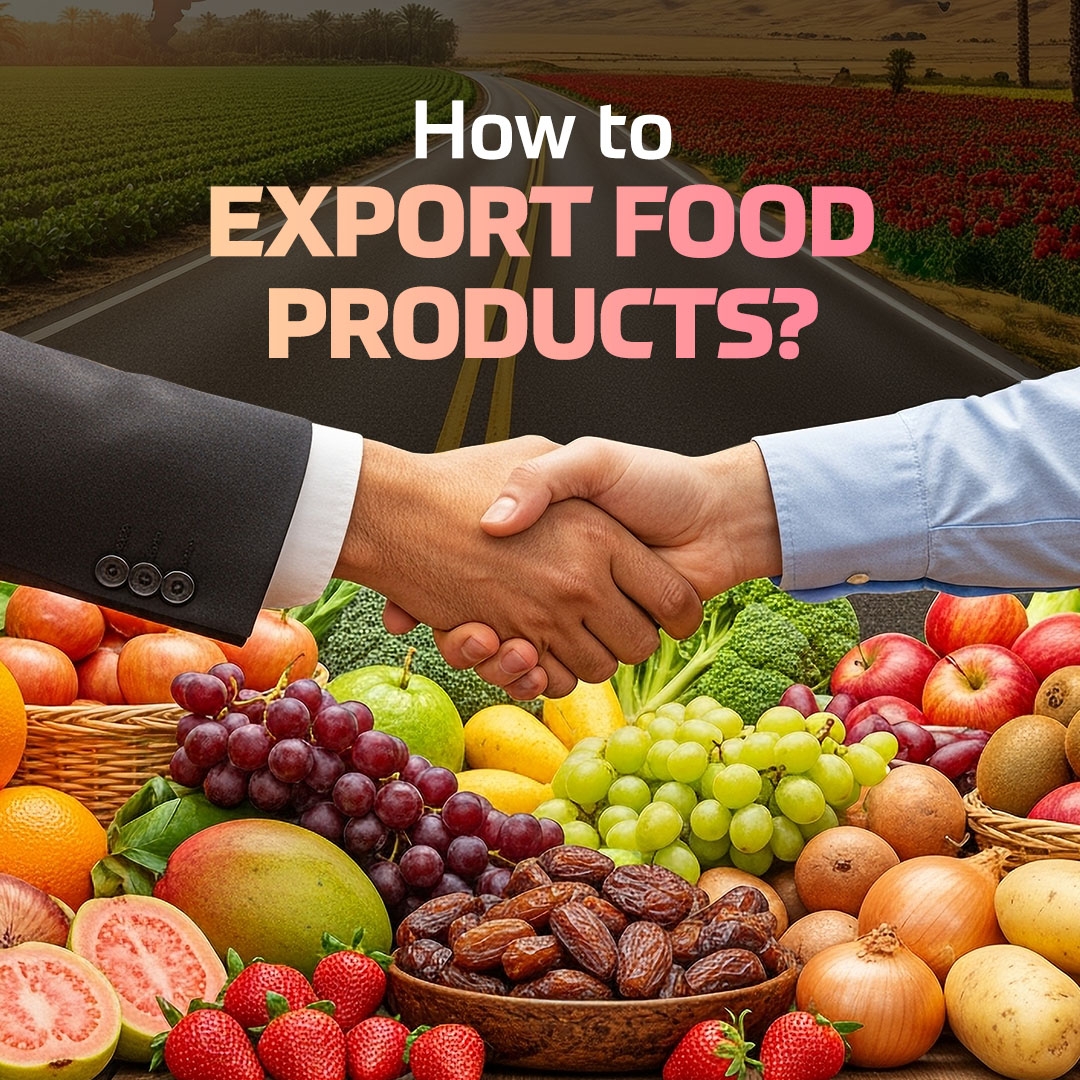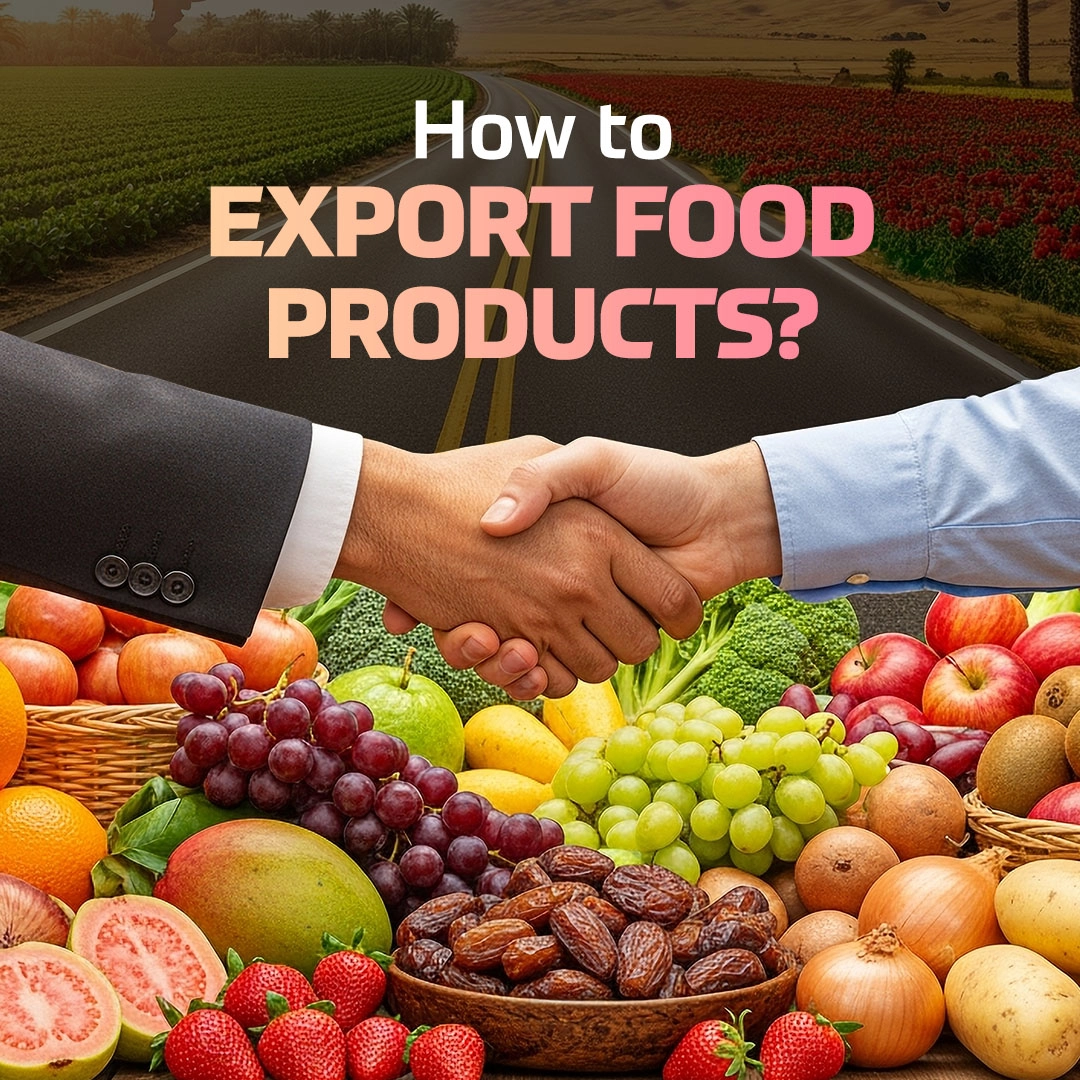
The global food trade is one of the most dynamic and fast-growing sectors in international commerce. Rising populations, changing consumption habits, and increasing demand for diverse cuisines have significantly expanded export food activities worldwide. Today, food products travel across continents through complex supply chains that involve strict regulations, certifications, and logistics planning.
Whether you
are a small producer or a large manufacturer, understanding how import
export food operations work is essential for building a sustainable
export strategy. From regulatory compliance to market selection and cold chain
logistics, food exporters must manage multiple processes simultaneously. This
guide explains how food exports work, which documents are required, and how
exporters can successfully access different international markets.
Required Documents and Regulations for Food Exports
Food
exports are subject to stricter controls than many other product categories due
to public health, safety, and quality concerns. Exporters must comply with both
domestic regulations and the import requirements of the destination country.
The most
common documents required for export food transactions include
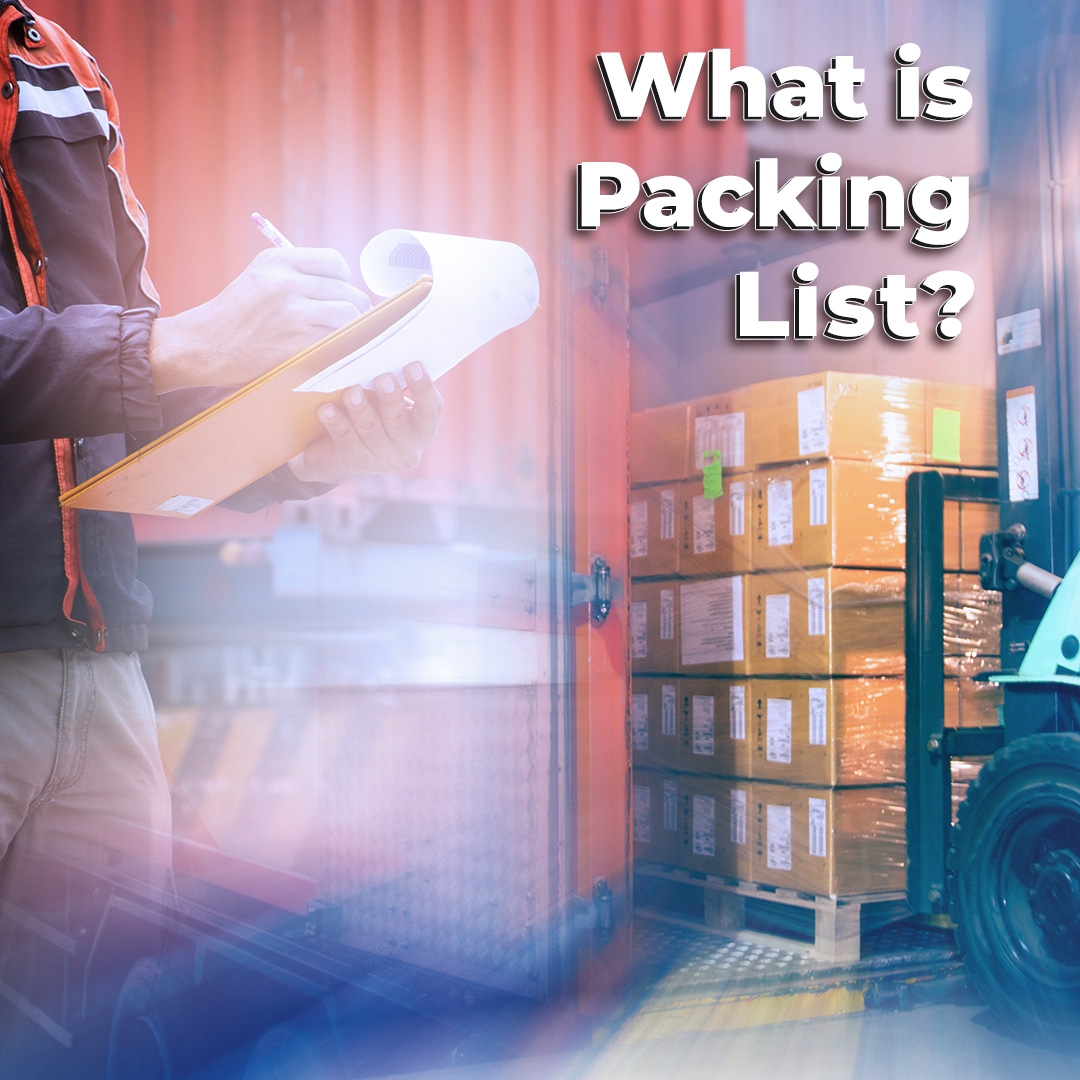
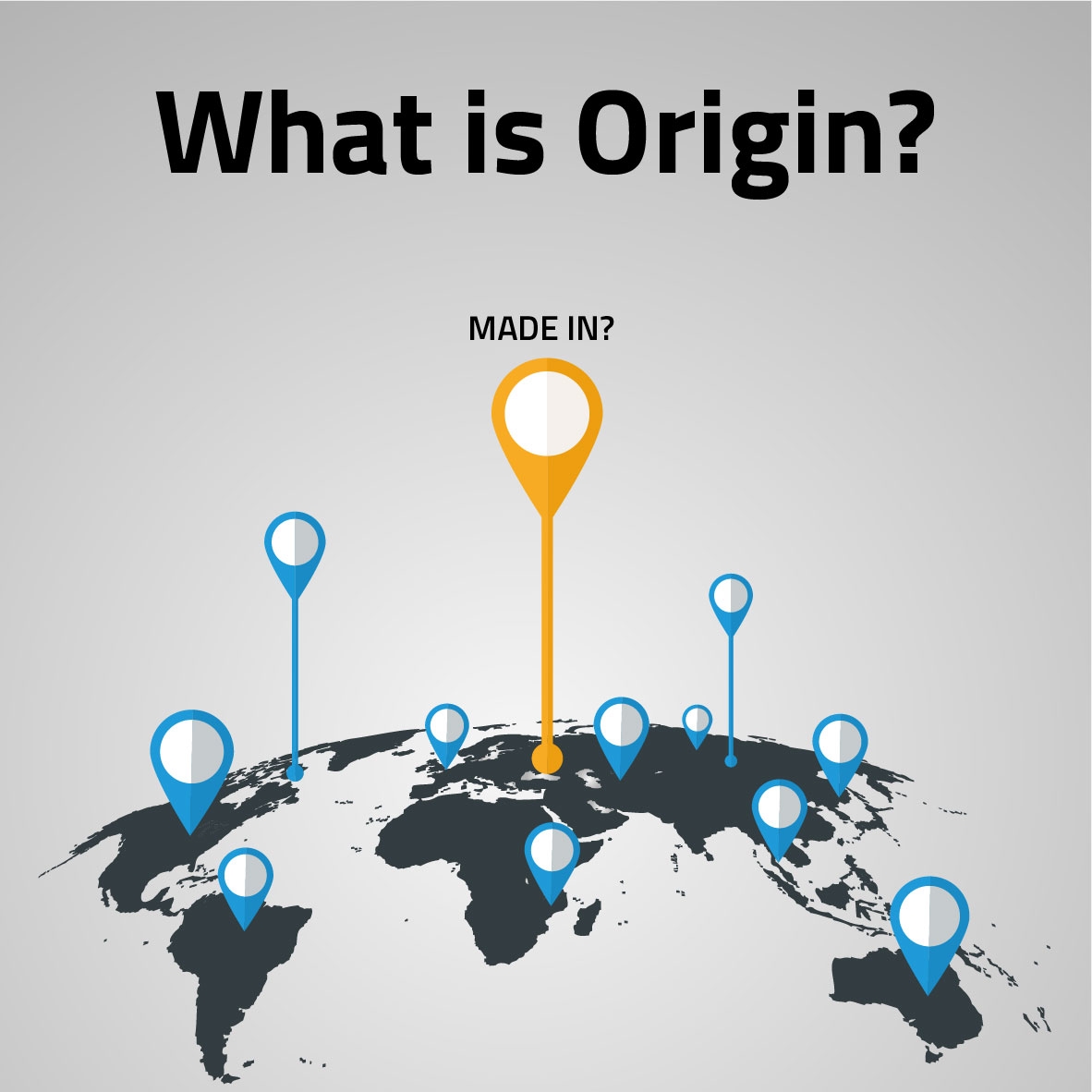
commercial invoices, packing lists, certificates of origin, and export
declarations. In addition to these standard trade documents, food exporters
often need product specific certifications such as health certificates,
phytosanitary certificates, and laboratory analysis reports.
Regulatory
compliance also plays a major role in import export food processes.
Many countries require food products to be produced in facilities approved by
official authorities. Labels must include accurate ingredient lists,
nutritional values, shelf life information, and allergen warnings. Failure to
meet these standards may result in shipment rejection or costly delays at
customs.
Exporters
should also be aware of international food safety frameworks such as HACCP and
ISO standards. These systems help ensure consistent quality and traceability
throughout the supply chain and significantly increase acceptance in foreign
markets.
Country Specific Food Export Markets
Each
destination country has its own food regulations, consumer preferences, and
import procedures. Understanding these differences is critical for exporters
aiming to expand into new markets.
Food Exports to Germany
Germany is
one of the largest food importers in Europe and a key destination for
international food exporters. As part of the European Union, Germany applies EU
wide food safety regulations, including strict labeling and traceability rules.
Food
exporters targeting Germany must comply with EU food law, which emphasizes
consumer protection and product transparency. Organic food, frozen products,
and specialty ethnic foods are among the most demanded categories. Exporters
that understand these trends can position their export food offerings
more effectively in the German market.
Food Exports to the United States
United
States represents one of the most regulated food import markets in the
world. All food products entering the US must comply with FDA regulations,
including facility registration and prior notice submissions.
For
exporters involved in import export food operations with the US,
documentation accuracy and compliance with labeling requirements are critical.
The US market offers strong opportunities for processed foods, frozen meals,
and ethnic food products. However, exporters must invest in regulatory
knowledge and quality assurance to succeed.
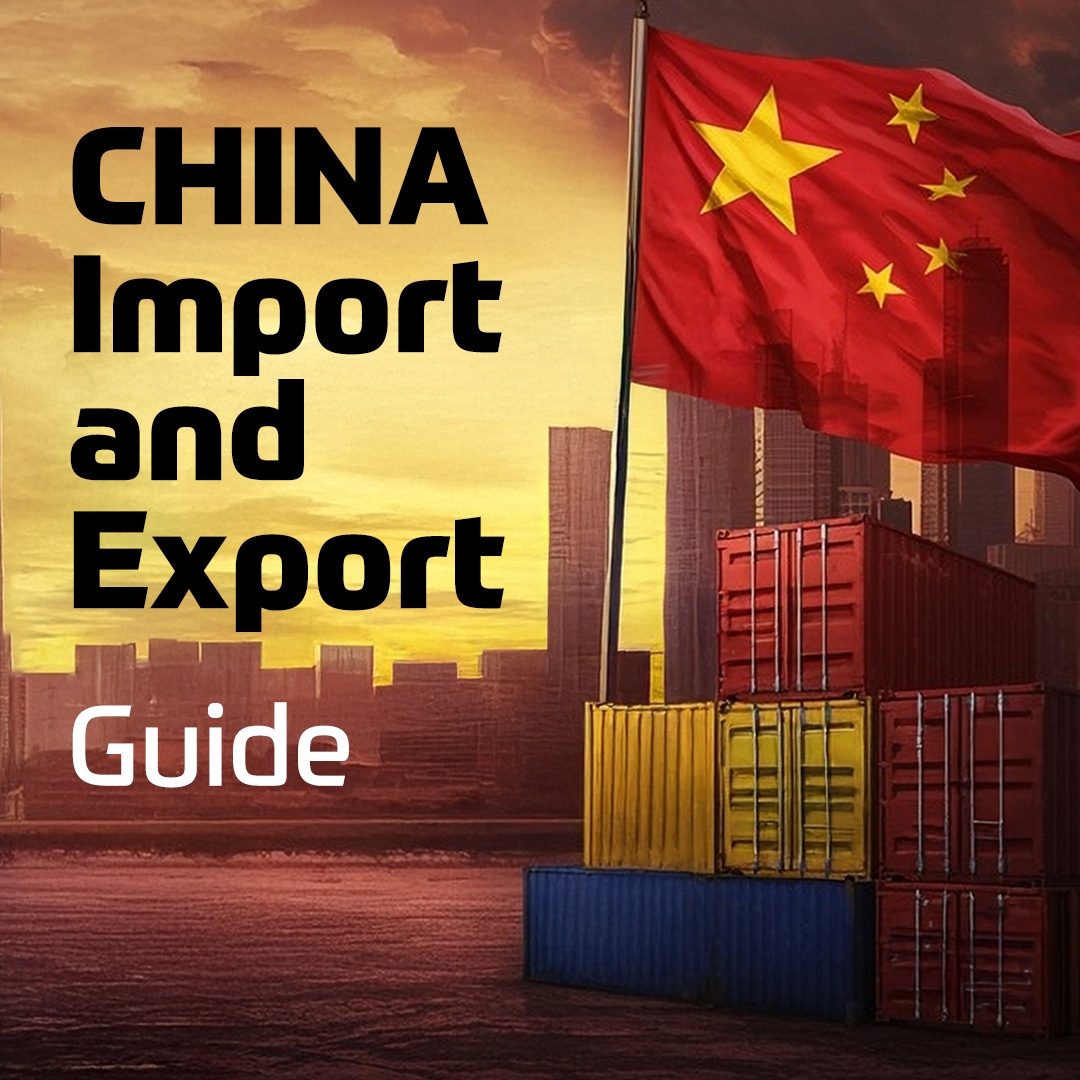
Food Exports to China
China is
a rapidly growing food import market driven by rising income levels and
changing consumer habits. Chinese authorities apply product registration
systems and strict inspection processes for imported food.
Exporters
should carefully analyze local regulations and adapt packaging and labeling to
Chinese standards. Products such as frozen foods, packaged snacks, and
specialty ingredients have seen increasing demand. Understanding market access
rules is essential for companies aiming to expand food export by
country strategies into China.
Food Exports to the United Kingdom
United
Kingdom continues to be a major food import market, particularly after
changes in trade regulations following Brexit. Exporters must comply with UK
specific customs procedures and food safety rules.
Food
exporters targeting the UK should pay close attention to documentation and
border control requirements. Products with clear origin information and
high-quality standards are more likely to succeed. The UK market remains
attractive for exporters seeking stable demand and diversified product
categories.
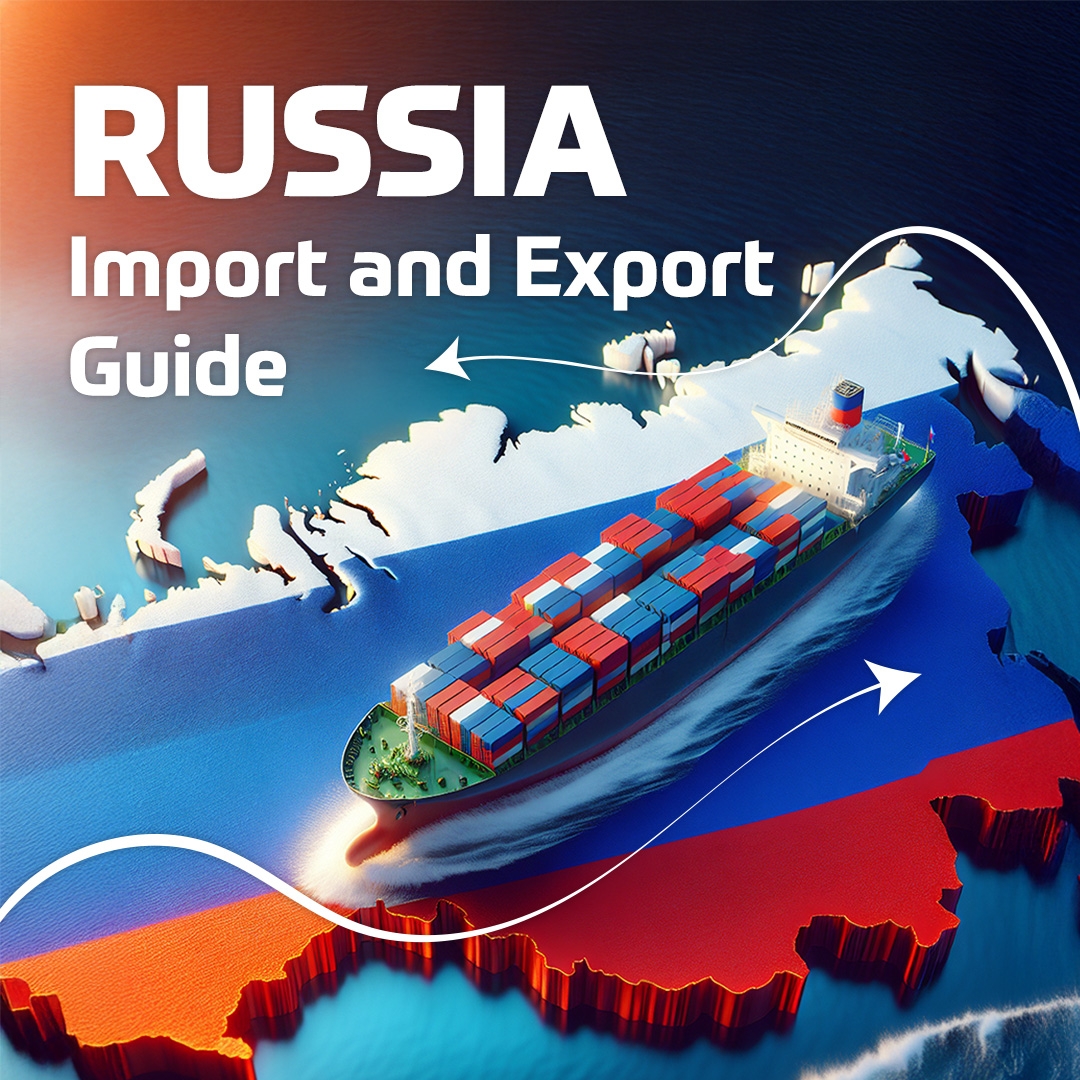
Food Exports to Russia
Russia has
long been an important food import destination, especially for agricultural and
processed food products. However, exporters must monitor trade restrictions,
sanctions, and import regulations closely.
Understanding
regulatory changes and political factors is critical for managing import
export food operations with Russia. Exporters that maintain flexibility
and strong compliance systems are better positioned to navigate this market
successfully.
Food Exports to Iraq
Iraq is
a key regional market for food exporters due to its reliance on imported food
products. Demand is particularly strong for dry, packaged, and staple foods.
Exporters
should focus on clear documentation, competitive pricing, and reliable
logistics solutions. Iraq offers strong opportunities for exporters aiming to
expand into emerging markets within the Middle East and strengthen their countries
that export food networks.
Exporting Different Types of Food Products
Different
food categories require different export approaches, particularly in terms of
packaging, storage, and transportation.
How to Export Frozen Food Products
Frozen food
exports rely heavily on temperature-controlled logistics and uninterrupted cold
chain management. Products must be frozen at specific temperatures and
maintained throughout storage and transportation.
Exporters
should work with experienced logistics partners and use temperature monitoring
systems to ensure product integrity. Regulatory compliance is also critical, as
many countries require detailed documentation on storage conditions. Frozen
food exports represent a high value segment within export
food markets when managed correctly.
How to Export Dry and Packaged Food Products
Dry and
packaged food products generally offer longer shelf life and simpler logistics
compared to frozen foods. However, labeling accuracy, packaging durability, and
quality consistency remain essential.
Exporters should ensure that
packaging protects products from moisture, contamination, and physical damage.
Clear labeling and compliance with destination country regulations are key
success factors in international food trade and other major exporting regions.
Frozen food and dry packaged goods often require different export planning, but both categories are heavily influenced by supplier countries that have strong production capacity and established trade routes. Food export from India is a clear example of this, as India supplies global markets with a wide range of dry food, packaged products, spices, and processed agricultural goods, making it a frequent reference point when planning product positioning and buyer targeting.
Logistics, Cold Chain, and Trade Operations
Efficient
logistics form the backbone of successful food exports. Exporters must
coordinate transportation modes, warehousing, customs clearance, and delivery
schedules to maintain product quality and meet buyer expectations.
Cold chain
logistics are especially important for perishable products. Temperature
controlled containers, refrigerated warehouses, and real time monitoring
systems help minimize risks. Exporters engaged in import export
food operations should also plan for potential delays and develop
contingency strategies.
Trade
operations involve contract management, payment terms, and risk mitigation.
Exporters should select appropriate Incoterms, secure trade finance solutions,
and work with reliable partners to ensure smooth transactions across borders.
How TradeAtlas Supports Food Exporters
TradeAtlas
offers data driven solutions designed to simplify global food trade and support
exporters at every stage of the process. By providing access to verified trade
data, exporter and importer insights, and market specific analytics, TradeAtlas
enables companies to identify high potential markets and reliable partners.
With
TradeAtlas, exporters can analyze food export by country trends,
monitor competitor activity, and explore new opportunities in global food
markets. The platform supports strategic decision making by transforming
complex trade data into actionable intelligence.
For
companies aiming to strengthen their export food strategies and
expand international reach, TradeAtlas serves as a powerful partner in
navigating global food trade with confidence.
To gain deeper insights into international
food trade flows, identify reliable buyers and suppliers, and analyze market
trends with confidence, exporters can leverage global trade
data to support smarter and more strategic export decisions.