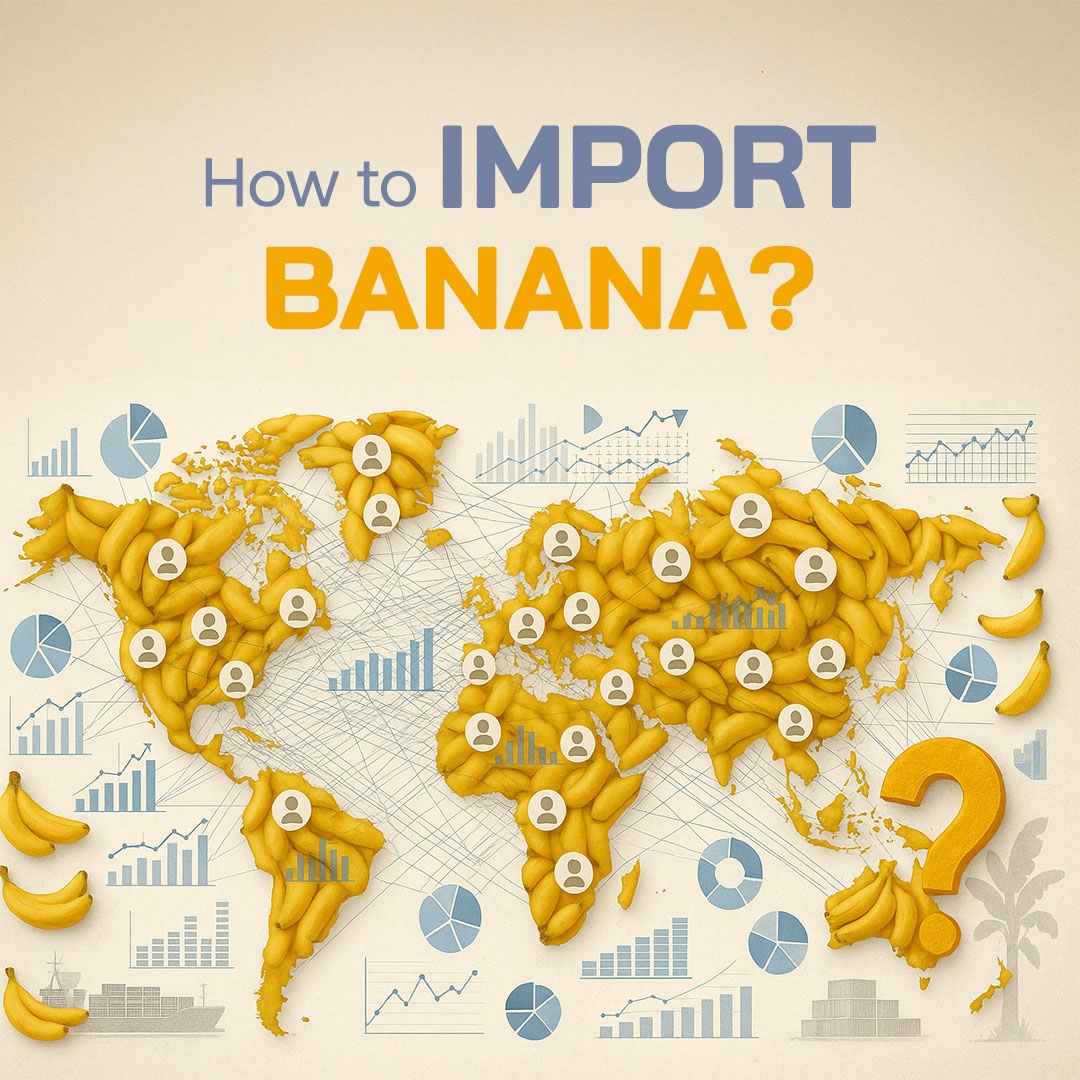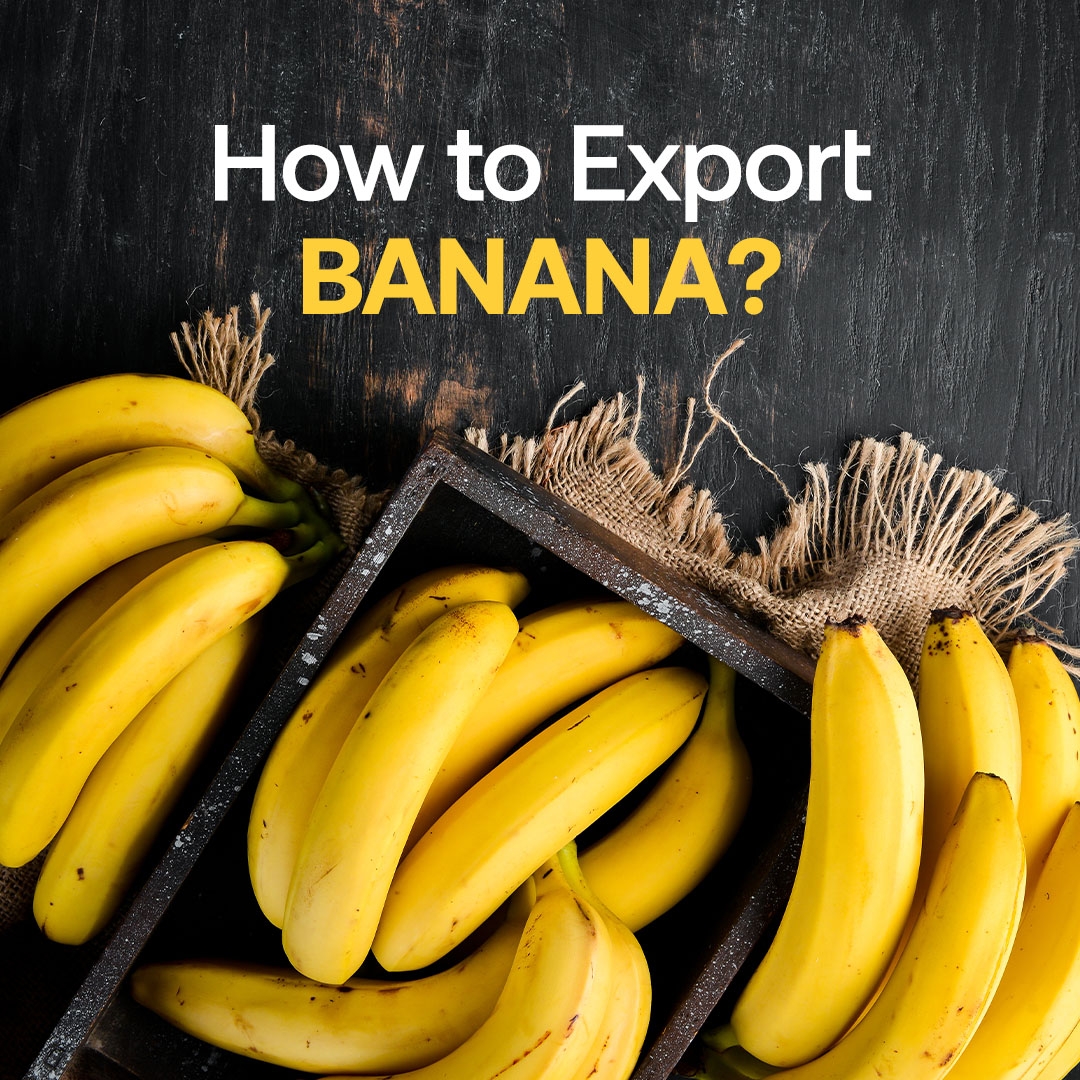
Bananas are one of the world’s most consumed fruits, known for their nutritional value and easy availability. With global demand consistently high, the banana import market has become a profitable venture for traders, wholesalers and retailers alike. This comprehensive guide explains the essential steps, documentation, top banana import countries and business opportunities for anyone looking to tap into the banana import export industry.
Steps to Import Banana Successfully
Importing bananas requires a structured
approach to ensure product quality, compliance with regulations and profitable
distribution. Here’s how to get started:
1. Market Research: Analyze global trends, identify high-demand
banana import countries and study seasonal fluctuations and consumption
patterns.
2. Find Reliable Suppliers: Partner with certified exporters in
major banana-producing countries such as Ecuador, the Philippines, India and
Costa Rica.
3. Negotiate Contracts: Draft clear agreements covering
product quality standards, packaging, shipping terms and payment methods.
4. Arrange Logistics: Choose appropriate shipping methods
(usually reefer containers for freshness) and plan transit times carefully.
5. Comply with Regulations: Ensure your shipment meets both the
export requirements of the source country and the import requirements of the
destination.
6. Quality Inspection: Inspect the consignment before
loading and upon arrival to guarantee that the bananas are free from damage or
pests.
7. Distribution: Develop a supply chain plan for fast delivery
to wholesale markets, retailers or end consumers to preserve fruit freshness.
Banana Import Procedures and Documentation
Proper documentation is crucial for smooth
customs clearance. Common paperwork for a banana import includes:
Commercial Invoice: Details about the buyer, seller, shipment and
payment terms.
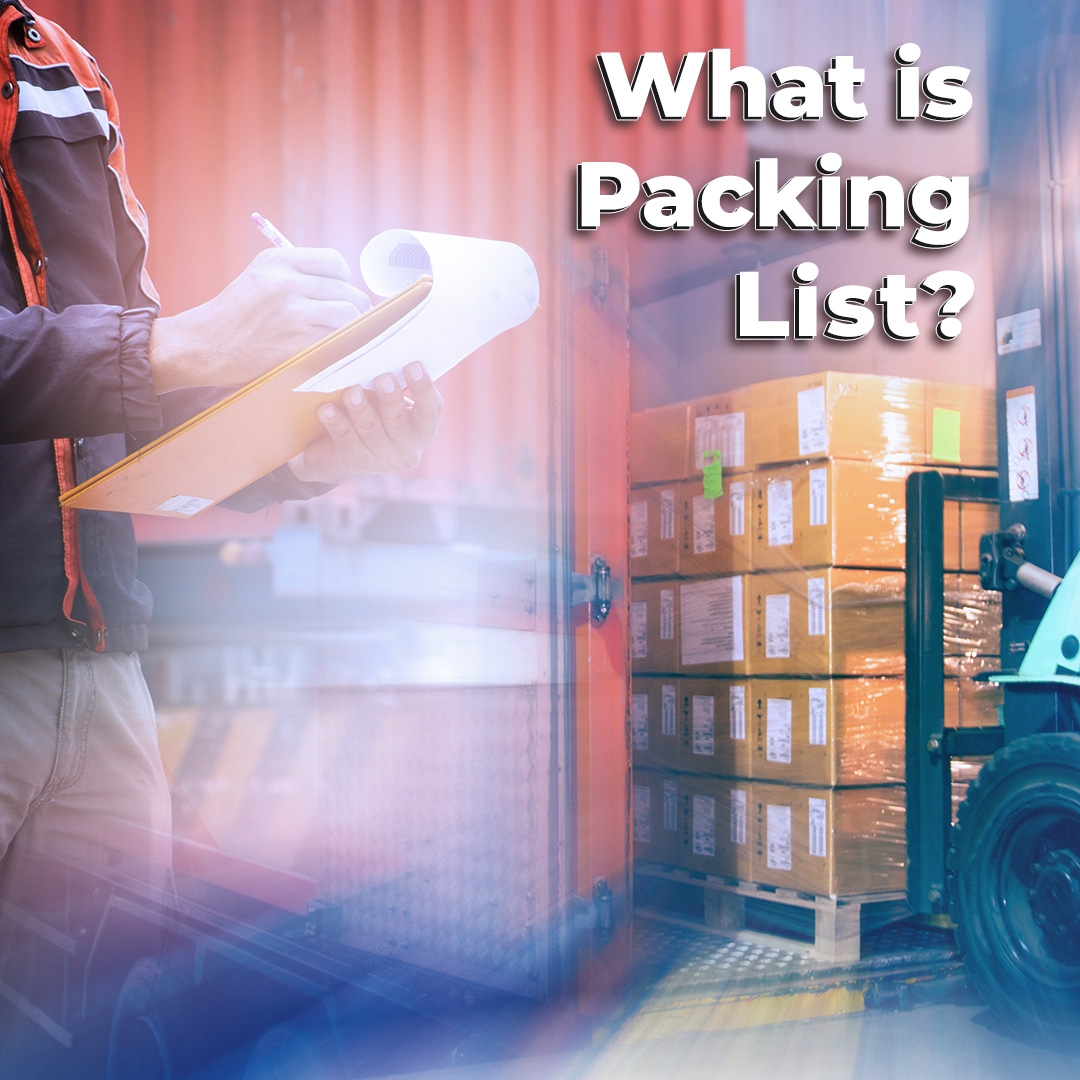
Packing List: Specifies the quantity, weight and packaging
details.
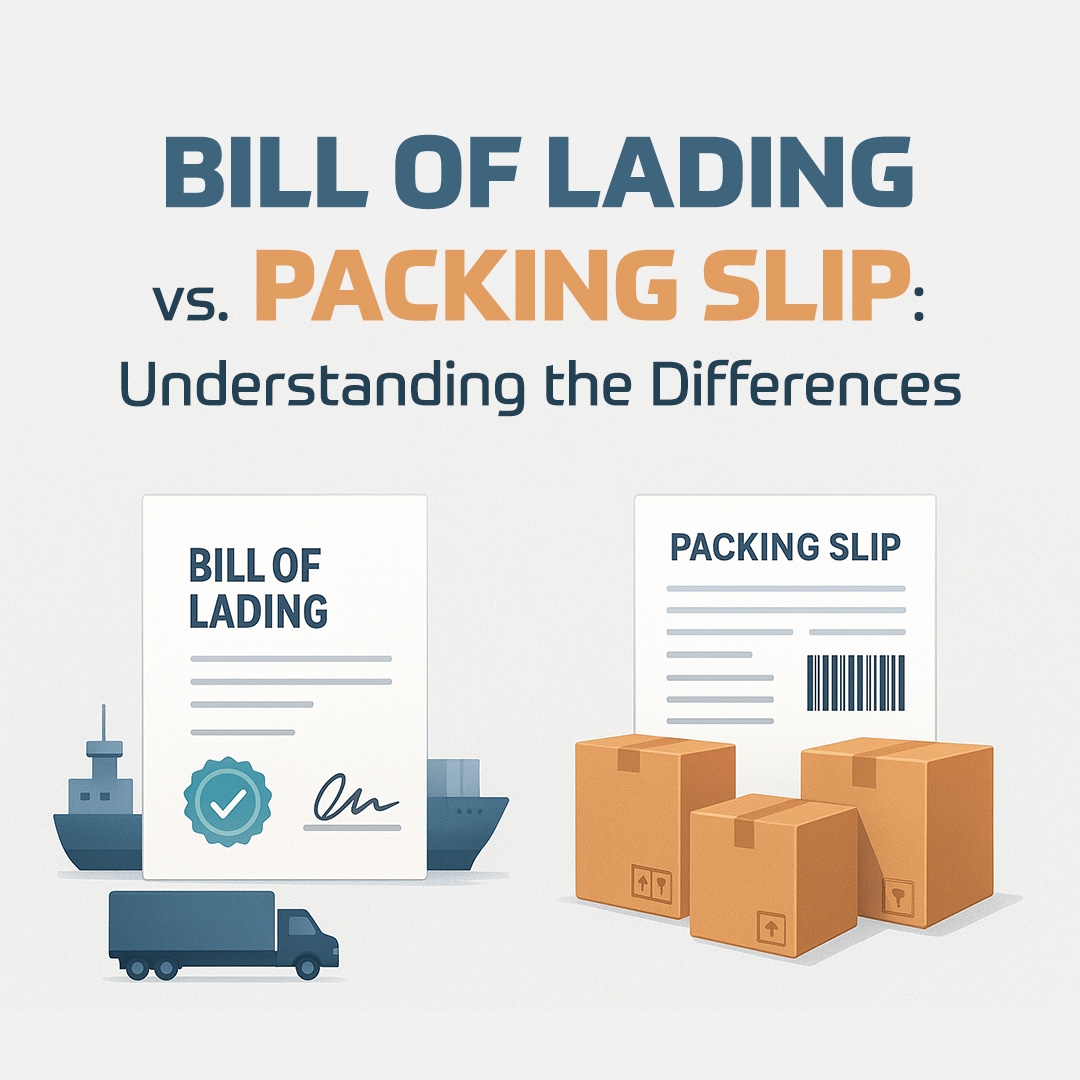
Bill of Lading: Proof of shipment and ownership.
Phytosanitary Certificate: Verifies that the bananas comply
with plant health standards.
Certificate of Origin: Indicates the exporting country.
Import License: Required in some countries to legally bring in
fresh produce.
Customs Declaration: Completed as per local customs
regulations.
Staying compliant minimizes delays and ensures
the bananas reach the market while still fresh.
Key Importers for Banana Import
Understanding your potential markets helps
maximize profits. Here are some key banana import countries and their
importers:
Banana Importers in Iran
Iran imports significant quantities of bananas
to meet domestic demand. Many importers work with suppliers from India and the
Philippines, handling distribution to local wholesalers and retailers.
Banana Importers in USA
The USA is one of the largest banana import
markets. Major importers include large retail chains, grocery distributors and
specialized fresh produce companies that source primarily from Central and
South America.
Banana Importers in Dubai
Dubai acts as a regional hub for banana import
and export. Many trading companies import bananas and re-export them to
neighboring GCC countries.
Banana Importers in Saudi Arabia
Saudi Arabia’s high fruit consumption drives
strong demand for bananas. Leading importers manage large volumes and have
well-established cold chain logistics.
Banana Importers in Oman
Omani importers often source from India due to
proximity and price competitiveness. Bananas are distributed to local markets
and supermarkets.
Banana Importers in Russia
Russia imports bananas mainly from Ecuador and
the Philippines. Importers work with major European ports to facilitate transit
and storage.
Banana Importers in UAE
The UAE, especially Dubai and Abu Dhabi, has a
robust demand for fresh bananas. Importers focus on quality, timely arrivals
and regional re-export opportunities.
Banana Importers in Kuwait
Kuwaiti traders import bananas for domestic
consumption and are known for sourcing high-quality produce to meet premium
retail standards.
Banana Importers in Qatar
Qatar’s growing population and food security
initiatives have boosted its banana import volumes. Importers partner with
global suppliers for year-round supply.
Banana Importers in Singapore
Singapore is a key banana import and export hub
in Southeast Asia. Importers supply bananas to local wet markets, supermarkets
and food service businesses.
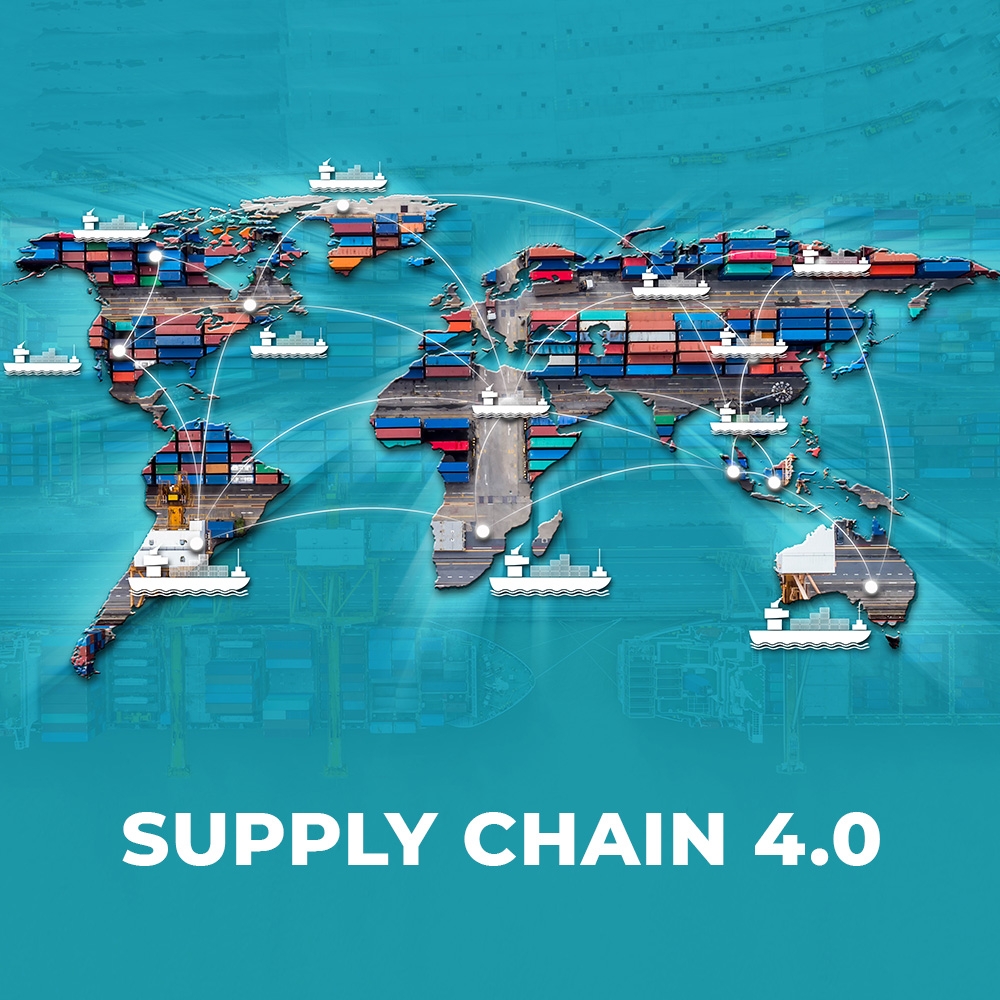
Banana Import Process: From Farm to Market
Understanding the supply chain is vital for a
successful banana import operation. Bananas are carefully harvested while still
green but mature enough to ripen naturally during transit. After harvesting,
they undergo pre-cooling and packing, where the fruits are washed, graded and
packed in ventilated boxes to maintain quality. They are then transported in
refrigerated containers, also known as reefer containers, which help regulate
the temperature and extend the shelf life throughout the journey. Upon arrival
at the destination port, the shipment goes through customs clearance, which
includes inspection and document verification to ensure compliance with import
regulations. Many importers operate specialized ripening facilities to control
when and how the bananas reach peak ripeness, making them ready for the market
at the perfect time. Finally, the bananas are distributed to wholesalers,
retailers, supermarkets or directly to food service businesses, ensuring
consumers enjoy fresh, high-quality fruit.
Banana Import Business Opportunities
The banana import export sector presents
various lucrative business opportunities for traders and entrepreneurs. One
option is to establish strong retail supply partnerships with supermarket
chains, ensuring steady and large-volume demand. Alternatively, businesses can
focus on wholesale distribution, supplying fresh bananas to local fruit
markets, restaurants and catering services. Investing in value addition, such
as setting up ripening chambers or offering branded, premium-quality packaging,
can help differentiate products in competitive markets. Another promising
avenue is using major trade hubs like Dubai or Singapore as re-export centers,
allowing traders to redistribute bananas to neighboring regions efficiently.
Additionally, the growing trend of online shopping creates opportunities to
launch e-commerce platforms that deliver fresh bananas and other tropical
fruits directly to consumers’ doorsteps. With a solid strategy, reliable
supplier relationships and effective logistics, entrepreneurs can successfully
tap into the global banana import export market and build a sustainable,
profitable business.
How TradeAtlas Can Help with Banana Import
Navigating the banana import export process can
be challenging without the right tools and data. TradeAtlas provides
comprehensive global trade data, verified supplier and importer lists and
up-to-date market insights for the fruit industry. By using TradeAtlas, you
can:
- Identify trusted banana import partners in
target countries.
- Access historical trade volumes and shipment
details.
- Compare supplier offers and negotiate better
deals.
- Stay informed about new market opportunities.
Whether you’re starting a banana export business or expanding your distribution network, TradeAtlas equips you with
actionable intelligence to grow confidently in the global banana trade.
You can search global banana supplier companies
using the banana HS code
on the TradeAtlas search screen. It is one of the easiest ways to reach global
imports and exporters in the international banana industry.