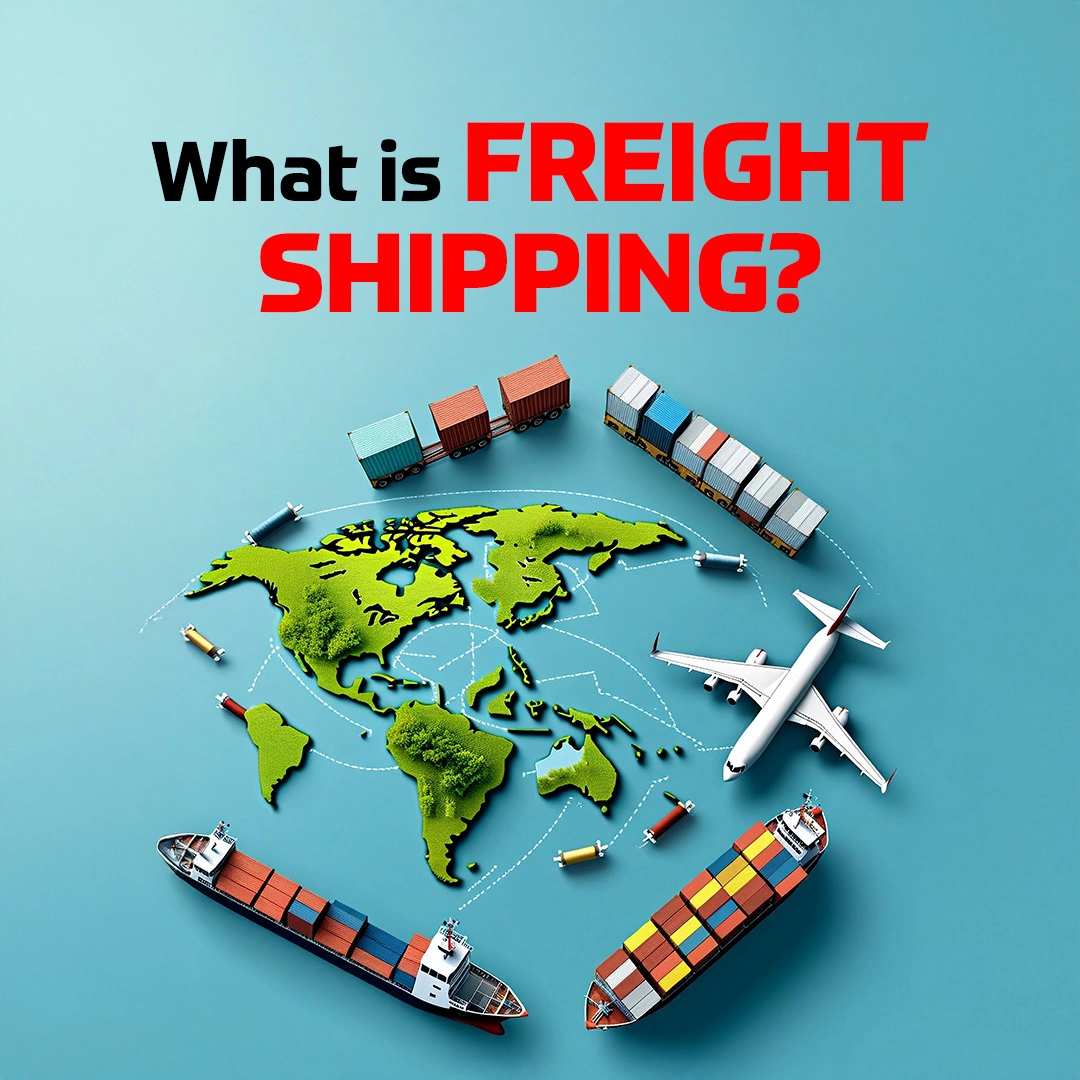
Freight shipping is one of the most essential components of global trade, allowing businesses to move large volumes of goods across cities, countries and continents. Whether products are transported by air, land or sea, freight services ensure that supply chains continue to operate smoothly and efficiently. Today, companies rely heavily on freight shipping and logistics to maintain a competitive advantage, reduce delivery times and reach international markets. Understanding how freight shipping works, which modes are available and how to estimate freight shipping cost can make a significant difference in business performance.
1. What are the Key Aspects of Freight Shipping?
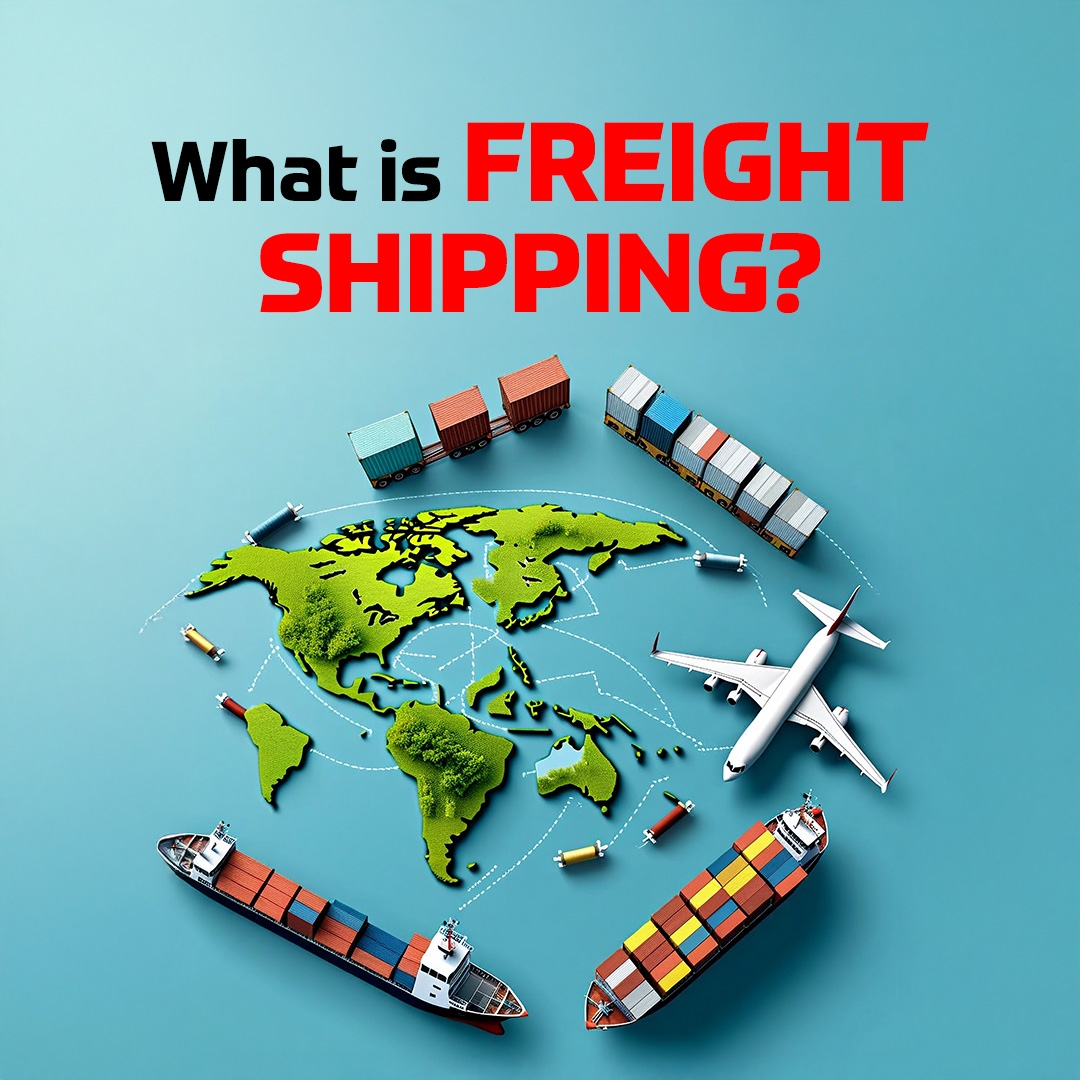
Freight shipping refers to the transportation
of goods in large quantities, usually packed in pallets, crates or containers.
Several fundamental aspects define modern freight transport systems, especially
within global freight shipping networks.
First, freight shipping involves the movement
of cargo through multiple transit points, such as warehouses, ports and
distribution centers. These movements rely on coordinated planning between
carriers, freight forwarders, customs brokers and logistics companies.
Second, the scale of the cargo differentiates
freight shipping from parcel delivery. Unlike small packages, bulk freight
shipping typically handles oversized, heavy or commercial goods that require
specialized handling.
Third, freight transport often includes both
domestic and international freight shipping, meaning goods may cross
borders and undergo customs procedures. This requires careful documentation,
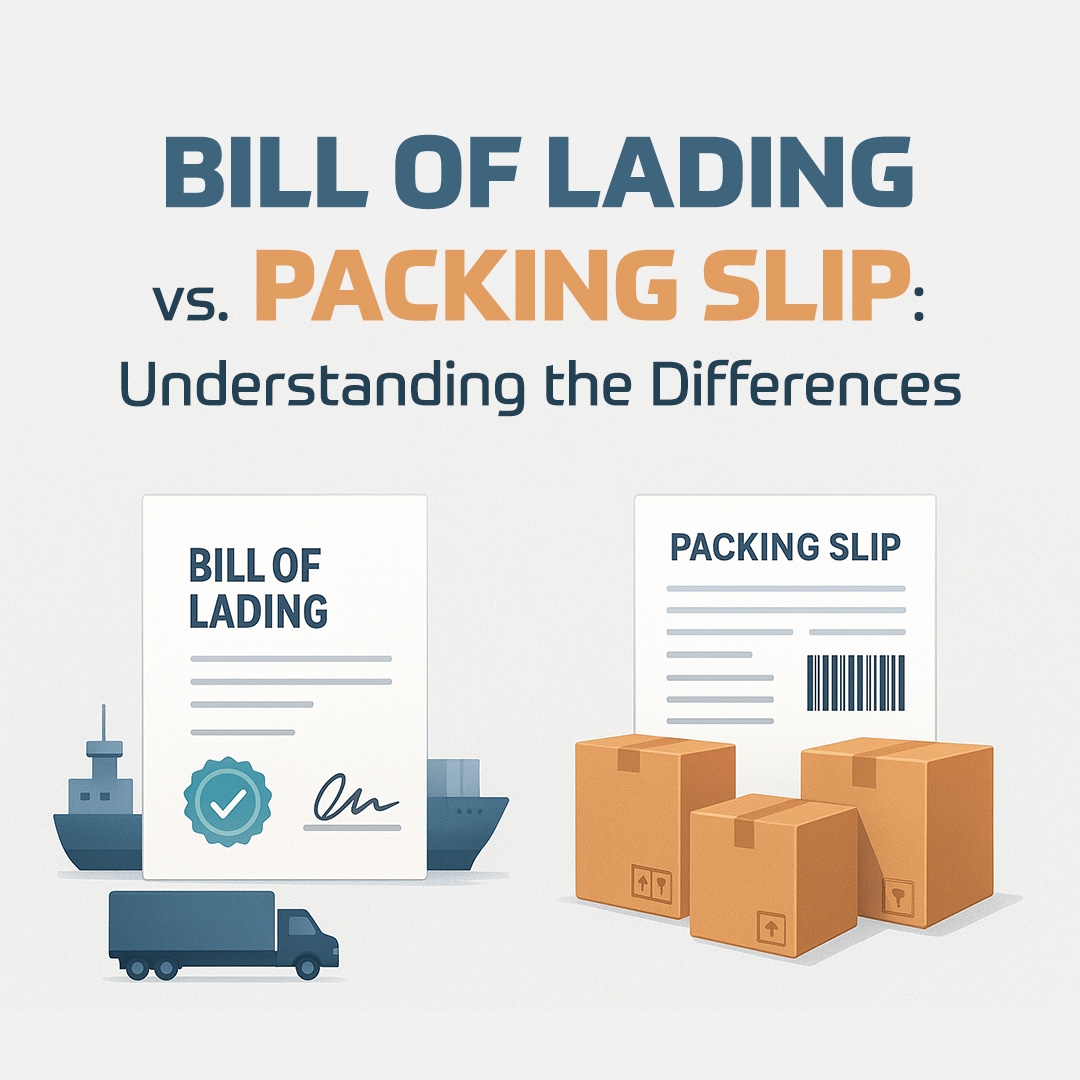
such as commercial invoices, packing lists, bills of lading, certificates of
origin and customs declarations.
Finally, the efficiency of freight transport
depends on optimized routes, consolidation of cargo and cost-effective modes.
These factors directly impact transit time, freight rates and overall supply
chain management.
2. What are the Benefits of Freight Shipping?
Freight shipping provides numerous benefits for
companies of all size, whether they move small shipments or large loads across
long distances. Some of the most important advantages include:
Cost Efficiency: Shipping goods in bulk reduces the cost per
unit, making bulk freight shipping a strategic choice for businesses
that need to minimize transportation expenses.
Scalability: Freight carriers offer solutions for all
business sizes, from small freight shipping to full-container loads. This
flexibility helps companies respond to market demand and seasonal changes.
Global Reach: With freight shipping overseas solutions
available worldwide, businesses can expand their customer base and access new
markets without geographic limitations.
Reliability: Professional carriers follow standardized
procedures and advanced tracking systems, providing predictable transit times,
cargo monitoring and safe handling.
Versatility: Businesses can choose among various transport
modes, air, sea, rail and truck, based on cost, speed and shipment
characteristics.
Customizable Services: Many logistics companies offer
specialized services such as temperature-controlled containers, express freight
and consolidation options.
Overall, freight shipping helps companies
reduce costs, increase reliability and operate more efficiently in a
competitive global marketplace.
3. What are Freight Shipping Modes?
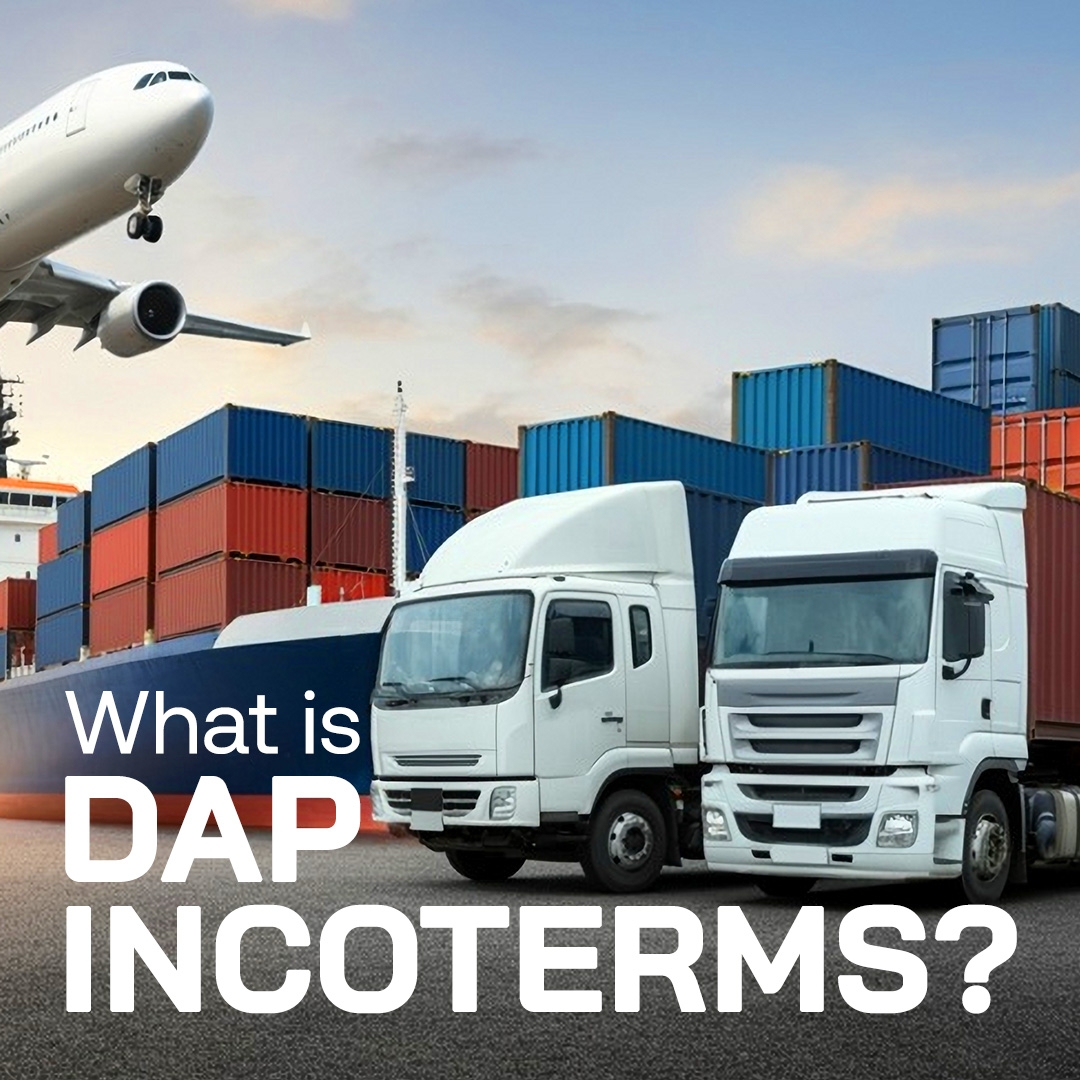
Freight shipping includes several
transportation options, each suited to specific cargo types and business goals.
The main modes are:
Sea Freight: Sea transport is ideal for freight shipping
international or freight shipping overseas routes. It is the most
cost-effective method for sending large or heavy goods across long distances.
Sea freight is commonly used for raw materials, machinery, vehicles and full
container shipments.
Air Freight: Air freight is the fastest option for
time-sensitive or high-value shipments. Although more expensive, it offers
quick global delivery and is especially useful for electronics, pharmaceuticals
and urgent business supplies.
Road Freight: Trucking is widely used for domestic transport
and cross-border deliveries. It supports both small freight shipping and large
commercial loads. Road freight ensures flexibility, door-to-door delivery and
short transit times within regions.
Rail Freight: Rail is ideal for moving heavy industrial
goods, bulk materials and large quantities over long distances. It is more
cost-effective and environmentally friendly compared to road or air.
Multimodal Freight: Multimodal transport combines two or more
modes, such as sea + road or air + truck, to create an optimized shipping
solution. This model reduces interruptions and ensures faster cargo movement
across the supply chain.
4. How to Estimate Freight Shipping Costs?
Understanding how to estimate freight
shipping cost allows businesses to plan budgets accurately and negotiate
better rates. Freight costs depend on several factors:
- Shipment Weight and Volume: Carriers calculate charges based on
actual weight or dimensional (volumetric) weight, whichever is higher. Larger
shipments naturally cost more.
- Shipping Distance: Longer distances increase
transportation expenses, especially for global freight shipping or
intercontinental routes.
- Mode of Transport: Air freight is usually the most
expensive, while sea freight is cost-effective for heavy or bulky shipments.
- Cargo Type: Special cargo, such as hazardous materials,
perishables, or oversized goods, requires additional handling and
documentation.
- Customs Duties and Taxes: Cross-border shipments must comply
with customs regulations. Duties vary depending on the country, product
classification and value.
- Fuel Surcharges: Fuel price fluctuations directly affect
freight rates.
- Insurance: Insurance is optional but highly recommended
for valuable goods, adding an extra layer of cost.
Businesses often use online calculators,
freight forwarders or supply chain management platforms to estimate total
expenses more accurately.
5. Tips for Choosing the Right Freight Shipping Service
Choosing the right freight shipping service is
essential for ensuring fast, reliable and cost-effective delivery. Businesses
should begin by identifying their shipment needs, including whether they
require small freight shipping, full-container loads, express options or
specialized handling. It is also important to compare different transport
modes, air, sea, road or rail, based on cost, transit time and cargo
characteristics, especially for international freight shipping or freight
shipping overseas operations.
Evaluating the reputation of carriers and their
experience in freight shipping and logistics helps ensure that shipments are
handled professionally and delivered safely. Companies should also review terms
and conditions, including incoterms, liability limits and customs
responsibilities, to avoid unexpected complications. Additional services such
as warehousing, packaging, pickup and customs clearance can simplify operations
and improve overall efficiency.
Finally, requesting multiple quotes enables
businesses to estimate freight shipping costs accurately and select the most
suitable provider for their global freight shipping needs.
6. TradeAtlas: Supporting Your Freight Shipping Decisions
TradeAtlas is a powerful platform that provides
import and export data from more than 200 countries, helping businesses analyze
markets, identify buyers, evaluate competitors and optimize freight shipping
and logistics strategies. With millions of shipment records obtained from
official customs documents and bills of lading, TradeAtlas enables users to see
which companies trade which products, at what prices, in what quantities and
through which ports.
This data-driven insight helps importers and
exporters reduce risks, plan freight shipping international operations more
efficiently and strengthen their global supply chain decisions. Whether you are
exploring global freight shipping opportunities or expanding your
network overseas, TradeAtlas provides accurate and actionable intelligence to
support your business.
7. Frequently Asked Questions About Freight Shipping
Understanding the basics of freight shipping
is essential for businesses managing domestic or international freight shipping
operations. Below are some of the most common questions companies ask when
navigating global freight shipping, helping them make informed decisions about
transit times, cargo types and the differences between standard delivery and
bulk freight shipping services.
7.1. What is considered freight shipping?
Freight shipping refers to the transportation
of commercial goods in bulk using trucks, ships, planes or trains. It differs
from parcel shipping in scale, weight and handling requirements.
7.2. How fast is freight shipping?
Transit time depends on the shipping mode. Air
freight takes 1-5 days, road freight can take 1-7 days and freight shipping
overseas by sea may take several weeks.
7.3. What is the difference between delivery and freight shipping?
Delivery typically refers to small packages
sent to consumers, while freight shipping involves larger commercial cargo
shipped through complex logistics networks.
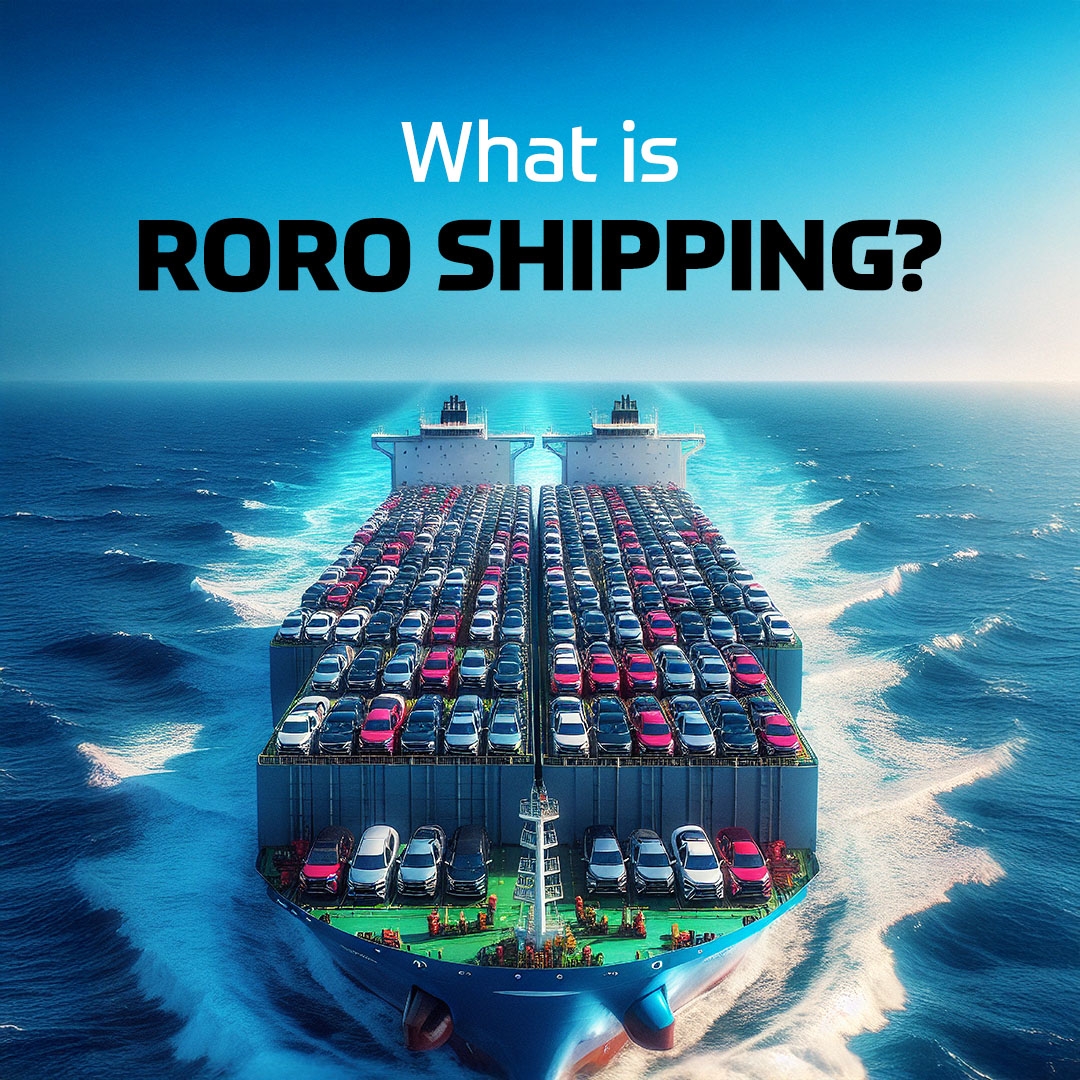
To learn more about RORO shipping companies, you can read our blog post "What is RoRo Shipping?".