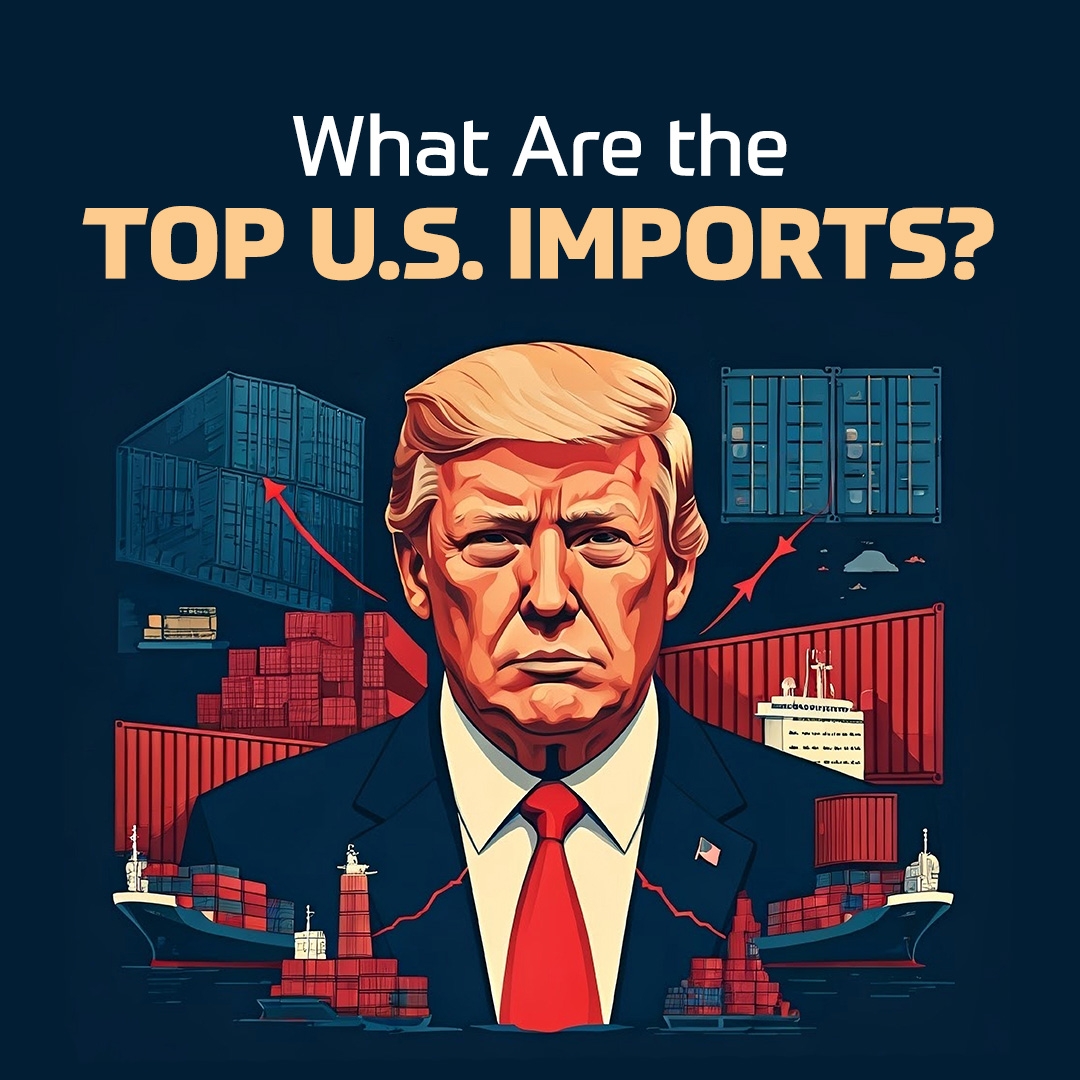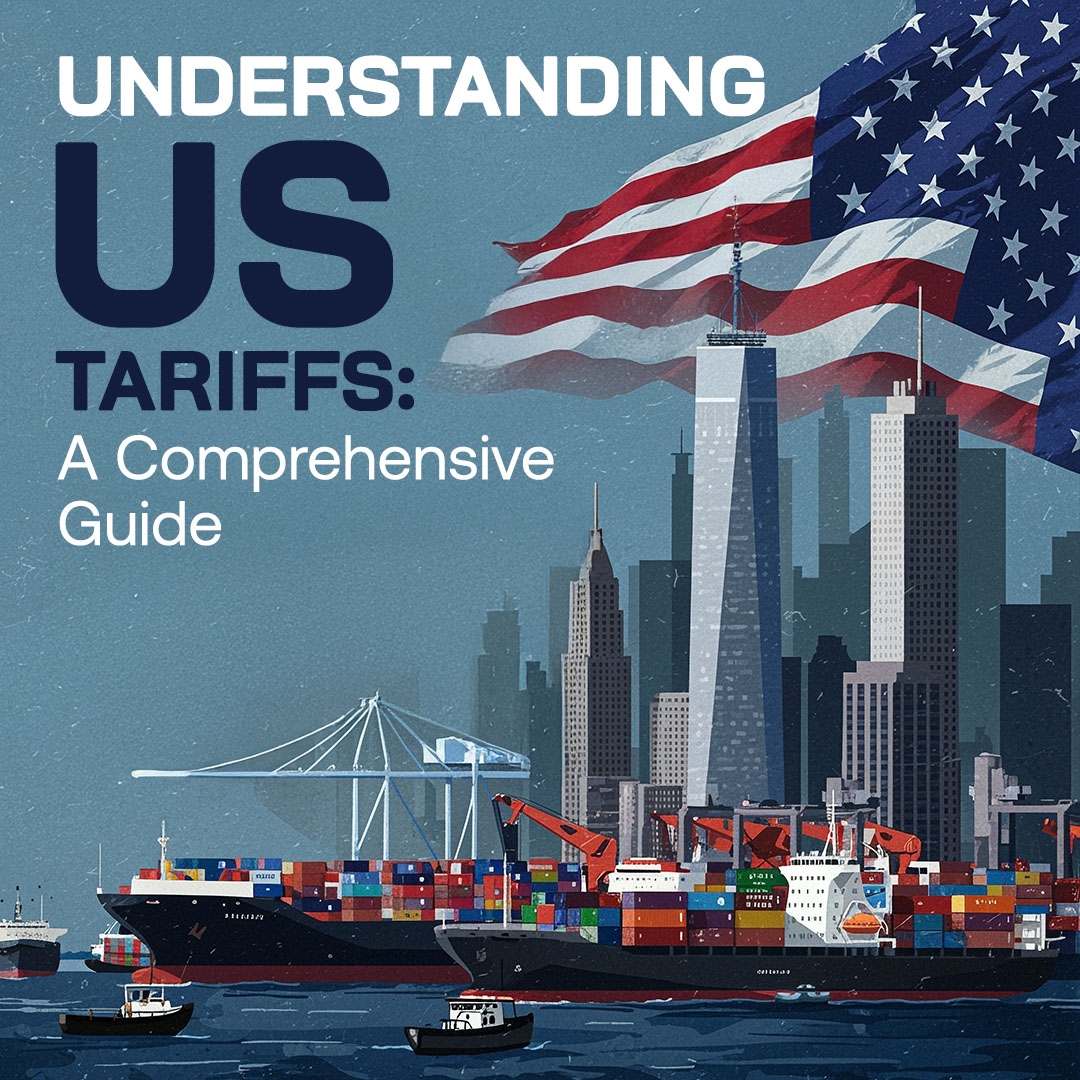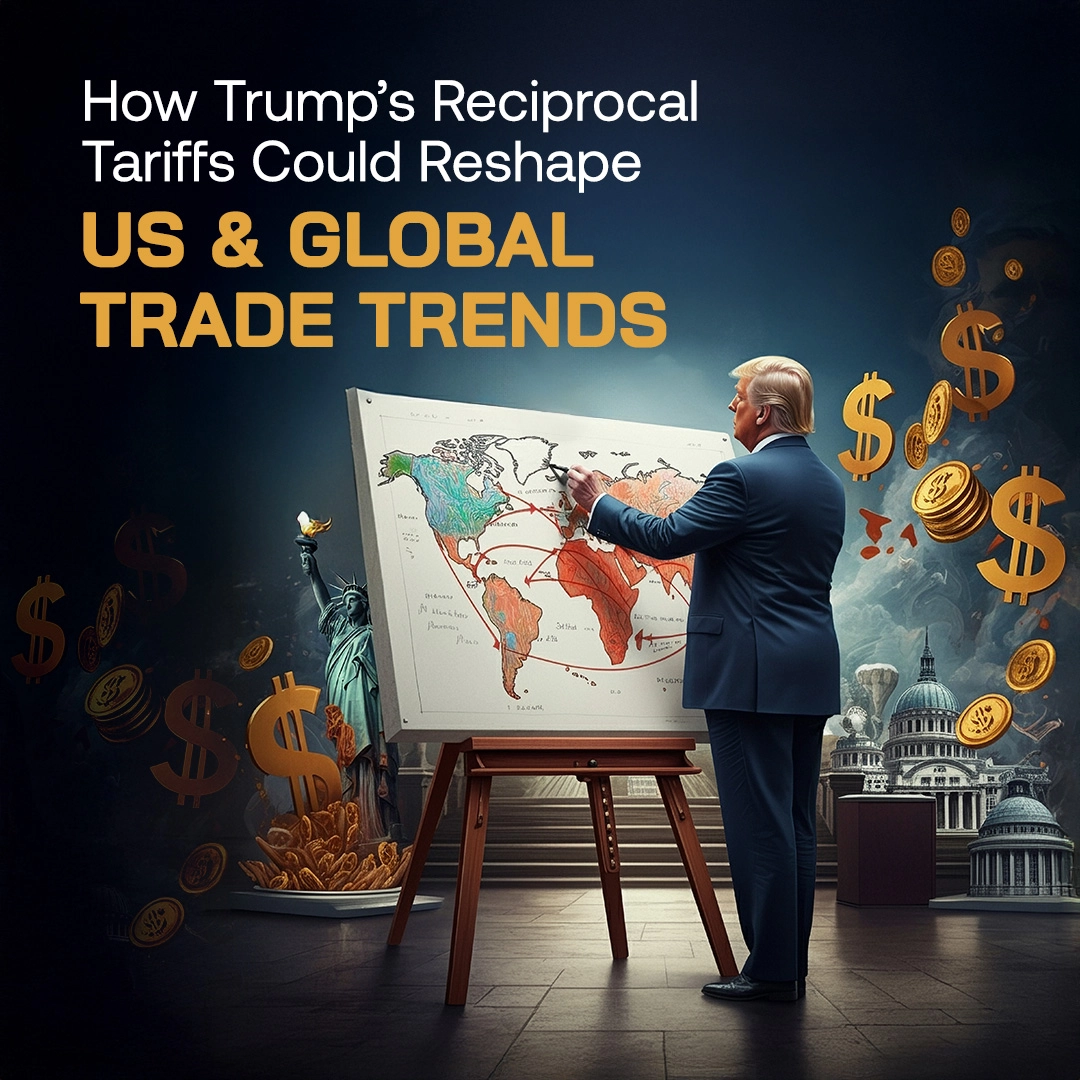
With Donald Trump’s return to the presidency, the U.S. has entered a new phase of aggressive trade policy. Reaffirming his commitment to tariffs, Trump has introduced a sweeping new plan that imposes a minimum 10% ‘discounted reciprocal tariff’ on all trade partners. For countries accused of currency manipulation or maintaining unfair trade barriers, these tariffs could rise to nearly 50%. The announcement has stirred both domestic and global markets—particularly putting pressure on export-driven economies in Southeast Asia. Economists remain divided: some warn that prolonged tariffs could slow economic growth and push unemployment above 7%, while others argue the policy could strengthen domestic manufacturing and help close the trade deficit. As global supply chains brace for renewed disruption, donald trump tariffs are once again reshaping both U.S. trade strategy and international economic relations.
Understanding Reciprocal Tariffs
The concept of reciprocal tariffs
dates back to the 19th century, when countries often used high import taxes to
protect their domestic industries. This led to tit-for-tat tariff wars, where
nations retaliated with similar trade barriers, ultimately disrupting global
commerce. The need for a more balanced and cooperative trade system gradually
became evident.
A major turning point came in
1934 with the passage of the Reciprocal Tariff Act in the United States. Amid
the economic devastation of the Great Depression, the U.S. government sought
ways to revive international trade. The act allowed the president—rather than
Congress alone—to negotiate tariff reductions with other countries on a
reciprocal basis. In essence, if a trade partner agreed to lower its tariffs on
American goods, the U.S. would respond in kind.
This marked a pivotal shift away
from strict protectionism and toward a more flexible, open trade policy. It
streamlined decision-making and allowed the U.S. to build bilateral agreements
faster and with greater strategic intent. The act also laid the groundwork for
post-World War II economic recovery and international cooperation.
Most notably, it paved the way
for landmark global agreements such as the General Agreement on Tariffs and
Trade (GATT), which aimed to reduce trade barriers, encourage economic growth,
and prevent the economic isolation that had deepened the Great Depression.
While the idea of reciprocal
tariffs may seem fair on the surface—ensuring other countries face the same
tariffs they impose—it introduces significant complexity in today’s
interconnected global economy. The principle challenges long-standing
multilateral frameworks like the World Trade Organization (WTO) and reopens
debates about the balance between fair competition and protectionism in modern
trade policy.
Overview of Reciprocal Tariffs on the US
Reciprocal tariffs introduced
during the Trump administration marked a clear shift from traditional U.S.
trade policy. As a member of the World Trade Organization (WTO), the U.S. is
typically expected to offer all members its best tariff rates—a principle
designed to lower trade barriers globally. However, Trump's approach
prioritized country-specific fairness over multilateral cooperation.
The administration argued that
American industries were disadvantaged by trade partners imposing higher duties
on U.S. goods, particularly in steel, aluminum, agriculture, and auto parts. In
response, the U.S. introduced tariffs aimed at equalizing the playing field.
Critics warned of trade wars and
economic slowdown, noting that reciprocal tariffs often trigger retaliatory
measures and disrupt supply chains. Meanwhile, some tech products—like
smartphones, laptops, and semiconductors—were excluded from steep tariffs,
providing relief to major importers such as Apple and Dell. While supporters
viewed the tariffs as a long-overdue corrective, others feared lasting damage
to global trade dynamics.
US Reciprocal Tariff Rates by Country: Impact on US Imports & Exports
Reciprocal tariffs vary by
country and product—for example, the EU imposes a 10% tariff on U.S.
automobiles, while the U.S. charges just 2.5%. Under Trump’s system, such rates
would be raised to match, potentially lowering import volumes but increasing initial
government revenue. Indeed, rough estimates suggest these tariffs could
generate up to $540 billion in additional revenue. However, this figure is
subject to three limiting factors: a likely drop in import quantities due to
price hikes, exporters adjusting prices downward to maintain access to the U.S.
market, and reduced consumer demand stemming from falling real incomes. A
deeper trump reciprocal tariffs analysis shows that these policies have
reshaped global trade routes, increased business uncertainty, and disrupted
supply chains.
Proponents believe the tariffs
may encourage some industries to relocate production back to the U.S. to avoid
duties—a phenomenon known as “tariff-jumping investment.” Yet economists warn
that low-skilled, labor-intensive industries are unlikely to return due to
tight labor markets and high production costs. Instead, reshoring may be
limited to sectors like high-tech manufacturing and automotive components.
Ultimately, the tariffs’ effectiveness in revitalizing domestic industry
depends not just on protectionist policy, but also on how U.S.
resources—especially labor—are allocated.
US Reciprocal Tariffs on Top 10 Trade Partners
Trump’s reciprocal tariff
strategy significantly impacted the U.S.’s top trading partners, prompting
shifts in global trade alignments:
Mexico – Although
initially exempt, Mexico later faced reciprocal tariffs, especially in
agriculture. While some retaliatory measures were limited, the threat of
further escalation strained cross-border trade.
Canada – Tariffs were
applied primarily to steel and aluminum, prompting Canada to retaliate with
duties on U.S. dairy, whiskey, and industrial products. Tensions eased through
revised trade talks but uncertainty lingered.
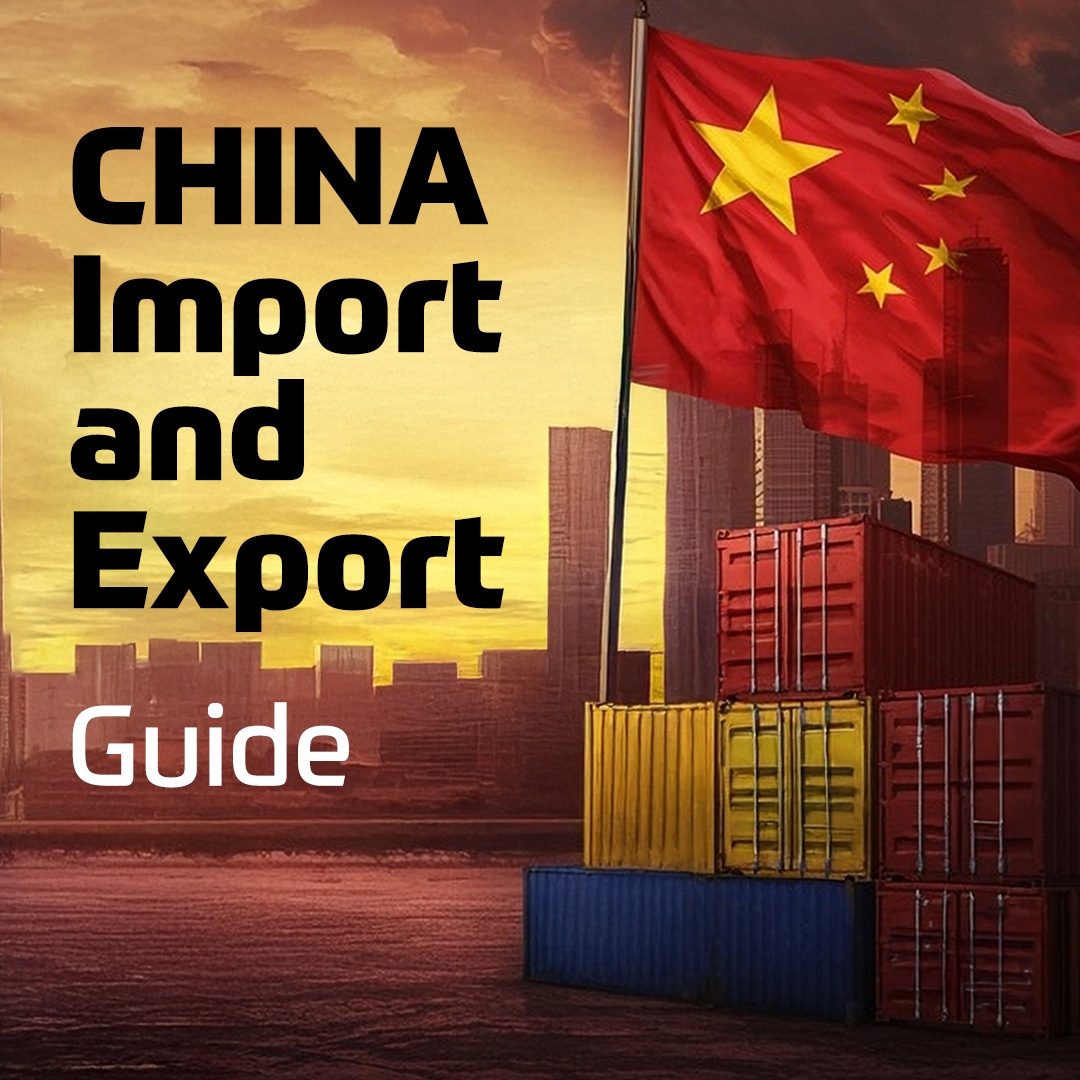
China – Faced some of the
steepest tariffs, exceeding 100% on certain goods. In response, China imposed
heavy duties on U.S. agricultural exports like soybeans and pork, deepening the
trade rift and disrupting bilateral supply chains.
Japan – Heavily affected
in the automotive sector, Japan saw new U.S. tariffs on vehicles and parts.
While some exemptions were negotiated, pressure mounted on Japanese firms to
shift production or absorb losses.
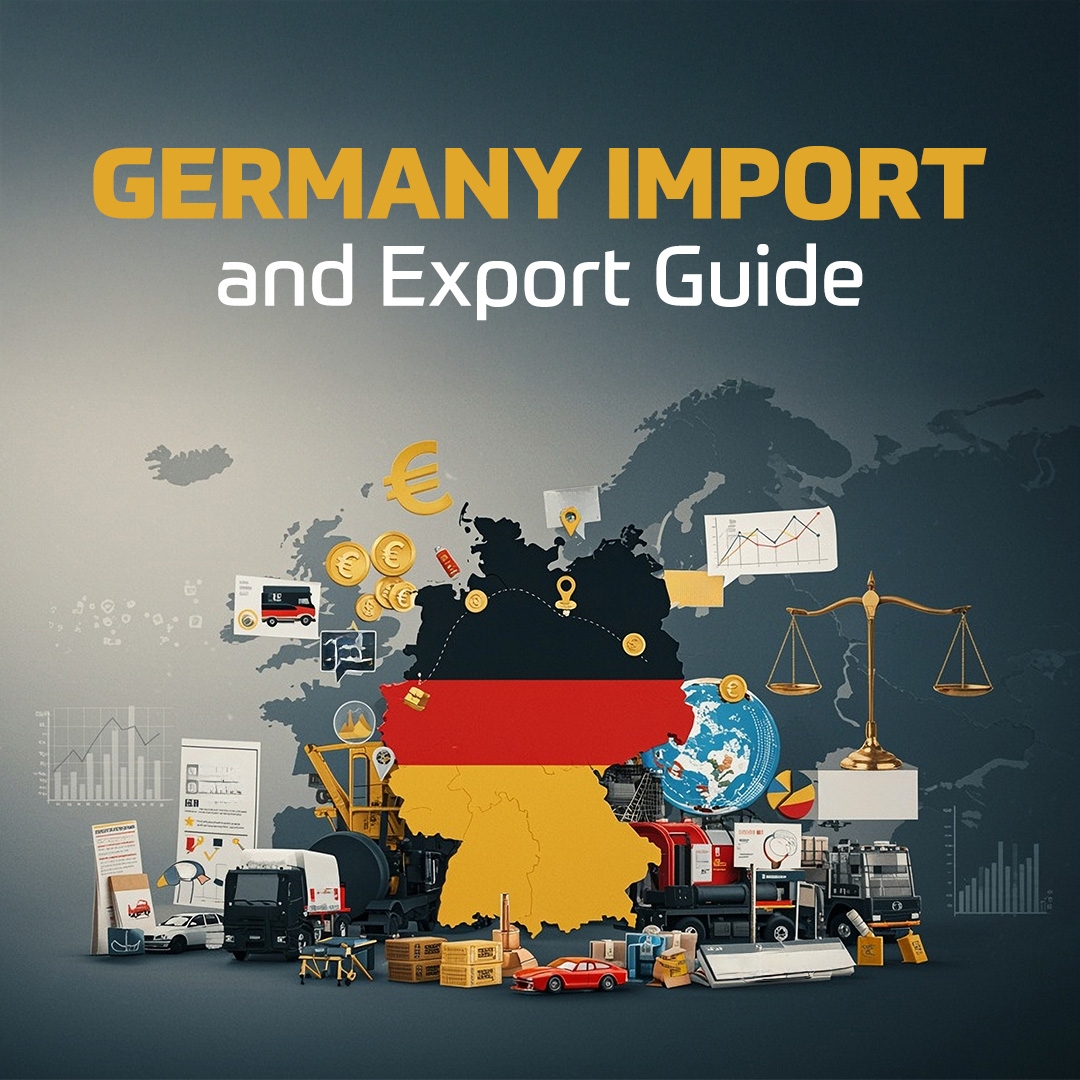
Germany – Though not on
the original list, Germany—as part of the EU—was indirectly affected through
EU-wide tariffs. U.S. duties on autos and machinery impacted German exports,
prompting tense EU-U.S. trade dialogue.
South Korea – Managed to
limit the damage through early renegotiation of its trade agreement with the
U.S., though steel and consumer electronics still faced heightened scrutiny and
selective tariffs.
United Kingdom – Even amid
Brexit transitions, the UK was affected by U.S. tariffs on steel and certain
automotive goods. Talks around a bilateral trade agreement became increasingly
complex under tariff pressure.
France – Faced U.S.
tariffs largely due to its digital services tax, which Trump viewed as
discriminatory toward American tech firms. Retaliatory measures followed,
especially on luxury goods and wines.
India – Lost preferential
trade status under the Generalized System of Preferences (GSP) and faced new
tariffs on textiles and food products. India responded with duties on U.S.
almonds, apples, and medical devices, intensifying the trade standoff.
Taiwan – While Taiwan was
less vocal than others, it faced tariffs on electronics and machinery. Given
its role in the global semiconductor supply chain, any disruptions had broader
implications for tech manufacturing worldwide.
These developments illustrate how
trump's tariffs disrupted global supply chains, strained diplomatic
ties, and forced countries to rethink trade dependencies and regional
partnerships.
Trump's Approach to Reciprocal Tariffs
Donald Trump’s tariff policy
reflects a deep-rooted belief that the U.S. has long been exploited in
international trade. His approach centers on the idea that foreign nations have
taken unfair advantage of America’s open markets—benefiting from U.S. consumer
demand while burdening American exports with steep duties. In a dramatic
announcement, Trump declared the launch of reciprocal tariffs as “Liberation
Day,” claiming the U.S. had been “looted, pillaged, raped and plundered” by
both allies and adversaries for decades.
At the core of the policy are two
key elements. First, a universal 10% tariff applied to nearly all imports into
the U.S.—a sweeping move that essentially places a baseline cost on access to
the American market. Second, a “kind” version of reciprocal tariffs, where the
U.S. imposes duties amounting to approximately half of what foreign governments
charge on American goods. As Trump explained, “This is not full reciprocal.
This is kind reciprocal… Foreign nations will finally pay for the privilege of
access to our market.”
Ultimately, Trump’s reciprocal
tariffs reflect a confrontational strategy aimed at recalibrating global trade
rules in favor of U.S. producers—even at the risk of escalating trade tensions
and undermining multilateral institutions.
Impact on US Import-Export Trends
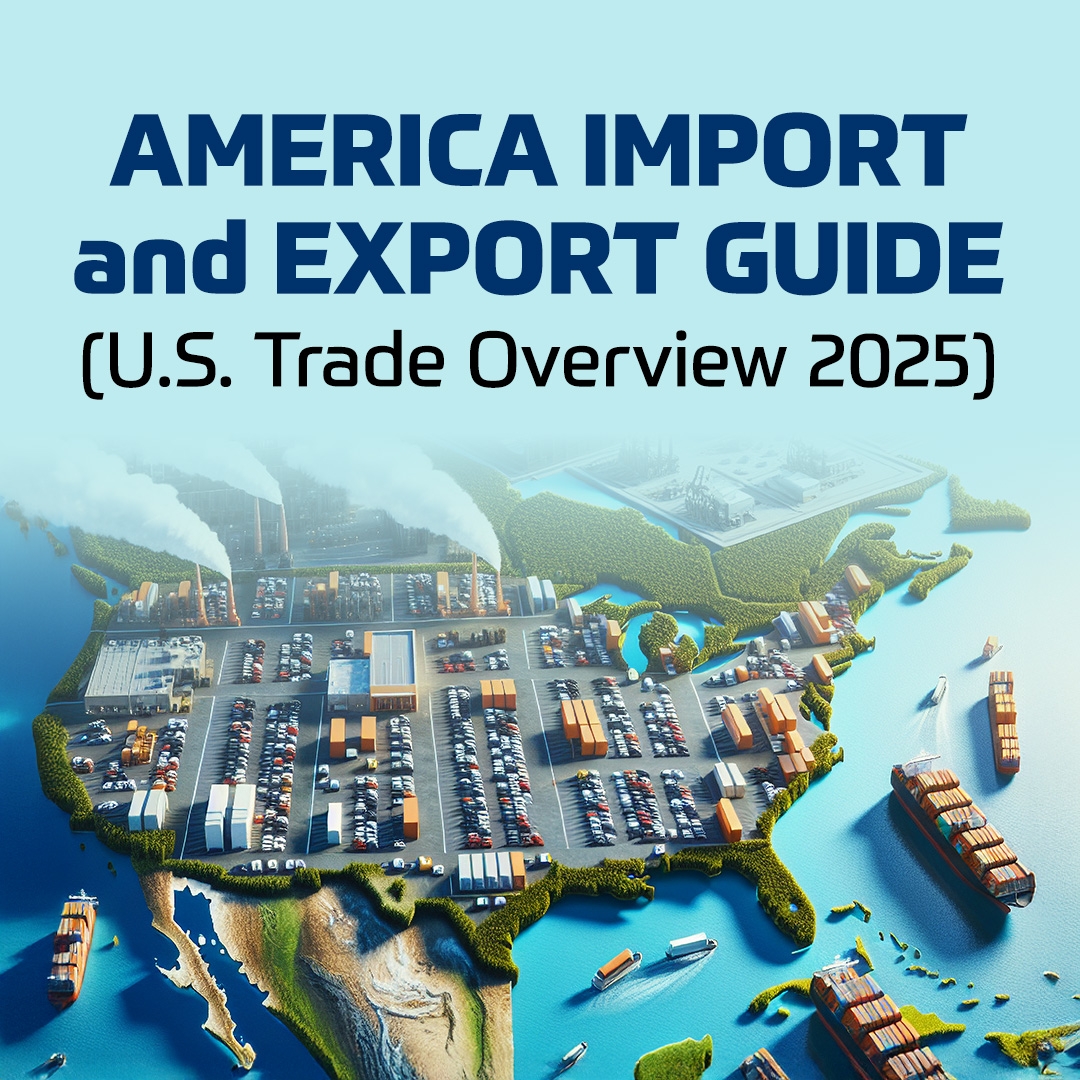
The implementation of reciprocal
tariffs has had a multifaceted impact on U.S. trade flows. On the import side,
many American businesses—particularly those dependent on raw materials and
components—have struggled with increased costs. Some have been forced to absorb
these expenses, while others passed them on to consumers, resulting in higher
retail prices and weakened demand for certain products.
Imports from countries like China
dropped significantly as elevated tariffs made Chinese goods less competitive.
In response, many firms diversified their sourcing strategies, shifting toward
lower-cost alternatives in Vietnam, Malaysia, and India. However, domestic
production did not always fill the gap. While there was a temporary uptick in
U.S.-based manufacturing, higher operating costs and labor shortages limited
long-term scalability. In many cases, American consumers ended up paying more
without substantial gains in local job creation.
Exports also took a hit.
Retaliatory tariffs imposed by key trade partners—especially on agricultural
products—diminished the global competitiveness of U.S. goods. Farmers and
manufacturers alike faced tighter margins, and despite federal subsidies designed
to ease the pain, some international buyers permanently shifted to alternative
suppliers. This has led to a loss in U.S. market share abroad that could take
years to recover.
Despite these setbacks, the
political narrative around "America First" and trade independence
gained momentum, particularly among domestic producers and industrial workers.
Still, the broader economic reality remains: while reciprocal tariffs aim to
correct imbalances, their side effects continue to reshape the way American
companies engage with global markets.
Adapting to Global Trade Changes with TradeAtlas
Global trade developments—such as
the changes introduced by Trump’s reciprocal
tariffs—can often compel businesses to seek new suppliers or customers. Sudden
cost increases, export limitations, or import barriers caused by US
Tariffs make it essential for companies to react quickly and strategically.
In these situations, access to
reliable trade data becomes a critical asset. TradeAtlas is an indispensable
tool for companies aiming to find alternative markets, buyers, or suppliers.
With a comprehensive database of importers and exporters from over 200 countries,
TradeAtlas helps businesses to:
- Reach new buyers when existing markets become
inaccessible or restricted,
- Source alternative suppliers in unaffected or
lower-cost regions,
- Track global trade activity by product, company, or
country,
- Make informed decisions when entering unfamiliar
markets.
For businesses navigating the
uncertainties of international trade, TradeAtlas offers a data-driven
foundation to stay agile, informed, and competitive—no matter how policies or
economic conditions evolve.