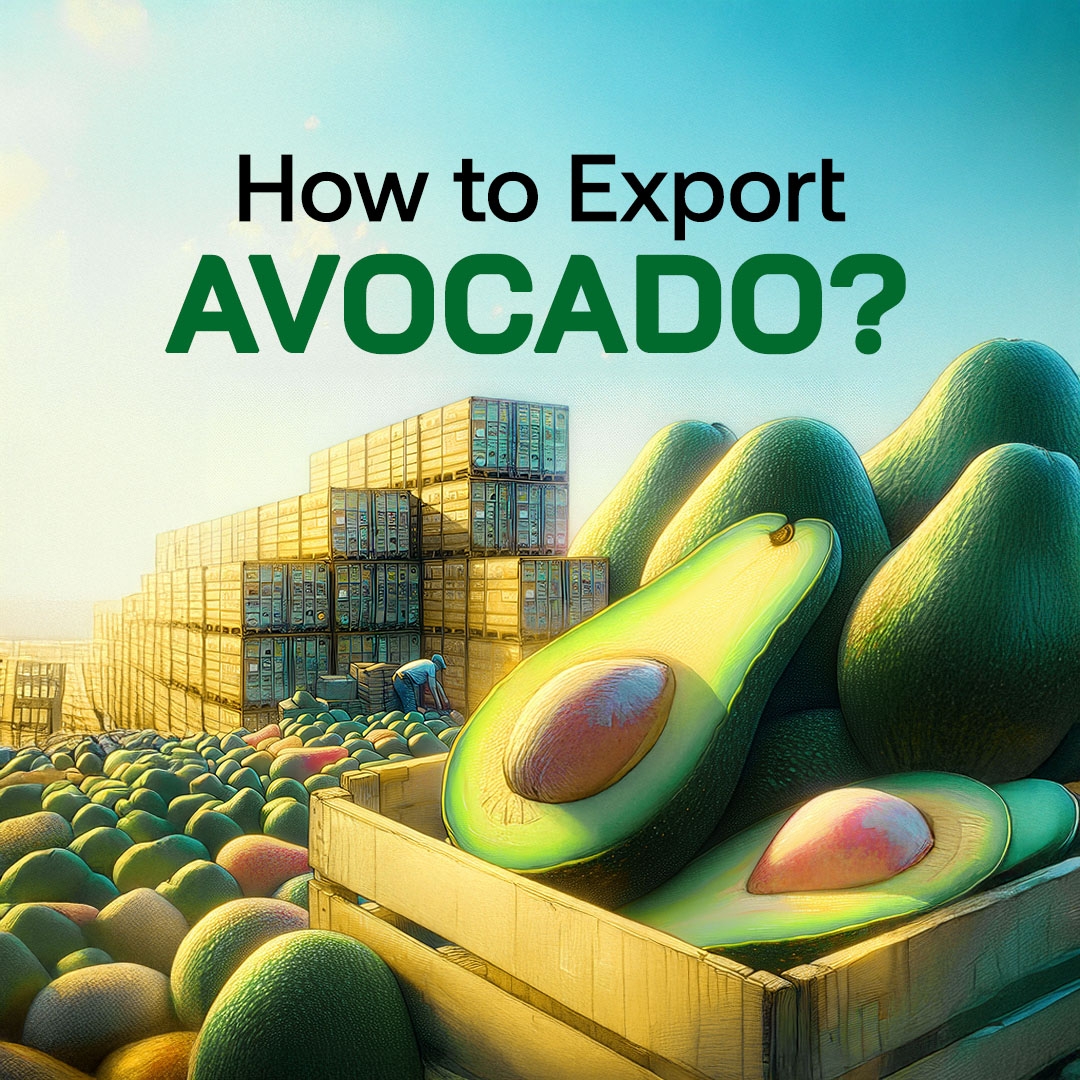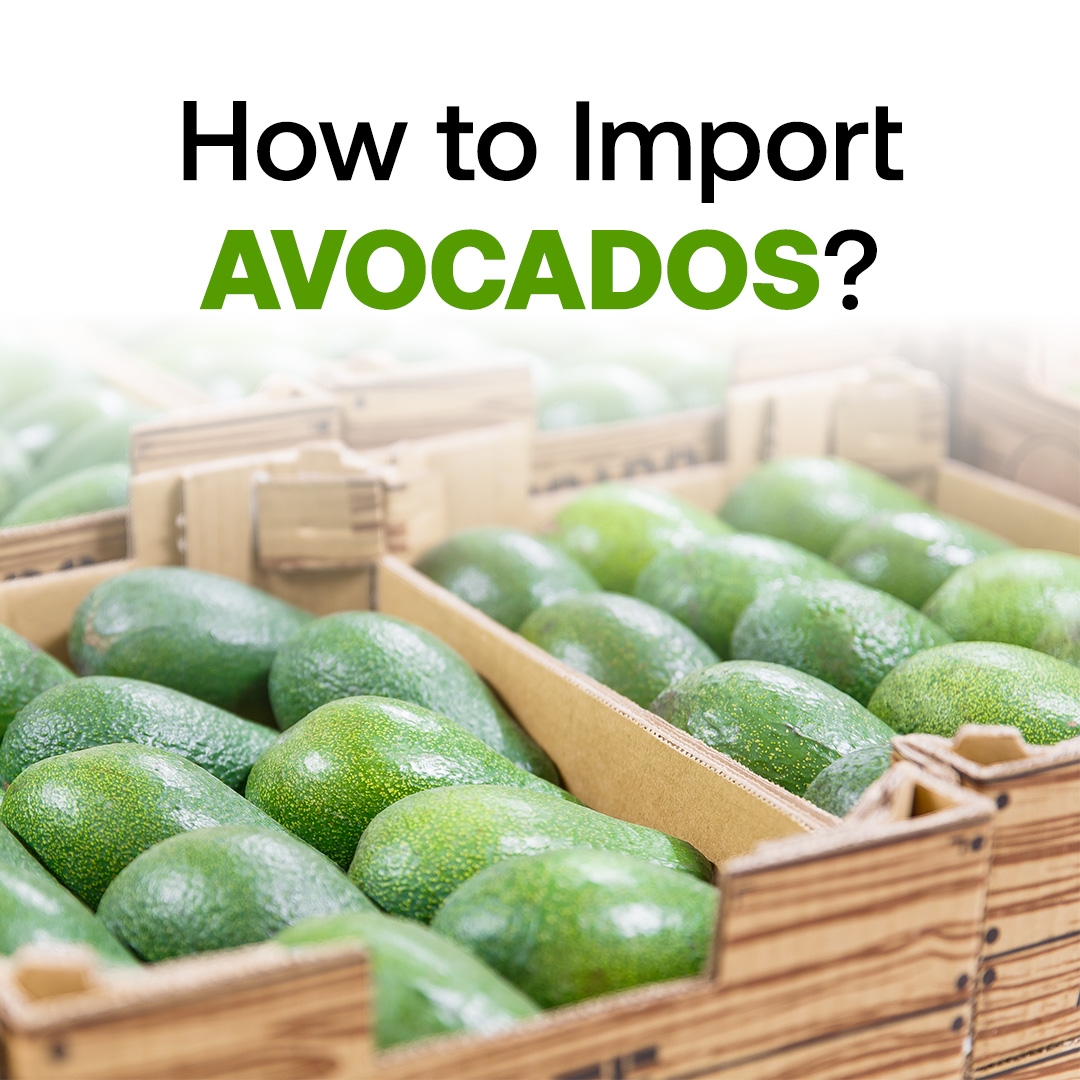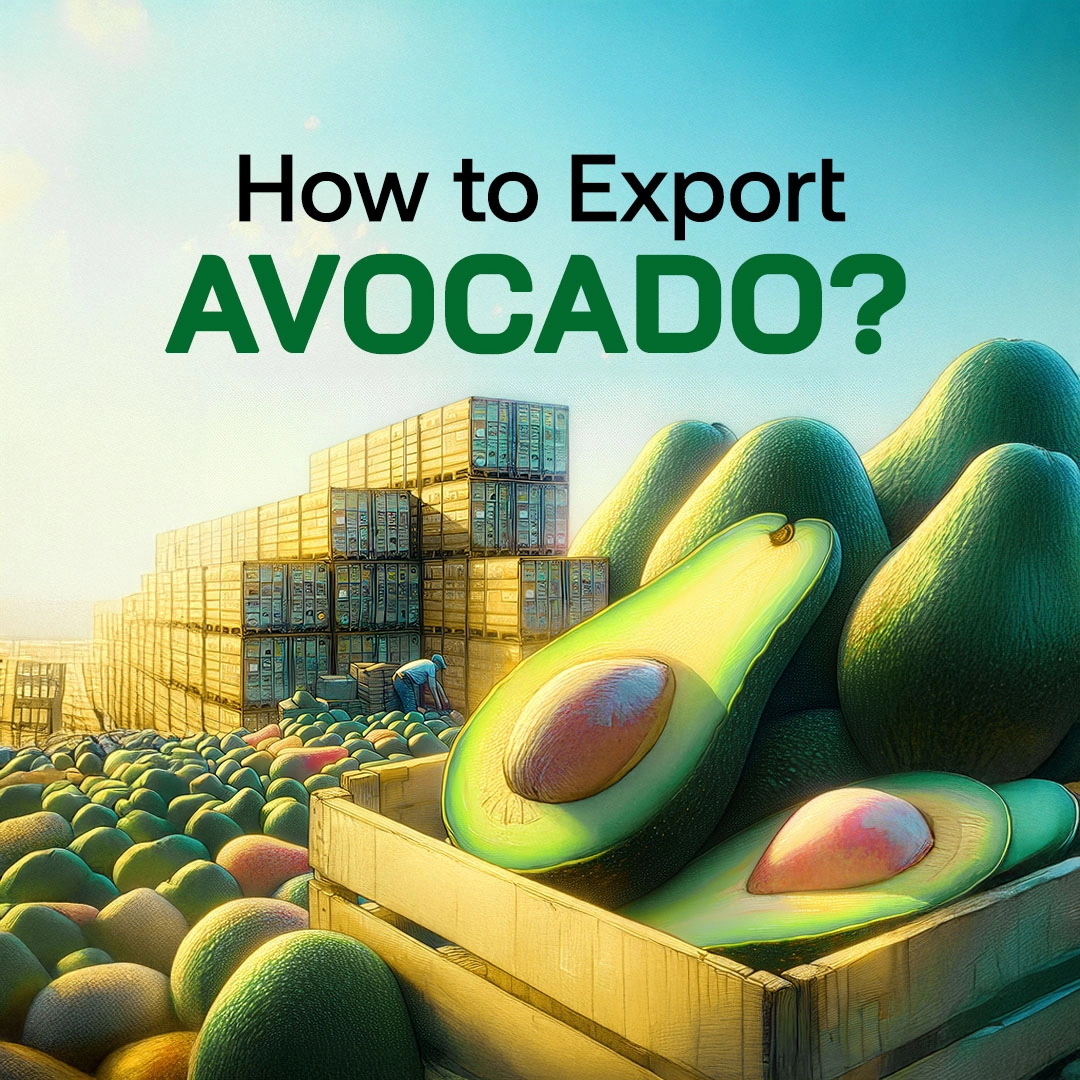
Over the past decade, the avocado has experienced a remarkable surge in popularity, becoming a staple in diets across the globe. In Europe, Asia, and North America, demand continues to rise, creating a highly profitable opportunity for entrepreneurs interested in the avocado export business. Starting in this sector requires a solid understanding of the market, sourcing high-quality avocados, managing logistics efficiently, and complying with export regulations. This blog post provides a comprehensive, step-by-step overview of the process, key markets, and opportunities in the global avocado trade.
Steps to Export Avocado Successfully
- Identify target markets – Research demand,
competition, and import regulations to determine your key avocado
export countries.
- Source high-quality produce – Select premium
avocados and meet international grading, packaging, and cold chain
standards.
- Build trade connections – Partner with
trusted global avocado exporters to secure reliable buyers.
- Set a pricing strategy – Analyze market
trends and competitors to determine competitive yet profitable avocado
export prices.
Avocado Export Data
Global avocado exports have
recorded double-digit growth in recent years, with billions of dollars’ worth
of trade taking place annually. The market is largely shaped by seasonal
harvests, consumer trends, and supply fluctuations in key production regions.
In 2024, leading avocado-exporting countries included Mexico, Peru, the
Netherlands, and Spain.
Avocado Import Data
Global avocado imports have
increased significantly in recent years, driven by rising consumer demand and
year-round availability through international trade. The market is influenced
by factors such as health trends, supply chain efficiency, and seasonal
production cycles in exporting regions. In 2024, the largest import markets
included the United States, the Netherlands, France, and Germany.
Avocado Export Procedures and Documentation
Avocado exportation
involves several key steps, starting with sourcing high-quality fruit, meeting
international grading and packaging standards, and complying with the import
regulations of the destination country. Exporters must also secure the
necessary documentation, which typically includes a Phytosanitary Certificate,
Certificate of Origin, Export License, Commercial Invoice and Packing List, and
a Bill of Lading or Airway Bill. Following these procedures and ensuring all
documents are complete not only facilitates smooth customs clearance but also
minimizes the risk of shipment delays.
Top 10 Avocado Producing Countries
The global avocado industry is
dominated by a handful of major producers, with Mexico leading by a significant
margin. These countries supply fresh avocados to markets worldwide, driving
both local economies and international trade. Based on the latest production
data, the top avocado-producing countries are:
- Mexico
- Colombia
- Dominican
Republic
- Peru
- Indonesia
- Kenya
- Brazil
- Ethiopia
- Vietnam
- Israel
Avocado Export by Country
The ranking of each avocado
export leading country can change from year to year due to fluctuations in
production volumes, trade policies, and global demand trends. However, Mexico
consistently holds the top position, maintaining its status as the world’s
primary supplier.
Avocado Export from India
India’s avocado production is
still in its early stages and remains limited on a commercial scale. The fruit
is primarily grown in high-altitude, cool, and humid regions such as Nilgiri,
Coorg, and Kodaikanal in Tamil Nadu and Karnataka. Smaller-scale cultivation
also exists in Kerala, Maharashtra, and certain hilly areas of Northeast India.
While India’s avocado export activity is still small, there is growing interest
from premium markets in the Middle East and Southeast Asia, driven by
competitive pricing and the appeal of locally grown, high-quality produce.
Avocado Export in Ethiopia
Ethiopia’s favorable climate
supports high-quality avocado production, but export volumes remain limited,
with most shipments going to Gulf countries such as Saudi Arabia, the UAE, and
Qatar. Challenges like limited cold storage and transport infrastructure have
slowed growth, yet government programs and international initiatives are
working to expand the avocado export market to Europe and beyond, with
plans to significantly increase production and farmland by 2030.
Avocado Export in Kenya
Kenya is among the top avocado
exporters in Africa, with some exporters focusing on organic and
Fairtrade-certified varieties, particularly for markets in Europe and the
Middle East.
Avocado Exporters in Uganda
Uganda’s avocado industry is
expanding, driven by increased cultivation of the Hass variety and support from
both the government and private investors. Several new avocado export
company initiatives are emerging, targeting not only Asian markets but also
destinations in the Middle East and Europe. While infrastructure challenges
such as limited cold storage and packaging facilities remain, the country is
positioning itself as a competitive player in the regional and global avocado
trade.
Avocado Export Sri Lanka
Sri Lanka’s avocado production is
primarily for domestic consumption, with cultivation concentrated in
high-altitude regions by small-scale farmers. While export volumes remain
limited, there has been a gradual increase in small-scale shipments, particularly
to the Maldives and Gulf countries such as the UAE. Some exports also take the
form of processed products like avocado puree and oil, but infrastructure and
logistics constraints continue to limit the country’s participation in the
global avocado trade.
Avocado Export to China
China’s demand for avocados has
grown rapidly over the past decade, making it one of the fastest-expanding
import markets for the fruit. Major suppliers include Mexico, Peru, and Chile,
while Kenya has recently gained market access. Exporters targeting China must
comply with strict phytosanitary inspection protocols and food safety
standards, as well as partner with reliable local distributors to navigate
logistics and marketing.
Avocado Export Uruapan
Uruapan, located in Mexico’s
Michoacán state, is often referred to as the “avocado capital of the world” due
to its pivotal role in the country’s production and exports. Michoacán accounts
for the majority of Mexico’s avocado shipments, with Uruapan serving as a key
hub for exports not only to the United States but also to markets in Canada,
Japan, China, and Europe. While the title is informal, the region’s year-round
production capacity and large-scale cultivation make it central to the global
avocado supply chain.
Avocado Export South Africa
South Africa is a key seasonal
supplier of avocados to European markets, with its harvest season running from
April to September. This timing allows the country to fill supply gaps when
Latin American volumes, particularly from Peru and Chile, are low. Major
destinations include the Netherlands, the United Kingdom, Spain, and France,
with the Netherlands serving as a central distribution hub for the region.
Avocado Export Process: From Farm to Market
The avocado export process begins
with harvesting the fruit at the right stage of maturity to ensure optimal
quality. Once harvested, the avocados are carefully sorted and graded according
to size, appearance, and quality standards. They are then packaged in
ventilated boxes to preserve freshness during transit. Maintaining an unbroken
cold chain is essential, keeping the fruit at the ideal temperature until it
reaches its destination. Finally, all customs formalities are completed, and
the shipment is transported to the target market, ready for distribution.
Largest Avocado Exporter in the World
Mexico remains the world’s
largest avocado exporter, consistently leading global shipments and supplying
major markets across North America, Europe, and Asia.
Avocado Export Business Opportunities
The avocado export sector offers
several promising opportunities for growth. Supplying to emerging markets in
Asia can open new revenue streams, while obtaining organic and sustainable
certifications allows exporters to command premium prices. Developing
value-added avocado products such as purees, oils, and frozen slices can
diversify income sources and appeal to different market segments. Additionally,
partnering with restaurants and retail chains abroad can help establish
long-term distribution channels and brand presence in key markets.
TradeAtlas: Your Partner in Global Avocado Trade
Whether you are looking for
buyers, market insights, or shipment data, TradeAtlas provides verified
information on thousands of global trade profiles. You can analyze avocado
export ban impacts, compare global prices, and identify new market
opportunities with real shipment records. TradeAtlas also supports you in importing
avocados by offering tailored solutions and insights, helping you connect
directly with trusted partners and ensuring your avocado exports remain
profitable and sustainable.