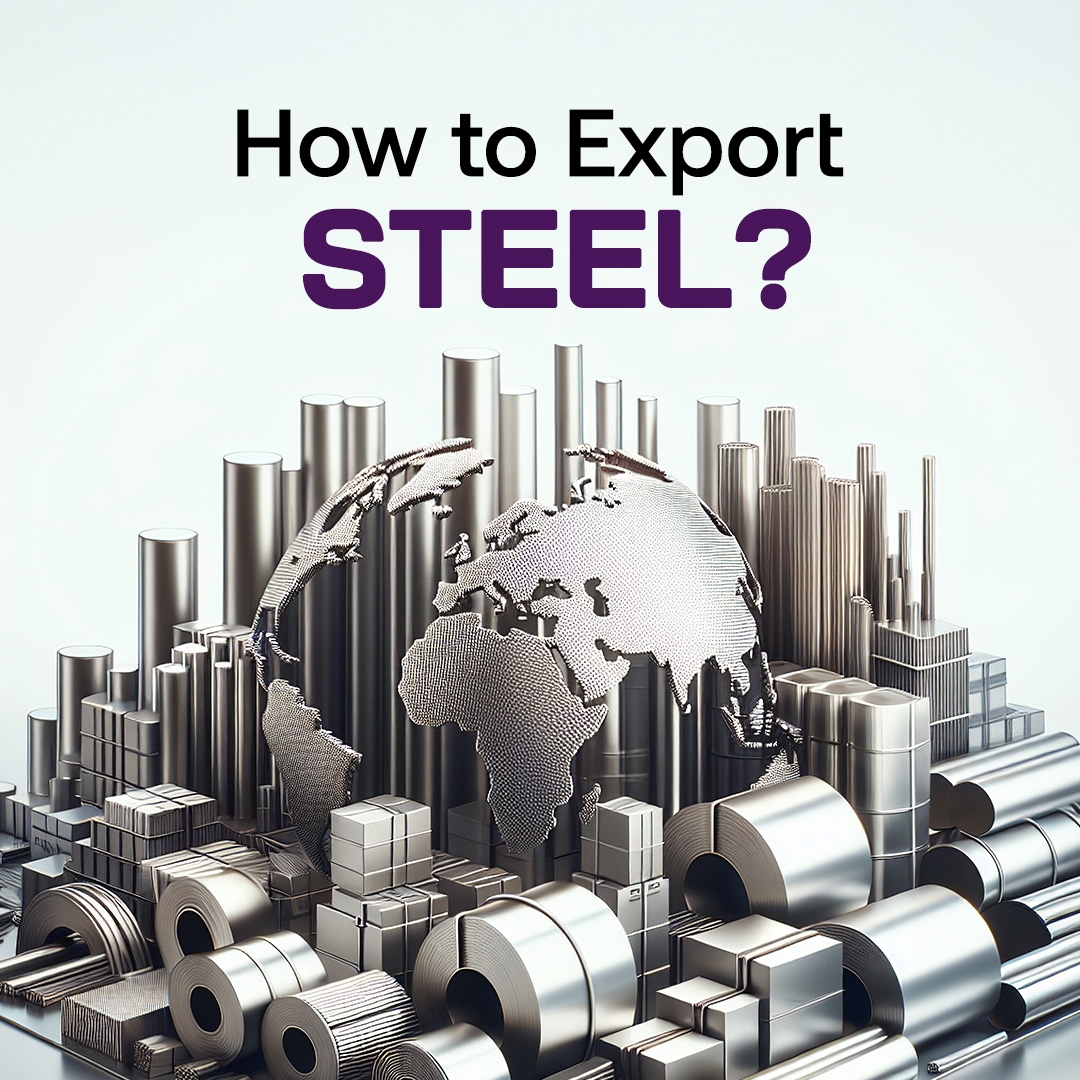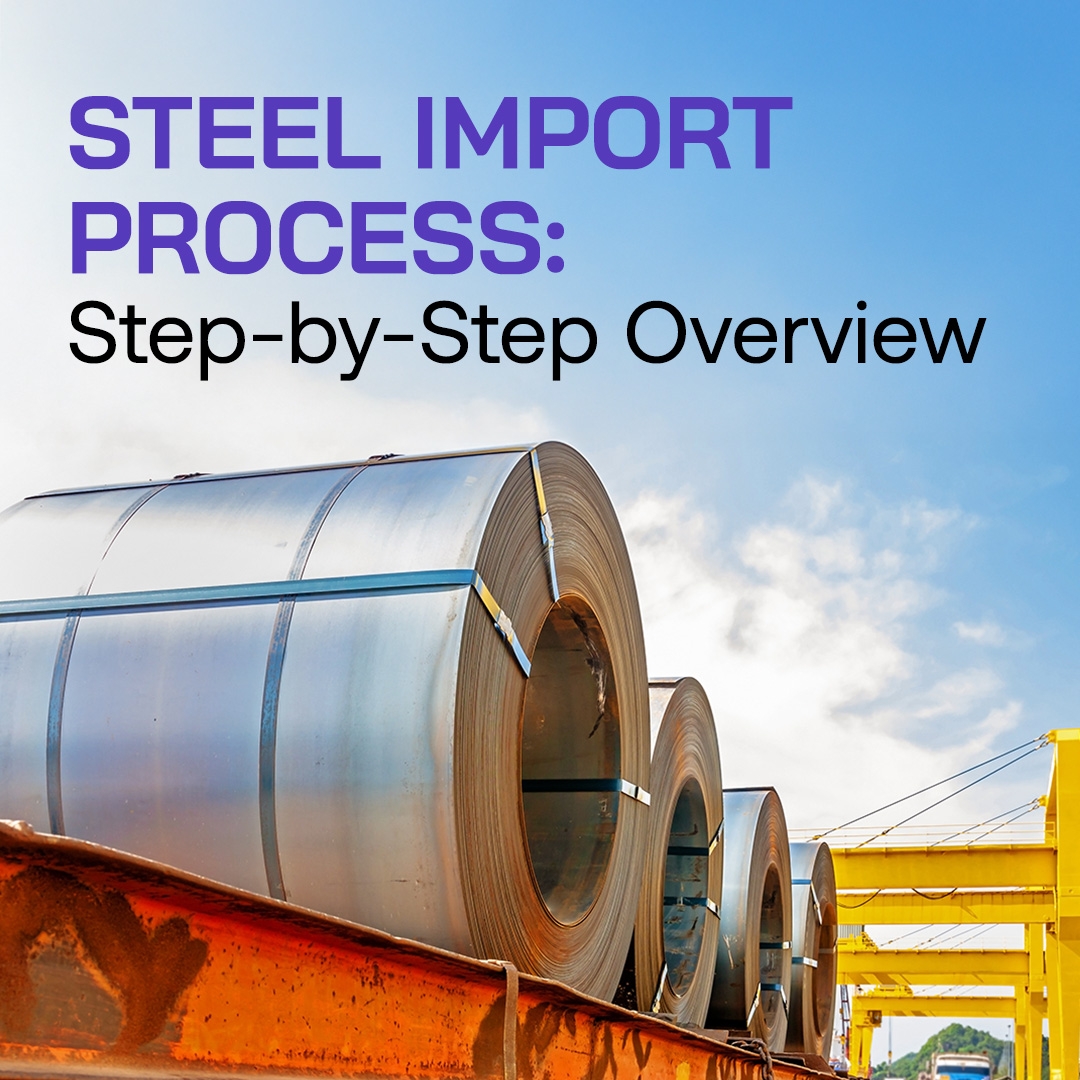
The steel import process plays a critical role in supporting industrial development and meeting the material demands of manufacturing, construction, and infrastructure projects around the world. As economies become more interconnected, the import of steel has become increasingly complex due to the influence of global supply chains, changing tariff structures, and evolving trade policies. Businesses involved in steel trade must navigate not only logistical and regulatory challenges but also identify competitive sourcing opportunities to stay resilient and profitable. Understanding the structure of global steel import and export operations is essential for companies aiming to thrive in an increasingly competitive market.
Steel Import License Requirements
Before initiating
a steel import, companies must understand the regulatory framework
surrounding the steel import license. Many countries require
importers to register with trade or customs authorities and obtain licenses for
specific categories like stainless steel import or steel
pipe import. In the United States, for example, the Steel Import Monitoring
and Analysis (SIMA) system under the Department of Commerce mandates that
importers obtain a license for all covered steel mill products.
Top Steel Importers by Country
Understanding steel import by country is essential for analyzing
global demand patterns and identifying strategic sourcing opportunities.
Countries such as the United States, Germany, China, Italy, Turkey, and South
Korea play a significant role in international steel trade due to their advanced
manufacturing sectors, strong construction activity, and industrial demand.
These nations depend on consistent import of steel to support sectors like
automotive, infrastructure, and energy.
In particular, the import of steel in India has grown rapidly in
recent years, driven by large-scale infrastructure investments and expanding
industrial output. India’s growing dependence on foreign steel also makes it a
key market for global exporters looking to expand their footprint in Asia.
How Much Steel Does the US Import?
One of the
most commonly asked questions in the sector is how much steel does the
US import? The United States consistently ranks among the world’s leading
steel importers, with annual volumes typically ranging between 20 and 30
million metric tons. This US steel import helps fuel key
industries such as automotive, infrastructure, and defense.
Importing Steel from China: Key Considerations
The import
of steel from China continues to be a sensitive subject due to ongoing
trade tensions and concerns over price dumping. Chinese steel is known for its
volume and cost-effectiveness but may face additional scrutiny at customs and
higher steel import duty in many regions. Ensuring compliance
with anti-dumping laws and product certifications is critical when importing
from China. Importers should also stay informed about evolving trade policies
and be prepared for potential regulatory shifts that may impact costs or
delivery timelines. Partnering with reliable suppliers who understand
international compliance requirements can help minimize risk.
Mexico Steel Import Tariff Overview
The Mexico
steel import tariff has undergone several changes in response to
global market conditions and trade agreements. Tariffs on specific steel
categories are often used to protect local industries, and importers must stay
updated on current duties to ensure accurate pricing. In broader terms,
understanding the steel import tariff landscape is crucial not only in
Mexico but also in any country where duties can significantly impact overall
import costs. These tariffs vary based on product type, origin country, and
trade agreements, making it essential for importers to stay informed and adjust
their sourcing strategies accordingly.
Importing Steel to Finland: A Guide
The steel import Finland market is relatively small but steadily
growing, driven by increased infrastructure investments, renewable energy
projects, and the expansion of advanced manufacturing sectors. While the volume
of imports may not match larger economies, Finland remains a strategic entry
point for Northern European trade due to its stable economy and efficient
logistics infrastructure. Importing steel into Finland requires compliance with
strict customs regulations. Finnish authorities demand comprehensive
documentation, including certificates of origin, detailed weight and material
specifications, and a valid steel import license. Importers should also be
prepared for technical standard checks and may benefit from working with local
customs brokers to ensure smooth clearance and avoid delays.
The Basics of Steel Pipe Import
The steel
pipe import market
caters to a diverse range of industries such as oil and gas, construction,
automotive manufacturing, and infrastructure development. Given the critical
use of steel pipes in these sectors, importers are required to ensure that the
products meet specific technical standards, including material strength,
dimensional accuracy, and resistance to corrosion. Regulatory compliance is
equally important, as each destination country may impose unique quality and
certification requirements. The country of origin can also influence
classification codes and applicable import taxes. In some cases, authorities
may require pre-shipment inspections, particularly for products coming from high-export
regions. Successfully managing a steel pipe import operation involves close coordination
between suppliers, freight handlers, and compliance officers to maintain
efficiency, avoid penalties, and ensure product integrity.
Stainless Steel Import: What You Need to Know
Stainless
steel import requires particular attention to quality standards, durability, and
corrosion resistance, as these materials are frequently used in applications
where hygiene, aesthetics, and structural reliability are paramount. Common use
areas include kitchenware, medical instruments, food processing equipment, and
architectural structures such as railings, facades, and elevators. Because
stainless steel often comes into direct contact with food, skin, or sensitive
medical environments, strict compliance with national and international quality
benchmarks is essential. Importers must verify material certifications, surface
treatments, and alloy compositions to ensure the steel meets both functional
and regulatory requirements. Moreover, sourcing from reputable manufacturers is
critical to minimizing the risk of substandard materials entering the supply
chain. A successful stainless steel import strategy hinges on technical
precision, supplier reliability, and adherence to evolving industry regulations
across target markets.
How to Find a Reliable Steel Import Company
Partnering
with a trustworthy steel import company is one of the most
crucial decisions in managing a successful supply chain. The right partner can
streamline operations, reduce costs, and ensure compliance, while the wrong one
can lead to delays, penalties, or substandard materials. When evaluating
potential companies, several key criteria should be considered:
• Verified
trade history
• Experience with steel import solutions
• Transparent pricing and logistics support
• Familiarity with steel import duty regulations
These
factors help ensure that the company can deliver not only the required product
but also the service quality and regulatory knowledge needed for cross-border
trade.
To identify
credible partners, businesses often turn to industry expos, local referrals, or
digital trade platforms. Among the most effective tools is TradeAtlas, which
offers access to verified supplier profiles, detailed shipment records, and
global trade analytics. Through TradeAtlas, importers can evaluate trading
volumes, past performance, and destination markets of potential steel
import companies, making it significantly easier to choose the right partners
for long-term success.
Steel Import Export Data: Key Insights
Steel
import export data provides
critical information about trade volumes, pricing trends, and market dynamics.
This data enables businesses to make informed decisions regarding sourcing,
pricing, and inventory planning. For instance, analyzing steel import
export trends can reveal shifts in demand or the emergence of new
suppliers.
TradeAtlas: Smart Steel Import Solutions for Your Business
TradeAtlas is a comprehensive trade
intelligence platform that provides businesses with reliable data and insights
across global markets. It enables users to track international trade flows,
understand market trends, and make informed strategic decisions. One of the
platform’s key advantages is its ability to help companies identify and connect
with verified steel suppliers worldwide. Whether you're exploring new sourcing
opportunities or expanding into new markets, TradeAtlas offers the tools you
need to move forward with confidence.
To explore
detailed classification data and identify the correct hs code for your products, TradeAtlas
offers a comprehensive and searchable database that simplifies your import
processes.
If you're
specifically looking into the classification of iron and steel products, you
can access the relevant steel hs
code category for more precise information.