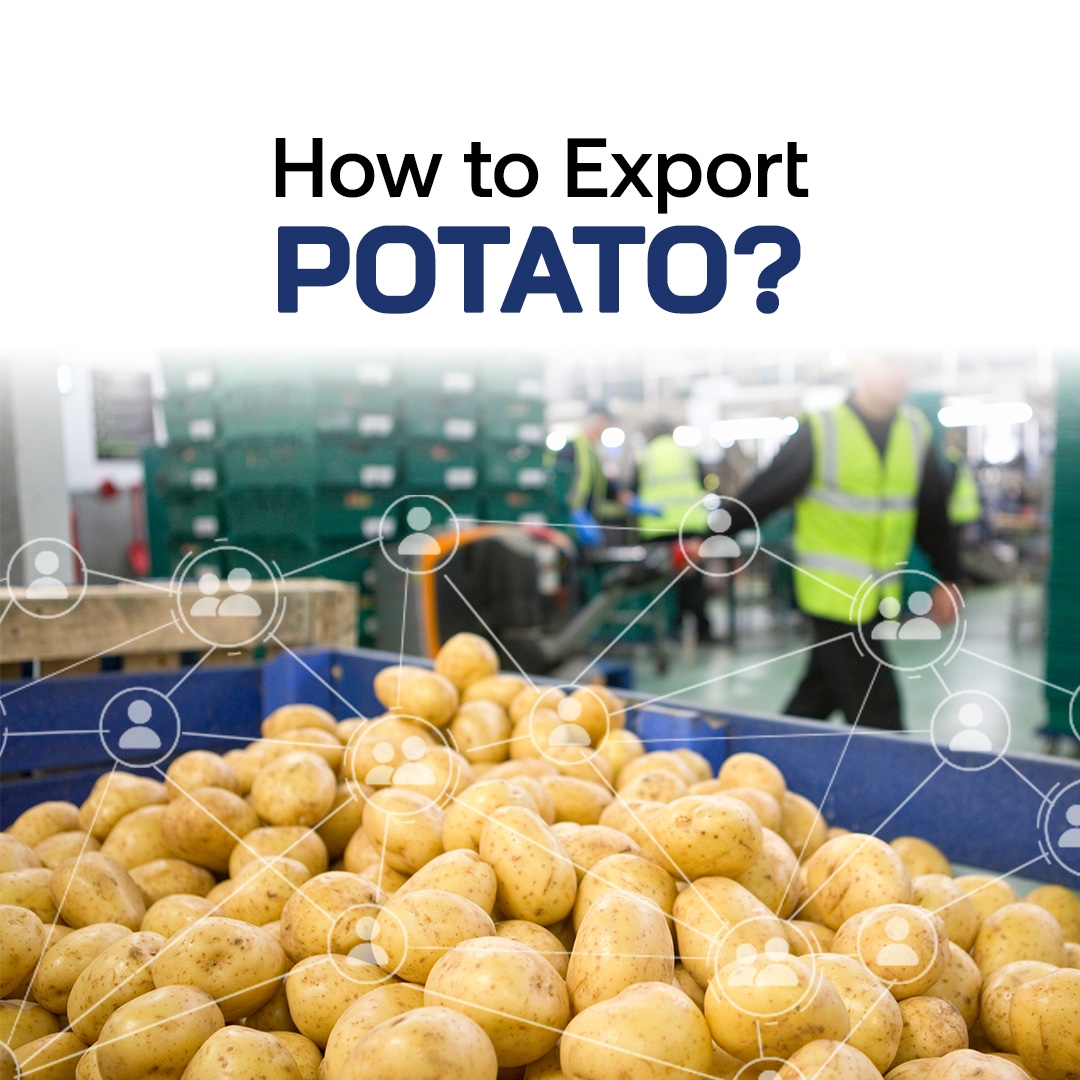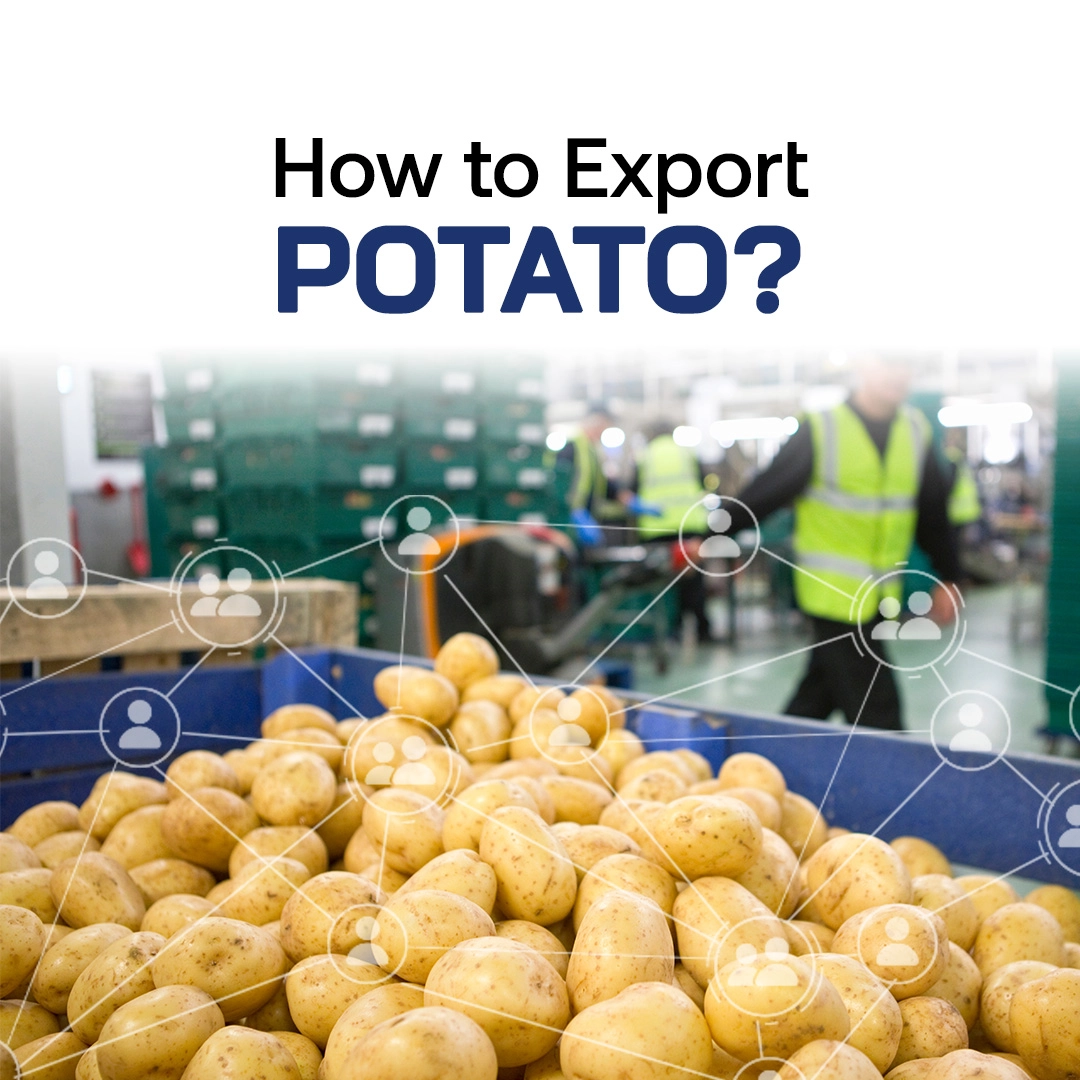
Potatoes are one of the world’s most widely consumed crops, serving as a dietary staple across many cultures. With growing global demand, the potato export business has evolved into a profitable opportunity for farmers, traders and agro-exporters. Whether you’re dealing with fresh, frozen or sweet potato export, understanding the logistics, documentation and market dynamics is crucial for success. This comprehensive guide outlines the essential steps to enter the international potato trade efficiently and legally.
Steps to Export Potato Successfully
The journey from farm to foreign markets
involves several key steps:
Market Research: Identify the top potato exporting countries,
current potato export price, demand trends and regulatory barriers.
Supplier Coordination: Ensure a consistent supply from
farmers who use export-grade seeds and follow Good Agricultural Practices
(GAP).
Quality Control: Potatoes must meet the quality and safety
standards of importing countries, especially in terms of size, sugar content,
pesticide residue and appearance.
Cold Chain & Packaging: Use ventilated and pest-resistant
packaging and, where necessary, temperature-controlled storage.
Choose the Right Buyer: Work with verified importers or use platforms like TradeAtlas to access trustworthy partners globally.
1. What is Potato Export Ban?
A potato export ban refers to
government-imposed restrictions on exporting potatoes, often triggered by
domestic shortages, price hikes or food security concerns. For example, India
and Bangladesh have occasionally imposed temporary bans to stabilize local
markets. Exporters must always check current trade policies, as bans can change
quickly based on harvest yields or geopolitical factors.
2. Potato Export Data
According to recent potato export data,
the global potato trade is growing steadily. The total export volume exceeded
16 million tons in 2023. Major players include the Netherlands, France, Germany
and the United States, collectively representing a significant portion of
global shipments. These countries maintain a strong presence due to efficient
agricultural practices and modern supply chains.
3. Potato Import Data
Potato import data reveals the top importing
countries to be Belgium, the United States, Indonesia and the United Kingdom.
These markets require high-quality produce and often set strict phytosanitary
standards. Exporters should track import statistics to target high-demand
destinations and align their supply with global consumption trends.
Potato Export Procedures and Documentation
To succeed in the potato export
business, proper documentation and compliance are essential. Typical export
requirements include:
Phytosanitary Certificate: Issued by the agriculture
department to confirm the shipment is pest-free.
Certificate of Origin: Indicates the country of
production.
Commercial Invoice & Packing List: Lists buyer/seller details,
quantity and value.
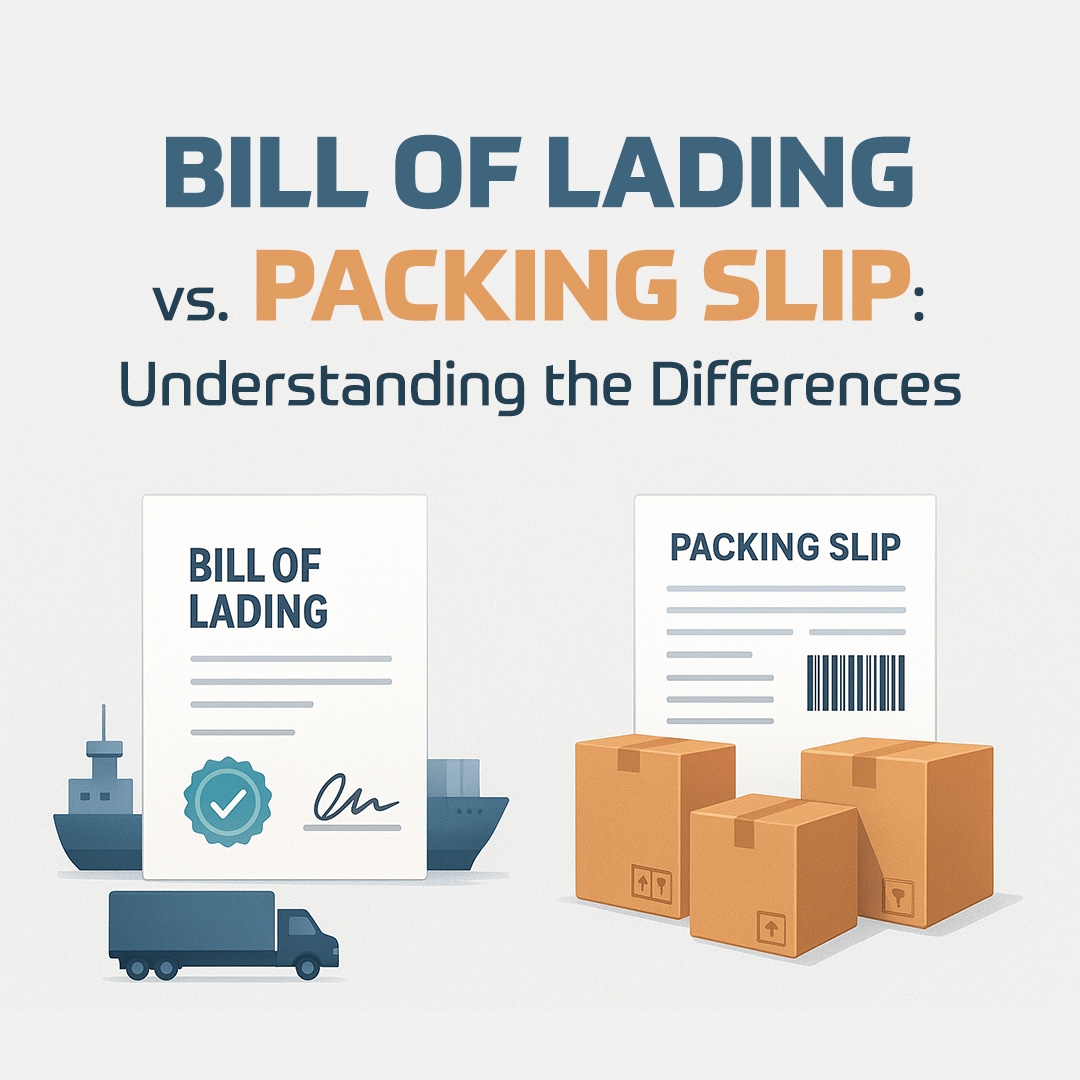
Bill of Lading or Airway Bill: Proof of shipment issued by the
freight carrier.
Export License (if applicable): Required in some countries during
restricted periods.
Import Permits: Some countries demand prior approval for
agricultural imports.
Make sure all documents are accurate and
conform to international standards to avoid customs delays or rejections.
Key Countries for Potato Export
Understanding the global market is key to
tapping into successful potato export business opportunities. Here are notable
countries and routes:
1. How to Export Potato from India?
India is a major player in the potato export
market, especially in Asia and the Middle East. Exporters must register with
the Agricultural and Processed Food Products Export Development Authority
(APEDA). Potatoes must meet the importing country's food safety standards and
proper storage during transit is crucial to avoid sprouting or rotting. Common
export destinations from India include Nepal, Sri Lanka, Malaysia and Oman.
2. Potato Export to Malaysia
Malaysia is a growing market for fresh and
sweet potato export. Potatoes must comply with Malaysia’s import regulations,
including a valid phytosanitary certificate and food safety compliance.
Exporters are advised to work with local distributors and adjust packaging
according to cultural and retail preferences.
3. Potato Export to Russia
Russia’s cold climate creates a strong reliance
on imported potatoes during the winter months. Exporting to Russia requires
strict adherence to phytosanitary norms and certification in Russian. Political
sanctions may also influence access, so exporters should monitor trade policies
closely.
4. US Potato Exports
The United States is both a major exporter and
importer of potatoes. US potato exports include frozen French fries, chips and
fresh varieties. The U.S. Department of Agriculture (USDA) and APHIS regulate
exports, and exporters must comply with international packaging and labeling
standards.
5. Bangladesh Potato Export
Bangladesh has emerged as a competitive
exporter in South Asia. With government support and increasing yields,
Bangladeshi exporters ship potatoes to markets like Malaysia, Sri Lanka and the
UAE. However, Bangladesh occasionally enforces potato export bans to manage
local inflation, so exporters must stay updated with policy announcements.
6. Pakistan Potato Export
Pakistan exports potatoes to markets in the
Gulf, Southeast Asia and Central Asia. The Trade Development Authority of
Pakistan (TDAP) assists exporters with certifications and promotions.
Consistent cold storage facilities and grading systems enhance Pakistan’s
export competitiveness.
Potato Export Process: From Farm to Market
The potato export process begins at the farm,
where exporters must ensure that potatoes are cultivated using quality seeds
and harvested at peak maturity to preserve shelf life. Once harvested, the
produce is carefully sorted and graded based on size, type and overall quality.
Only export-grade potatoes, typically free from blemishes and physical damage,
move forward in the process. After sorting, the potatoes are cleaned, cured and
packed using ventilated sacks or export-standard cartons that help maintain
freshness during transit. Depending on the destination, cold storage and
temperature-controlled transportation may be required, especially for long-haul
shipments. The final steps involve customs clearance, where proper
documentation is reviewed, and international shipping is arranged in
coordination with freight forwarders. Every stage, from cultivation to
delivery, must meet both domestic regulations and the specific quality
standards of the importing country to ensure a successful potato export operation.
Potato Export Business Opportunities
The potato export business presents
numerous opportunities for growth, particularly in developing countries where
demand for staple foods is rising due to population growth, urbanization and
shifting dietary habits. One of the most promising segments is sweet potato
export, which is gaining popularity in high-value markets such as Japan, South
Korea and the United States.
Additionally, processed potato products like
frozen French fries, flakes, and mashed potatoes offer higher profit margins
and a growing global demand. Exporting organic-certified potatoes can also open
doors to premium markets in the European Union and North America, where
consumers increasingly prefer sustainable and chemical-free produce.
Businesses can benefit from contract farming
models that secure a consistent supply and better quality control through
partnerships with local farmers. Furthermore, access to export financing, trade
insurance and government-backed incentives makes it easier for new entrants to
compete globally. Overall, the expanding international appetite for potatoes
creates a favorable landscape for those looking to establish or scale a potato
export operation.
TradeAtlas: Empowering Potato Exporters Globally
TradeAtlas provides data-driven solutions for
exporters, helping them identify global buyers, monitor potato exporting
countries and access updated potato export data. With a powerful importer
database covering over 200 countries, TradeAtlas enables you to:
- Find new markets and expand your reach,
- Analyze competitor activity and shipment
trends,
- Access verified contact information for
importers of potatoes and sweet potato export,
- Evaluate seasonal pricing with up-to-date potato
export price analytics.
Whether you're an experienced exporter or just
starting out, TradeAtlas helps streamline your entry into the international
potato trade.
You can search global potato supplier companies
using the potato HS code on
the TradeAtlas search screen. It is one of the easiest ways to reach global
importers and exporters in the international potato industry.