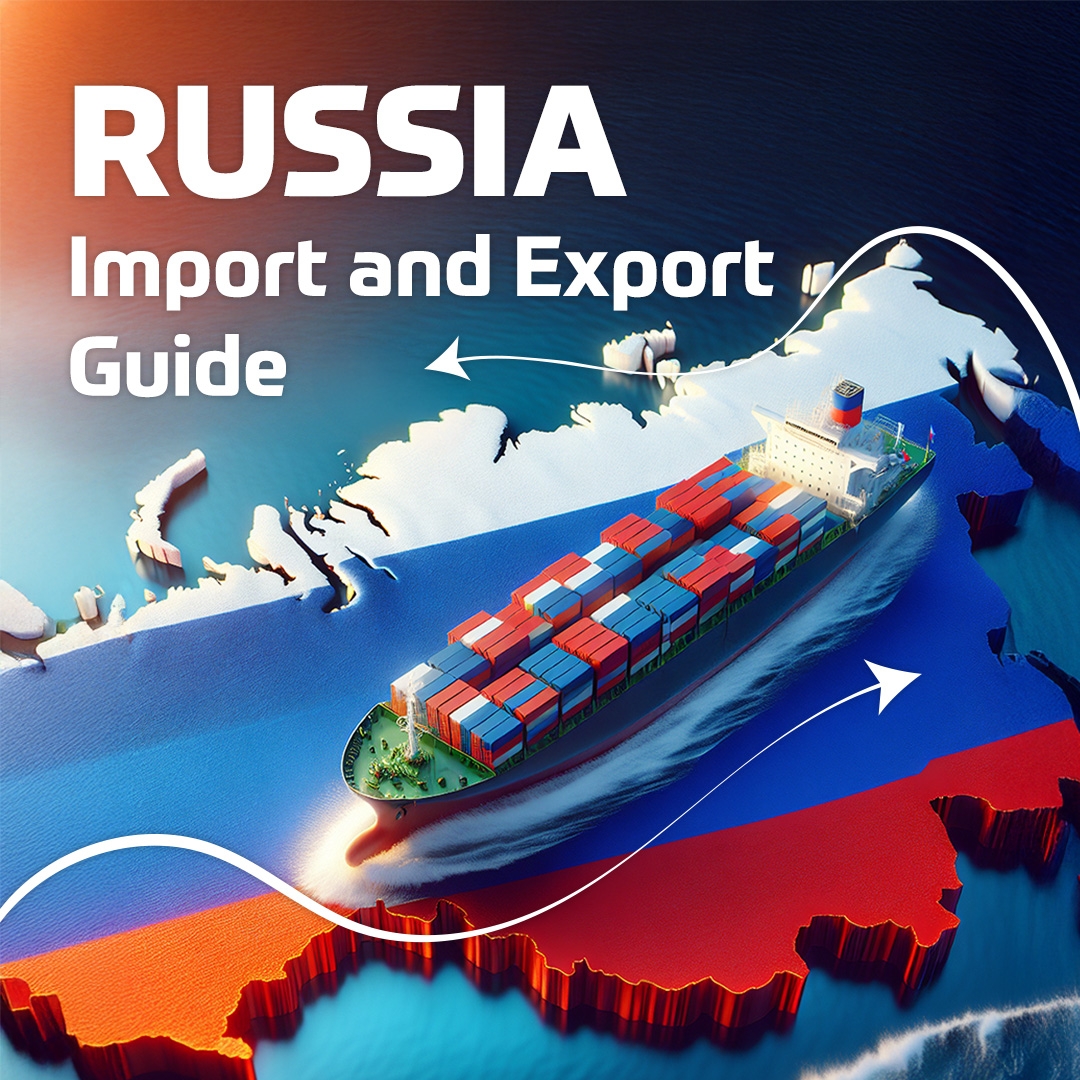
Russia is one of the world’s most strategically significant economies, playing a central role in global trade due to its vast natural resources, diversified industrial base and strong geopolitical influence. Understanding the bold dynamics of Russia import export, trade flows and its primary partners is essential for businesses aiming to operate in this influential market. This guide provides a detailed analysis of the import and export of Russia, covering trade data, opportunities, partner relationships and essential steps to start a trading business in the Russian Federation.
1. Russia Export Import Overview
Russia is known for its strong export capacity,
particularly in energy products, minerals, metals and agricultural commodities.
The country’s exports are mainly driven by Russia export goods such as
crude oil, petroleum products, coal, natural gas, wheat, fertilizers and metals
like aluminum and steel. These products position Russia as a leading supplier
in global energy and commodity markets.
On the import side, the main imports of
Russia include machinery, electrical equipment, vehicles, pharmaceuticals,
chemical products, and food items. Geopolitical developments continue to shape
imports in Russia, pushing the country to diversify its partners, increase
local production and strengthen cooperation with Asian, Middle Eastern and
Eurasian markets.
Russia’s global trade structure continues to
evolve, illustrating a complex picture of both resilience and adaptation.
Businesses exploring the Russian market must understand how sanctions, domestic
policies and international agreements influence Russia import vs export
performance and market accessibility.
2. Russia Import Export Data & Trends
The country’s trade flows have undergone major
shifts in recent years due to global political dynamics and supply chain
realignments. The latest Russia import and export data show a continued
reliance on energy exports, while imports are increasingly sourced from
non-Western countries. This shift has created new patterns in Russian import
export statistics, with trade volumes expanding notably with China, Turkey and
India.
Russia has also focused heavily on building
trade corridors across Eurasia, improving transport infrastructure and
developing regional free trade agreements within the Eurasian Economic Union
(EAEU). These strategic moves strengthen the country’s presence in global
markets and create new opportunities for international suppliers and buyers.
2.1. Russia Export Data
Exports remain a crucial contributor to
Russia’s GDP. The largest contributors to export Russia figures include:
- Crude oil and petroleum products
- Natural gas
- Coal and minerals
- Wheat and agricultural commodities
- Metals such as nickel, copper, and aluminum
- Chemical products and fertilizers
These export categories highlight Russia’s role
as a global supplier of essential raw materials. The country continues to
expand its agricultural export potential, strengthening its position as one of
the world’s top wheat exporters.
2.2. Russia Import Data
The major imports of Russia primarily
support domestic industries and consumer demand. The most significant import
categories include:
- Machinery and mechanical appliances
- Electrical machinery and equipment
- Vehicles and automotive parts
- Pharmaceuticals and medical equipment
- Plastics and chemicals
- Food products and beverages
These imports in Russia address
industrial needs, technology gaps and consumer market demand. The shift towards
Asian markets has diversified Russian import channels, creating new
opportunities for emerging exporters worldwide.
3. How to Start an Import Export Business in Russia?
Establishing a trade business in Russia
requires compliance with regulatory frameworks, thorough market research and
strong local partnerships. To start an import and export business in the
country:
Register Your Business: Foreign companies must register a
legal entity or open a representative office. The most common forms include LLC
(OOO) or JSC (AO).
Understand Customs Regulations: Importers and exporters must follow
Russian customs laws, HS codes and documentation requirements. Accurate
classification is essential for correct duties and compliance.
Obtain Necessary Licenses: Certain goods, such as chemicals,
pharmaceuticals and electronics, may require import or export permits.
Build Relationships with Local Partners: Understanding local business
culture and logistics infrastructure is crucial. Partnering with reliable
distributors or customs brokers facilitates smoother operations.
Use Trade Intelligence Tools: Companies rely heavily on tools
that provide Russia exports and imports statistics and buyer &
supplier data. This helps identify opportunities and mitigate risks when
operating in Russian markets.
With the right approach, Russia offers diverse
opportunities for global traders despite complex geopolitical dynamics.
4. Which Countries Import the Most from Russia?
The countries that import the most from Russia
are primarily those reliant on energy, metals, and agricultural goods. Key
buyers include:
- China
- Turkey
- India
- Kazakhstan
- Belarus
- Germany (for specific non-sanctioned goods)
- Netherlands
- South Korea
China remains the top importer, driven by
energy demand and industrial needs. Turkey has also significantly expanded its
imports, strengthening Turkey Russia import export cooperation across
various sectors.
5. Major Import Partners of Russia
Russia’s leading import partners reflect its
shift toward Eurasian and Asian markets. The Russia import partners
category is now dominated by:
- China
- Belarus
- Kazakhstan
- Turkey
- India
- Armenia
- Brazil
China is the largest source of imports for
Russia, supplying machinery, electronics, textiles, chemicals and automotive
products. Belarus and Kazakhstan, as EAEU members, benefit from tariff-free
trade, making them essential partners.
6. Russia Imports by Country
Russia sources goods from a wide variety of
countries, with trade patterns evolving to reflect new geopolitical realities.
The Russian import export companies operating in these markets often
adapt quickly to changes in supply chain dynamics, making Russia a highly
flexible, yet complex, trading environment.
6.1. Import and Export Between India and Russia
India and Russia share a growing economic
partnership. Their bilateral import and export of Russia and India
includes:
- India imports Russian oil, fertilizers, coal
and metals.
- Russia imports Indian pharmaceuticals, tea,
coffee, textiles, chemicals and engineering goods.
This cooperation has significantly expanded
since 2022, opening new opportunities for companies targeting Eurasian and
South Asian markets.
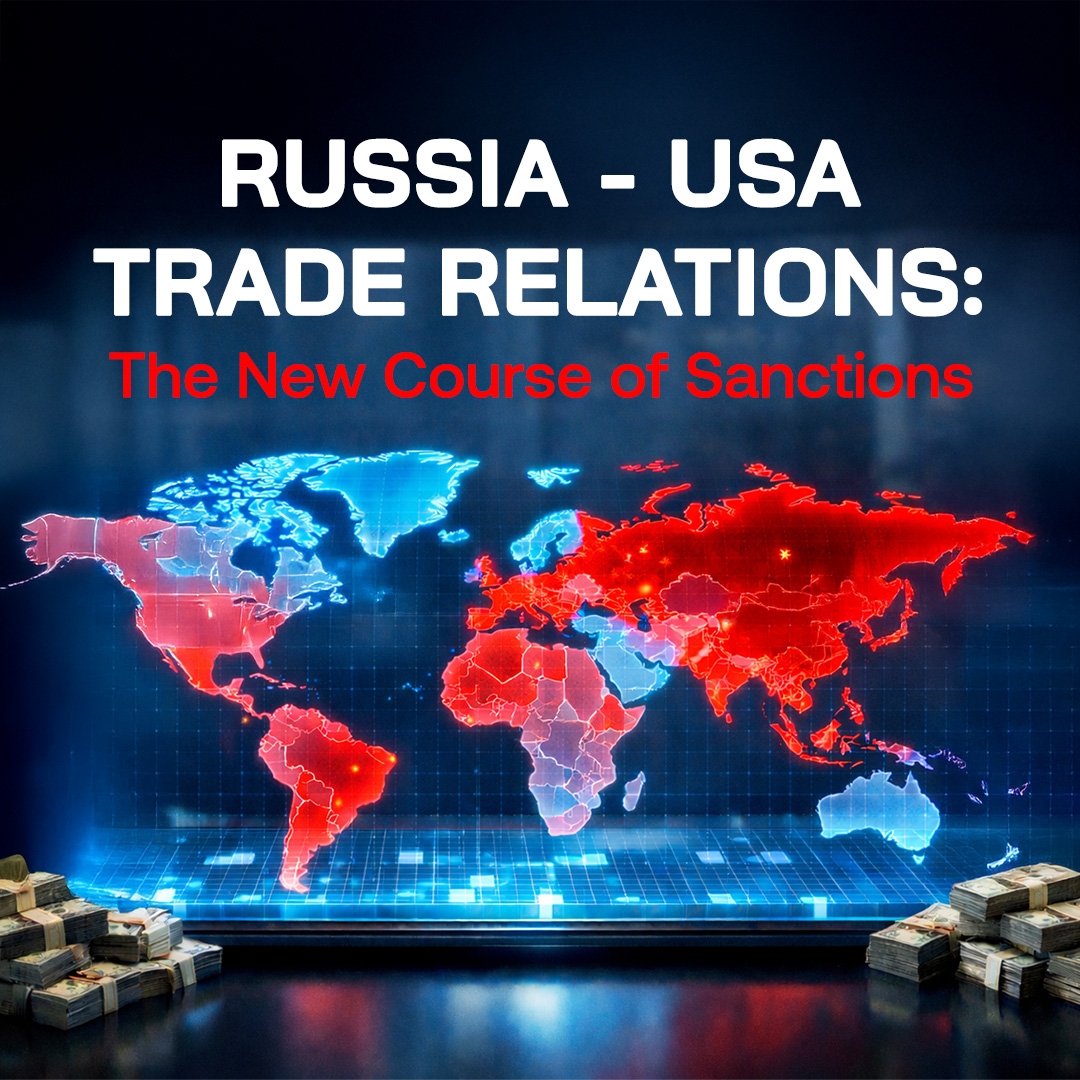
6.2. Russia Imports to the US
While geopolitical tensions affect certain
sectors, trade between Russia and the United States continues for specific
categories that are not restricted. Import Russia flows into the U.S.
have historically included:
- Metals such as palladium, uranium, and
aluminum
- Fertilizers
- Industrial materials
These products highlight Russia’s ongoing
relevance in global supply chains, even in highly regulated markets.
7. Trade Intelligence for Russia with TradeAtlas
Understanding Russia import export balance,
market dynamics, competitors and supply chain movements is critical for
companies planning to expand into Russian markets. TradeAtlas provides access
to detailed Russia import and export data, including official customs records
and real-time shipment insights.
With TradeAtlas customs
database,
businesses can:
- Identify active Russian importers and
exporters,
- Track Russian import export statistics
across industries,
- Analyze pricing trends, quantities and trade
routes,
- Explore trade relationships such as Turkey
& Russia or Russia & Asia corridors,
- Discover new Russia import partners and
buyers.
These features make TradeAtlas an essential
resource for businesses seeking accurate and actionable intelligence on Russian
export goods, global suppliers and potential customers.
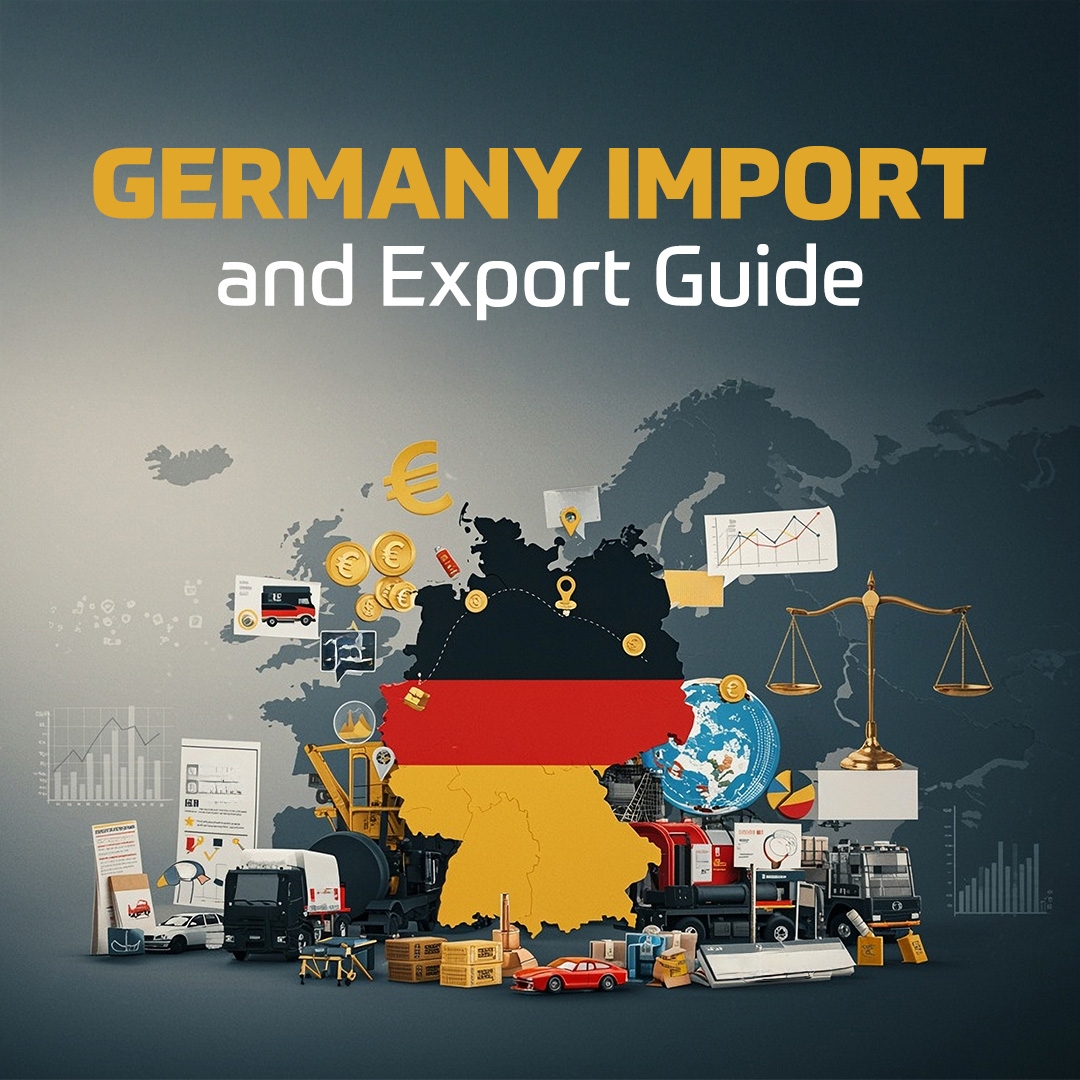
To learn more about Germany import export, you can read our blog post
"Germany Import and Export Guide".