Grapes are one of the most popular fruits in the world, consumed both fresh and processed into products like wine, raisins and juice. With global demand steadily increasing, grape export has become a profitable opportunity for farmers, traders and companies looking to expand into international markets. This guide explains the essential steps, required documentation, global grape trade data and business opportunities for those interested in entering the grape export industry.
1. Steps to Export Grape Successfully
Exporting grapes requires a clear strategy,
attention to quality and compliance with international regulations. Here are
the major steps:
Market Research: Analyze global demand for grapes, focusing on
key importing countries such as the USA, China, the European Union and the
Middle East. Consider consumption trends like seedless grapes, organic produce
and sustainable farming practices.
Supplier Selection: Partner with reliable growers and packers to
ensure consistent quality. Traceability and certifications like GlobalGAP or
HACCP are becoming essential for premium buyers.
Contract Negotiation: Secure agreements on pricing,
payment terms and delivery schedules. Clear contracts protect exporters against
unexpected risks and ensure buyer confidence.
Quality Assurance: Grapes are perishable and highly sensitive to
handling. Maintaining cold-chain logistics and careful grape export packing is
crucial. Proper temperature management during transport reduces losses and
enhances shelf life.
Regulatory Compliance: Obtain necessary certifications
such as phytosanitary certificates, GlobalGAP, ISO standards and other
destination-specific documents. Compliance with international food safety laws
is non-negotiable.
Logistics Management: Choose the most efficient shipping
methods (usually reefer containers for fresh grapes) and coordinate with
freight forwarders. Insurance coverage is also important to protect against
damage in transit.
With these steps, exporters can create a solid
foundation for sustainable grape trade success.
1.1. Grape Export Data
According to international trade data, global
grape export values surpass $10 billion annually. Countries such as Chile,
India, South Africa, Italy, Spain and Peru dominate the market. Seedless table
grapes, especially varieties like Thompson Seedless and Crimson Seedless, are
in high demand across Europe, North America and Asia.
The European Union collectively remains one of
the largest suppliers, particularly Spain and Italy, which export to markets
within Europe and to the Middle East. South American countries like Chile and
Peru focus on supplying during the off-season, giving them a competitive
advantage.
Another trend in grape exports is the growing
share of organic grapes. Consumers in developed economies are increasingly
willing to pay premium prices for organic, pesticide-free produce, creating a
lucrative niche for exporters.
1.2. Grape Import Data
On the import side, the United States is the
world’s largest buyer of fresh grapes, accounting for billions of dollars in
imports each year. Europe, particularly Germany, the Netherlands and the United
Kingdom, remains a strong market for exporters. China has also emerged as a
rapidly growing importer, fueled by rising disposable incomes and changing
diets.
Seasonal demand plays a key role, as many
importing nations rely on foreign suppliers during off-season months. For
example, the United States imports heavily from Chile and Peru during its
winter months. This seasonal advantage gives exporters from the Southern
Hemisphere a prime opportunity to penetrate northern markets.
The Middle East, including the UAE and Saudi
Arabia, is another promising market due to high per capita fruit consumption
and reliance on imports for fresh produce. Exporters targeting these regions
must prioritize fast logistics and premium quality.
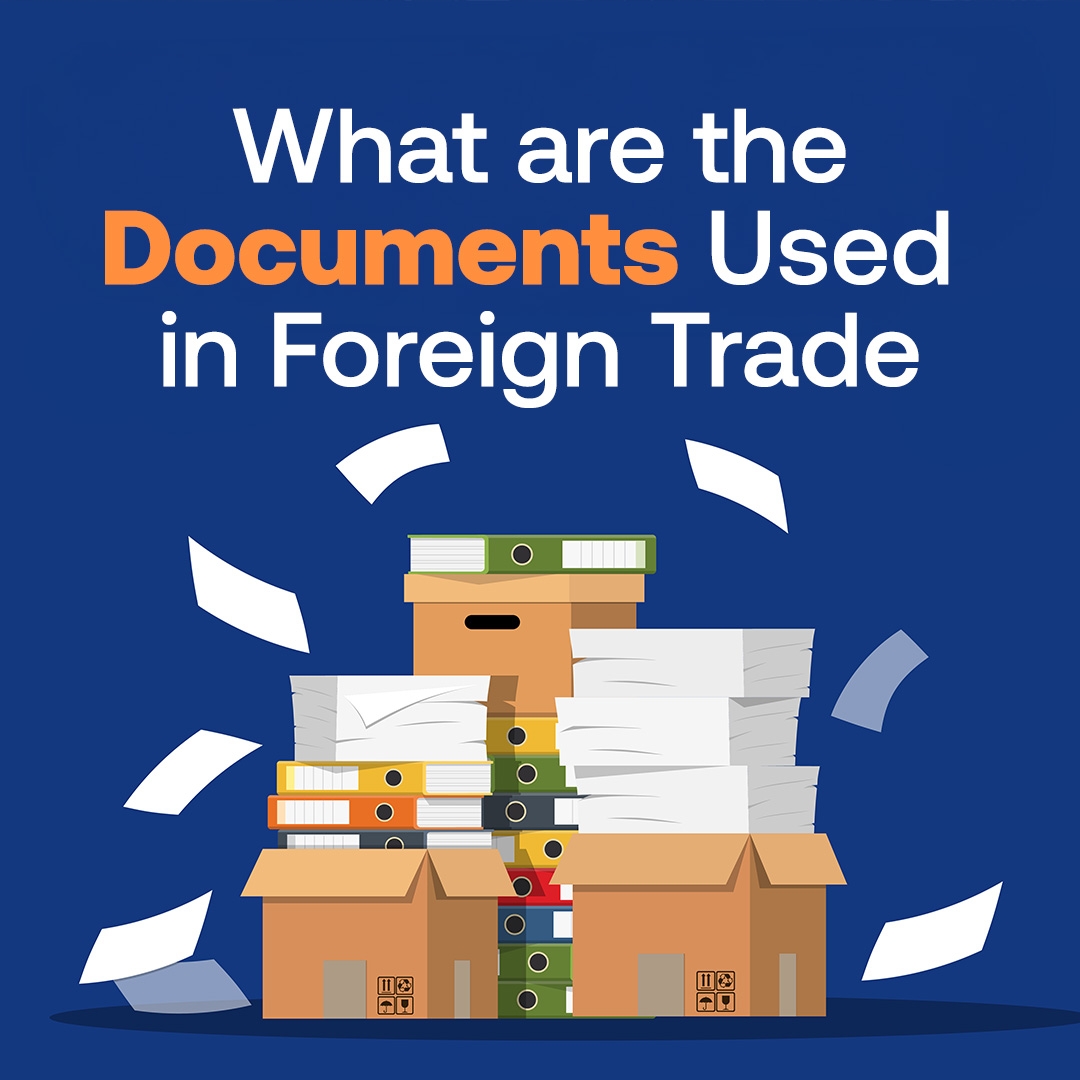
2. Grape Export Procedures and Documentation
Exporting grapes involves several important
procedures. Exporters must register with their country’s export authority and
ensure their produce complies with both domestic and international quality
standards. Essential documents include:
Phytosanitary Certificate: Confirms that grapes are free from
pests and diseases, ensuring compliance with the importing country’s
biosecurity regulations.
Certificate of Origin: Determines tariff benefits under
free trade agreements and proves the grapes’ country of production.
Commercial Invoice and Packing List: Provide details on shipment value,
weight, quantity and packaging. These documents are crucial for customs
clearance.
Bill of Lading or Airway Bill: Acts as proof of shipment and
contract of carriage between the exporter and carrier.
Cold-Chain Compliance Reports: Verify that proper temperatures
were maintained during transit, which is especially important for perishable
grapes.
Export Inspection Certificate: Required in many countries to prove
that the grapes meet quality and safety standards.
Exporters should also be familiar with
Incoterms (like FOB, CIF and EXW) when negotiating with buyers, as these terms
define responsibilities for shipping, insurance and customs clearance.
3. Grape Export by Country
Several countries have established strong
positions in the global grape trade. Each market has unique strengths and trade
routes.
3.1. Grape Export from India
India is one of the fastest-growing exporters
of table grapes, particularly seedless varieties. Major markets include Europe,
the Middle East and Asia. The Indian grape industry has made huge investments
in modern farming and cold storage infrastructure. Certifications such as
GlobalGAP and APEDA compliance have boosted India’s credibility in global
markets.
3.2. Grapes Export Companies in Nashik
Nashik, in Maharashtra, is often referred to as
the “Wine Capital of India”, but it is also the leading hub for fresh grape
exports. Numerous companies in Nashik specialize in grape export, offering
high-quality produce that complies with international standards. Exporters from
this region have built a reputation for reliability, timely delivery and proper
grapes export packing using ventilated cartons and advanced cold-chain
methods.
3.3. Grapes Exporters in Maharashtra
Beyond Nashik, Maharashtra, as a state,
contributes significantly to India’s grape exports. Well-established
cooperatives and private exporters handle large volumes annually, making
Maharashtra a global supplier of premium grapes. The state also benefits from
government support programs that encourage fruit exports.
4. Largest Grapes Exporter in the World
Chile is recognized as the world’s largest
exporter of grapes. With favorable climate conditions, extensive vineyards and
advanced farming practices, Chilean exporters supply fresh grapes to North
America, Europe and Asia. The country’s strong infrastructure, reliable
cold-chain logistics, and government support have made it a trusted supplier
worldwide.
5. Grape Export Process: From Farm to Market
The grape export process starts with careful
cultivation and harvest planning. Farmers ensure grapes are harvested at the
right maturity level to withstand long transportation. Grapes are then cleaned,
sorted and packaged using specialized techniques. Grapes export packing
involves using ventilated cartons, cold storage and controlled-atmosphere
containers to maintain freshness.
Post-harvest, grapes are transported in
refrigerated trucks to maintain their integrity. Once packaged, shipments move
through cold-chain logistics and are delivered to ports or airports. After
customs clearance and freight forwarding, grapes reach distribution centers in
the importing countries, where they are supplied to wholesalers, retailers and
supermarkets.
The process demands precision at every stage,
farm practices, cold storage, packaging and transportation, to ensure grapes
arrive in prime condition.
6. Grape Export Business Opportunities
The global grape trade presents significant
opportunities. Rising consumer demand for fresh fruits, the popularity of
healthy diets and growth in processed grape products such as wine, raisins and
juice all contribute to a strong outlook for grape export. Some of the emerging
business opportunities include:
Organic Grapes: Premium markets in the U.S. and Europe are
driving demand for pesticide-free produce.
Wine Industry Supply: Grapes for winemaking represent a
growing niche, with high potential in markets like France, Italy and
California.
Raisin Production: Exporting dried grapes adds value and reduces
dependency on fresh fruit logistics.
E-commerce and Direct-to-Retail Models: Exporters can now bypass
traditional intermediaries, selling directly to supermarkets or online
retailers.
Value-Added Products: Beyond fresh grapes, juices, jams
and grape seed extracts open additional revenue streams.
Exporters who invest in sustainable farming,
modern grapes export packing methods and international certifications can
access premium markets and command higher prices.
7. TradeAtlas: Your Partner in Global Grape Export
Whether you are a grower, trader or logistics
company, finding the right international partners is key to success. TradeAtlas
provides access to billions of global import and export records, enabling
businesses to identify reliable buyers, track competitors and analyze
international trade flows. By using TradeAtlas, exporters can strengthen their
presence in the global grape market and maximize opportunities in the
competitive fruit trade.
With advanced search features, TradeAtlas
allows you to filter potential buyers by country, product or HS code, making it
easier to connect with verified importers of grapes. This data-driven approach
helps exporters reduce risk, save time and improve profitability.
You can search for global grape buyer and
seller companies using the grape HS code
on the TradeAtlas search screen. It is one of the easiest ways to reach global
importers and exporters in the international grape food industry.