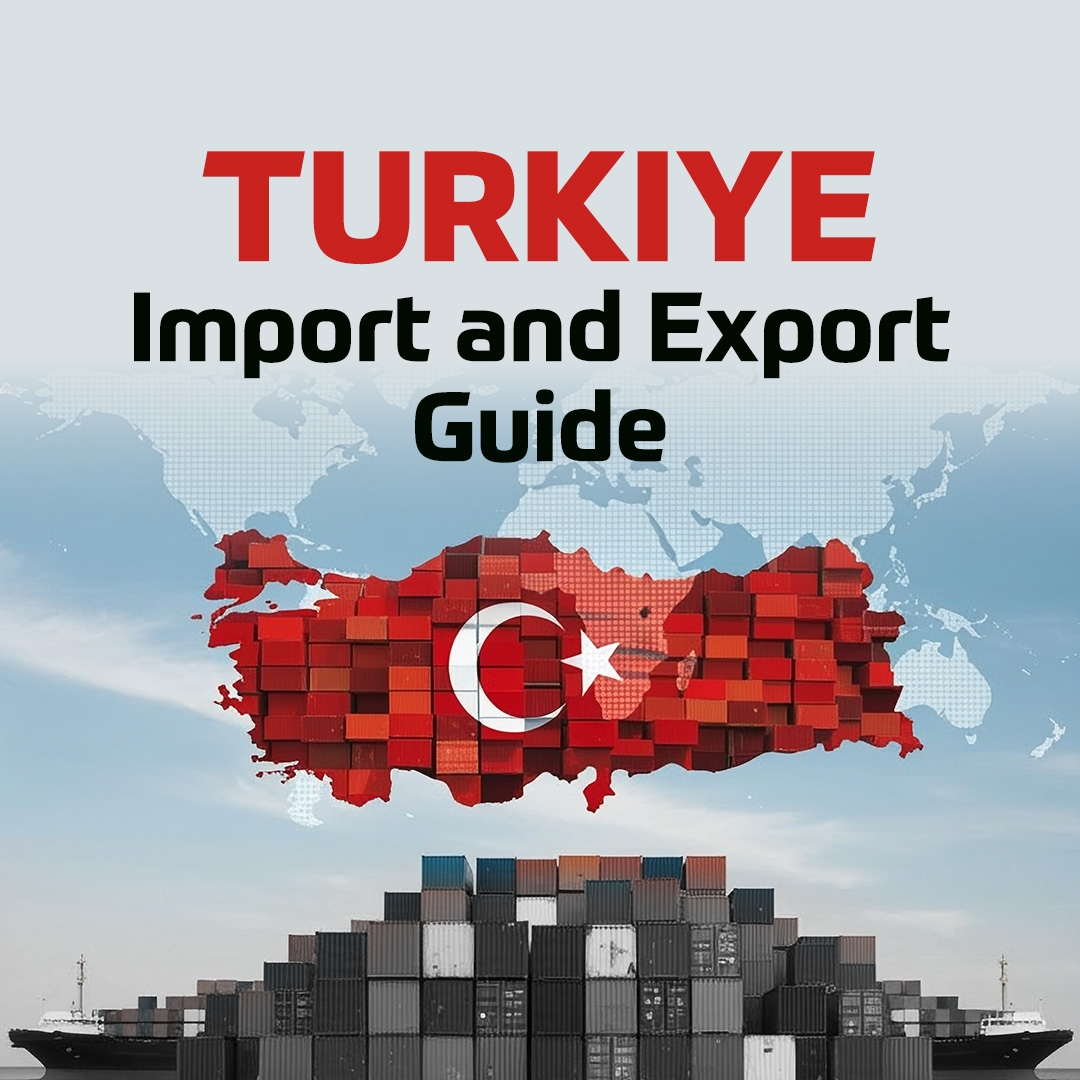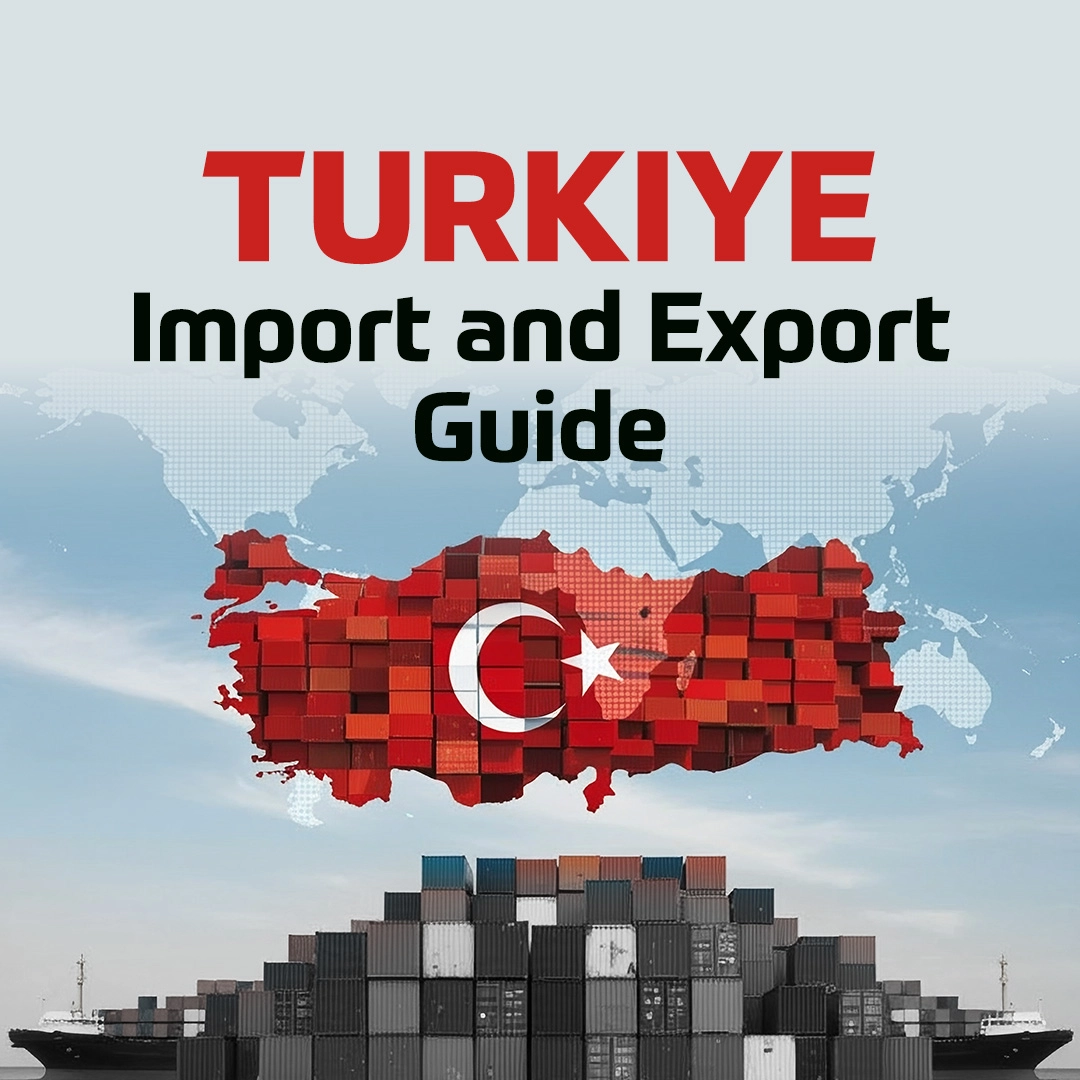
Turkey is one of the most strategically located economies in the world, serving as a bridge between Europe, Asia and the Middle East. Its well-diversified industrial base, dynamic private sector and strong logistics infrastructure make it a major regional trade hub. This Turkey Import and Export Guide provides a complete overview of the exports and imports of Turkey, key trade partners, top traded products and how global businesses can start or scale an import export business in Turkey. It also highlights essential trends supported by official trade data and industry insights.
1. Turkey Export Import Overview
Turkey has transformed into a highly
industrialized and export-oriented economy over the last two decades. The
country’s unique geopolitical position enhances its role in global logistics
and international commerce. Today, Turkey exports a wide range of manufactured
goods such as vehicles, machinery, electronics, textiles and chemicals, making
it one of the world’s competitive exporters.
At the same time, Turkey relies on imports of
raw materials, intermediate goods and energy supplies to support its
manufacturing-driven economy. This creates a dynamic Turkey import export
balance, where both exports and imports play equally critical roles.
Overall, Turkey attracts international
companies looking for reliable suppliers, low production costs and access to
major markets.
2. Turkey Import Export Data & Trends
Turkey’s trade volume continues to expand
steadily, supported by export diversification and strong demand for industrial
goods. Key developments include:
- Increasing exports to Europe, MENA and Asia.
- Growing demand in sectors such as automotive
parts, textiles, electrical machinery and agro-based products.
- Rising imports of fuel, machinery, chemicals
and electronic components.
These trends highlight the strong upward
movement in Turkey export and import statistics, driven by industrial
growth and deepening global trade integration.
2.1. Turkey Export Data
Turkey is a robust exporter with a strong focus
on high-value manufactured goods. According to recent Turkey export and import
statistics, top export categories include:
- Automotive and vehicle parts
- Machinery and mechanical appliances
- Electrical equipment and electronics
- Textiles and apparel
- Plastics and plastic articles
- Iron and steel products
- Agricultural products such as hazelnuts,
fruits, vegetables and olive oil
These sectors contribute significantly to Turkey's
important products, making them central to the nation’s economic growth.
Demand for products such as automotive
components, home appliances and textiles continues to increase across Europe,
which remains Turkey’s largest export market. Because of this, global buyers
rely heavily on export in Turkey across many industries.
2.2. Turkey Import Data
Turkey’s imports are largely driven by
industrial needs, energy consumption and domestic manufacturing requirements.
The major imports in Turkey include:
- Mineral fuels and crude oil
- Machinery and mechanical appliances
- Electronic equipment
- Iron and steel
- Precious metals
- Plastics
- Organic chemicals
- Medical devices and pharmaceuticals
These categories reflect the country’s reliance
on intermediate goods that support its export-oriented industries. Businesses
evaluating opportunities as a Turkey importer should closely monitor
exchange rate trends, customs duties and energy-related imports.
3. How to Start an Import Export Business in Turkey?
Entrepreneurs planning to launch an import
export business in Turkey must follow several essential steps:
Register Your Company: Foreign investors can establish a
business in Turkey with 100% ownership. Registration involves:
- Obtaining tax numbers
- Registering with the Trade Registry
- Preparing notarized corporate documents
Understand Turkey Import Requirements: To start importing, businesses must
comply with Turkey import requirements, including:
- Customs declarations
- Product-specific certifications
- Tariffs and VAT payments
- Compliance with TAREKS (Risk-Based Trade
Control System)
Identify Verified Suppliers or Buyers: Companies should work with reliable
import and export companies in Turkey and verify their commercial
records through official data sources.
Check HS Codes and Trade Regulations: Accurate HS code classification is
essential for compliance, customs clearance and determining duty rates.
Logistics and Shipping Planning: Turkey has major ports such as
Istanbul, Izmir, Mersin and Gemlik, providing strong access to global markets.
Businesses that follow these steps can
effectively enter the Turkish market and ensure long-term success.
4. Which Countries Import the Most from Turkey?
Turkey exports to more than 200 global markets.
The countries that import the most from Turkey include:
- Germany
- United Kingdom
- Italy
- United States
- Iraq
- France
- Spain
- Netherlands
- Egypt
- Romania
European Union nations account for over half of
Turkey’s export value, particularly in automotive, textiles, home appliances
and machinery. This strong demand supports the continuous growth of Turkey
major exports across global markets.
5. Major Import Partners of Turkey
Turkey sources essential goods from a diverse
range of countries. The top import partners include:
- Russia (mainly energy products)
- China (electronics, machinery, consumer
goods)
- Germany (industrial machinery and vehicles)
- United States (aircraft parts, electronics,
chemicals)
- Italy (machinery, metals, chemicals)
- India (raw materials, chemicals, minerals)
These international partners contribute
significantly to Turkey’s industrial development and allow the country to
maintain strong Turkey import export statistics globally.
6. Turkey Imports by Country
Turkey imports a wide variety of products from
global markets, depending on industry needs and economic conditions.
Asia and Europe supply the majority of imported
goods, though imports from the Americas and the Middle East have also increased
steadily.
Below are key bilateral trade relationships:
6.1. Import Export Between India and Turkey
Trade between India and Turkey continues to
grow steadily, supported by complementary industrial strengths and increasing
demand across both markets. India primarily exports organic chemicals,
pharmaceuticals, cotton, machinery and mineral fuels to Turkey, supplying many
of the raw materials and intermediate goods needed by Turkish manufacturers.
In return, Turkey exports automotive parts,
machinery, marble and natural stones, textiles and steel products to India,
strengthening its position as a reliable supplier in various industrial and
consumer sectors. This dynamic trade relationship plays an important role in
the broader exports and imports of Turkey, enhancing economic cooperation and
creating new opportunities for businesses in both countries.
6.2. Import from Turkey to the USA
Trade between Turkey and the United States
continues to expand, driven by strong industrial cooperation and increasing
demand for high-quality manufactured goods. United States companies frequently
import vehicles and automotive parts, steel products, carpets, textiles,
furniture, plastics and various types of machinery from Turkey. These product
categories appeal to American buyers due to their competitive pricing, reliable
quality and strong production capacity. As a result, Turkey has strengthened its
position as a key supplier to the U.S. market, supporting long-term commercial
partnerships and contributing to the overall growth of bilateral trade.
7. TradeAtlas: Global Import Export Data for Better Market Insights
Businesses aiming to analyze markets, discover
new buyers or identify reliable suppliers can benefit greatly from TradeAtlas’
extensive global trade database. TradeAtlas provides official customs-based
import and export statistics for more than 200 countries, allowing users to
explore shipment details, product-level trade movements and international
trading patterns.
Companies can view which importer purchased
which product, from which supplier, at what price, and in what quantity, based
entirely on verified bill of lading and customs records. This makes TradeAtlas
a powerful tool for researching new markets, understanding global demand and
connecting with import and export companies across different regions, helping
businesses strengthen their international trade strategies with accurate and
comprehensive data insights.
8. Turkey Import Export FAQ
Turkey’s trade structure is diverse and
dynamic, which often leads businesses to ask common questions about export
procedures, major traded products, customs requirements and trade partners.
This FAQ section provides concise answers to the most frequently asked
questions regarding the exports and imports of Turkey, helping companies better
understand the country’s trade environment and identify new opportunities in
global markets.
8.1. What are Turkey’s biggest exports?
Some of Turkey biggest export categories
include automotive products, machinery, electrical appliances, textiles,
furniture, plastic goods and agricultural products such as nuts and fruits.
These industries form the foundation of Turkey's major exports.
8.2. What are Turkey’s major import products?
The major imports in Turkey are energy
products, machinery, electronics, metals, chemicals and raw materials. These
imports support the country’s strong manufacturing ecosystem and global
competitiveness.
To learn more about import export USA, you can read our blog post "America Import and Export Guide (U.S.
Trade Overview 2025)".