The RoHS directive has become one of the most important compliance frameworks in global trade and manufacturing. Short for “Restriction of Hazardous Substances”, RoHS regulates the use of certain harmful materials in electrical and electronic equipment. Understanding RoHS meaning, its compliance requirements, and global impact is essential for businesses engaged in international trade, especially importers and exporters dealing with electronics and related components. This blog provides a comprehensive overview of what RoHS is, why it matters, and how businesses can stay compliant.
1. What is RoHS Directive?
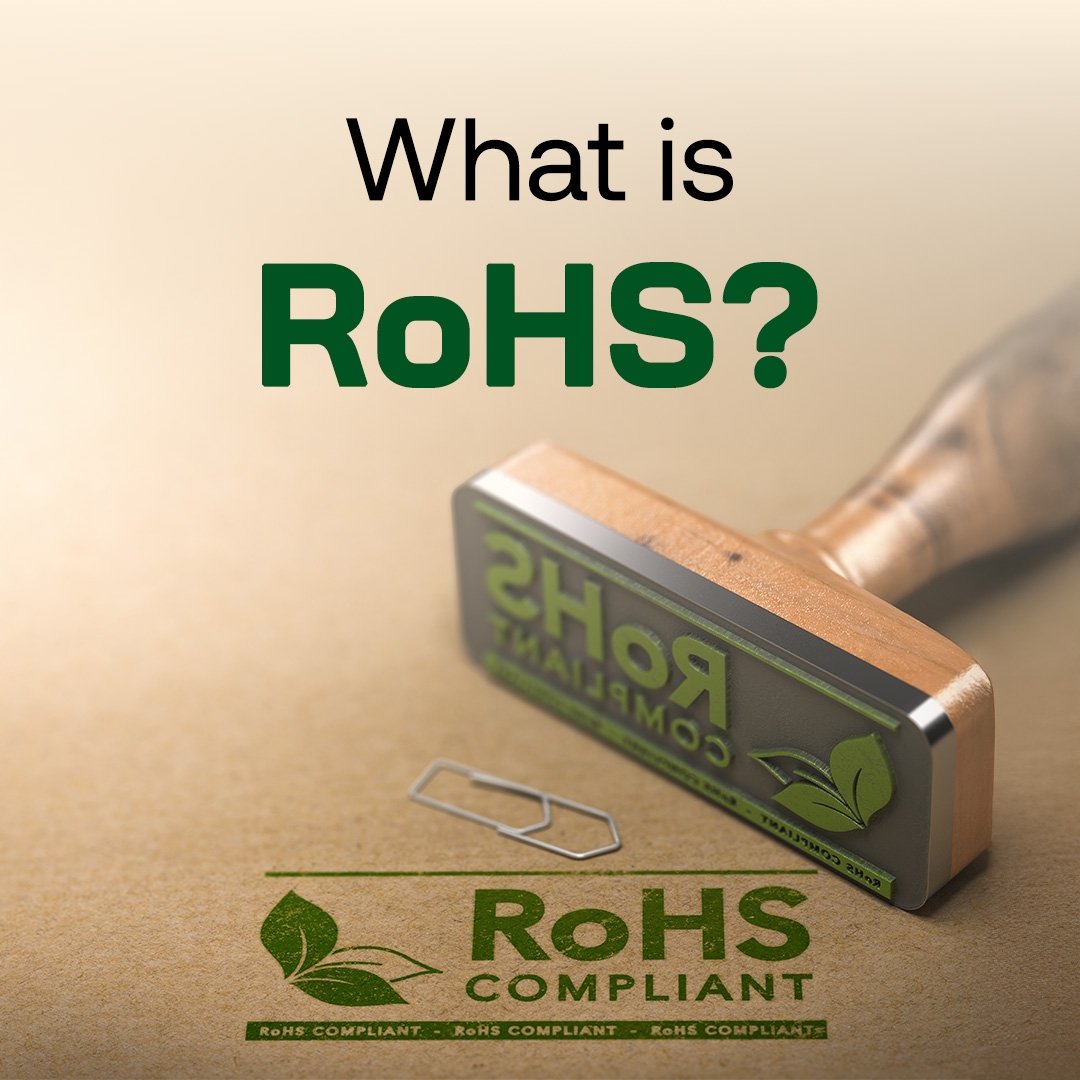
The directive RoHS, officially known as
Directive 2002/95/EC and later updated as Directive 2011/65/EU (RoHS 2), was
first adopted by the European Union. Its primary purpose is to restrict the use
of hazardous substances in electrical and electronic equipment (EEE).
The original version limited six substances,
including lead, mercury, cadmium, hexavalent chromium and certain flame
retardants (PBB and PBDE). Later revisions expanded this list to include four
additional phthalates, bringing the total to ten restricted substances.
In simple terms, what is RoHS stand for?
It stands for Restriction of Hazardous Substances. The law applies to a wide
range of RoHS products, from large household appliances and IT equipment to
toys and lighting devices. Manufacturers, importers and distributors are
responsible for ensuring their products do not exceed the maximum concentration
levels of these restricted materials.
2. What is RoHS Compliance?
RoHS compliance means that a product has been tested,
documented and certified as meeting the limits for restricted substances set
out in the directive. Companies must perform due diligence, maintain technical
documentation and, in many cases, affix the CE mark to show conformity.
To answer what is RoHS certified, it
refers to a product that has been tested against the RoHS directive and
verified as compliant. Certification typically involves laboratory testing of
materials and parts, documentation of supply chains and continuous monitoring
of production processes.
What is RoHS material? This term often refers to
materials that do not contain restricted substances above threshold levels. For
instance, solder that is free of lead or plastic that does not contain harmful
flame retardants would be considered RoHS-compliant materials.
3. Why Is RoHS Important?
The importance of RoHS goes beyond regulatory
compliance. It plays a crucial role in:
Protecting the environment: By reducing hazardous substances,
RoHS helps prevent soil and water contamination when electronic waste is
disposed of.
Ensuring human health: Workers in manufacturing and
recycling industries are less exposed to toxic chemicals.
Supporting international trade: Many countries outside the EU have
adopted similar restrictions, so RoHS compliance opens the door to more
markets.
Enhancing brand reputation: Companies that demonstrate
compliance build trust with environmentally conscious consumers and business
partners.
The difference between RoHS and non RoHS
products is significant. Non-compliant items can be barred from entering
certain markets, result in legal penalties and damage a company’s image.
RoHS-compliant products, on the other hand, provide safer, greener and legally
accepted alternatives.
4. How Do I Know If a Product Is RoHS Compliant?
Determining if a product is compliant can be
done in several ways:
Supplier Declarations: Manufacturers often provide a RoHS
Certificate of Compliance.
CE Marking: In the EU, many RoHS-compliant products
display the CE mark, which signifies conformity to EU legislation.
Testing Reports: Accredited laboratories can test components
for restricted substances.
Documentation Review: Technical files and bills of
materials can be inspected for compliance.
Consumers and businesses should look for
official documentation when verifying RoHS products. If in doubt,
request testing reports or certificates from suppliers.
5. RoHS Around the World
While RoHS originated in the European Union,
its influence has spread worldwide as many countries have adopted similar
regulations to control hazardous substances in electronics. For example, China
introduced “China RoHS,” which requires labeling and disclosure of restricted
materials, while in the United States, states such as California enforce
RoHS-style restrictions. Likewise, Japan and South Korea have implemented
national standards that align with RoHS principles, and countries like India
have also adopted comparable frameworks to regulate harmful substances in
electrical and electronic equipment. This global expansion underscores the fact
that RoHS compliance has become a de facto international requirement, making it
essential for manufacturers and traders to ensure their products meet these
standards to access global markets.
6. RoHS Updates & Revisions
Since its introduction, RoHS has undergone
several updates:
RoHS 2 (2011/65/EU): Expanded scope, included CE
marking, and required technical documentation.
RoHS 3 (2015/863): Added four phthalates to the list of
restricted substances.
Ongoing discussions: The European Commission continues
to review and potentially expand the list to cover additional harmful
materials.
Companies must stay updated, as non-compliance
due to outdated knowledge can lead to significant financial losses.
7. TradeAtlas and RoHS: Empowering Global Compliance
For businesses engaged in import and export,
understanding compliance frameworks like RoHS is critical. With TradeAtlas, you
can access comprehensive international trade data to identify reliable suppliers of RoHS products, track markets with
strict regulations and gain insights into competitors’ trade activities.
Whether you’re sourcing electronics, components
or materials, TradeAtlas helps ensure that your supply chain meets RoHS
compliance requirements, reducing risks and strengthening your global trade
strategy.
8. RoHS FAQ
The RoHS FAQ section is designed to answer the
most common questions businesses and consumers have about this directive.
8.1. What is meant by RoHS?
RoHS stands for “Restriction of Hazardous
Substances.” It refers to a directive that restricts the use of certain harmful
materials in electronics and electrical products.
8.2. What are the 10 substances in RoHS?
The restricted substances include lead (Pb),
mercury (Hg), cadmium (Cd), hexavalent chromium (Cr6+), PBB, PBDE, DEHP, BBP,
DBP and DIBP.
8.3. Why is RoHS important?
RoHS ensures safer products, reduces
environmental pollution and is mandatory in many markets. The difference
between RoHS and non-RoHS products is that non-compliant items cannot be
legally sold in regulated regions.
8.4. How do I know if a product is RoHS compliant?
Check for CE markings, supplier certificates
and laboratory testing results. Asking suppliers for proof of what is RoHS
certified documentation is a reliable step.
Understanding RoHS compliance is essential for
companies involved in electronics manufacturing and trade. The directive
ensures safer, greener and legally accepted products in the global marketplace.
From knowing what RoHS is stands for to recognizing the difference between RoHS
and non-RoHS products, businesses must stay updated to succeed internationally.
With tools like TradeAtlas, exporters and
importers can identify trustworthy suppliers, monitor global trends and stay
compliant with the directive RoHS requirements. In an era where environmental
responsibility and global regulations go hand in hand, RoHS is not just a
directive; it is a gateway to sustainable and profitable trade.