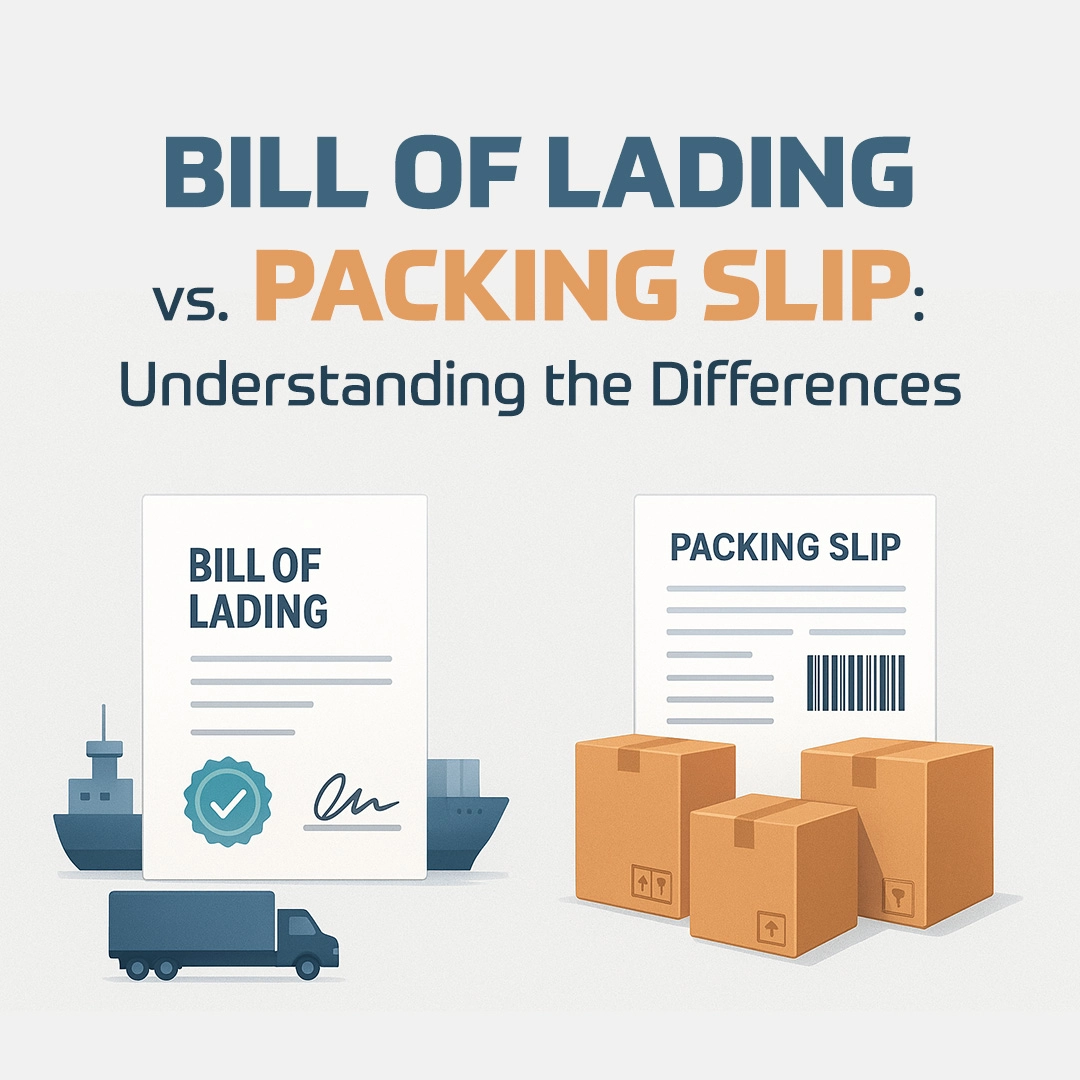
In international trade, accuracy and documentation are vital for ensuring that goods are shipped efficiently and reach their final destination without delay. Among the key documents used in shipping are the bill of lading and the packing slip. These documents may seem similar at first glance, but they serve different legal and operational functions. Understanding the difference between a bill of lading and packing slip helps exporters, importers and logistics providers prevent costly mistakes, customs issues and delivery disputes.
1. What is Bill of Lading?
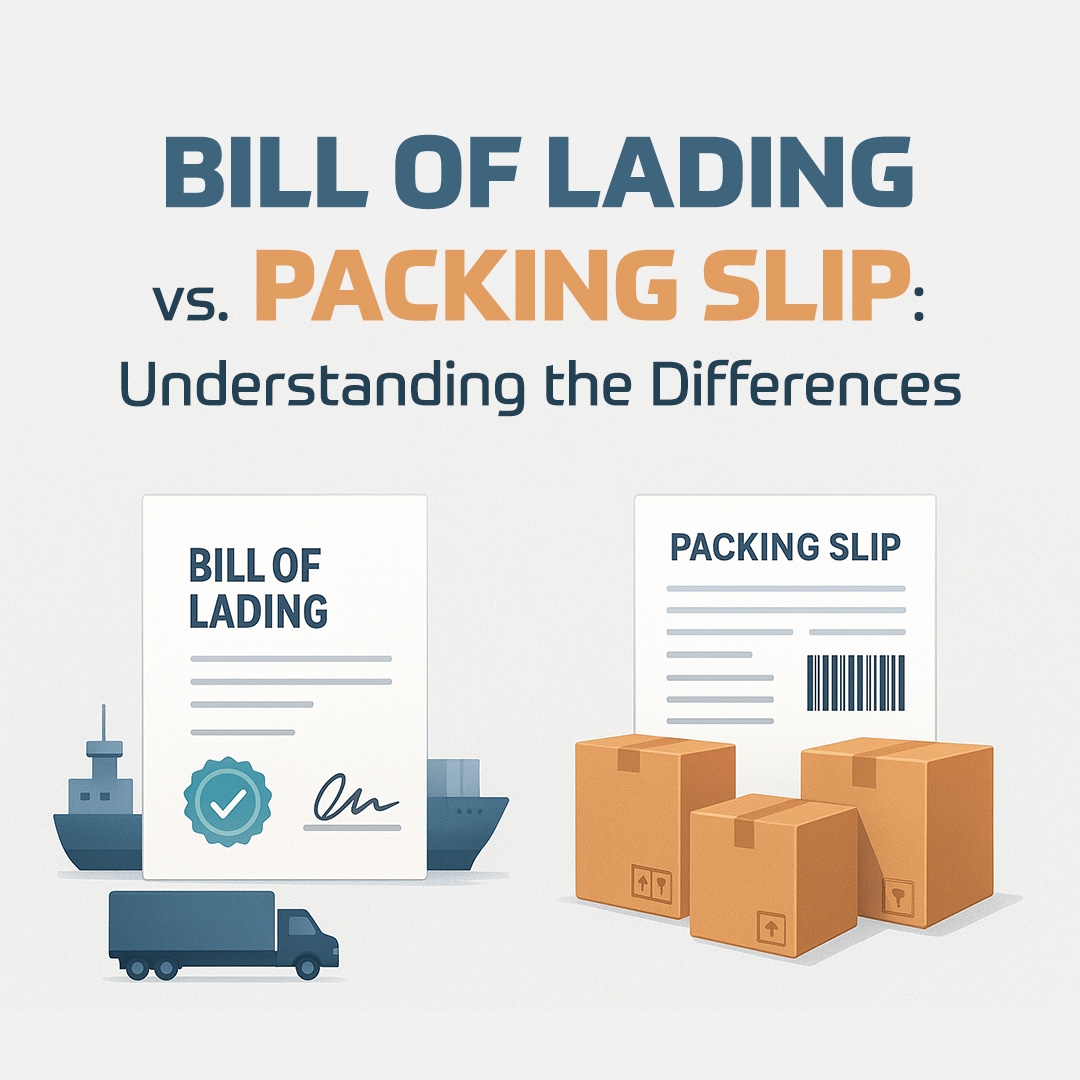
The bill of lading (B/L) is a legal document
issued by a carrier to acknowledge receipt of goods for shipment. It acts as a
contract of carriage, a receipt of goods and a document of title, all in one.
This document confirms that the carrier has received the goods from the shipper
in good condition and agrees to transport them to the designated destination.
Functions of a Bill of Lading:
- Evidence of Contract: The bill of lading serves as a
binding contract between the shipper and the carrier, detailing the terms of
transport, responsibilities and liabilities.
- Receipt of Goods: It acknowledges that the goods described have
been received and loaded for shipment.
- Title of Goods: The holder of the original bill of lading has
the legal right to claim ownership of the goods upon arrival.
Types of Bill of Lading:
There are several types of bills of lading
depending on how ownership and shipping responsibilities are handled:
- Straight Bill of Lading: Non-negotiable and consigned to a
specific person or company.
- Order Bill of Lading: Negotiable and can transfer
ownership through endorsement.
- Bearer Bill of Lading: Goods are delivered to whoever
holds the document.
- Clean Bill of Lading: States that goods were received in
good condition.
- Claused Bill of Lading: Notes damages or discrepancies in
the shipment.
- Through Bill of Lading: Covers shipments across multiple
carriers or transport modes.
Understanding what is bill of lading is critical for international traders because this document serves as
legal proof in case of disputes, cargo loss or insurance claims. It also plays
a central role in customs clearance and payment terms under letters of credit.
Errors or missing details on the bill of lading, such as incorrect consignee
names, missing signatures or inconsistent quantities, can cause serious
shipment delays or legal complications.
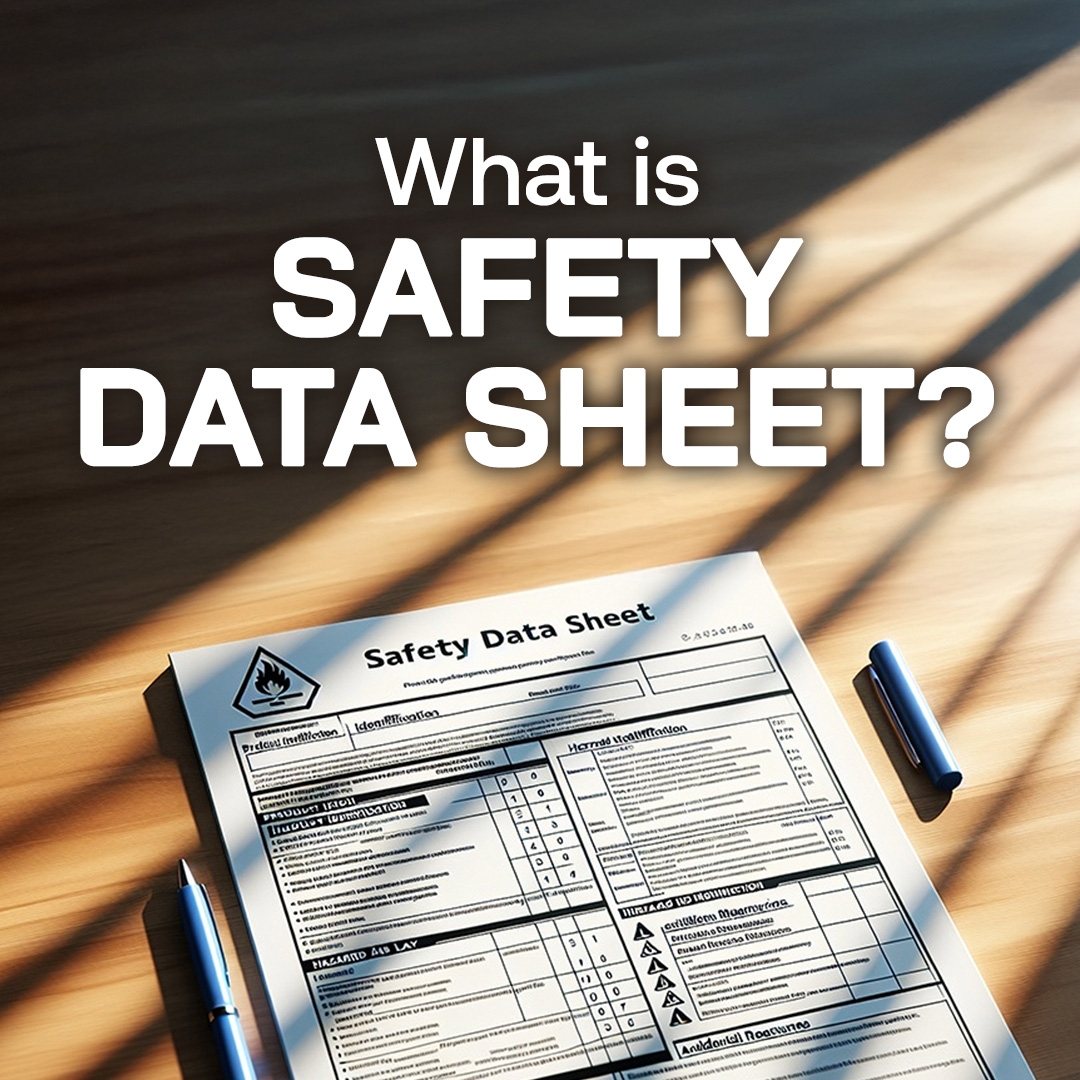
2. What is Packing Slip?
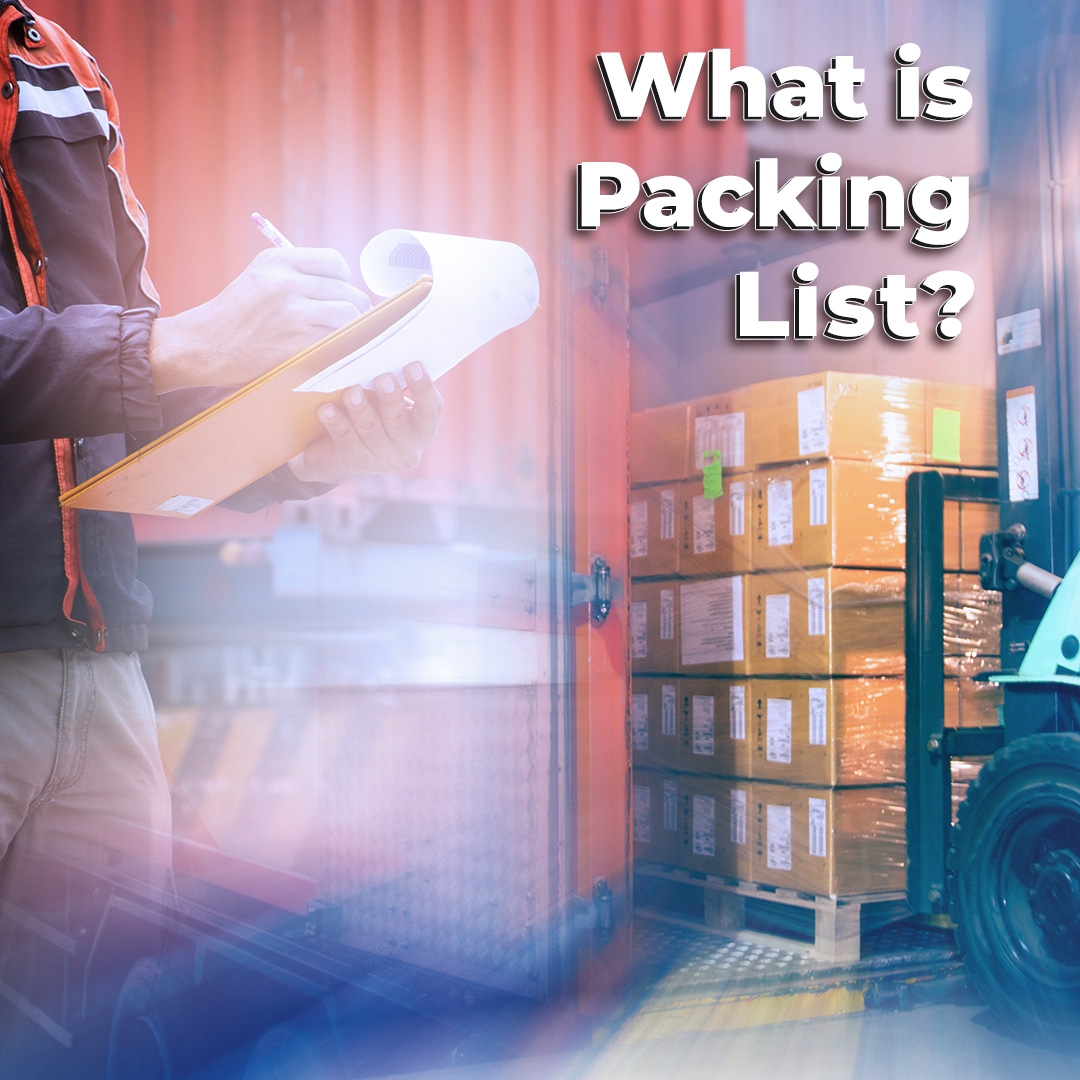
A packing slip, also known as a packing list,
is a document created by the exporter that details the contents of a shipment.
It is typically placed inside the package or attached to the outside of a box
for easy inspection. Unlike the bill of lading, the packing slip is not a legal
document but an operational record that helps verify what was shipped and
received.
Functions of a Packing Slip:
- Verification of Contents: It allows both shipper and receiver
to confirm that the correct items and quantities were sent.
- Customs Support: Customs officers often use the packing slip to
verify goods during inspection.
- Inventory Management: Warehouses rely on packing slips to
manage incoming and outgoing stock accurately.
Information Included in a Packing Slip:
A standard packing slip includes details such
as:
- Names and addresses of shipper and consignee
- Purchase order or invoice number
- Item description, SKU and quantity
- Net and gross weights
- Package dimensions
- Number of boxes or pallets
The packing slip ensures operational accuracy.
It helps reduce errors in delivery, supports customs verification and ensures
transparency between exporter, importer and logistics agents. However, missing
or inconsistent data, like incorrect HS Codes or quantities, can cause customs
issues and delivery delays. For this reason, consistency between the packing
slip, commercial invoice and bill of lading is essential.
3. Bill of Lading vs. Packing Slip
Although both documents accompany a shipment,
the bill of lading and packing slip serve completely different roles in
logistics. The bill of lading is a legal contract and proof of ownership, while
the packing slip is a verification tool for the contents of a shipment.
The bill of lading is issued by the carrier,
serving as formal proof that the goods have been received and will be delivered
under specified terms. It plays a vital role in customs clearance, as it is
often required for import and export documentation, insurance and payment
processing. The packing slip, on the other hand, is created by the exporter to
list the items, their quantities and packaging details. It helps warehouse and
receiving teams ensure that the correct products are shipped and delivered.
In simple terms, the bill of lading ensures
legal compliance and ownership rights, while the packing slip ensures physical
accuracy and order verification. One governs the transportation contract; the
other governs the shipment contents.
For example, if a Turkish exporter ships
textile machinery to Germany, the bill of lading will legally record that the
goods have been loaded onto a vessel bound for Hamburg, listing the container
number and weight. The packing slip, meanwhile, will specify the individual
components inside each crate, like machine parts and serial numbers, so the
buyer can confirm the order’s accuracy.
When the details on both documents are
consistent, customs clearance becomes smooth and efficient. However, if there
are discrepancies between them, shipments may be delayed or even rejected by
customs authorities. Therefore, understanding the bill of lading vs packing
slip difference prevents confusion, penalties and delivery errors in global
logistics.
To avoid common mistakes, exporters should
ensure that product descriptions, quantities and HS Codes match across all
documents. The bill of lading must be signed by both shipper and carrier, while
the packing slip must clearly state package numbers and weights. Missing or
inconsistent data is one of the most frequent causes of customs delays, so
document alignment is critical for every shipment.
4. Streamlining International Trade Documentation with TradeAtlas
Accurate trade documentation is the backbone of
global logistics, and the bill of lading plays a central role in this process.
To better understand global trade flows and business connections, companies
need access to transparent and verifiable shipment data. This is exactly what
TradeAtlas provides.
TradeAtlas compiles its extensive database
using official customs records and verified bill of lading documents from
around the world. These authentic data sources allow users to explore
international trade activity with unmatched accuracy.
Through TradeAtlas, users can see:
- Which company buys from which supplier,
- From which country products are shipped,
- What type of products are traded,
- At what price and in what quantity,
- Which ports are used for import and export
operations.
This transparency enables importers, exporters
and logistics professionals to identify real business opportunities, monitor
competitors and make informed trade decisions. Since the information is derived
from official bills of lading and customs filings, users gain access to highly
reliable and up-to-date data about global shipments.