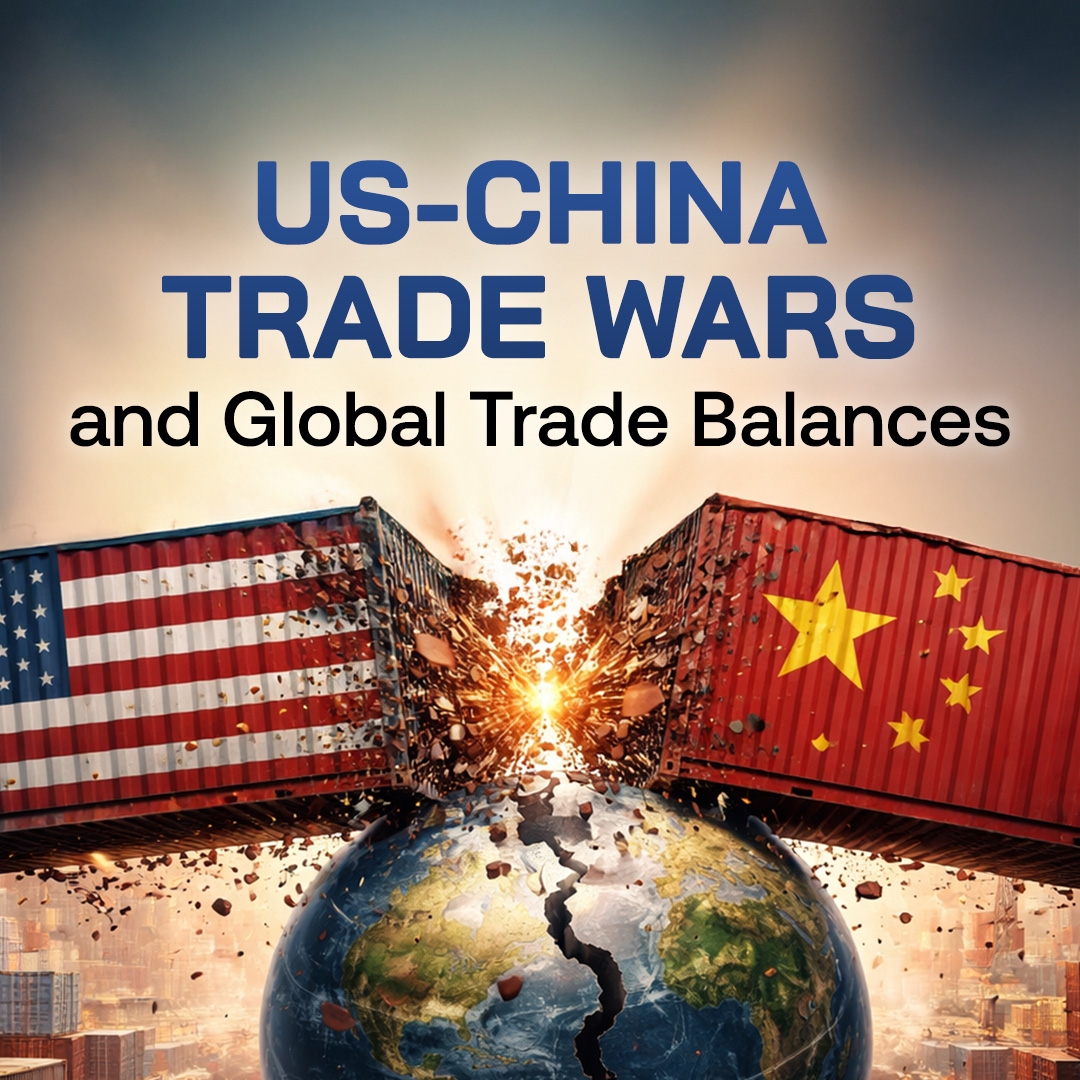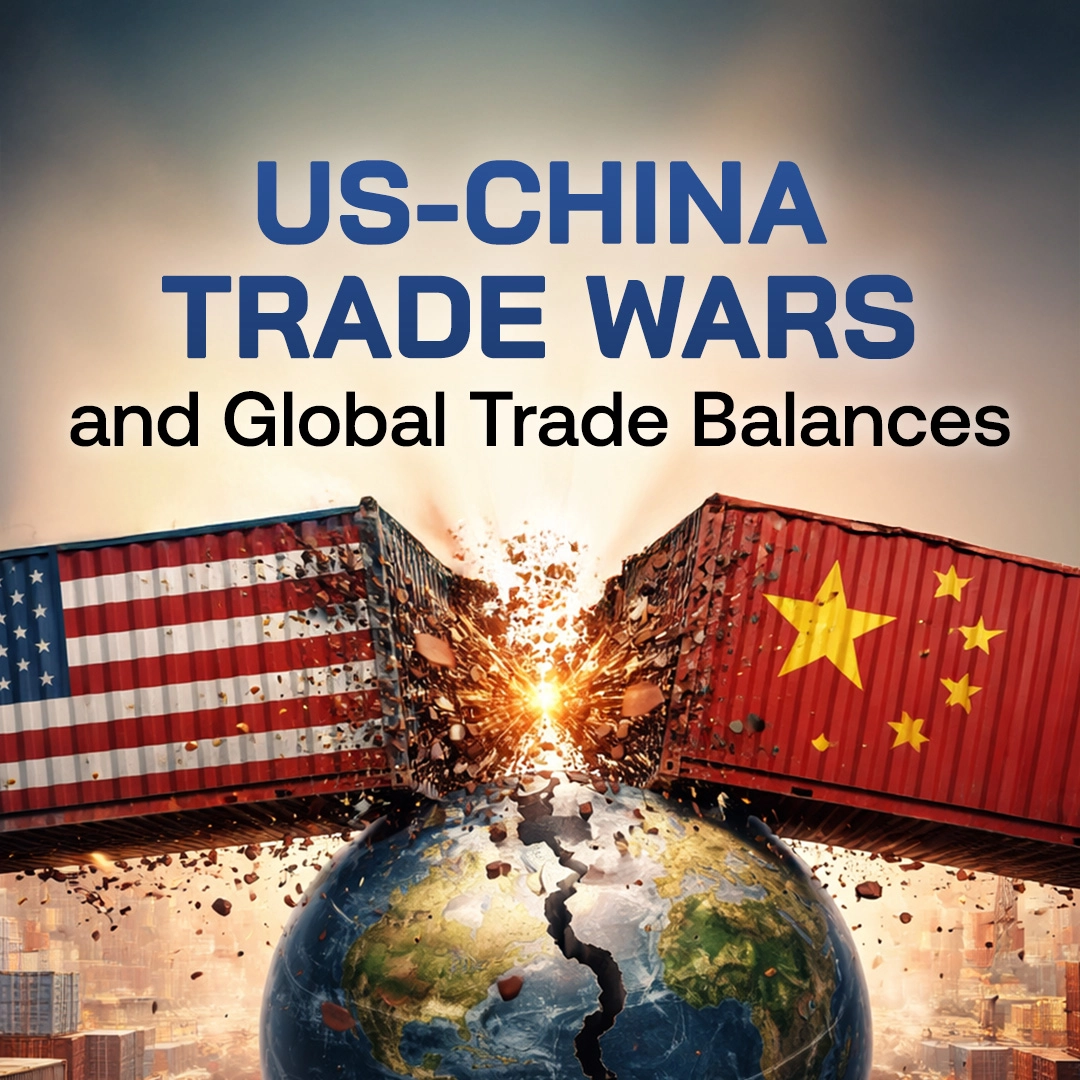
The ongoing US China trade tensions have become one of the most defining forces shaping modern global commerce. What began as a dispute over tariffs and trade deficits has evolved into a prolonged trade war US China dynamic that affects supply chains, inflation, geopolitical alliances, and global economic stability. As negotiations fluctuate between confrontation and dialogue, US China trade relations continue to redefine global trade balances and strategic economic priorities.
Where are the US-China Trade Wars Heading?
The
trajectory of the US China relations remains uncertain. While
both nations periodically signal openness to dialogue, strategic competition
has increasingly replaced cooperation. Rather than a definitive resolution, the
trade wars are transitioning into a long-term structural rivalry.
Recent
developments indicate that US China trade talks are no longer
solely about reducing tariffs but are also focused on technological dominance,
supply chain security, and national resilience. This suggests that the US
China deal narrative is shifting from short term compromises toward managed
decoupling in critical sectors.
Background to the Trade Tensions Between the US and China
The origins
of the trade war US China can be traced back to long standing
economic imbalances. The United States has consistently cited large trade
deficits, market access barriers, and intellectual property concerns as
justification for its actions. China, on the other hand, has argued that its
economic model is a legitimate path to development and global competitiveness.
As US
China trade volumes expanded over decades, structural frictions became
unavoidable. The growing influence of China in global manufacturing intensified
pressure on US industries, leading to policy responses that escalated into a
broader trade confrontation.
What are the Main Causes of the Trade Wars?
Several
interconnected factors lie at the heart of the US China trade
disputes. Trade imbalances have been one of the most visible triggers, but
deeper issues such as technology transfer, industrial subsidies, and national
security concerns play a more decisive role.
The trade
war US China is also driven by strategic rivalry. Control over advanced
technologies, data, and future industries has become a central objective. As a
result, US China relations now extend beyond commerce into
geopolitical competition.
The Impact of the US-China Trade Wars on Global Trade Flows
The US
China trade conflict has significantly altered global trade flows. Tariffs
imposed by both sides disrupted traditional export routes, forcing companies to
reconsider sourcing strategies and market priorities. As firms sought
alternatives, trade volumes shifted toward third countries.
This
reconfiguration has not eliminated global trade but has redistributed it. New
manufacturing hubs have emerged, while some established exporters face
declining competitiveness due to higher costs linked to the trade war US
China.
Tariffs and Reciprocal Sanctions
Tariffs
remain the most visible instrument of the US China trade
confrontation. Successive rounds of tariff increases raised costs across
industries, affecting everything from consumer electronics to agricultural
products.
Reciprocal
sanctions further intensified uncertainty. Even during periods of US China
trade talks, the threat of new tariff measures has continued to influence
corporate decision making and investment planning.
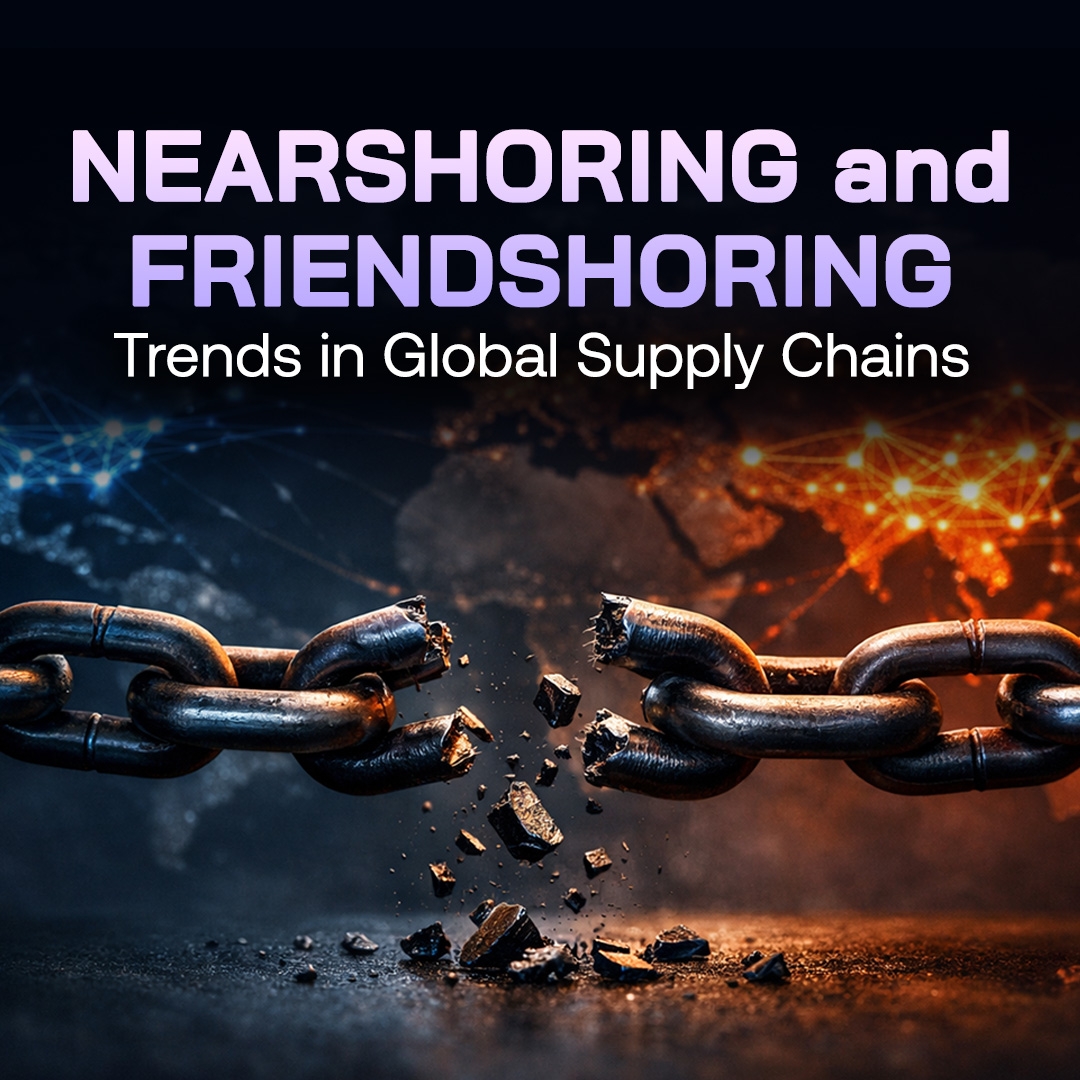
Transformation in Global Supply Chains
One of the
most profound consequences of the trade war US China has been the
transformation of global supply chains. Companies increasingly adopt
diversification strategies to reduce dependency on a single country.
Nearshoring,
friendshoring, and regional production models have gained momentum as
businesses seek stability amid volatile US China relations. These
structural changes are reshaping global manufacturing networks on a long-term
basis.
Impacts on Developing Countries
For
developing economies, the US China trade conflict presents both risks
and opportunities. Some countries have benefited from redirected investment and
manufacturing relocation, gaining access to new export markets.
However,
others face increased volatility due to fluctuating commodity prices and
reduced demand from major trading partners. The indirect effects of
the trade war US China can therefore widen disparities among
developing nations.
The Impact of the US-China Trade Wars on Energy and Raw Materials
Energy
markets and raw material supply chains have also been affected by
shifting US China trade dynamics. Tariffs and restrictions altered
demand patterns for oil, gas, metals, and agricultural commodities.
As China
diversified its energy imports away from US suppliers, global energy trade
routes adjusted accordingly. These changes highlight how the US China
trade conflict extends beyond manufactured goods into resource dependent
sectors.
Competition in Technology and High Value-Added Products
Technology
has become the central battleground of US China relations. Restrictions on
semiconductors, artificial intelligence, and advanced manufacturing equipment
illustrate how economic policy is now closely linked to national security
considerations.
The trade
war US China has accelerated competition in high value-added industries,
pushing both countries to invest heavily in domestic innovation. This rivalry
is reshaping global technology ecosystems and influencing cross border
investment flows.
The Stance of the European Union and Other Major Economies
Other major
economies, particularly the European Union, have adopted a cautious approach to
the US China trade conflict. While seeking to maintain economic ties
with both sides, they are increasingly focused on strategic autonomy and supply
chain resilience.
The global
response to US China trade tensions reflects a broader trend toward
risk management rather than full alignment with either power.
Impacts on Global Inflation and Price Fluctuations
Higher
tariffs and disrupted supply chains contributed to global inflationary
pressures. The trade war US China increased production costs, which were
often passed on to consumers.
Price
volatility became more pronounced as markets adjusted to new trade realities.
Even temporary progress in US China trade talks has not fully
reversed these inflationary effects, underscoring the lasting economic impact
of the conflict.
Future Perspectives: Will There Be a Winner in the Trade Wars?
Determining
a clear winner in the US China trade wars remains challenging. While
both countries have sought to protect strategic interests, the broader global
economy bears significant costs.
The future
of US China relations is likely to involve selective cooperation
alongside continued competition. Rather than a definitive US China
trade deal, incremental adjustments and sector specific agreements may
define the next phase.
New Power Centers in Global Trade Balances
As
the trade war US China reshapes global commerce, new power centers
are emerging. Countries that successfully integrate into reconfigured supply
chains are gaining influence in global trade balances.
These
shifts suggest that the long-term legacy of the US China
trade conflict may be a more multipolar global economy, where economic
power is distributed across multiple regions rather than concentrated between
two dominant players.
TradeAtlas and Data Driven Insights in a Fragmented Trade Environment
In an era
shaped by the US China trade wars, understanding shifting trade flows
and emerging power centers requires access to reliable and comprehensive data.
TradeAtlas enables businesses and analysts to track global trade movements,
identify changing supplier networks, and assess how US China
relations influence market dynamics.
By
providing visibility into trade volumes, partner countries, and sector specific
trends, TradeAtlas supports strategic decision making in a global economy
increasingly defined by uncertainty and transformation.
For a deeper understanding of current US
trade dynamics, regulations, and market trends, explore our comprehensive guide
on america import and export.