A comprehensive understanding of India tariff regulations is essential for companies seeking to access the Indian market. Tariff structures in India are primarily governed by the Customs Act of 1962, the Foreign Trade Policy (FTP), and notifications issued by the Central Board of Indirect Taxes and Customs (CBIC). Import duties are calculated based on the Harmonized System (HS) classification, assessable value of goods, and applicable surcharges such as Social Welfare Surcharge or Integrated GST.
In addition to revenue
generation, India’s tariff system functions as a trade policy tool, used to
protect domestic industries, regulate sensitive sectors such as energy and
agriculture, and align with international trade commitments. This guide
provides a structured overview of customs rules, duty calculation methods,
tariff schedules, and specific duty procedures in India’s trade with China, the
United States, the United Arab Emirates, and the United Kingdom.
Indian Customs Regulations
The Indian customs system
provides a structured framework to regulate imports and exports, ensuring
adherence to national legislation and international trade agreements. The
Indian Customs Act of 1962 provides the legal foundation for customs valuation
and tariff administration, while the Central Board of Indirect Taxes and
Customs (CBIC) serves as the apex authority overseeing customs, excise, and
GST-related matters. The customs system plays a dual role: generating
government revenue through duties and protecting local industries from unfair
competition. Every importer and exporter must understand the documentation,
valuation, and classification rules to avoid penalties or shipment delays. The India
customs tariff is published annually and sets out the applicable duty rates
for thousands of products. Traders who are new to India’s market must carefully
review customs rules, as compliance with India tariff policy is
essential for seamless cross-border operations.
Indian Customs Rules
The Indian customs system is not
limited to the Customs Act of 1962; import and export activities are governed
by a broader legal framework. The Foreign Trade (Development and Regulation)
Act, 1992 defines foreign trade policy and licensing requirements, while the
Customs Tariff Act, 1975 regulates product classifications and applicable duty
rates. Importers and exporters must comply with India customs limit
thresholds for travelers and goods, as well as licensing obligations for
certain restricted products. All goods are classified under the Harmonized
System (HS) codes, and customs valuation is generally based on the CIF (Cost +
Insurance + Freight) method. Duty assessments may include Basic Customs Duty
(BCD), Integrated GST (IGST), and the Social Welfare Surcharge, while
additional anti-dumping or safeguard duties can be imposed to prevent unfair
trade practices. The Central Board of Indirect Taxes and Customs (CBIC) is the
apex body administering customs and indirect taxes, whereas the Directorate General
of Foreign Trade (DGFT) oversees the implementation of India’s foreign trade
policy.
Indian Customs Duty Calculation
India follows an ad-valorem
system for calculating customs duties, meaning taxes are applied as a
percentage of the product’s assessable value. The assessable value is
determined primarily on the CIF (Cost + Insurance + Freight) basis plus landing
charges.
The calculation sequence usually
includes several components:
- Basic Customs Duty (BCD): Applied on the assessable
value according to the HS code classification.
- Social Welfare Surcharge (SWS): Generally
calculated as a percentage of the BCD.
- Integrated GST (IGST): Levied on the total of
assessable value, BCD, and SWS at the applicable rate for the product.
Where relevant, additional duties
such as anti-dumping duties or safeguard duties may also be imposed. To ensure
accuracy and compliance, businesses frequently rely on an India customs duty
calculator that incorporates all applicable duties, surcharges, and GST
implications.
Customs Duty Rates for Indian Imports and Exports
The Government of India regularly
updates the India tariff list through official notifications and the
Customs Tariff Act, ensuring that the applicable rates remain aligned with
trade policy objectives. As a result, India tariff rates vary across
product categories and often include multiple components beyond Basic Customs
Duty, such as GST, Social Welfare Surcharge, and special cesses. These duty
structures are frequently adjusted to balance revenue needs, industry
protection, and trade liberalization measures. For sectors such as energy,
tariffs are also influenced by national priorities like renewable energy
promotion and grid stability, making electricity tariff in India a
significant element in determining overall industrial trade costs.
India’s broader trade strategies
aim to protect domestic producers while fostering global competitiveness. Recent
reforms focus on simplifying duty structures, digitalizing customs procedures,
and rationalizing tariffs. Businesses are closely watching proposed India
tariff 2025 adjustments, designed to support India’s “Make in India” and
green economy initiatives. In parallel, the European Union follows these
developments under ongoing EU India tariff discussions, which could
reshape market access for key European industries.
Customs Duty Procedures in China-India Trade
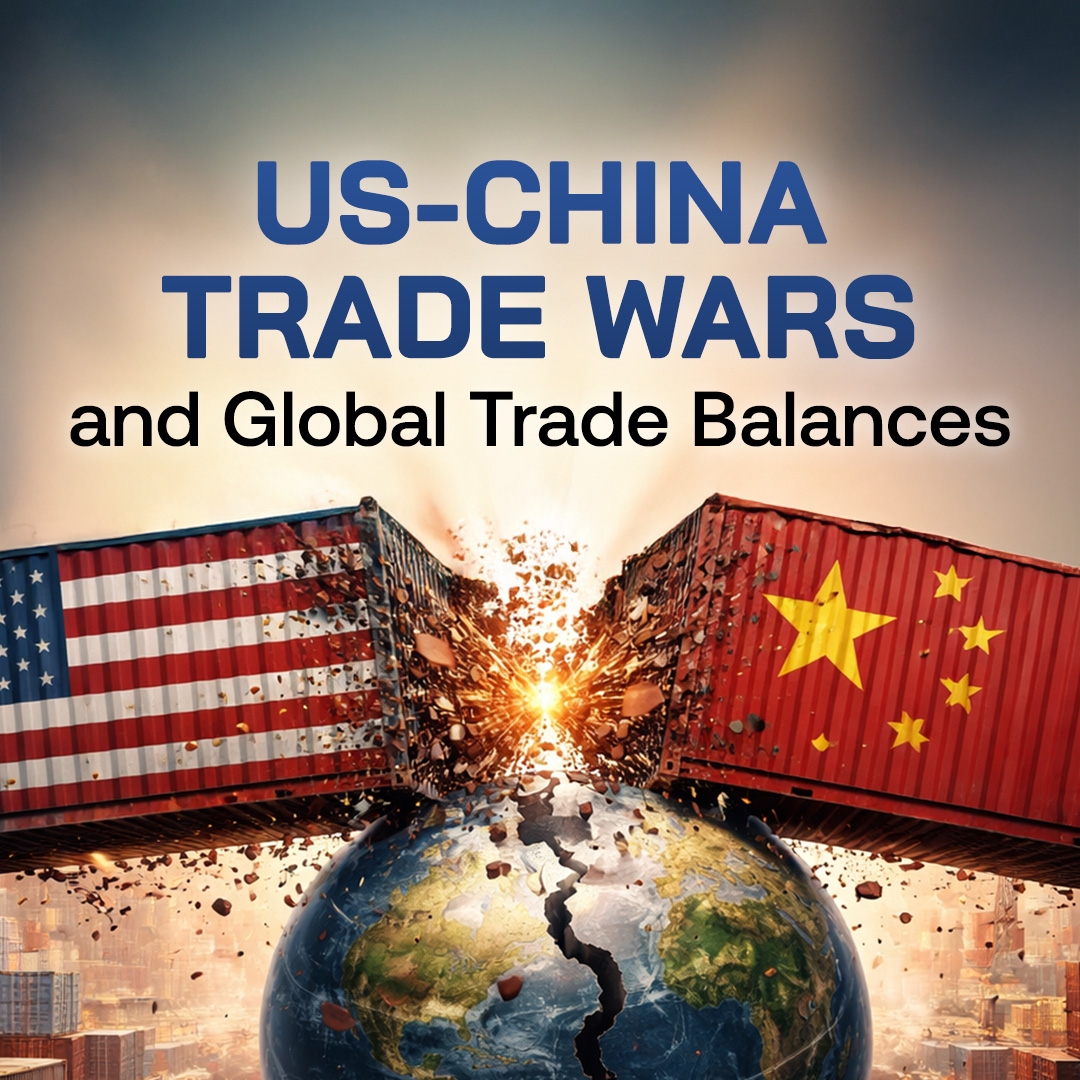
The China India tariff
framework goes beyond standard import duties; it is directly shaped by
political relations, trade balances, and sector-specific priorities between the
two countries. Due to the high volume of imports from China, India applies
various protective measures on a wide range of products. In sectors such as
electronic components, chemicals, steel products, and textiles, anti-dumping
duties and safeguard measures are frequently imposed. In addition, certain
strategic goods are subject to quotas, certification requirements, and
non-tariff technical barriers, all of which form part of the trade procedure.
For importers, one of the most
critical challenges is the frequent revision of tariffs and the swift
introduction of temporary protective measures. Therefore, companies engaged in
trade with China must closely monitor both the current HS code–based tariff
schedules and the temporary measures applied under India’s commitments to the
World Trade Organization (WTO). Otherwise, they risk unexpected cost increases
and delays at the border.
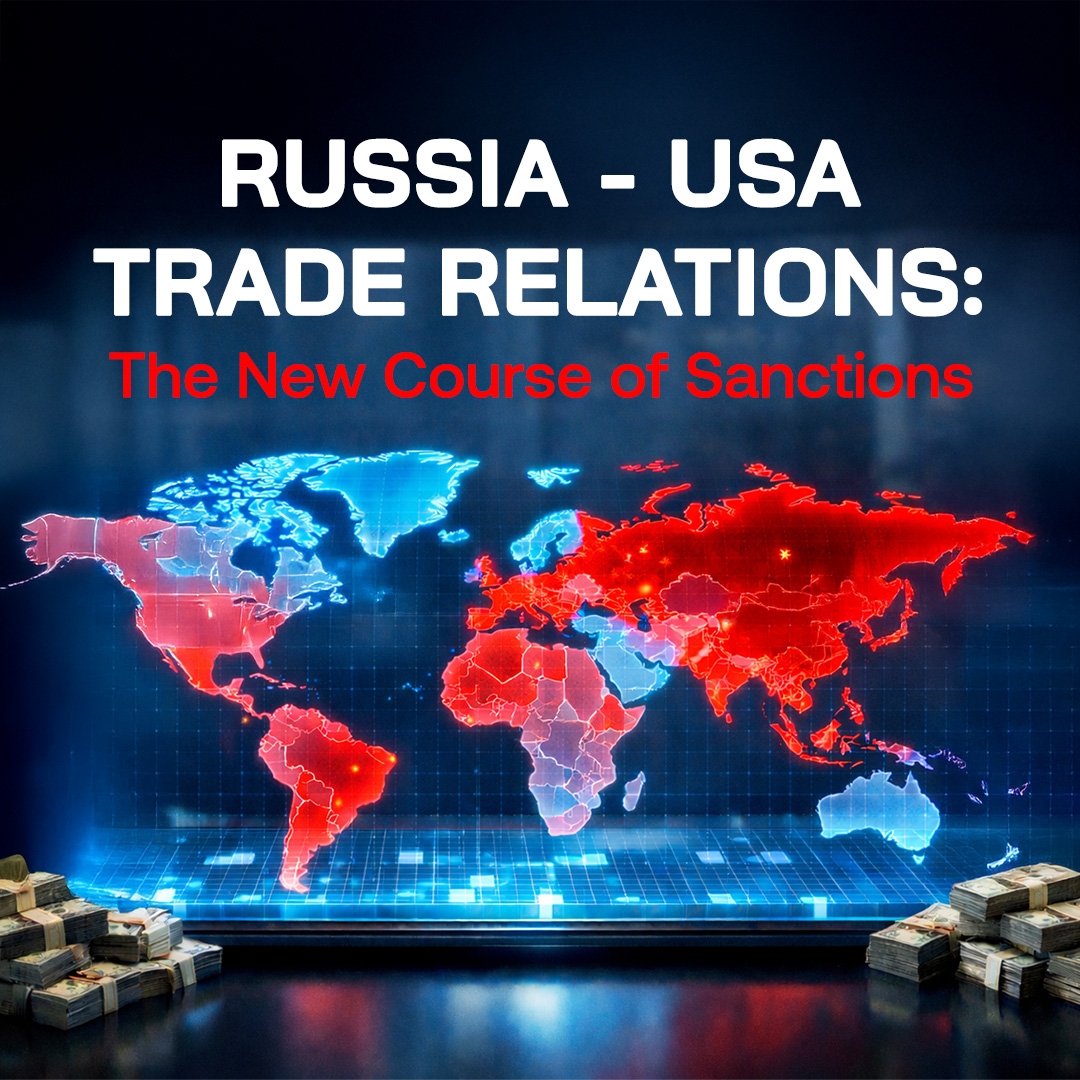
Customs Duty Procedures in United States-India Trade
The trade relationship between
India and the United States is significant but often marked by tariff
frictions. The India tariff by US has historically involved preferential
schemes such as the Generalized System of Preferences (GSP), which provided
duty-free access for selected Indian exports but has been withdrawn at times
due to policy disagreements. In response, India has also imposed higher duties
on certain American goods. Key sectors affected include agricultural products,
medical devices, textiles, chemicals, and energy-related items. Businesses must
therefore pay close attention to updates on the India tariff on US goods,
as changes in tariff policy frequently reflect ongoing negotiations, strategic
considerations, and geopolitical developments. For companies on both sides,
understanding these shifting rules is essential to avoid unexpected costs and
to plan supply chains more effectively.
Customs Duty Procedures in United Arab Emirates-India Trade
The UAE is one of India’s largest
trading partners, particularly in energy, gems, and precious metals. The
India–UAE Comprehensive Economic Partnership Agreement (CEPA), which came into
force on May 1, 2022, represents a landmark step in bilateral relations as
India’s first CEPA with a major Middle Eastern country. The agreement reduces
or eliminates tariffs, streamlines customs procedures, and expands market
access across goods and services. For Indian exporters, this provides
substantial customs duty advantages and new opportunities to grow in both the
UAE and the wider Gulf Cooperation Council (GCC) region, while fostering
long-term competitiveness and transparency in trade.
Customs Duty Procedures in United Kingdom-India Trade
The India–UK Comprehensive
Economic and Trade Agreement (CETA), signed in July 2025, introduces a
modernized Customs and Trade Facilitation framework to make bilateral trade
faster, more transparent, and predictable. Key measures include commitments to
release goods within 48 hours where possible, simplified customs processes such
as deferred duty payments and reduced guarantees for trusted traders, and full
digital access to customs rules and procedures in English. The agreement also
ensures fair appeal mechanisms, proportionate penalties, and closer cooperation
between the two customs authorities through information sharing and risk
management. Together, these provisions are designed to reduce costs, improve
efficiency, and support stronger trade flows between India and the United
Kingdom.
TradeAtlas: Data-Driven Insights for Tariff and Customs Compliance
Keeping pace with India’s complex
customs duties and changing tariff regulations requires more than knowledge of
legal texts—it demands accurate, real-world trade intelligence. TradeAtlas
provides access to verified international
trade data, enabling companies to analyze shipment flows, track importer
and exporter activity, and understand how tariff adjustments affect actual
trade patterns. By combining customs policies with transparent trade data,
TradeAtlas equips businesses to anticipate regulatory shifts, manage compliance
risks, and strategically expand in the Indian market with greater confidence.