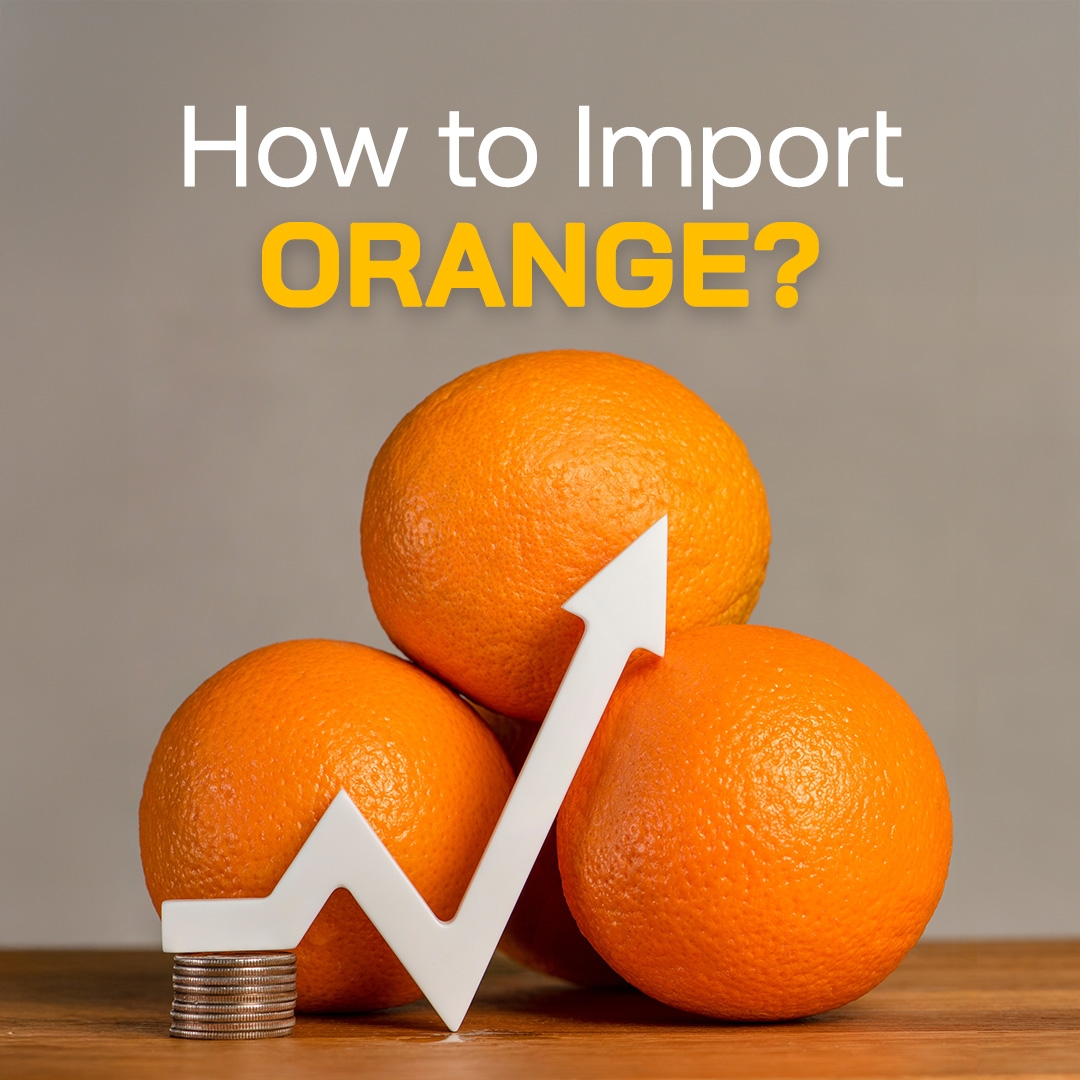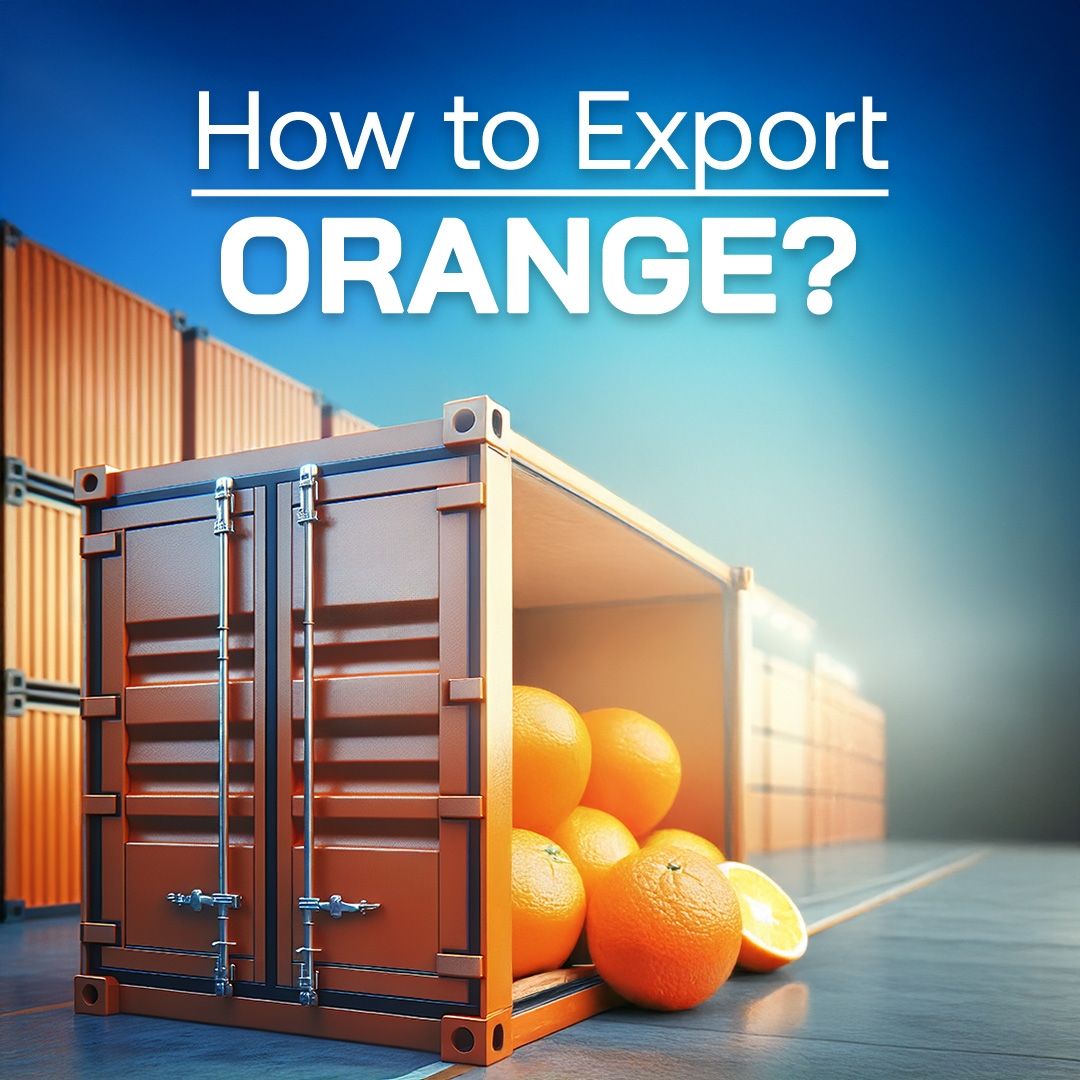
Oranges are among the most consumed fruits worldwide, valued for their refreshing taste and high vitamin C content. Many countries have built strong export industries around oranges, making the citrus trade a profitable venture for both farmers and businesses. This comprehensive guide will help you understand how to navigate the orange export process successfully, from preparation to delivery.
Steps to Export Orange Successfully
Exporting oranges involves several critical
steps to ensure fruit quality, compliance with international standards and
profitable trade outcomes. Here’s how to get started:
1. Market Research: Identify target orange export countries and
analyze their demand, seasonal trends and import requirements.
2. Quality Assurance: Choose the best orange varieties
for export, maintain orchard hygiene and harvest at optimal ripeness.
3. Packaging and Grading: Sort oranges by size and grade; use
export-standard, pest-free packaging to protect the fruit during transit.
4. Compliance: Obtain necessary certifications, such as
phytosanitary certificates, and follow each destination’s quarantine and health
guidelines.
5. Logistics Planning: Partner with reliable freight
forwarders and choose appropriate shipping methods (air or sea freight).
6. Marketing and Sales: Connect with buyers, negotiate
terms and prepare export contracts clearly outlining payment, shipping and
dispute clauses.
By following these steps, you can position
yourself among the trusted orange exporters in the global market.
Orange Export Procedures and Documentation
To legally export oranges, traders must comply
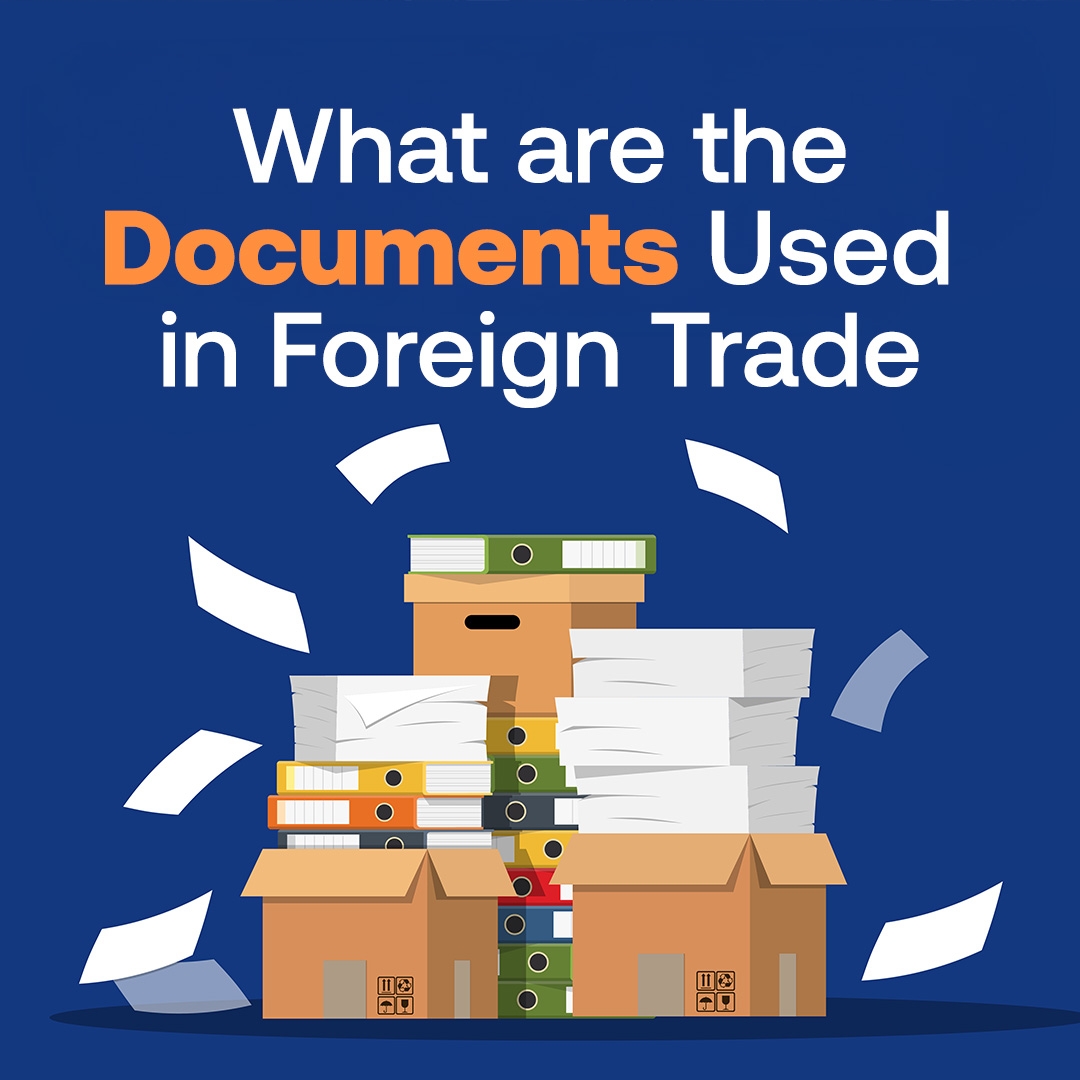
with local and international export regulations. Key procedures and documents
include:
1. Export License: Issued by the relevant agricultural or trade
authorities in your country.
2. Phytosanitary Certificate: Confirms the shipment is free from
pests and diseases.
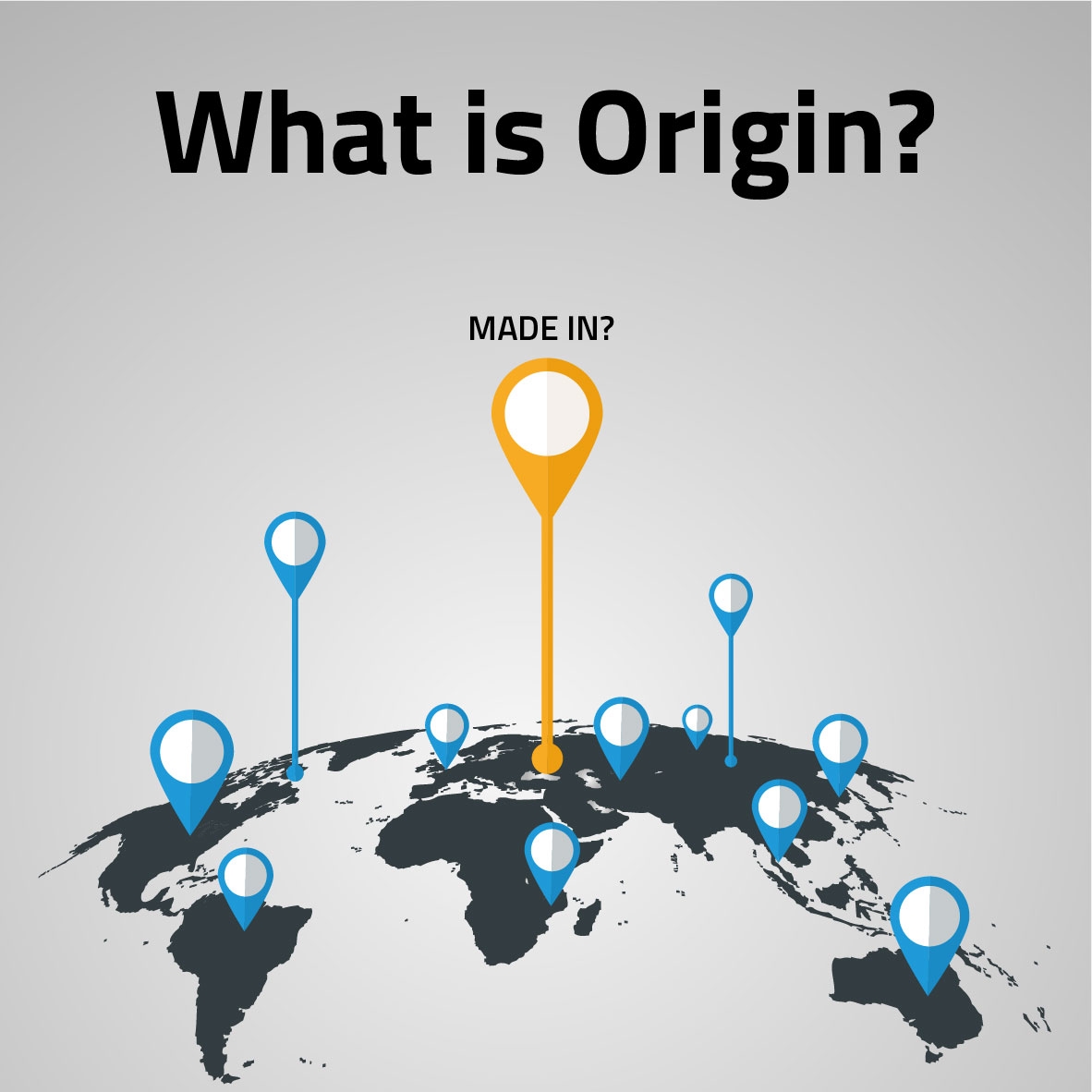
3. Certificate of Origin: States the country where the
oranges were harvested.
4. Commercial Invoice and Packing List: Details of the shipment, including
quantity, grade and buyer information.
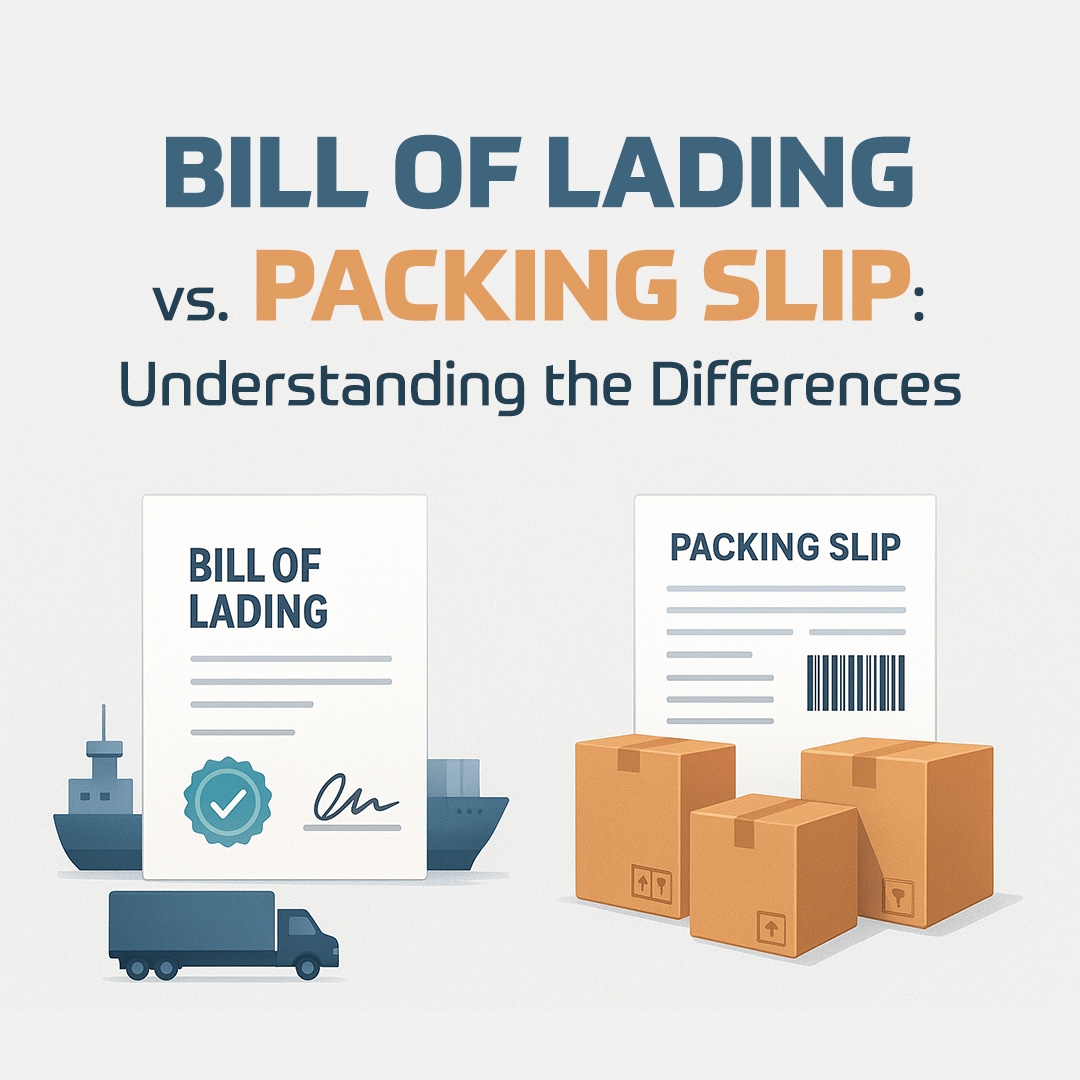
5. Bill of Lading: Issued by the shipping line as proof of cargo
receipt.
6. Insurance Certificate: Covers possible damage or loss
during transit.
Ensuring correct documentation helps you clear
customs efficiently and build a trustworthy reputation as an orange exporter.
Key Countries for Orange Export
Several countries are renowned for producing
and exporting high-quality oranges. Understanding the characteristics and
requirements of these key players can help you plan your export strategy.
How to Export Orange from Pakistan
Pakistan’s oranges, particularly the kinnow
variety, are highly popular in international markets due to their sweetness and
juiciness. Exporters must focus on harvesting during the peak season (December
to March) and comply with destination-specific cold treatment requirements to
prevent fruit fly infestation. Major markets are Russia, the UAE and the Middle
East. To compete globally, maintain strict quality control and use advanced
grading and waxing technologies.
Orange Export from India
India is also gaining momentum in the orange
export sector, especially with Nagpur oranges. Exporters should register with
the Agricultural and Processed Food Products Export Development Authority
(APEDA) and adhere to sanitary standards demanded by the EU and Gulf countries.
Proper post-harvest handling and pre-cooling are vital to maintaining
freshness.
Orange Export from Nagpur
Nagpur, often called the “Orange City of
India,” is famous for its high-quality mandarin oranges. Exporters here should
focus on collective marketing efforts through farmer-producer organizations
(FPOs) to achieve better bargaining power. Packing in ventilated boxes and
treating fruits with fungicides can significantly extend shelf life during long
shipments.
Orange Export from Egypt
Egypt is one of the largest exporters of
oranges, primarily exporting to Europe, Russia and the Middle East. The country
benefits from favorable climate conditions and vast citrus farms. Egyptian
exporters usually rely on strict grading, advanced cold storage and competitive
pricing. They must also follow the European Union’s Maximum Residue Level (MRL)
standards to maintain market access.
Orange Export from Australia
Australia is known for its premium-quality
navel oranges and valencia varieties. The country’s robust biosecurity laws
mean exporters must ensure thorough pest and disease control. Major markets
include China, Japan and Southeast Asia. Australian exporters leverage advanced
irrigation and orchard management to produce consistent fruit quality, helping
maintain their status as the biggest exporter of oranges in the premium
segment.
Orange Export Process: From Farm to Market
The orange export journey starts at the farm
and ends in international supermarkets. After harvesting, oranges undergo
sorting, washing, waxing and grading. They are then packed in sturdy,
ventilated boxes and moved to cold storage facilities to extend shelf life.
Exporters coordinate with freight forwarders to book space on ships or planes,
ensuring the fastest possible delivery to prevent spoilage. Upon arrival, the
oranges go through customs clearance and quarantine checks before distribution
to wholesalers and retailers abroad.
Orange Export Business Opportunities
The global demand for fresh citrus fruit is
growing steadily, driven by health-conscious consumers and expanding middle
classes in developing countries. Exporters can explore lucrative opportunities
by targeting emerging markets with high import rates, such as Southeast Asia
and Eastern Europe. Additionally, value-added products like fresh juice,
concentrates and dried citrus peel can boost profit margins. Investing in
sustainable farming practices and certifications can also attract premium
buyers looking for ethically sourced produce.
How to Choose Orange Export Partners
Finding the right partners is crucial for
sustainable success in the orange export business. Here’s what to consider when
selecting export partners or buyers:
1. Reputation: Work with buyers or distributors who have
proven track records in handling perishable goods.
2. Volume and Consistency: Ensure they can handle your supply
quantities regularly.
3. Payment Terms: Secure fair and transparent payment
arrangements to avoid disputes.
4. Logistics Capability: Choose partners familiar with cold
chain logistics to minimize spoilage.
5. Market Reach: Collaborate with partners who have access to
premium retail chains and supermarket networks in target orange export
countries.
Establishing clear contracts and maintaining
open communication can help build long-term, mutually beneficial relationships.
How TradeAtlas Can Help with Orange Export
TradeAtlas is a powerful tool that provides
detailed import and export data for businesses worldwide. Exporters can use
TradeAtlas to:
- Identify the largest exporter of oranges
and benchmark performance.
- Discover potential buyers in various orange
export countries.
- Analyze market trends to choose the best time
for orange export.
- Track competitors and monitor shipment
volumes.
Whether you are a seasoned trader or a new
farmer looking to tap into the international citrus market, TradeAtlas equips
you with actionable insights and verified trade contacts to expand your
business globally.
You can search global orange producer and
consumer companies using the orange HS code
on the TradeAtlas search screen. It is one of the easiest ways to reach global
imports and exporters in the international citrus industry.