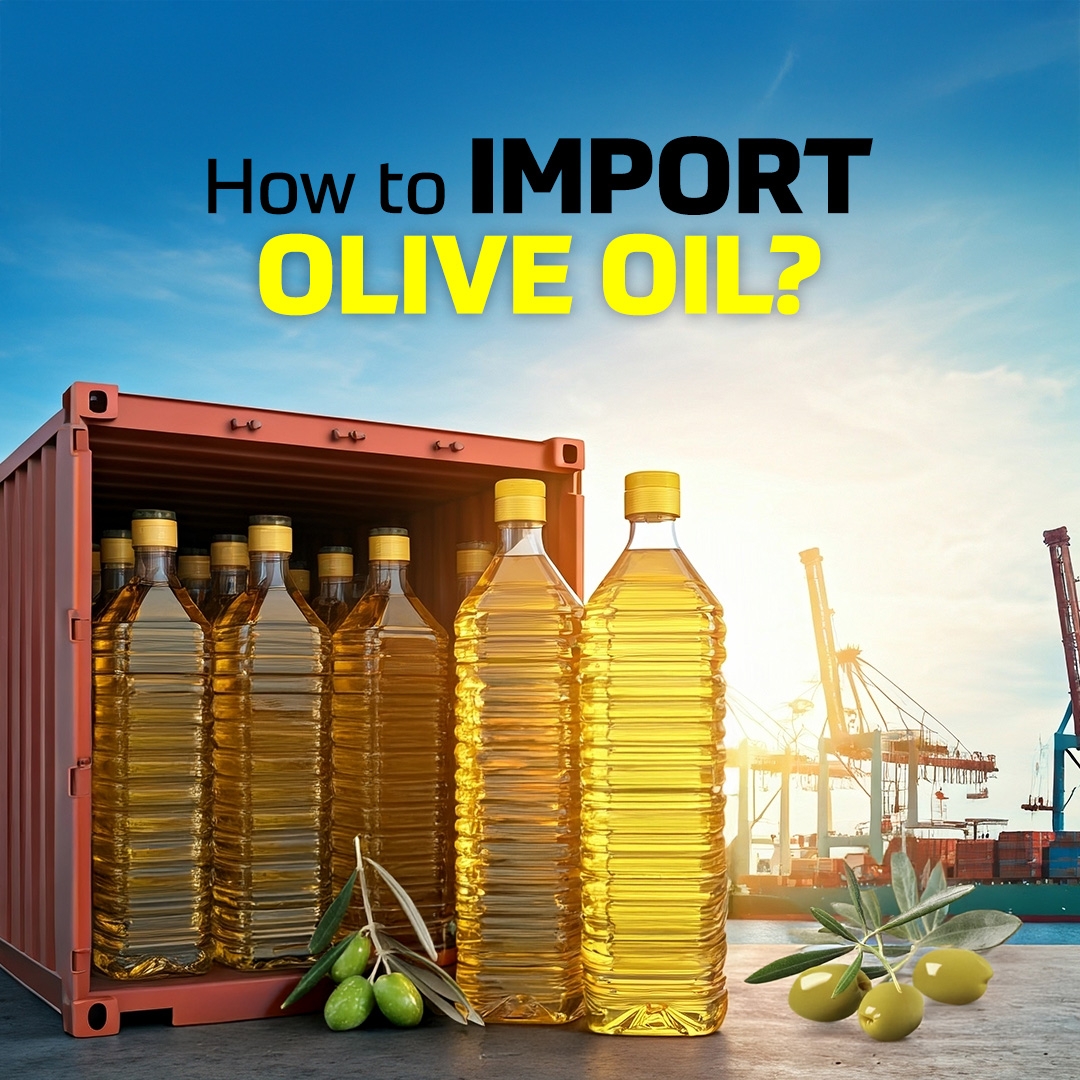
The global olive industry has become one of the most dynamic segments of the agricultural trade market, driven by rising demand for fresh olives, processed table olives and olive oil worldwide. For businesses planning to import olive products or expand their operations into new markets, understanding international trade flows, import requirements, key suppliers and cost structures is essential. This comprehensive guide explains everything you need to know to successfully import olive, analyze global trade patterns, identify major buyers and suppliers and evaluate emerging opportunities in the olive trade.
1. Understanding the Global Olive Market
The global olive market is shaped by centuries
of cultivation, culture, and regional specialization. Mediterranean countries,
including Spain, Italy, Greece, Turkey and Tunisia, remain the heart of
production. Their favorable climate, advanced processing technologies and
established export channels make them central players in global trade.
Demand for olives continues to grow due to
several factors:
- Rising consumer interest in Mediterranean
diets,
- Increased awareness of the health benefits of
olives and olive oil,
- Growing use of olives in food processing
industries,
- Expanding retail and HoReCa (Hotel,
Restaurant, Café) sectors.
As consumers increasingly shift toward healthy
oils and plant-based food products, the demand for import olive oil and
processed olives is expected to grow, creating attractive opportunities for
international buyers.
2. Global Olive Import and Export Statistics
Global olive trade includes both fresh olives
and value-added products such as table olives, brined olives, stuffed olives
and olive oil. While fresh olive imports represent a smaller segment, processed
olives and olive oil dominate global demand.
International trade data shows that Europe and
North America consistently rank among the top importers, while Mediterranean
countries dominate exports. Understanding the data behind imports and exports
is critical for navigating supply chains and selecting reliable partners.
2.1. Olive Import Data
Countries such as the United States, Germany,
France and the United Kingdom import large quantities of table olives and olive
oil to meet retail and foodservice demand. The United States is one of the
largest non-producer importers, relying heavily on Spain, Morocco, Greece and
Turkey.
In the Asia-Pacific region, markets like Japan,
Australia and South Korea have shown consistent growth in olive imports. Their
demand for high-quality retail packaging and premium olive oil varieties has
been significant.
Import data indicates:
- Spain and Morocco dominate the supply of
processed olives
- Turkey and Greece provide specialty olive
varieties
- The United States shows the strongest growth
in demand
These patterns make it easier for companies
aiming to import olive to identify stable supplier regions and competitive
pricing.
2.2. Olive Export Data
On the export side, the biggest exporter of
olives is Spain, which leads global markets in both fresh and processed
olive shipments. Spain’s advanced processing facilities, advanced agricultural
technology and diversified product portfolio allow it to meet international
demand at scale.
Following Spain, major exporters include:
- Turkey
- Greece
- Morocco
- Egypt
- Italy
Turkey and Morocco have increased their export
shares in recent years due to competitive pricing and growing specialization in
table olives. This provides importers with a wider selection of supplier
countries based on price, quality and product variety.
3. Olive Importers by Country
Top olive-importing countries vary depending on
whether the products are fresh, processed or oil-based. These countries
consistently appear among the largest global importers:
United States: A major importer of processed olives and olive
oil.
Germany: Imports large volumes for retail distribution.
France: Strong demand for Mediterranean products.
Japan: Prefers premium and high-quality olives.
Brazil: Expanding consumption of olive oil and table
olives.
United Kingdom: High demand for Mediterranean food products.
For companies planning to import olive,
analyzing demand for both fresh and processed products helps determine the best
market strategy. Importers should also consider each country’s customs
regulations, labeling standards and tariff structures.
4. Olive Import Procedures and Costs
To successfully import olive products,
businesses must follow several essential procedures related to supplier
selection, logistics, documentation and cost calculation. The process begins
with identifying reliable suppliers who meet international food safety
certifications such as ISO, HACCP, and, where applicable, organic standards.
After choosing the right supplier, importers
negotiate detailed contracts covering product specifications, packaging
requirements, pricing, payment terms, delivery conditions and shipment
schedules. Logistics typically involve sea freight, where olives, especially
processed varieties, are transported in refrigerated or temperature-controlled
containers, while brined olives are often shipped in drums or large barrels.
Shipping costs depend on the origin country, freight market conditions, transit
time and container type.
During customs clearance, importers must
provide key documents such as the phytosanitary certificate, certificate of
origin, commercial invoice, packing list, bill of lading and product
specifications, while also ensuring compliance with local food safety
regulations like FDA requirements in the United States or EFSA standards in the
European Union. Finally, total import costs include the product price (based on
FOB or CIF terms), import duties, VAT or other taxes, freight and insurance
costs, customs brokerage fees and inland transportation.
By carefully managing each of these steps and
accurately calculating costs, companies can efficiently navigate the process of
importing olives and maintain competitive pricing in their target markets.
5. Olive Import Business Opportunities
The olive trade presents profitable
opportunities in both retail and wholesale sectors. Several factors make this
market attractive:
Growing Global Demand: As healthy eating trends continue
to influence consumer behavior, demand for olives and olive oil rises steadily.
Retailers, restaurants and food processors rely heavily on imported products.
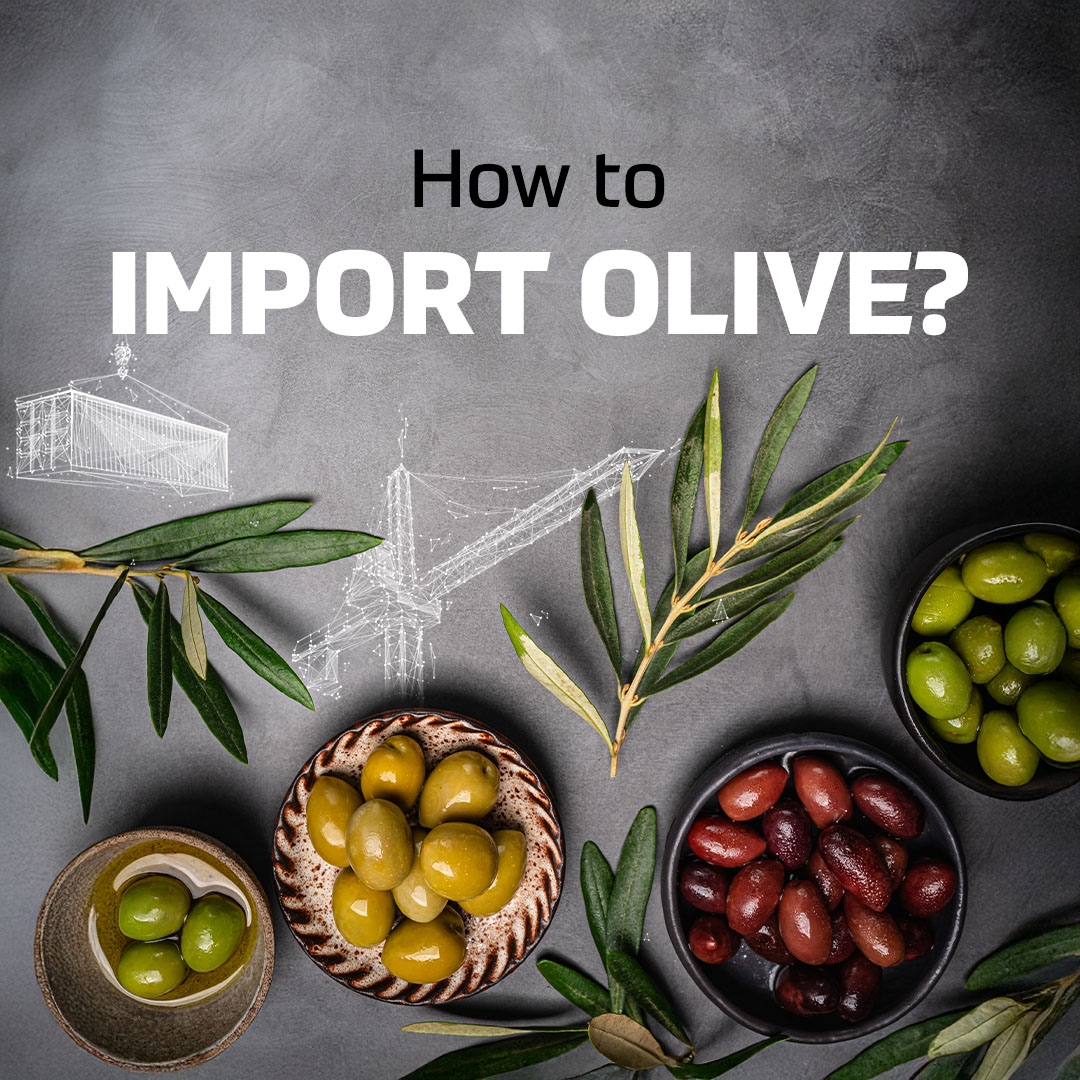
Demand for Specialty Varieties: Consumers increasingly seek unique
and regional olive varieties such as Kalamata olives, Spanish Manzanilla,
Turkish Gemlik olives and Moroccan Picholine. This provides importers an
opportunity to distribute premium, niche products.
Rising Demand in Emerging Markets: Countries in Asia, Latin America
and Africa are consuming more olive-based products as dietary habits shift.
Private Label Production: Importers can partner with
manufacturers to create private label products, especially in the import olive
oil category, which has high profit margins.
6. Key Importers and Buyers of Olive Worldwide
The global olive market is supported by a wide
range of buyers, including food wholesalers, supermarket chains, food
processing companies and olive oil producers who continuously drive
international demand for both fresh and processed olives. Food wholesalers and
distributors typically purchase olives in bulk to supply supermarkets,
restaurants and catering companies, while major retail chains such as
Carrefour, Walmart, Tesco and Aldi directly import substantial quantities for
private label and branded products.
In addition, food processing companies rely on
imported olives for producing salads, ready meals, canned goods and other
packaged foods, making them consistent high-volume buyers. Olive oil producers
also play a key role, as some import fresh olives from other countries during
off-seasons or local shortages to maintain their production capacity. For
businesses planning to import olive, understanding these buyer groups and
forming long-term relationships with distributors, processors and retailers
offers significant opportunities to strengthen their market presence and expand
into new regions.
7. Leveraging TradeAtlas for Olive Import Insights
TradeAtlas offers one of the world’s largest
verified databases of global import and export records, making it an essential
tool for businesses looking to import olive or analyze the biggest exporter of
olives. Using official customs data and bill of lading information, TradeAtlas
provides detailed insights into:
- Which companies import or export olives,
- Shipment quantities and frequencies,
- Product varieties and HS codes,
- Importer and exporter contact details,
- Trade routes and logistics patterns,
- Pricing information based on real shipment
records.
Through the TradeAtlas search screen,
businesses can directly identify reliable suppliers, compare market trends and
find new customers in the olive and olive oil industry. For those planning to import olive oil or expand their international olive operations, access to real-time
customs data creates a powerful competitive advantage.