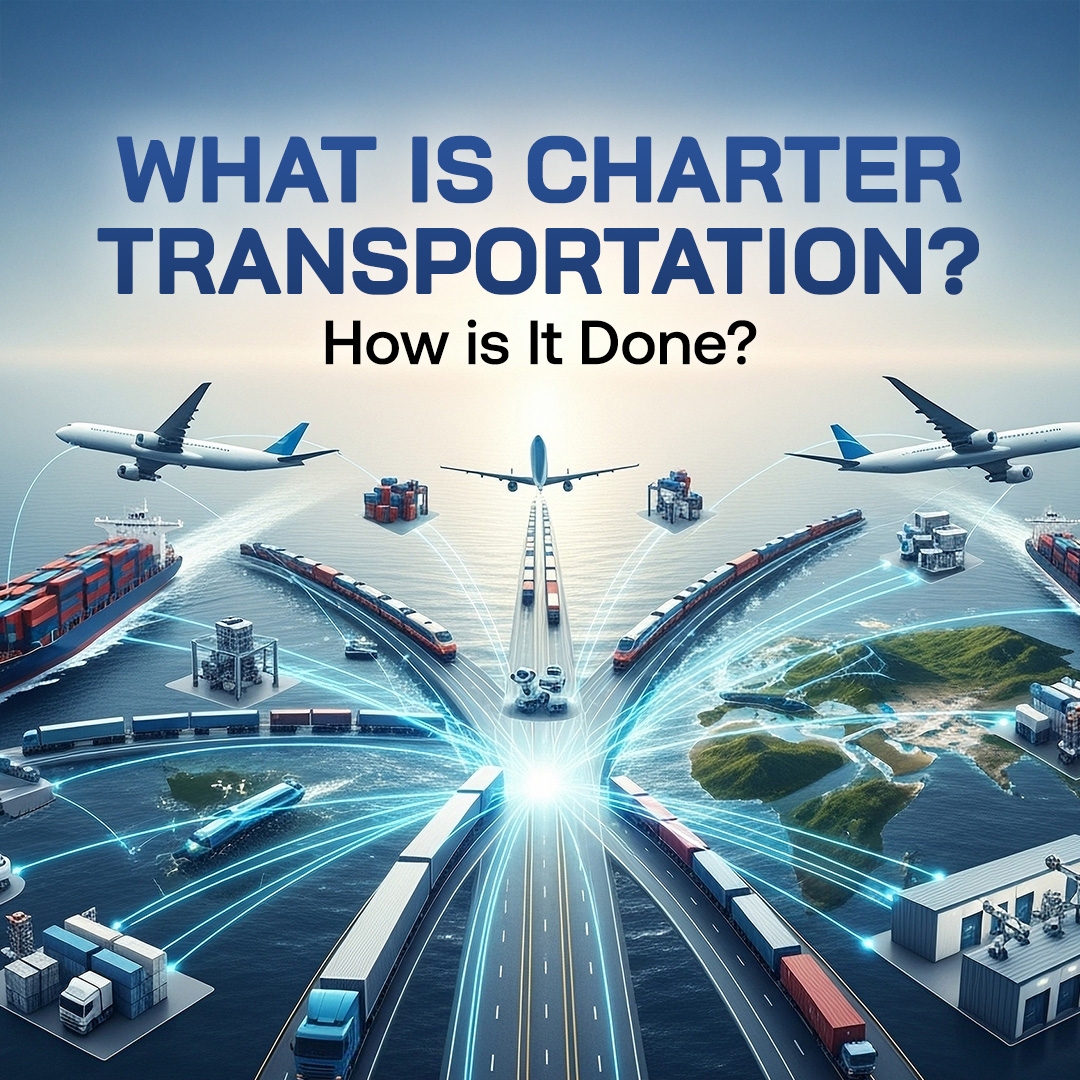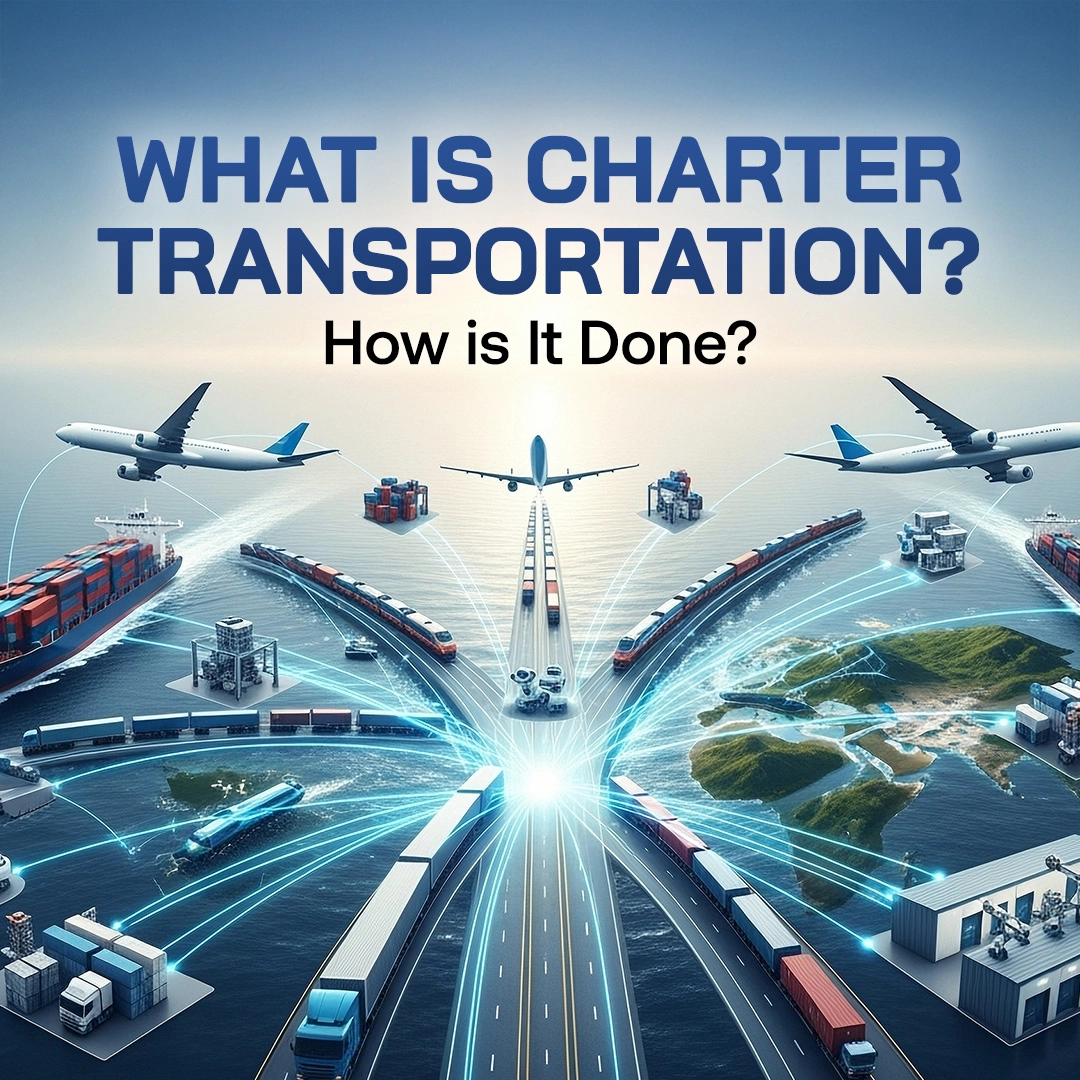
Global trade, logistics, and supply chain operations require flexible and efficient transportation solutions, especially when standard shipping routes or schedules are insufficient. One of the most widely used alternatives in such cases is charter transportation. This transportation model allows companies to move goods or passengers by reserving an entire vehicle, vessel, or aircraft for a specific route and time period.
Unlike
scheduled transportation services, charter transportation offers
a tailored logistics solution that adapts to the unique needs of the cargo,
destination, and delivery timeline. This flexibility makes charter services
particularly valuable for industries dealing with time-sensitive, oversized, or
high-value shipments.
What is Charter Transportation?
Charter
transportation refers to a logistics model in which a vehicle, ship, or
aircraft is rented in its entirety for a specific transport task. Instead of
sharing capacity with other shippers, the charterer gains exclusive use of the
transportation asset for a defined journey.
In this
model, the route, departure time, loading conditions, and delivery schedule are
customized according to the needs of the shipper. Charter
transportation can be applied across multiple transport modes, including
maritime, air, road, and rail, depending on cargo characteristics and
logistical requirements.
One of the
defining features of charter transportation is operational control.
The chartering party determines how and when the transport will take place,
which reduces uncertainty and minimizes delays. This makes charter solutions
especially attractive for urgent deliveries, complex logistics operations, and
shipments requiring special handling.
How is Charter Transportation Done?
The process
of charter transportation begins with identifying the specific
requirements of the shipment. These requirements include cargo type, volume,
weight, dimensions, destination, delivery timeframe, and any regulatory or
handling constraints. Based on these parameters, the most suitable transport
mode is selected.
Once the
transport mode is determined, the charterer negotiates directly with the
carrier or through a logistics intermediary. This negotiation covers pricing,
route details, liability terms, insurance coverage, and operational
responsibilities. Unlike standard shipping contracts, charter agreements are
often highly customized and project specific.
After the
agreement is finalized, operational planning begins. This includes scheduling,
documentation preparation, cargo loading coordination, customs procedures, and
real-time tracking. Throughout the journey, communication between the charterer
and carrier remains critical to ensure that the shipment proceeds according to
plan.
By offering
direct control and flexibility, charter transportation enables
businesses to overcome logistical bottlenecks that might otherwise disrupt
supply chains.
Charter Shipments and Transportation Processes
Charter
shipments follow a structured yet flexible process designed to accommodate
the unique nature of each transport operation. The first stage involves
feasibility analysis, where factors such as route availability, infrastructure
limitations, and regulatory compliance are assessed.
Next comes
carrier selection. In charter transportation, selecting a reliable carrier
is crucial, as the entire shipment depends on a single transportation asset.
Carriers are evaluated based on experience, fleet capabilities, safety records,
and geographic coverage.
Once the
carrier is chosen, the charter contract is executed. This contract outlines all
operational details, including loading and unloading procedures, transit time,
cost structure, and risk allocation. After contract execution, cargo
preparation and loading take place under close supervision to ensure compliance
with safety and quality standards.
During
transit, charter transportation allows for continuous monitoring and
communication, enabling quick responses to unexpected developments such as
weather conditions or port congestion. Upon arrival, unloading, customs
clearance, and final delivery are carried out according to the agreed terms.
This
end-to-end process makes charter transportation a reliable option for
complex and high-stakes logistics operations.
In Which Areas is Charter Transportation Used?
Charter
transportation is widely used across various industries where flexibility,
speed, and reliability are essential. In international trade, it is frequently
employed for bulk commodities, project cargo, and industrial equipment that
cannot be accommodated by standard shipping services.
The energy
sector relies heavily on charter transportation for moving oversized
machinery, drilling equipment, and components for renewable energy projects.
Similarly, the construction industry uses charter services to transport heavy
and irregularly shaped materials to remote or infrastructure-limited locations.
In the
aviation sector, charter transportation plays a vital role in
transporting perishable goods, pharmaceuticals, and emergency supplies. These
shipments often require strict temperature control and rapid delivery, making
charter solutions indispensable.
Additionally,
humanitarian aid organizations and government agencies use charter
transportation during emergencies and disaster relief operations, where
speed and direct access to affected areas are critical.
Across all
these sectors, charter transportation provides a level of
customization and reliability that standard logistics models often cannot
match.
Advantages of Charter Cargo Transportation
One of the
primary advantages of charter cargo transportation is flexibility.
Shippers have full control over schedules, routes, and handling procedures,
allowing them to adapt quickly to changing circumstances. This flexibility
significantly reduces the risk of delays and disruptions.
Another key
benefit is efficiency. By eliminating intermediate stops and shared
capacity, charter transportation often results in faster transit
times. This is especially important for time-sensitive shipments and
just-in-time supply chains.
Security is
also a major advantage. With exclusive use of the transport asset, the risk of
cargo damage, loss, or contamination is minimized. This makes charter
transportation particularly suitable for high-value or sensitive goods.
Cost
predictability is another important factor. While charter services may appear
more expensive upfront, they often reduce indirect costs related to delays,
storage, and operational inefficiencies. In many cases, the overall
cost-benefit balance favors charter transportation.
Finally,
charter solutions enable access to destinations that are not served by regular
routes, expanding market reach and logistical possibilities for businesses.
How TradeAtlas Supports Charter Transportation Decisions
In charter
transportation, making the right strategic decisions depends heavily on
accurate data and market visibility. This is where TradeAtlas plays a critical
role. TradeAtlas provides comprehensive insights into global trade flows,
shipment volumes, enabling companies to assess charter opportunities with
greater confidence.
Global
trade operations and logistics strategies such as charter transportation cannot
be evaluated independently from fundamental trade concepts. To better
understand the foundations of international trade and the role of imports in
global supply chains, you can explore our detailed guide on what is import and gain a clearer perspective on how
import processes shape transportation and logistics decisions.