The global demand for citrus fruits is growing steadily, and lemons have become a key export commodity thanks to their wide range of uses, long shelf life, and availability throughout the year in some regions. Entering the lemon export market requires a clear understanding of procedures, documentation, quality standards, and international market dynamics. With the right strategies and reliable tools, businesses can tap into highly profitable opportunities in global trade.
Steps to Export Lemon Successfully
Starting
a lemon export operation requires a combination of market research,
compliance, and operational execution. Below are the key steps:
- Market Research: Identify potential buyer markets
using data and demand trends. Prioritize countries with high import
volumes and seasonal gaps.
- Product Quality Control: Lemons must meet export-grade quality
standards—firm texture, consistent size, and blemish-free skin are often
prerequisites.
- Compliance and Certifications: Depending on the destination,
exporters may need to comply with GLOBALG.A.P., HACCP, or country-specific
phytosanitary regulations.
- Find Buyers or Trading Partners: Establish partnerships with
wholesalers, importers, or retail chains abroad.
- Logistics Planning: Choose appropriate packaging and cold
chain solutions to preserve fruit quality during transit.
- Customs Clearance and Documentation: Prepare and file all required
documents for export compliance.
Lemon Export Procedures and Documentation
The lemon
export process includes several formalities that must be managed with
precision:
- Phytosanitary Certificate: Verifies that the consignment is
pest-free and safe for international transport.
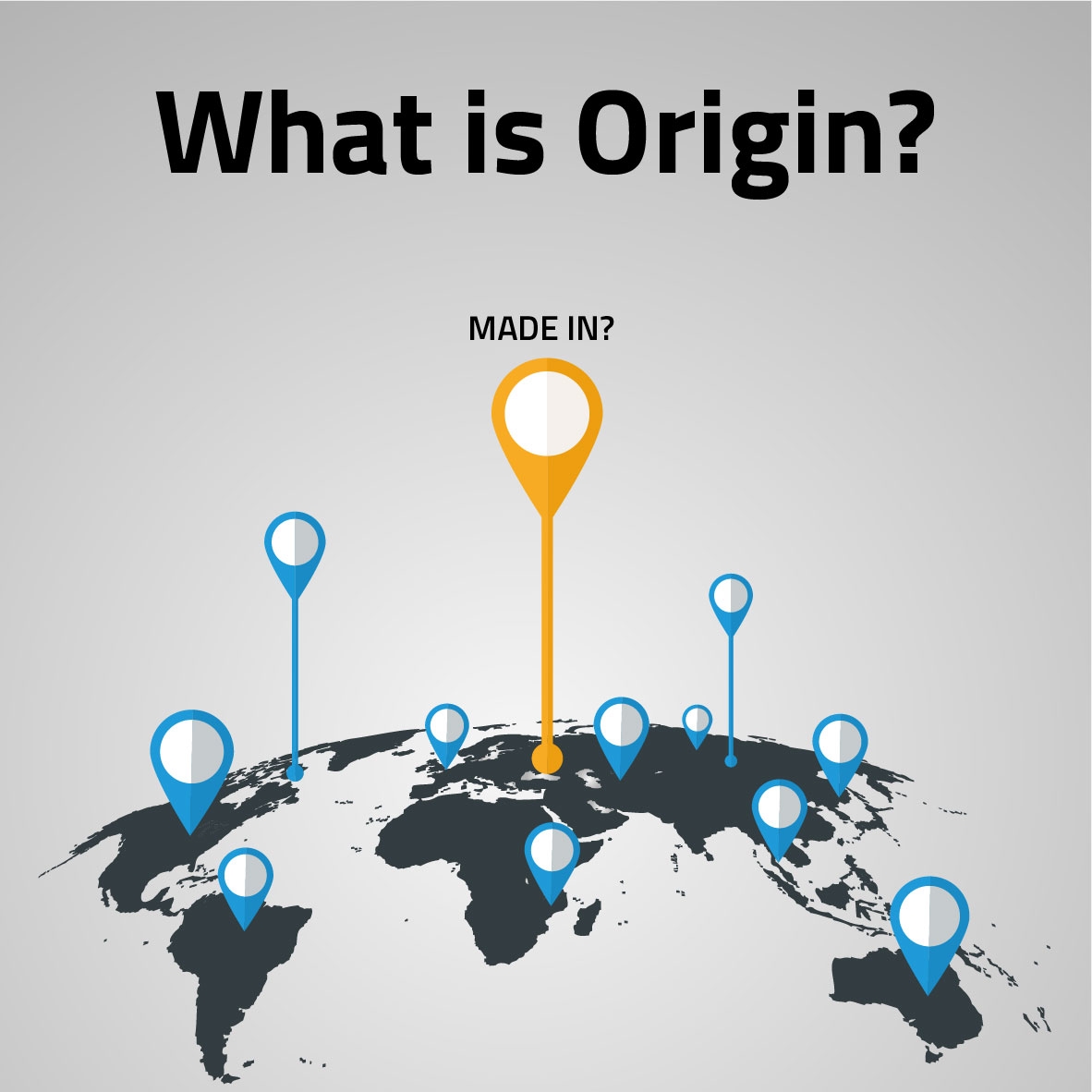
- Certificate of Origin: Indicates the lemon’s country of
production.
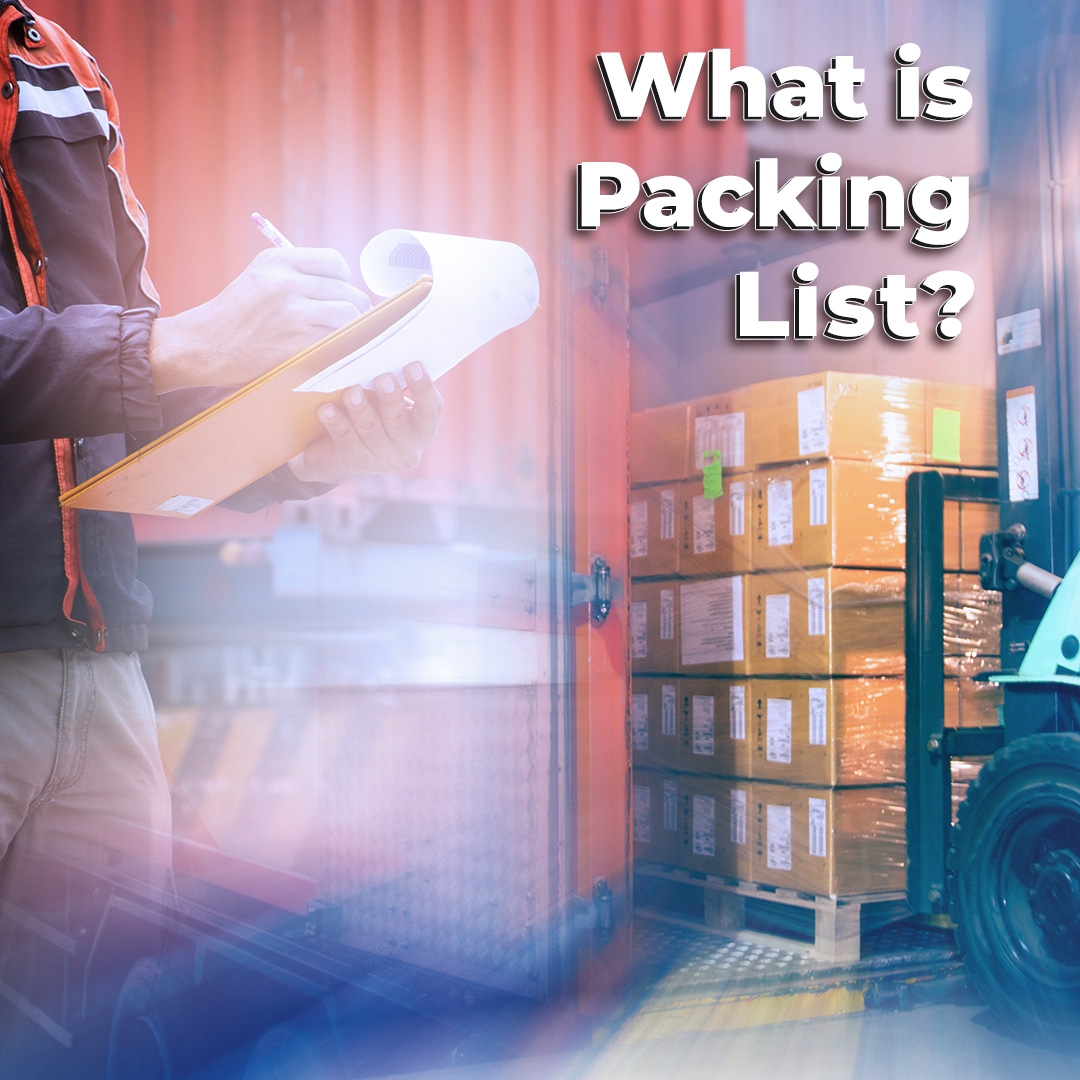
- Packing List and Invoice: Details weight, quantity, and value
of lemons in the shipment.
- Export License (if applicable): Some countries require licenses for
bulk citrus exports.
- Customs Declaration: Submission of shipping information to
local customs authorities.
- Transport Documents: Bill of Lading (sea freight) or
Airway Bill (air freight) issued by the freight forwarder.
Each
document ensures smooth customs clearance at both origin and destination.
Key Countries for Lemon Export
Understanding lemon
export countries is essential to building a scalable export business.
The top lemon exporting countries typically include:
Spain
remains the global leader in lemon export, supplying large volumes primarily to
European Union countries. Turkey is a major exporter, especially to Eastern
Europe, Russia, and the Middle East, ranking among the top five lemon-exporting
nations. South Africa stands out as a key supplier to both the EU and
Asia-Pacific regions, thanks to its strong infrastructure and seasonal
complementarity. Argentina, while slightly lower in total fresh lemon export
volume, plays a dominant role in the lemon concentrate segment and maintains
steady exports to Europe and North America. The United States, mainly through
California’s production, exports to markets such as Canada and East Asia,
holding a strong position in regional lemon trade.
These top
lemon exporting countries maintain strict post-harvest handling protocols
and benefit from advanced logistics infrastructure.
Lemon Export from India
India is emerging as a competitive player in the lemon
export business, exporting primarily to destinations like Nepal, the UAE and
Bhutan, with smaller volumes reaching markets such as Saudi Arabia and
Bangladesh. Indian lemons are valued for their affordability, consistent
supply, and distinct acidity. States such as Andhra Pradesh, Maharashtra,
Gujarat, and Tamil Nadu are among the largest producers. India’s lemons are
available in multiple cycles throughout the year, which allows Indian exporters
to meet off-season demand in other countries. The government’s support for
agricultural exports through subsidies and policy reforms is also encouraging
more producers to enter the international lemon trade.
Lemon Export from Dubai
Dubai serves as a strategic re-export hub in the lemon export chain. While the UAE is not a significant
lemon producer, Dubai’s geographic advantage, world-class logistics
infrastructure, and free trade zones make it a preferred transshipment point.
Lemons are imported into Dubai in bulk from countries
like India, Turkey, and South Africa and then redistributed to neighboring
markets including Oman, Kuwait, Bahrain, and North Africa. The Jebel Ali Port
and Dubai’s efficient customs processes support the city’s growing role in
regional fruit logistics.
Lemon Export from Assan
Assam, a northeastern state of India, is gaining
attention for its specialty lemon variety known as "Kaji Nemu," which
has earned Geographical Indication (GI) status. These lemons are larger,
juicier, and more aromatic than common varieties, offering niche appeal in
international markets.
The region's potential in lemon export is being further supported by local
government schemes that promote organic farming and export-oriented
agriculture. Assam-based exporters have begun exploring opportunities in Europe
and the Gulf for this unique product.
Lemon Export from Gujarat
Gujarat is one of India’s most important agricultural
states and a key player in the lemon export business. The regions of Junagadh, Bhavnagar, and Rajkot produce high volumes of
lemons that meet export-grade standards.
What sets Gujarat apart is its access to major ports
such as Mundra and Kandla, which reduces logistical costs and transit time.
Additionally, the state’s well-developed infrastructure, cold storage
facilities, and favorable climate contribute to the success of its lemon
exporters. Gujarat’s lemons are exported to countries across the Middle East,
Africa, and Southeast Asia.
Lemon Export Process: From Farm to Market
The
full lemon export journey typically includes the following phases:
- Harvesting: Lemons are handpicked at optimal ripeness
for durability during shipping.
- Sorting and Grading: Fruits are categorized by size,
weight, and external appearance.
- Washing and Waxing: Improves shelf life and reduces
moisture loss.
- Packaging: Lemons are packed in ventilated cartons
with protective wrapping.
- Storage: Cold storage facilities maintain quality
before shipping.
- Transport to Port: Timely dispatch to the designated
shipping terminal.
- Shipment: Lemons are exported via reefer containers
with temperature and humidity control.
At every
stage, traceability and hygiene protocols are crucial to meet international
quality benchmarks.
Lemon Export Business Opportunities
The global
demand for lemons is steadily rising due to their use in:
- Beverages and soft drinks
- Natural remedies and herbal supplements
- Cosmetics and skincare
- Cleaning and disinfectant products
- Food processing and flavoring
This makes
the lemon export business highly diverse and adaptable. Key growth
opportunities include:
- Value-Added Products: Exporting lemon juice, essential
oils, or dehydrated lemon slices.
- Organic Lemons: Targeting health-conscious and premium
markets in the EU and US.
- Off-Season Supply: Exporting to countries during their
local off-season ensures higher prices.
- Private Labeling: Packaging lemons under local brands
in destination markets.
Investors
and exporters exploring niche products or new markets can find the lemon
export business particularly rewarding with the right market intelligence.
Grow Your Lemon Export Business with TradeAtlas
Expanding in the lemon export market requires access to accurate buyer
data, shipment histories, and trade patterns. TradeAtlas offers exporters a powerful
solution by providing real-time insights into the global lemon export
business. Through its platform, exporters can
access verified importer profiles, analyze seasonal shipment data, and identify
the most active lemon export countries.
For a detailed overview on how to source lemons
globally and identify reliable suppliers, be sure to read our comprehensive
guide on lemon import.
To explore detailed classification information, you
can visit our page dedicated to the lemon HS code used
in international trade.