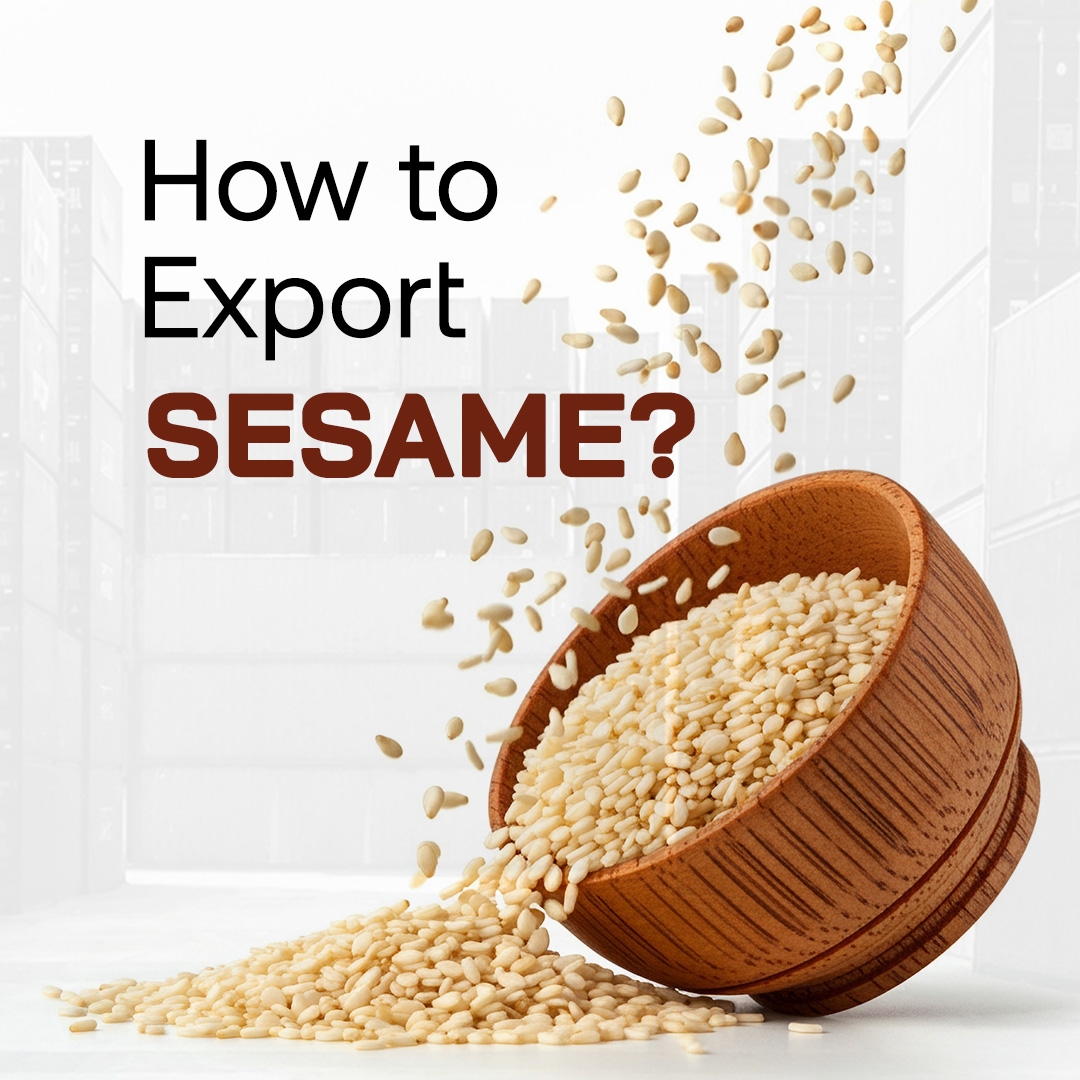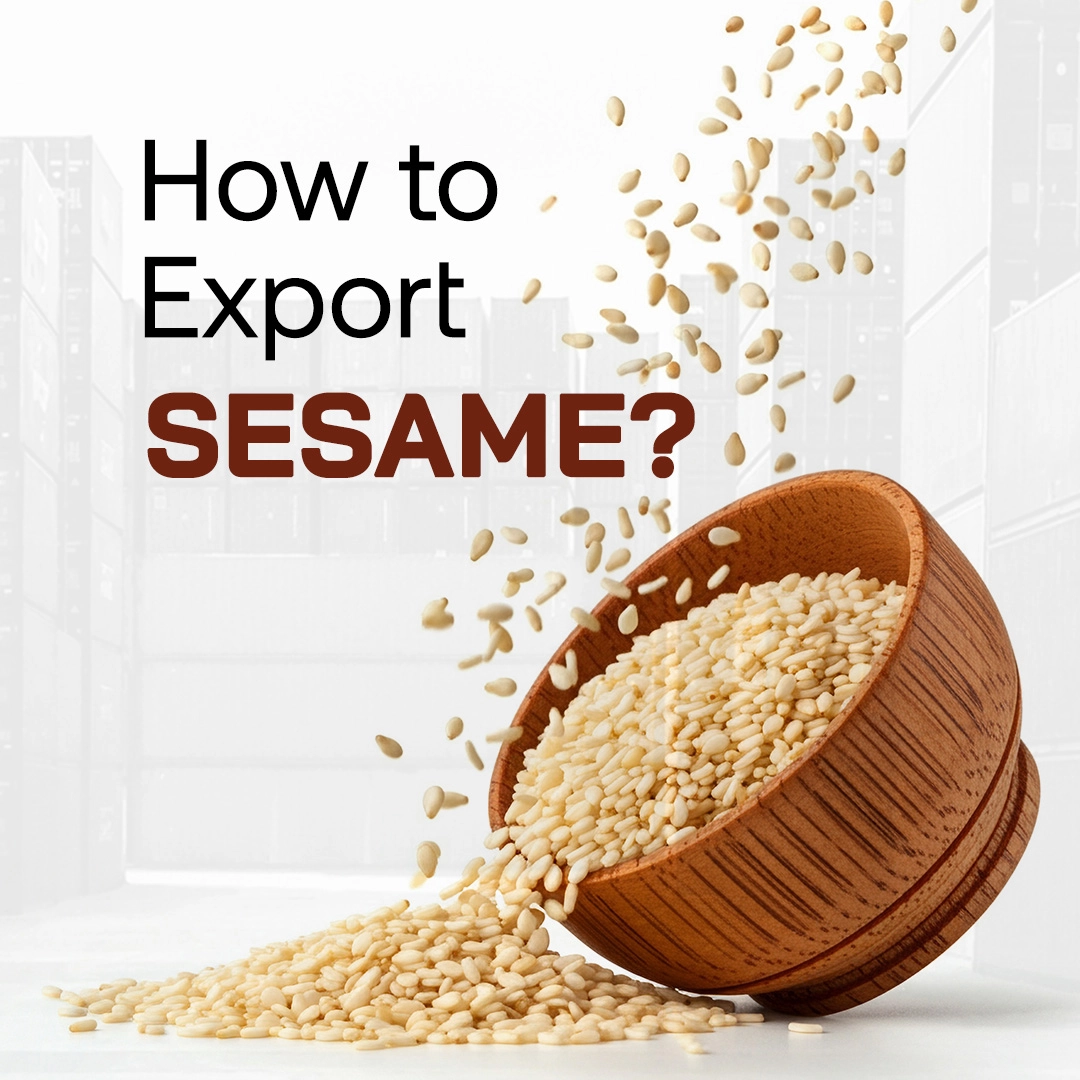
Sesame is one of the world’s oldest and most valuable oilseed crops, widely used in food, cosmetics and pharmaceutical industries. With global demand continuously increasing, sesame export has become a profitable opportunity for farmers, traders and companies across different regions. This guide will walk you through the essential steps, export procedures, country-specific trends and business opportunities in the sesame trade.
1. Steps to Export Sesame Successfully
Exporting sesame requires a clear strategy and
compliance with international trade rules. The following steps ensure smooth
and profitable transactions:
Market Research: Analyze global demand, seasonal trends and the
top sesame exporting countries. Identify major buyers in Asia, Europe
and the Middle East.
Find Reliable Suppliers: Whether you are sourcing directly
from farmers or through a sesame seeds export company, ensure product quality,
certification and consistency.
Quality Standards: Meet international requirements for moisture
content, purity levels and packaging. Buyers often request HACCP, ISO or
organic certifications.
Documentation: Prepare shipping, customs and health
certificates to comply with import country regulations.
Logistics and Shipping: Choose efficient transportation,
often bulk shipments or containerized cargo. Reefer containers may be required
for premium-quality seeds.
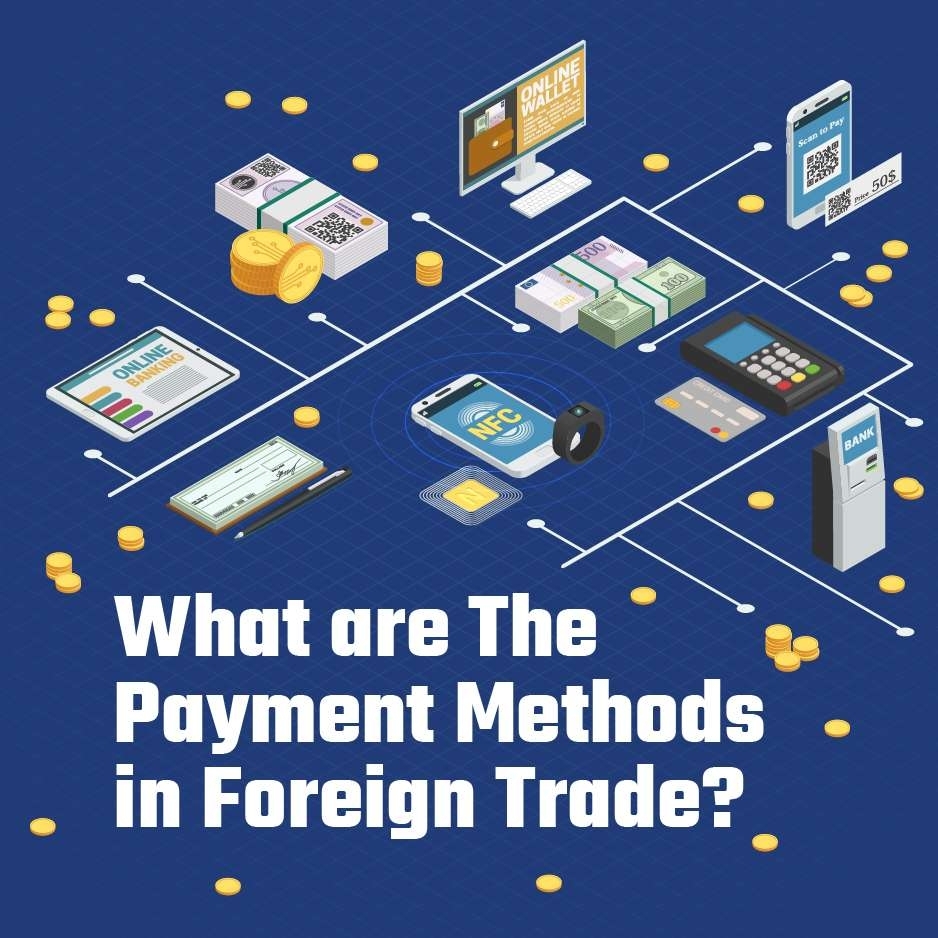
Payment Methods: Negotiate safe and secure payment options like
Letters of Credit (LCs) or advance payments to minimize risk.
1.1. Sesame Export Data
Sesame export data reveals steady growth over
the past decade. Global exports exceed 8 million metric tons annually, with
India, Nigeria, Sudan and Ethiopia as key contributors. Japan, China, South
Korea and Middle Eastern countries remain the largest importers. By studying sesame
export data, traders can forecast demand and identify emerging markets such
as Europe and North America, where sesame oil and tahini consumption is
increasing.
1.2. Sesame Import Data
On the import side, China leads as the largest
sesame buyer, accounting for nearly 30% of global demand. The Middle East,
especially Saudi Arabia and the UAE, also represent high-demand regions. The
sesame import data shows a consistent rise in consumption driven by bakery
products, confectionery and the growing health food market. Tracking sesame
import data helps exporters understand where opportunities are strongest and
which trade routes to prioritize.
2. Sesame Export Procedures and Documentation
Like any agricultural commodity, sesame seed
export requires compliance with both domestic and international
regulations. Essential documents include:
Export License: Required in most producing countries.
Phytosanitary Certificate: Confirms the seeds are pest-free
and meet health standards.
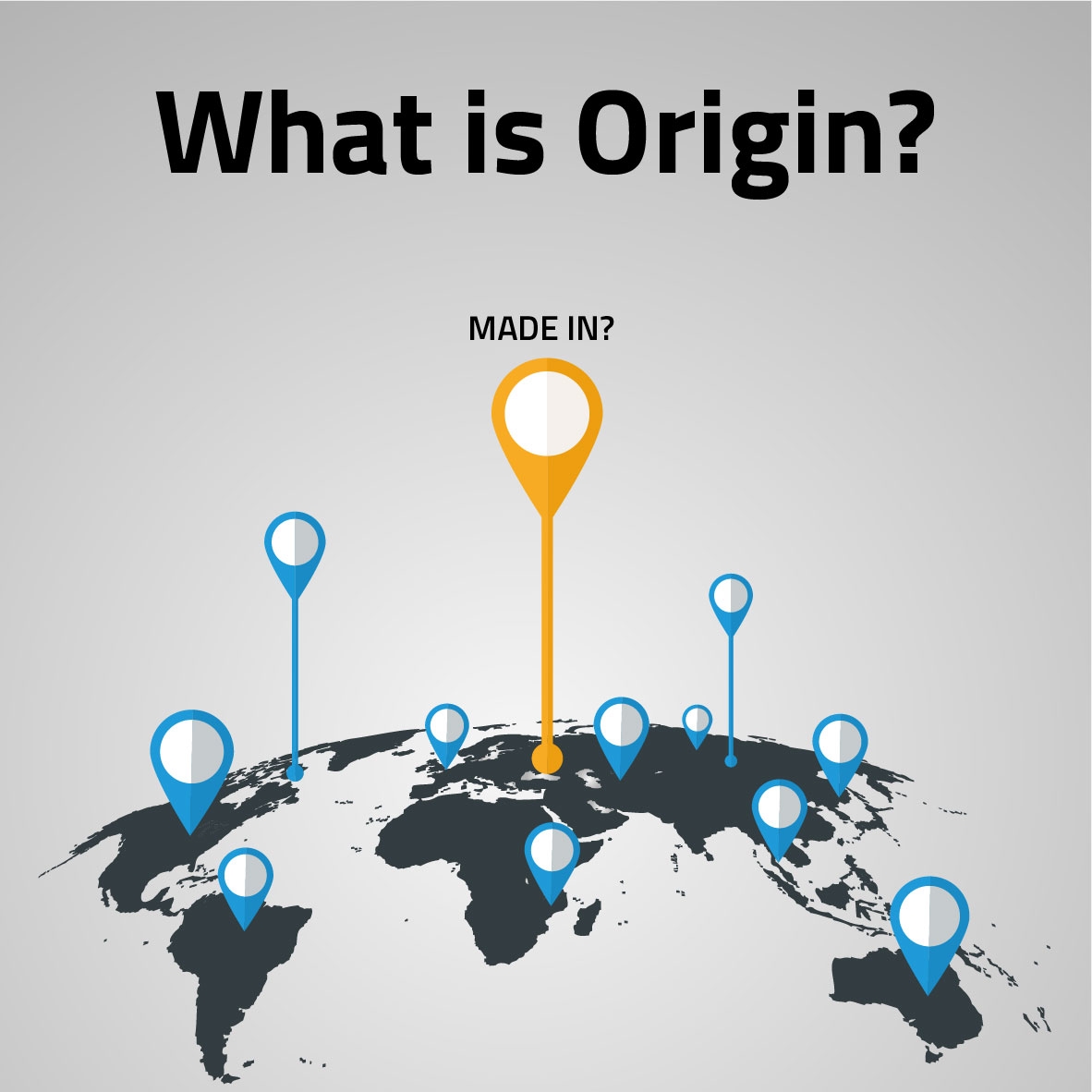
Certificate of Origin: Specifies the producing country,
often needed for tariff benefits.
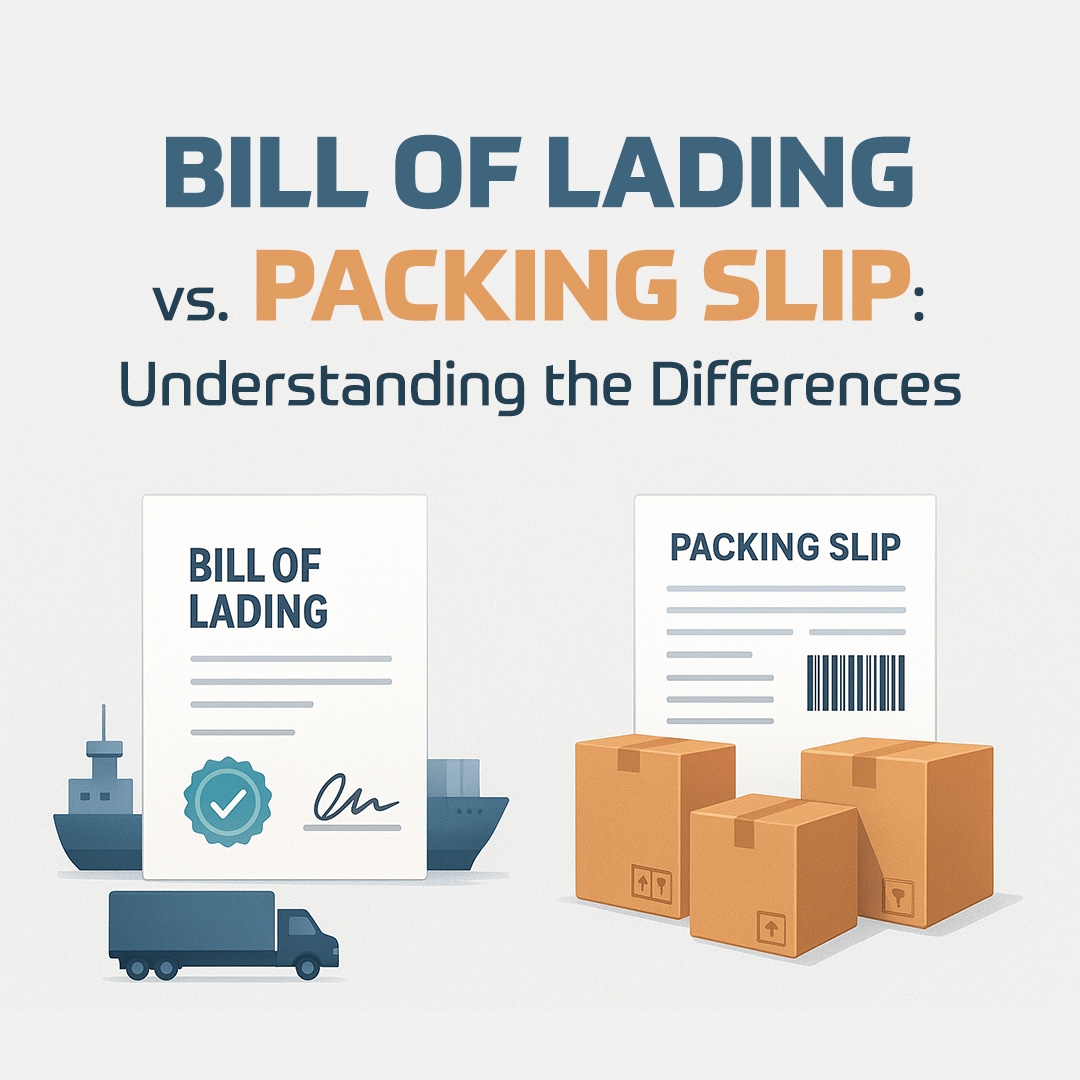
Bill of Lading: Shipping document for transport and customs
clearance.
Quality Inspection Report: Ensures the seeds meet buyer
specifications.
Ensuring proper documentation is crucial, as
delays or missing paperwork can result in financial losses or rejected
shipments.
3. Sesame Exporting Countries
Several nations dominate the global sesame
trade, making them the top sesame exporting countries. India leads with its
premium-quality white and hulled sesame seeds, while Nigeria continues to grow
as a strong supplier due to its vast production capacity. Sudan and Ethiopia
are also key African exporters, known for supplying large volumes to Asian and
Middle Eastern markets. Pakistan, though relatively new in this field, is
steadily increasing its sesame export capacity with a focus on Middle Eastern
buyers. Understanding the strengths of these countries allows traders and
importers to identify reliable partners and diversify their sourcing
strategies.
3.1. Sesame Export from India
India is among the top sesame exporting
countries, shipping more than 800,000 metric tons annually. Indian sesame
varieties, such as white, black and hulled seeds, are widely demanded due to
their high oil content and purity. Indian exporters also benefit from
government incentives and well-established port facilities.
3.2. Sesame Seeds Export from India
A specialized sesame seeds export company
in India often supplies high-quality hulled sesame seeds to markets like Japan,
Korea and the Middle East. India’s strong reputation for organic sesame also
attracts buyers seeking chemical-free products. Exporters focus heavily on
quality certification, ensuring compliance with international food safety
standards.
3.3. Pakistan Sesame Export
Pakistan’s sesame export industry is expanding
quickly, particularly in the Middle East. The country exports white sesame
seeds primarily to Saudi Arabia, the UAE and Turkey. With increasing government
support, Pakistan aims to diversify markets and establish itself as a
consistent supplier.
3.4. Sesame Export in Nigeria
Nigeria is one of Africa’s leading exporters,
shipping large volumes to Asia and Europe. Nigerian sesame is prized for its
affordability and abundance, though exporters often face challenges in quality
consistency. Investments in cleaning, sorting and packaging facilities are
helping Nigerian exporters strengthen their global reputation.
4. Sesame Export Process: From Farm to Market
The journey of sesame seeds begins on farms,
where seeds are planted, harvested, dried and processed. Farmers sell to local
aggregators or directly to a sesame seeds export company, which handles
cleaning, grading and packaging. The seeds are then stored in warehouses before
being shipped to international buyers. Efficient supply chain management
ensures that sesame seeds maintain their quality from farm to market, a
critical factor in securing long-term contracts with importers.
5. Sesame Export Business Opportunities
The sesame export market offers numerous
business opportunities for traders, exporters and investors. Rising demand for
plant-based oils, tahini and sesame snacks fuels global consumption. Exporters
who focus on organic sesame, sustainable sourcing and value-added products such
as sesame oil or roasted seeds can access premium markets. Moreover,
establishing a sesame seeds export company that connects directly with overseas
buyers through platforms like TradeAtlas enables exporters to reduce middlemen,
increase profit margins and build strong client relationships.
6. Finding Sesame Buyers with TradeAtlas
One of the biggest challenges for exporters is
finding trustworthy buyers. With TradeAtlas, exporters can analyze sesame
export data and access detailed company profiles of global importers. By
searching with the sesame HS code,
exporters can discover potential buyers in Asia, Europe and the Middle East.
TradeAtlas makes it easier for any sesame seeds export company to expand its
global reach and secure long-term trade partnerships.
Whether you are an importer or an exporter,
gain full control of global trade with the comprehensive data offered by
TradeAtlas.