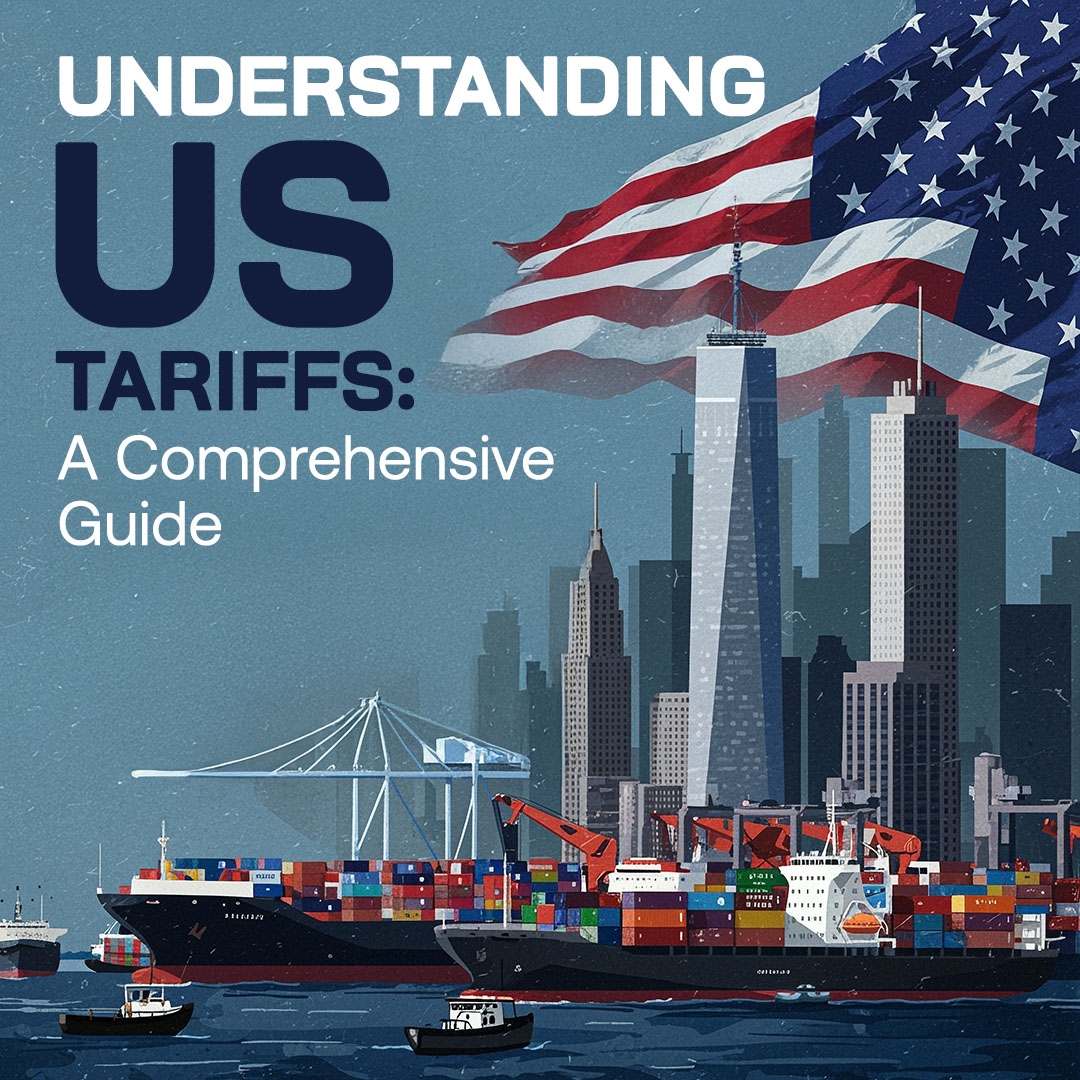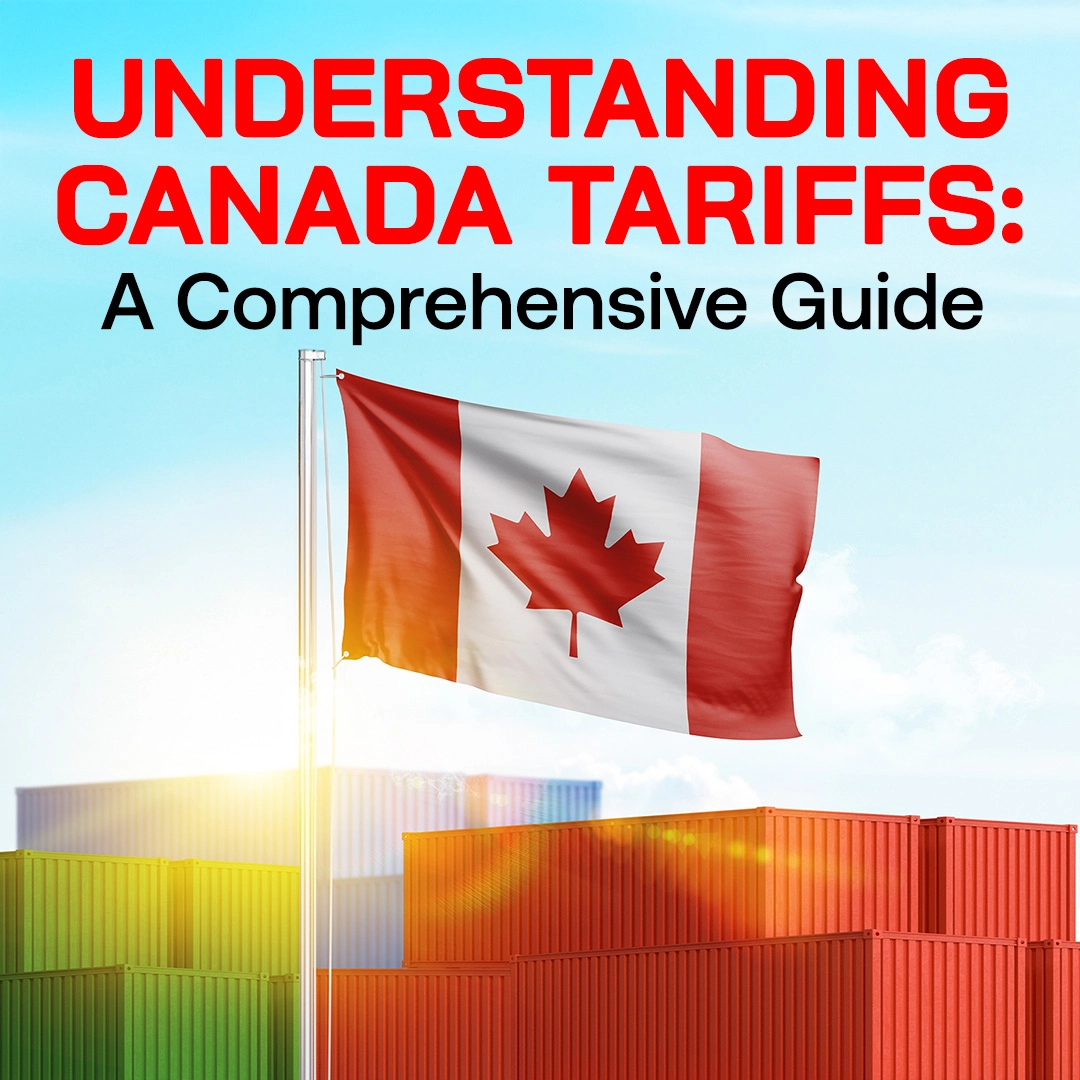
Canada is one of the most influential trading nations in the global economy, supported by a strong regulatory framework and a well-defined customs system. Tariffs play a central role in shaping the country’s import and export flows, affecting not only domestic businesses but also international trade partners. This guide provides a detailed overview of how Canada applies tariffs, how they function in practice, and how they influence global trade relationships.
Understanding Canada
tariffs is essential for companies seeking market access, cost
efficiency, and regulatory compliance when trading with or through Canada.
What Are Canada Tariffs and How Do They Work?
Tariffs in
Canada refer to taxes imposed on imported goods when they enter the country.
These charges are applied by customs authorities to regulate trade, protect
domestic industries, and generate government revenue. In practice, Canada
customs and duties are calculated based on the classification, origin,
and declared value of goods.
Canada
applies tariffs primarily through its Customs Tariff system, which is aligned
with the Harmonized System used globally. Each product is assigned a tariff
classification code that determines the applicable duty rate. In addition to
standard tariffs, goods may also be subject to special duties depending on
trade agreements, safeguard measures, or retaliatory actions.
The concept
of Canada customs duties goes beyond simple taxation. Duties
influence pricing strategies, sourcing decisions, and competitiveness in both
domestic and international markets. Companies that understand tariff mechanisms
are better positioned to manage costs and avoid compliance risks.
Key Types of Canada Tariffs
Canada
applies several types of tariffs depending on the trade context and policy
objectives.
Most
Favored Nation tariffs are standard rates applied to countries without a
preferential trade agreement. These rates form the baseline of the Canada
tariffs list and are published in official customs schedules.
Preferential
tariffs are reduced or eliminated duties applied to countries with which Canada
has trade agreements. These agreements significantly lower barriers and
encourage bilateral and multilateral trade.
Anti-dumping
and countervailing duties are imposed to protect Canadian industries from
unfair trade practices such as dumping or subsidized imports.
Special
surtaxes may be applied temporarily in response to trade disputes or economic
pressures. These measures are often targeted and product specific.
Understanding
these tariff types is critical for assessing how Canada tariffs may
impact specific goods and markets.
How Canada Tariffs Affect Global Trade
Canada’s
tariff system plays a significant role in shaping global trade flows. As a
major importer and exporter, Canada’s policies influence supply chains across
North America, Asia, and Europe.
Tariffs
affect trade by altering the cost structure of imported goods. Higher duties
can reduce import volumes, encourage local sourcing, or shift trade toward
alternative suppliers. Conversely, lower tariffs increase competitiveness and
promote trade expansion.
Global
companies must consider Canada customs duties when planning cross
border operations. Even small tariff changes can impact profitability,
especially in industries with tight margins such as manufacturing, agriculture,
and consumer goods.
In
addition, Canada’s tariff decisions often reflect broader trade policy
objectives, including sustainability, labor standards, and geopolitical
considerations. This makes tariff analysis an essential component of
international trade strategy.
The Trade Relationship Between Canada and the US
The trade
relationship between Canada and the United States is one of the largest and
most integrated in the world. Daily trade flows involve energy products,
automotive components, agricultural goods, machinery, and consumer products.
Despite
close economic ties, US Canada tariffs continue to shape trade
dynamics. While many goods move duty free under trade agreements, certain
products remain subject to tariffs, quotas, or safeguard measures.
Canada Tariffs on the US: Key Products and Current Rates
Canada
tariffs on US vary
by product category. While many industrial goods benefit from preferential
treatment, some sectors face duties due to policy protections or trade
disputes.
Agricultural
products such as dairy, poultry, and eggs are often subject to tariff rate
quotas that limit duty free access. Steel and aluminum products have also
experienced tariff fluctuations in recent years due to global overcapacity
concerns.
For
exporters, understanding import duties Canada to US and
reciprocal measures is essential for accurate pricing and compliance planning.
Even within a close trade partnership, tariff exposure can differ significantly
by sector.
US Tariffs on Canada: What You Need to Know
The United
States applies tariffs to Canadian goods under its own customs framework. While
trade agreements reduce many barriers, certain products remain sensitive.
Sectors
such as lumber, aluminum, and agricultural goods have historically faced duties
or trade remedies. These measures directly affect US Canada
tariffs and influence negotiation dynamics between the two countries.
Businesses
operating in this corridor must monitor tariff developments closely, as changes
can occur rapidly due to policy decisions or dispute resolutions.
Tariffs Applied by Canada to China
China is
one of Canada’s most important trading partners, particularly as a source of
manufactured goods and industrial inputs. However, China Canada tariffs reflect
a more complex trade relationship shaped by global economic tensions.
Canada
applies standard tariffs to most Chinese imports under Most Favored Nation
rates. In certain cases, additional surtaxes or safeguards may apply to address
market disruptions or policy concerns.
Products
such as electronics, machinery, textiles, and consumer goods are significantly
influenced by China Canada tariffs. For importers, tariff costs play a
critical role in supplier selection and sourcing strategies.
As global
supply chains evolve, tariff policies toward China remain a key factor in
Canada’s trade planning and diversification efforts.
Canada Tariff Rates by Country: A Global Comparison
Canada’s
tariff rates vary significantly depending on the country of origin.
Preferential agreements create substantial differences in duty levels across
trading partners.
Countries
with comprehensive trade agreements benefit from reduced or zero tariffs,
enhancing competitiveness in the Canadian market. In contrast, countries
without such agreements face higher duties as outlined in the official Canada
tariffs list.
Comparing Mexico
and Canada tariffs provides a clear example of how agreements
influence trade. Mexico benefits from preferential access for many goods,
making it a strategic partner in North American supply chains.
Similarly,
European and Asia Pacific partners with trade agreements enjoy favorable
conditions compared to countries trading under standard rates. This variation
highlights the importance of origin rules and documentation in tariff planning.
The Impact of Trade Agreements on Canada Customs Duties
Trade
agreements play a transformative role in shaping Canada customs and
duties. Canada has pursued an active trade policy aimed at expanding market
access and reducing barriers.
Agreements
reduce tariffs, simplify customs procedures, and improve regulatory
cooperation. For businesses, this translates into lower costs, faster
clearance, and greater predictability.
However,
preferential treatment depends on compliance with rules of origin. Failure to
meet these requirements can result in the loss of tariff benefits and
unexpected duty charges.
As a
result, companies must integrate tariff analysis into broader trade compliance
strategies to fully benefit from Canada’s network of agreements.
Trade Intelligence and Market Analysis with TradeAtlas
In a global
trade environment shaped by complex regulations and constantly evolving tariff
policies, access to reliable data is critical. Through its data driven
approach, TradeAtlas enables businesses to evaluate market potential, analyze
competitive landscapes, and identify emerging opportunities. By transforming
raw trade data into actionable intelligence, the platform helps decision makers
navigate international markets with greater clarity and confidence.
For a clearer understanding of reciprocal
trade measures, you can explore our blog post on reciprocal tariffs list within the context of international trade.