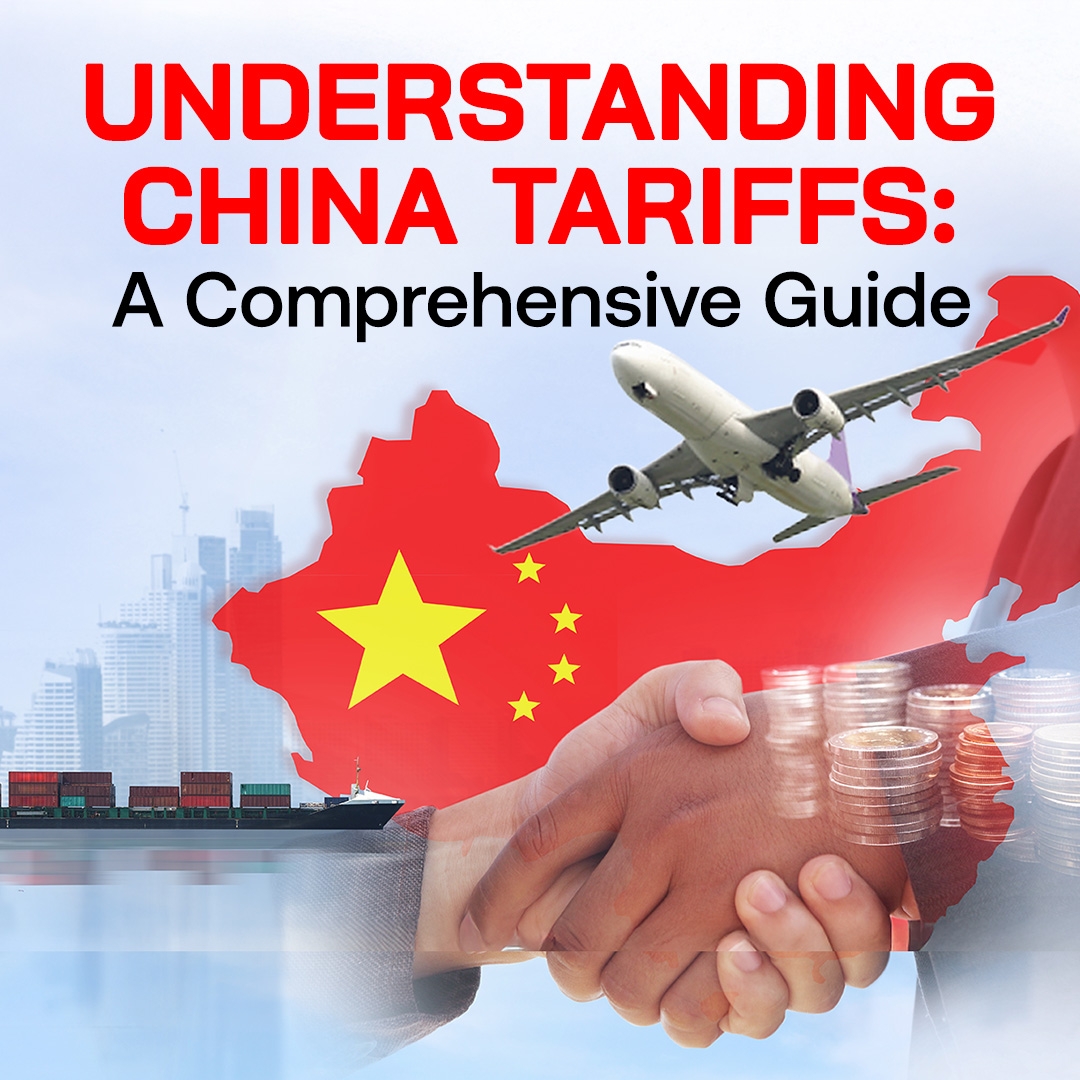
China plays a central role in global trade, serving as one of the world’s largest exporters and importers. For businesses involved in international commerce, understanding how tariffs in China work is essential for cost planning, compliance and market entry strategies. From customs valuation to bilateral trade disputes, China’s tariff system affects exporters, importers and global supply chains alike. This guide provides a detailed overview of China tariffs, their global impact and how businesses can navigate them effectively using data-driven insights.
1. What Are China Tariffs and How Do They Work?
China tariffs are taxes imposed by the Chinese
government on imported goods entering the country. These tariffs are collected
by China Customs and are designed to regulate trade flows, protect domestic
industries and generate government revenue.
In practice, customs duties in China are
calculated based on the customs value of the imported goods. This value
generally includes the cost of the goods, freight and insurance (CIF value).
Once the customs value is determined, the applicable customs duty of China
is applied according to the product’s HS (Harmonized System) code.
China is a member of the World Trade
Organization (WTO), which means its tariff framework largely follows
international trade rules. However, tariff rates may vary depending on trade
agreements, country of origin and product classification. Understanding what is import
and how import regulations work in China is the first step for any business
looking to enter the Chinese market.
1.1. Key Types of China Tariffs
China applies several types of tariffs
depending on trade relationships and policy goals. The most common include:
Most-Favored-Nation (MFN) Tariffs: Applied to WTO member countries.
These represent the standard customs duty rate China uses for most imports.
Preferential Tariffs: Reduced rates offered under free
trade agreements (FTAs) with countries such as ASEAN members.
Temporary Tariffs: Short-term reductions or increases to
stabilize domestic markets.
Retaliatory Tariffs: Imposed in response to foreign
trade measures, often seen in geopolitical trade disputes.
For businesses, understanding which tariff
category applies is critical when calculating import customs duty in China
and estimating total landed costs.
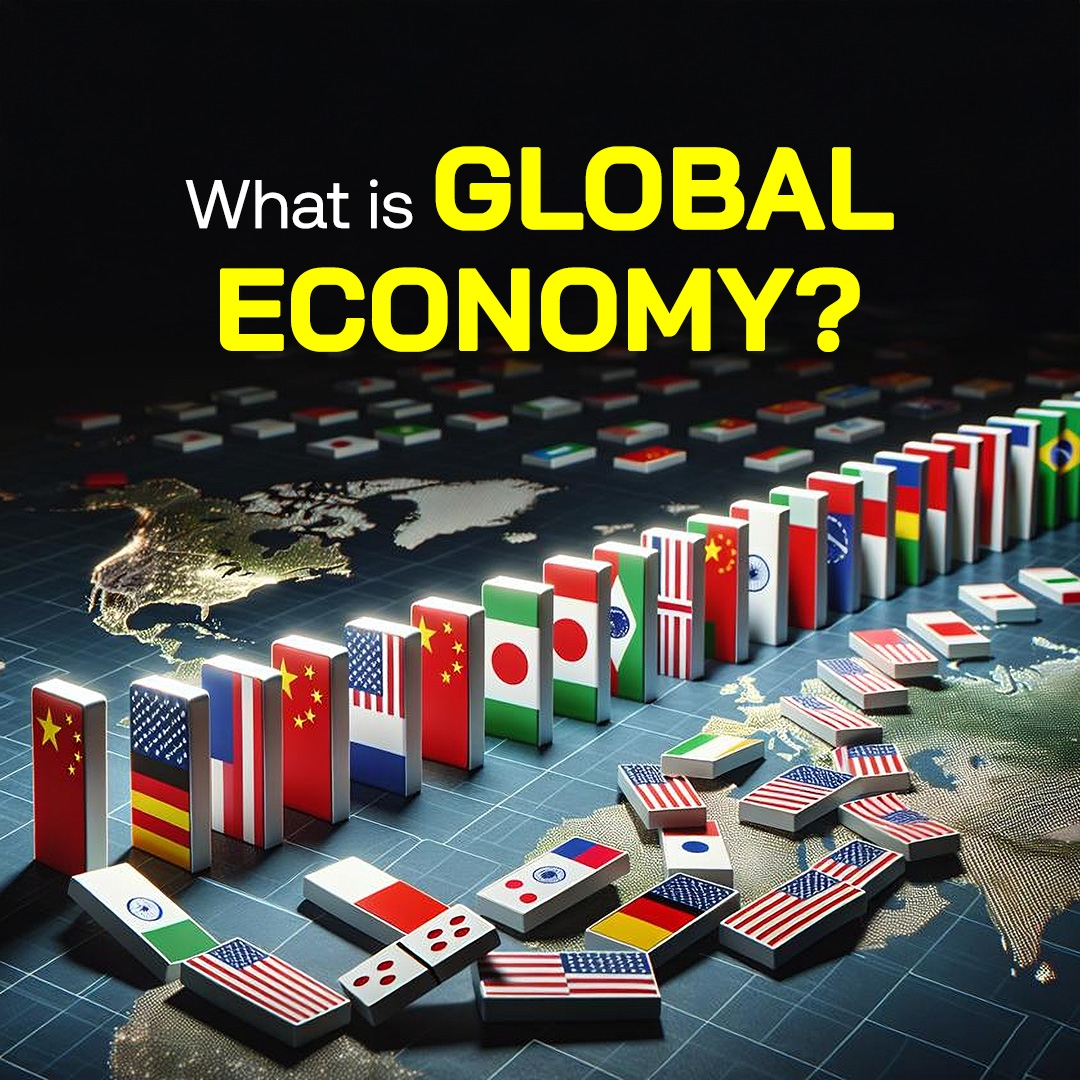
2. How China Tariffs Affect Global Trade
China tariffs influence global trade far beyond
its borders. As one of the largest manufacturing hubs, any change in tariffs in
China can impact pricing, sourcing decisions and supply chain strategies
worldwide.
Higher import tariffs in China can
increase costs for foreign exporters, making their products less competitive in
the Chinese market. Conversely, reduced tariffs can stimulate imports,
benefiting exporters and encouraging market diversification. China’s tariff
policies also affect raw materials, intermediate goods and finished products,
which in turn influence global manufacturing networks.
Additionally, trade tensions involving tariffs
on China often result in supply chain shifts, with companies relocating
production to alternative markets. These changes highlight the importance of
monitoring tariff trends using reliable trade intelligence tools.
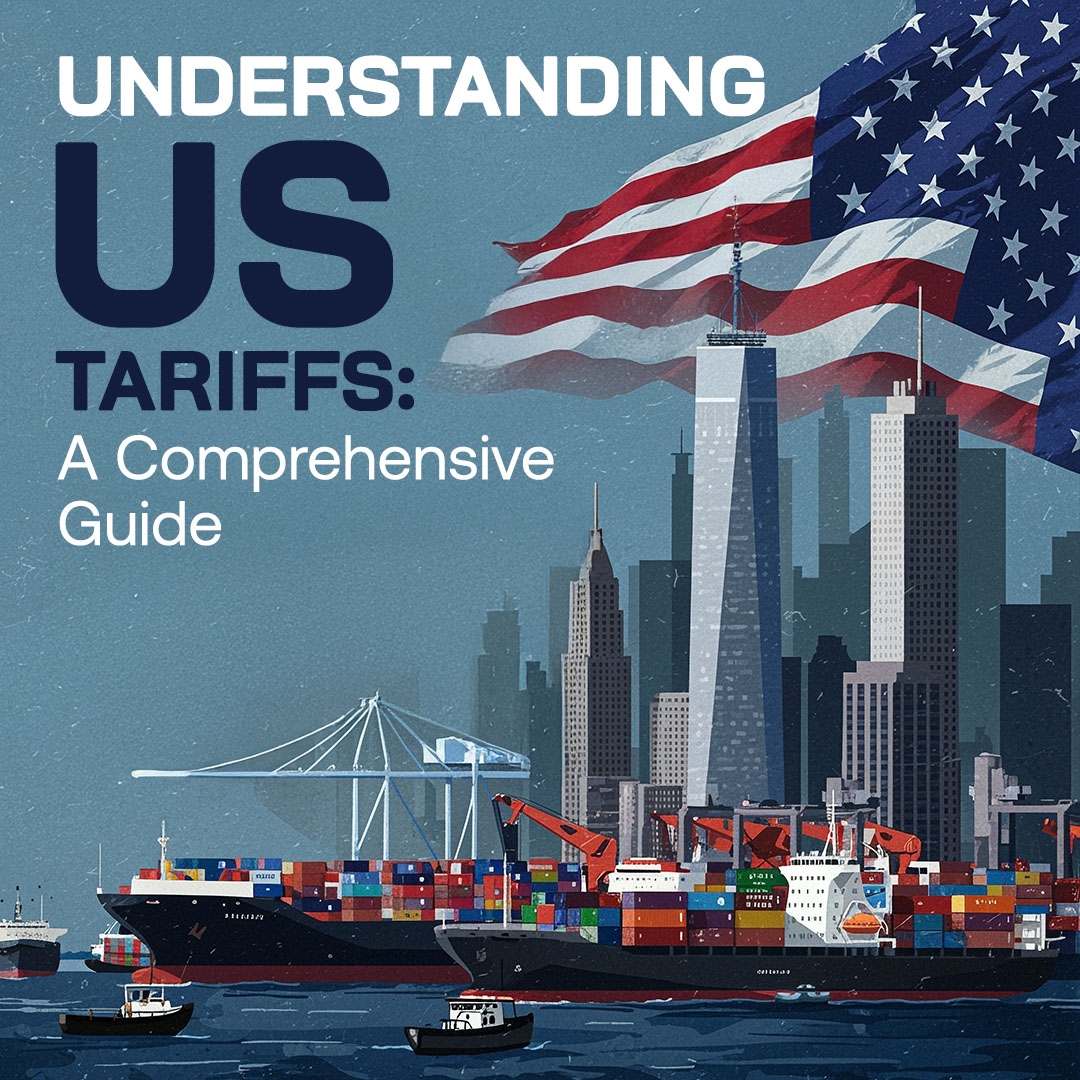
3. The Trade Relationship Between China and the US
The trade relationship between China and the
United States has been shaped significantly by tariff policies over the past
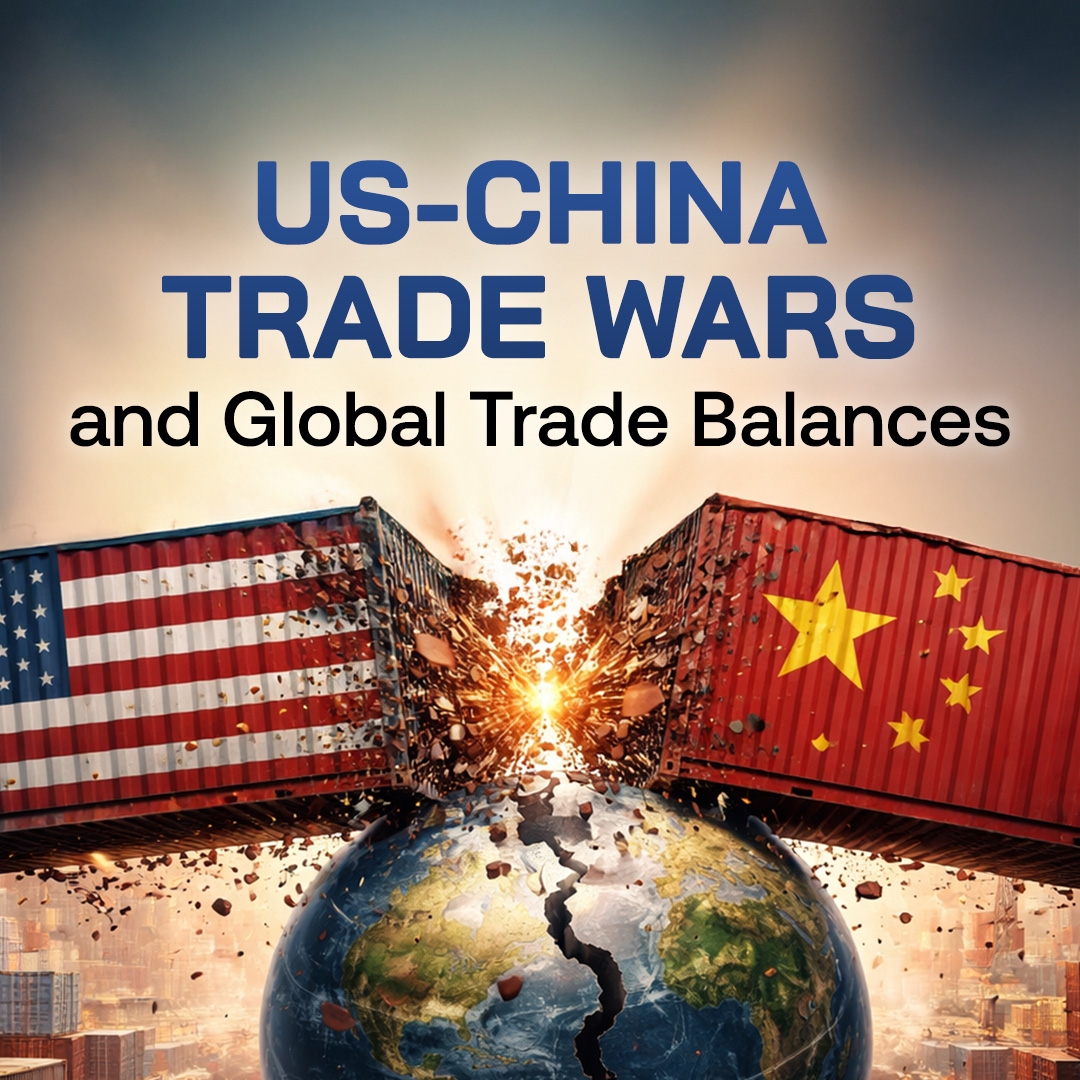
decade. US tariffs on China, also referred to as American tariffs on
China, were introduced to address trade imbalances, intellectual property
concerns and industrial policy disputes.
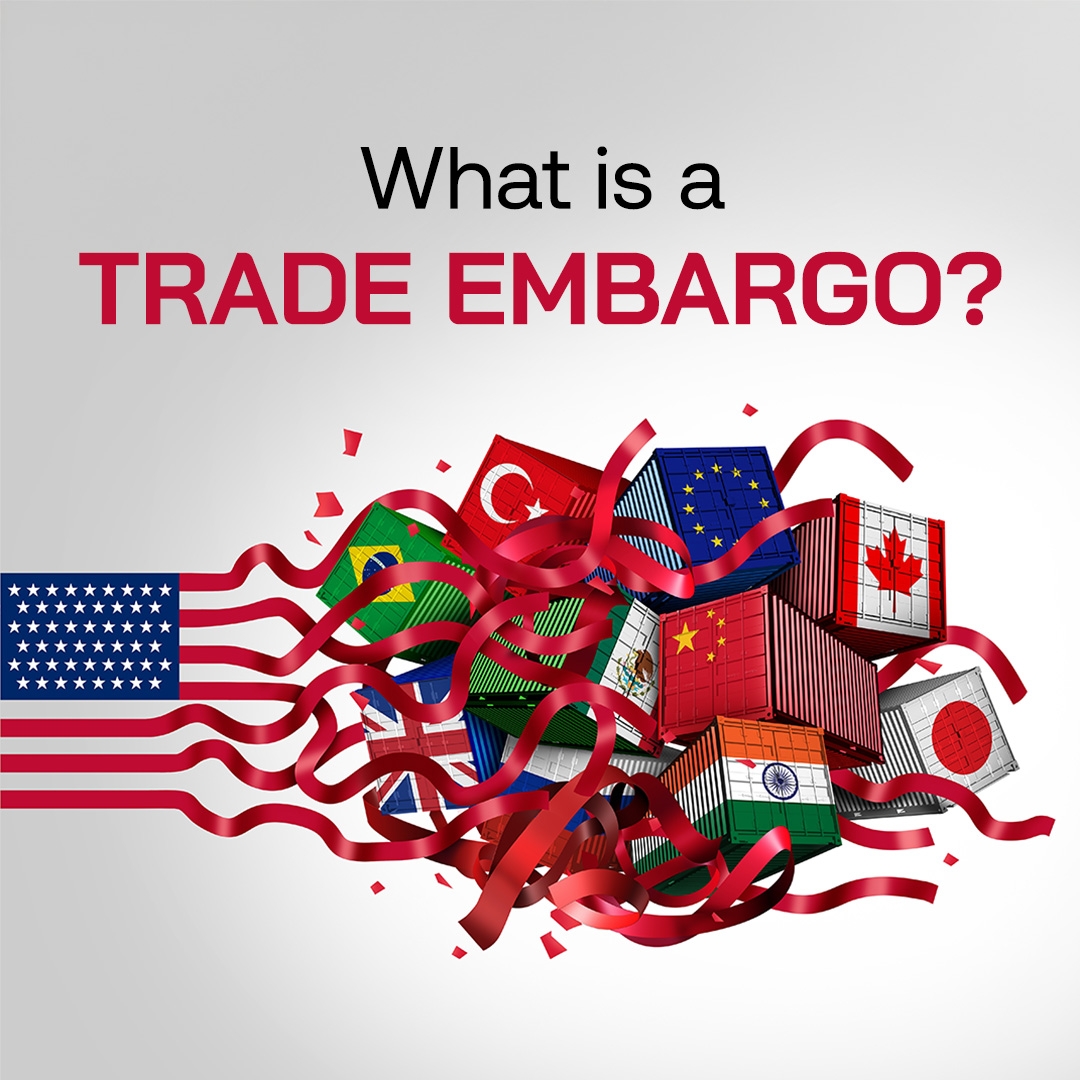
These tariffs on China imports targeted a wide
range of products, including electronics, machinery, steel and consumer goods.
In response, China imposed retaliatory tariffs on US products, affecting
agriculture, energy and industrial exports.
The ongoing tariff landscape has reshaped
bilateral trade flows, increased costs for businesses and encouraged companies
to explore alternative sourcing strategies. Despite these challenges, China and
the US remain deeply interconnected, making tariff analysis a critical
component of strategic planning.
4. China Tariffs on India: What You Need to Know
Trade between China and India has grown
steadily, although it is influenced by political and economic considerations.
China applies varying tariff rates on Indian imports depending on product
categories and trade policies.
For Indian exporters, understanding import
duties from China is essential when sourcing raw materials or intermediate
goods. Products such as electronics components, chemicals and machinery often
face specific tariff structures, which can impact profitability.
India, in turn, has implemented its own tariff
measures on Chinese imports, reflecting broader concerns about trade deficits
and domestic manufacturing. Businesses operating between these two markets must
carefully assess tariffs in China and India’s reciprocal policies to manage
risks effectively.
5. Customs Duties Between China and the Netherlands
The Netherlands serves as a key trade gateway
between China and Europe, thanks to major logistics hubs such as the Port of
Rotterdam. Trade between China and the Netherlands is governed by EU trade
policies, which influence tariff structures on both sides.
Chinese exports to the Netherlands are subject
to EU customs duties, while Dutch exports to China must comply with China’s
tariff regulations. Understanding customs duties in China is
particularly important for European companies exporting high-value goods such
as machinery, chemicals and agricultural products.
Accurate classification and valuation are
essential to avoid overpaying the customs duty rate in China or facing
compliance issues at customs clearance.
6. China Customs Duty Rates by Country: Global Comparison
China’s customs duty rates vary depending on
the exporting country, trade agreements and product categories. While MFN rates
apply to most WTO members, countries with preferential agreements benefit from
lower tariffs.
For example:
- ASEAN countries often enjoy reduced import
customs duty in China under regional trade agreements.
- Developed economies may face standard MFN
rates unless specific trade disputes apply.
- Countries involved in trade tensions may
encounter higher tariffs on China or retaliatory measures.
Comparing customs duty rate China across
countries allows businesses to optimize sourcing decisions and identify
cost-effective trade routes. This is where trade data platforms play a vital
role in providing transparency and actionable insights.
7. TradeAtlas Insights: Navigating China Tariffs with Data
Navigating complex tariff structures requires
accurate, up-to-date data. TradeAtlas empowers businesses by providing detailed
insights into tariffs in China, global customs duties and bilateral
trade flows.
With TradeAtlas, companies can:
- Analyze customs duties effects in China by
product and country
- Compare tariffs on China imports
across global markets
- Track changes in global trade routes after
changing China's import duties
- Understand trade patterns affected by tariffs
on Russia and other geopolitical developments
By leveraging TradeAtlas’ global trade
database, businesses gain a competitive edge in managing tariff risks,
optimizing pricing strategies and identifying new market opportunities.
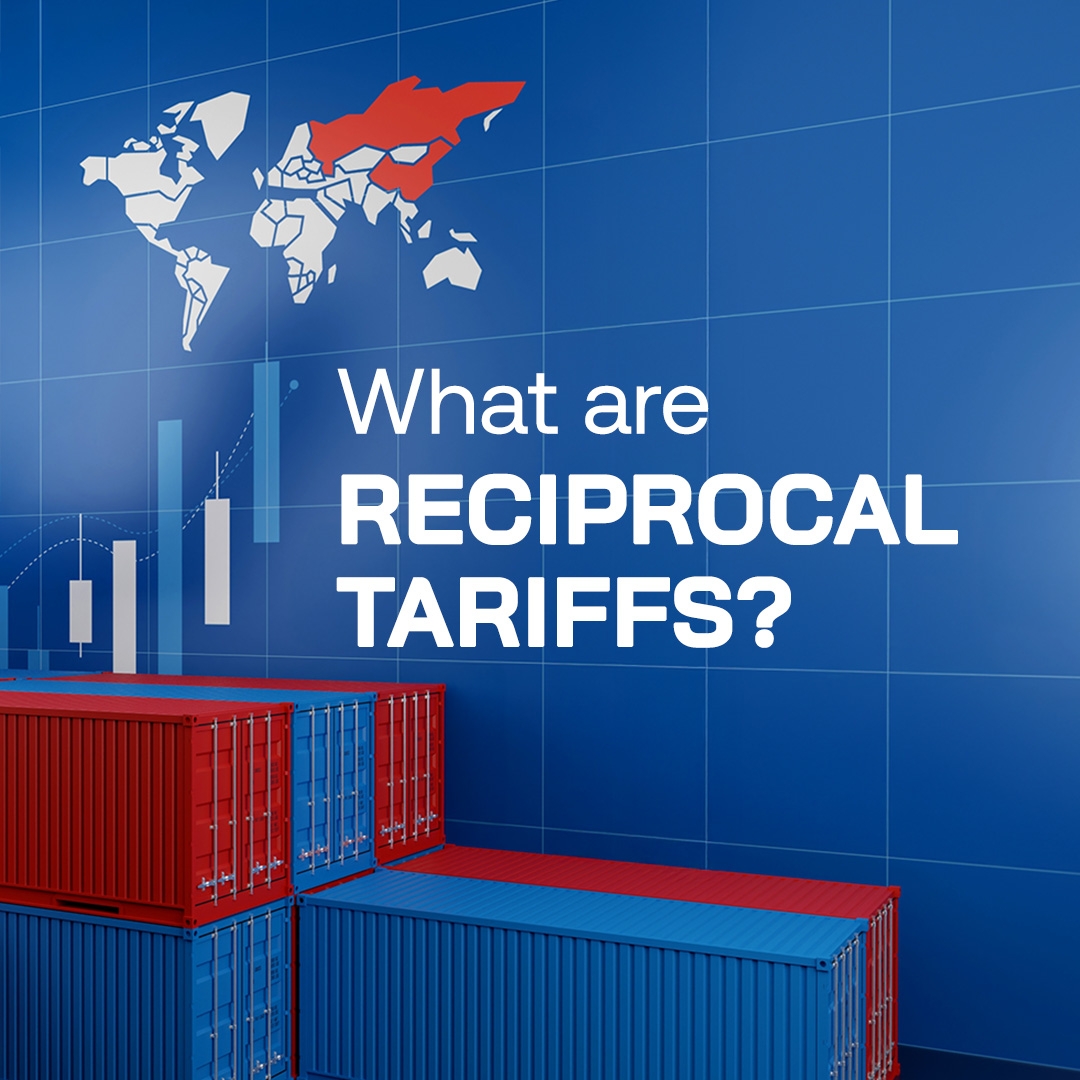
To better understand how countries respond to
trade measures with mutual actions, explore our detailed guide on the reciprocal tariffs list in the article titled "What are Reciprocal Tariffs?".