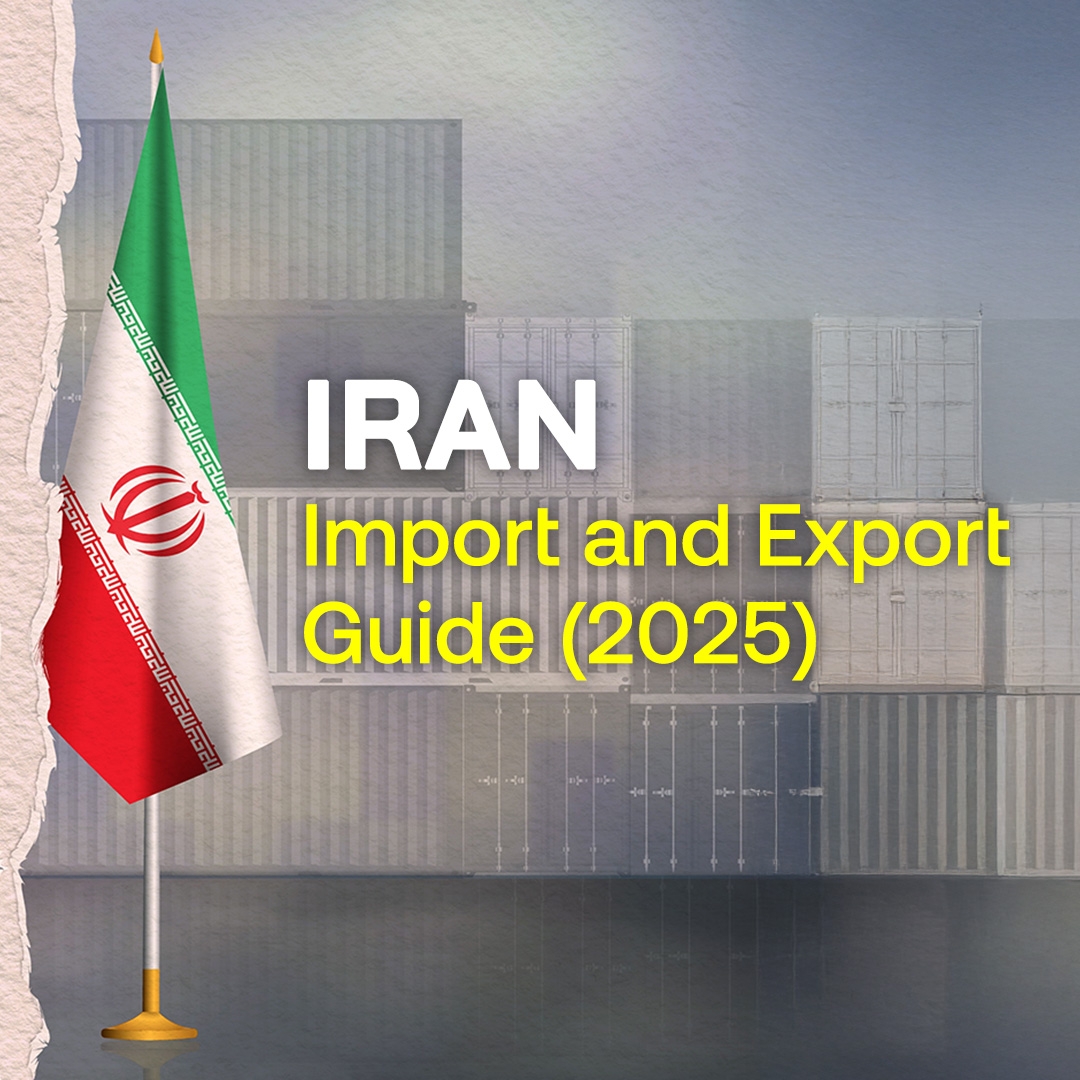
Iran, with its rich natural resources and strategic geographical location, plays a pivotal role in the global trade landscape. Despite ongoing sanctions and political complexities, the country continues to be a significant player in international markets through diversified export from Iran and a stable demand for various Iran import goods. This guide provides a comprehensive overview of Iran export and import activities in 2025, key markets, major products, trading challenges and opportunities for global businesses.
1. Key Iran Export Products List
Iran's economy is largely export-driven, with a
strong focus on oil, gas, petrochemicals, agriculture and handicrafts. Here are
the primary Iran export items that dominate international markets.
1.1. Iran Oil Exports by Country
Iran oil exports by country have fluctuated over the past
decade due to global sanctions. However, in 2025, Iran continues to export
substantial volumes of crude oil and condensates to: China is the largest buyer
of Iranian crude. Syria and Lebanon are under regional agreements. India and
Turkey are importing via complex barter or indirect payment mechanisms.
Venezuela and Russia are trading in exchange for goods or services
Despite limitations, Iran’s largest export
remains crude oil, making it the main export of Iran in terms of value.
1.2. Iran Petrochemical & Saffron Exports
Beyond oil, Iran export products list
includes petrochemicals such as methanol, urea, polyethylene and ammonia. These
are exported mainly to China, India and Southeast Asia. Iran is also the
world’s leading saffron producer, accounting for over 90% of global production.
Saffron is exported in bulk and as packaged products, often through Iran
export companies to Europe, the UAE and South Korea.
1.3. Iran Carpets, Handicrafts and Other Items
Iran’s handmade carpets and intricate
handicrafts, such as pottery, enamel work, and miniature paintings, are admired
globally. Traditional items remain popular in Germany, Japan and GCC countries.
Despite modernization, these sectors sustain employment for thousands, making
them a staple of exports in Iran.
2. Top Iran Export Markets & Trading Partners
Iran biggest export, crude oil, plays a central role in shaping
its trade partnerships. Countries like China, India and Pakistan remain key
buyers, highlighting Iran’s continued relevance in regional and global trade.
2.1. Iran Exports to China
China remains Iran’s top trading partner,
absorbing over 25% of Iran exports in 2025. Crude oil, petrochemicals
and copper cathodes top the list. Iran imports electronics, industrial
machinery and consumer goods from China in return.
2.2. Iran Exports to India
India is a major destination for exports from
Iran, especially in energy, chemicals and dried fruits. Trade is facilitated
through rupee-rial arrangements and third-country settlements to bypass banking
restrictions.
2.3. Iran Exports to Pakistan
Pakistan imports cement, steel, LPG and fresh
fruits from Iran, particularly through border trade. Bilateral trade reached
nearly $2 billion in 2025. Efforts to formalize border markets are improving Iran
trading with Pakistan.
2.4. Iran Trade with US & EU
Despite strict sanctions, indirect Iran trade
with European countries continues via third parties and humanitarian
exemptions. Iran exports items like medical goods and carpets that reach
European consumers through creative logistics, though export from Iran to the
US remains virtually non-existent.
3. How Much Oil & Other Goods Does Iran Export?
Iran exports a wide range of goods, but oil
remains the backbone of its economy. In 2025, the country exports millions of
barrels of crude oil each month, along with petrochemicals, agricultural
products and traditional goods. These exports are vital for foreign exchange
earnings and form the core of Iran's export and import activities worldwide.
3.1. Iran’s Largest Export & Main Items
As of 2025, Iran’s largest export is still
crude oil, followed by natural gas condensates and petrochemicals. Agricultural
products such as pistachios, saffron, dates and watermelon also make up a
significant portion of Iran main export categories.
3.2. Iran Export Companies and Channels
Most Iran export companies are either
state-owned or private firms under tight regulation. They often operate through
intermediaries in Dubai or Turkey. Common channels include:
- Direct government agreements
- Private export houses
- Free trade zones (e.g., Kish Island, Arvand)
Online B2B platforms like TradeAtlas, which
allow businesses to connect with verified Iranian export companies
4. How to Import Goods from Iran
Importing goods from Iran requires a clear
understanding of product categories, documentation and regulatory compliance.
While challenges exist due to international sanctions, many companies still
engage in Iran trading through authorized channels and third-party
intermediaries. With proper due diligence, businesses can access high-demand
Iranian export items such as saffron, dried fruits and petrochemical products.
4.1. Iran Import Products List
Although Iran is a major exporter, it also
relies on imports for advanced technology and consumer products. The Iran
import products list includes:
- Industrial machinery and spare parts
- Pharmaceuticals and medical devices
- Electronics and mobile phones
- Paper and packaging materials
- Livestock feed and soybeans
Most imports originate from China, India,
Germany and the UAE.
4.2. Required Documents & Customs Procedures
To import from Iran, you’ll typically need the
following documents:
- Pro forma invoice and commercial invoice
- Certificate of origin
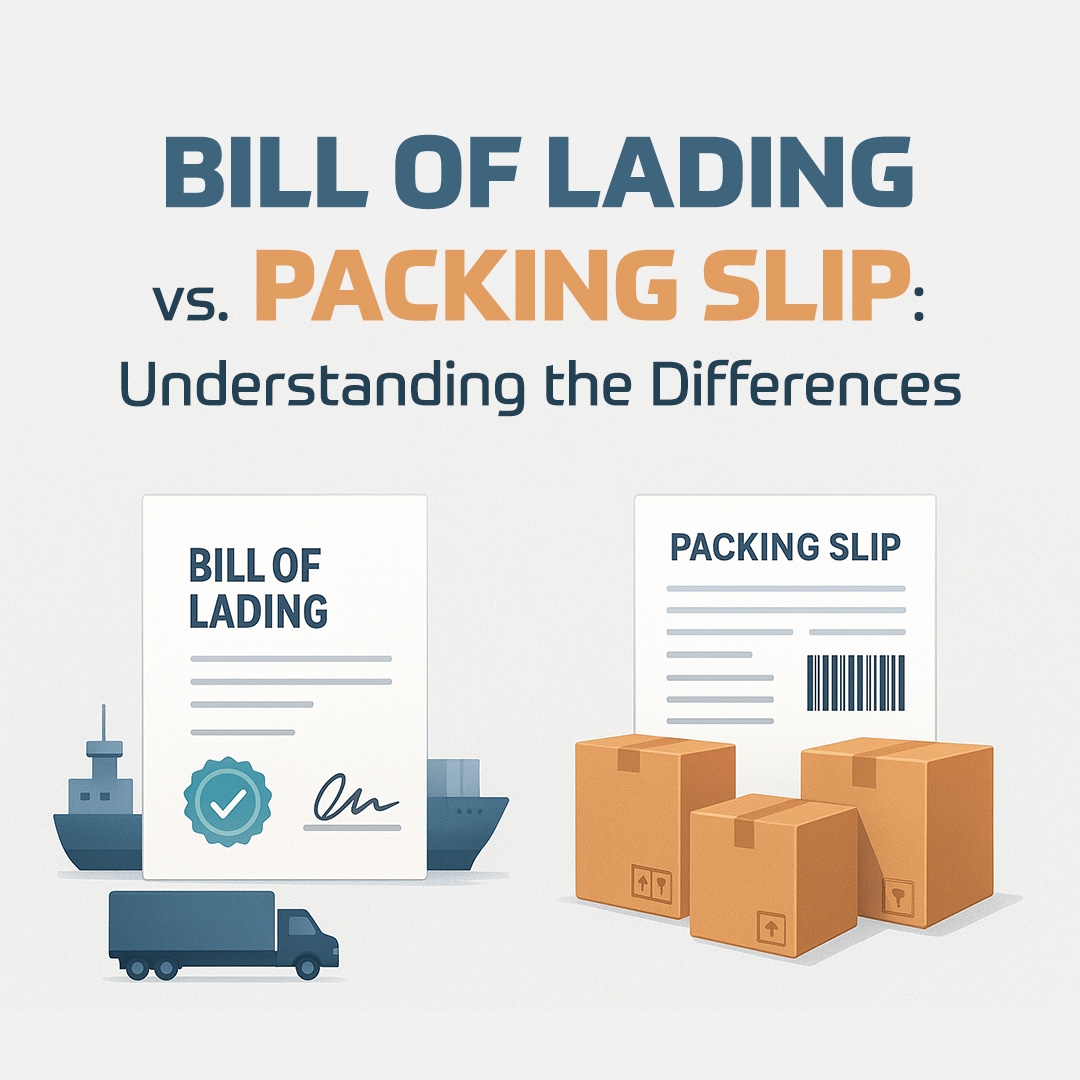
- Packing list
- Bill of lading or airway bill
- Import license
- Phytosanitary or health certificate (for
agricultural goods)
Iranian customs follows the HS Code system and
allows online clearance in major ports like Bandar Abbas and Imam Khomeini
Port. However, importers should ensure compliance with both Iranian regulations
and sanctions from their own country.
5. Iran Trading: Opportunities and Risks
Iran trading offers both promising
opportunities and significant risks. While the country boasts competitive
prices and unique export products, navigating international sanctions, banking
restrictions and regulatory uncertainties requires caution. Businesses seeking
to engage with Iran's export and import markets must balance potential rewards
with careful risk management and compliance strategies.
5.1. Sanctions Impact on Iran Export and Import
Sanctions continue to limit banking, shipping
and insurance related to Iran trading. US and EU sanctions restrict many
transactions, even with humanitarian exceptions in place. Nevertheless, barter
trade, crypto-based payments and cooperation with non-aligned nations have
helped sustain Iran's export and import activity.
5.2. Payment Methods & Banking Restrictions
Due to SWIFT restrictions, most businesses
avoid USD payments. Common methods include:
- Local currency swaps (rial, yuan, rupee)
- Third-country bank accounts
- Cryptocurrency transactions
- Open account and advance payment (high-risk)
Business partners must conduct thorough due
diligence to avoid unintended violations of sanctions regimes.
6. Iran Export Data
Iran’s total exports in 2024 exceeded $75
billion, with oil comprising about 50%. The top exported items were:
- Crude oil and condensates
- Methanol and other petrochemicals
- Pistachios and saffron
- Polymers and plastics
Iran’s key export markets in 2025 include
China, the UAE, India, Turkey and Afghanistan.
7. Iran Import Data
Iran import data shows that the country
imported approximately $60 billion worth of goods in 2024. Machinery,
pharmaceuticals, grains, and electronics topped the Iran import products list.
Imports largely came from China, Germany, the UAE, Russia and South Korea. Trade
volumes continue to recover slowly after COVID-19 and currency fluctuations.
Iran Export & Import Data (2024–2025)
Based on official country-level trade indicators, Iran’s total imports in 2024 reached approximately USD 29.3 billion, while total exports stood at around USD 13.6 billion. This resulted in a trade deficit of nearly USD 15.7 billion, highlighting Iran’s continued dependence on imports for industrial inputs, machinery, pharmaceuticals and agricultural commodities.
In 2024, China remained Iran’s largest trade partner on both sides of trade. Imports from China exceeded USD 8.9 billion, followed by the United Arab Emirates (USD 6.0 billion) and Türkiye (USD 3.2 billion). On the export side, Iran shipped goods worth USD 4.4 billion to China and USD 2.4 billion to Türkiye, with Pakistan, Azerbaijan and Armenia standing out as key regional destinations.
Early indicators for 2025 suggest that Iran’s trade structure remains largely unchanged. Energy-related products, petrochemicals and agricultural goods continue to dominate exports, while demand for machinery, electronics, grains and medical products sustains high import volumes. Rather than a sharp expansion, Iran’s foreign trade in 2025 is expected to follow a sanctions-adaptive and regionally focused model, relying on neighboring markets and alternative payment mechanisms.
8. How TradeAtlas Helps with Iran Export and Import
TradeAtlas is an essential platform for
businesses involved in Iran export and import. By providing verified Iran
export data, detailed shipment records, and Iran export companies databases,
TradeAtlas empowers importers and exporters to:
- Identify reliable partners
- Analyze market trends
- Track Iran's trading volumes
- Minimize risk in sanctioned or
high-regulation environments
Whether you're looking to source Iran export
items like petrochemicals or to explore new business opportunities in saffron
and dried fruit markets, TradeAtlas offers the insights you need to succeed in
Iran trading.
For
detailed information on the subject foreign trade policy, you can review the
content “What is Foreign Trade Policy?”.