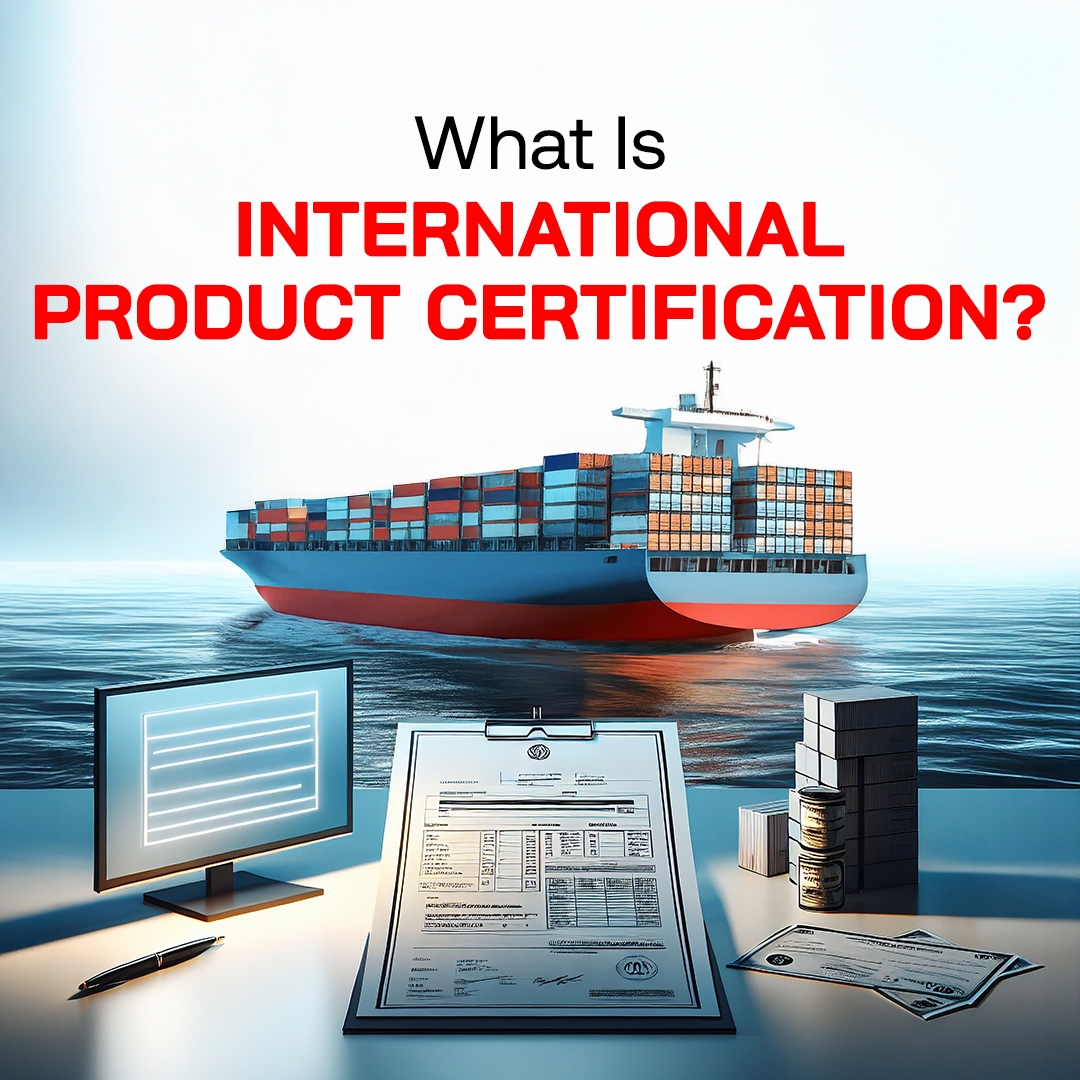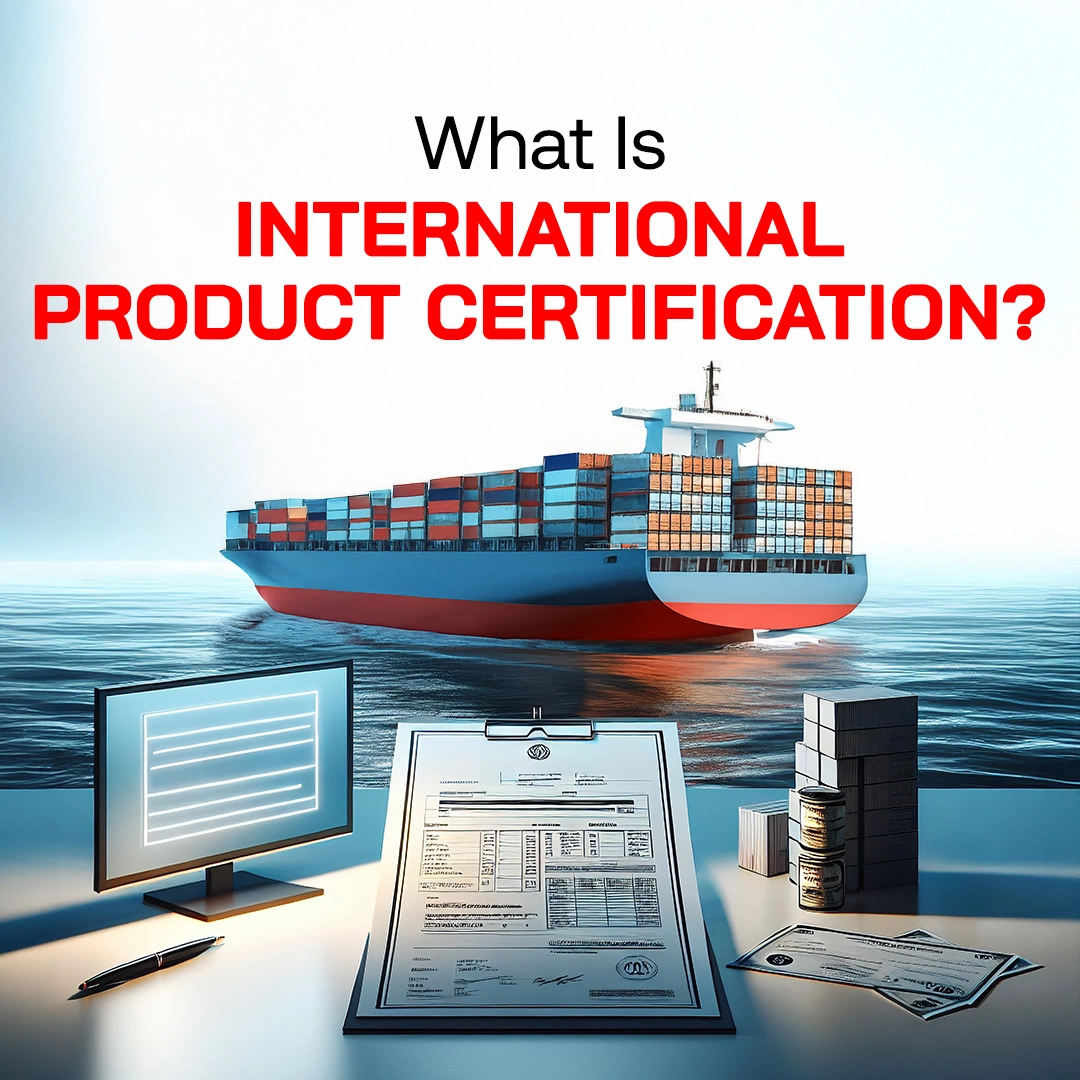
In today’s globalized economy, businesses are constantly seeking ways to distinguish their products in competitive markets. One of the most effective strategies is obtaining international product certification. This process ensures that products meet the safety, quality, environmental, and regulatory standards of the target market, facilitating smoother cross-border trade and enhanced consumer trust.
Product
certification is an
official attestation by a recognized body that a product complies with a set of
predefined standards. These certifications can range from safety and
performance to environmental and organic credentials. With globalization, the
need for standardization has grown, and international product
certification has become an essential tool for manufacturers aiming to
expand globally.
How Does Green Product Certification Work?
Green
product certification evaluates
products based on their environmental performance and sustainability throughout
their lifecycle. This type of certification involves a detailed assessment of a
product’s raw materials, manufacturing process, energy usage, packaging, and disposal.
To obtain
a green product certification, companies typically work with third-party
organizations that specialize in eco-friendly standards. These organizations
assess the environmental footprint of the product and award certification if it
meets criteria related to recyclability, carbon emissions, toxicity, and energy
consumption. Certifications such as ENERGY STAR, LEED, and EU Ecolabel are
examples of internationally recognized eco-certifications.
Green
product certification not only enhances a company’s sustainability
credentials but also boosts marketability among environmentally conscious
consumers.
What Is Organic Product Certification and Why Does It Matter?
Organic
product certification is
crucial for producers and exporters of organic foods, cosmetics, textiles, and
other goods. This certification ensures that the product has been produced
using methods that align with organic farming standards, avoiding synthetic
chemicals, GMOs, and harmful additives.
Certified
organic products are labeled as such only after undergoing rigorous inspections
by approved bodies. These inspections check for compliance with organic
regulations, which vary by country but generally cover soil quality, pest
control methods, animal raising practices, and processing standards.
Organic
product certification matters because it builds consumer confidence, helps
secure premium pricing, and ensures compliance with import regulations in
markets like the EU, US, and Canada.
Top Product Certification Companies Around the World
Several
global product certification companies play a key role in
maintaining safety, quality, and environmental standards across industries.
Some of the most reputable product certification companies include:
- SGS (Société Générale de Surveillance) – Headquartered in Switzerland, SGS
offers a wide range of testing and certification services.
- Intertek – Based in the UK, Intertek specializes in
assurance, inspection, product testing, and certification.
- TÜV SÜD and TÜV Rheinland – German firms known for industrial
and consumer product testing and certification.
- Bureau Veritas – A French company offering conformity
assessment services.
- UL (Underwriters Laboratories) – A US-based organization with global
reach, especially strong in electronics and fire safety.
These product
certification companies help ensure that products meet national and
international requirements, facilitating smoother market entry.
Real-Life Product Certification Examples
Understanding product
certification examples provides clarity on its practical implications.
Here are a few:
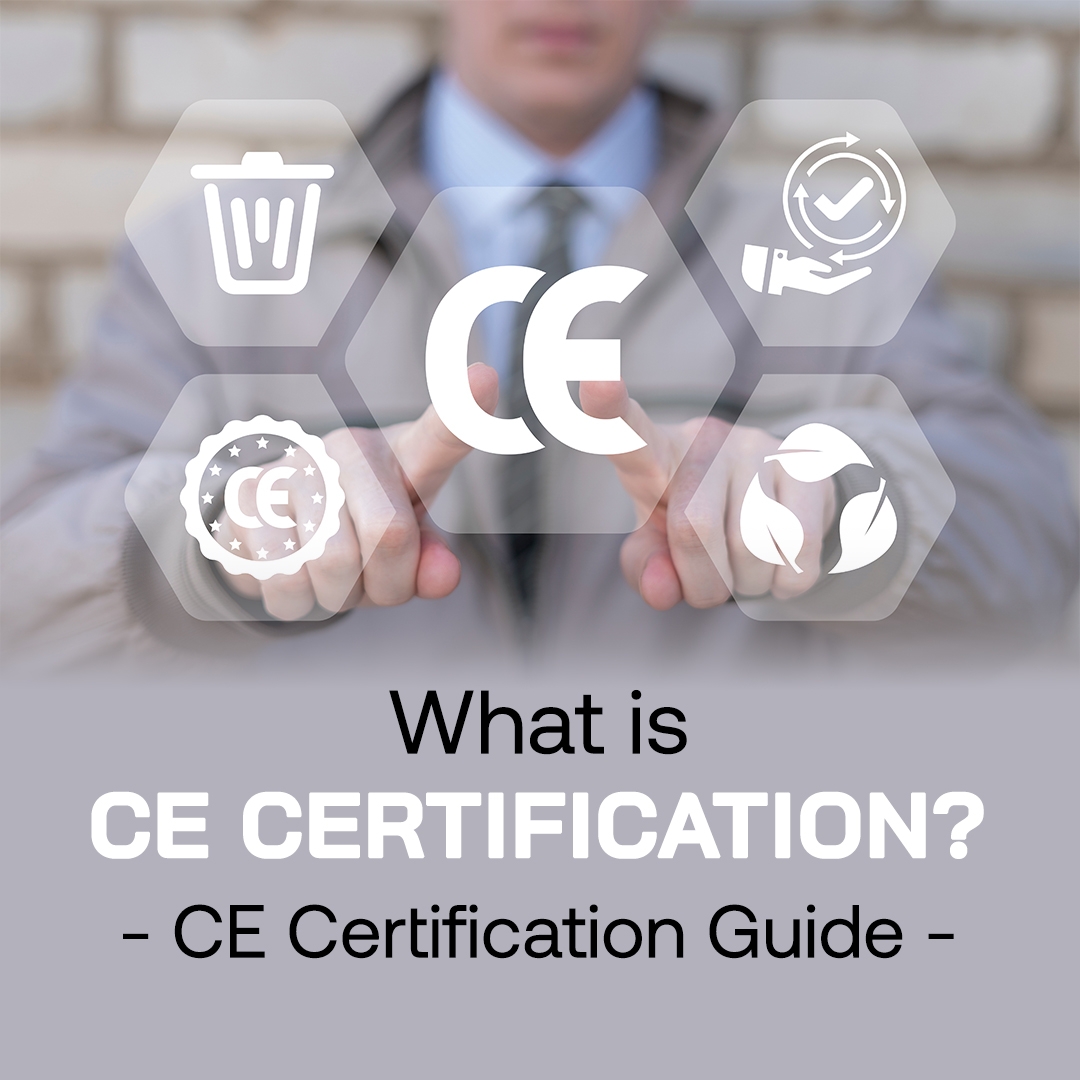
- CE Marking (Europe): Indicates conformity with health,
safety, and environmental protection standards for products sold within
the European Economic Area.
- FCC Certification (USA): Ensures that electronic
devices meet electromagnetic interference standards.
- USDA Organic: A label used for products that meet the organic
farming and processing standards of the United States Department of
Agriculture.
- ISO 9001 Certification: Demonstrates that a company follows
quality management principles.
- Energy Star Certification: Confirms that appliances and electronics
meet energy efficiency criteria.
These product
certification examples illustrate how diverse the certification landscape
is, with each label signifying trust, safety, and regulatory compliance.
Product Certification in India: Key Standards and Bodies
India has
developed a robust certification framework to ensure product quality, consumer
safety, and environmental sustainability. Key product
certification bodies in India include:
- Bureau of Indian Standards (BIS): India’s national standard body, which
offers ISI certification for a wide range of goods.
- Agricultural and Processed Food Products
Export Development Authority (APEDA): Responsible for the certification of organic
products under the NPOP (National Program for Organic Production).
- Food Safety and Standards Authority of
India (FSSAI): Regulates food
safety certifications.
- Ecomark: India’s green product
certification label awarded to eco-friendly products.
India's
participation in mutual recognition agreements with international bodies also
facilitates international product certification acceptance.
What is the Benefit of Product Certification?
The
benefits of product certification are substantial for both
manufacturers and consumers. Key advantages include:
- Market Access: Certified products more easily penetrate
regulated international markets.
- Consumer Trust: Certifications build brand credibility and
consumer confidence.
- Competitive Advantage: Differentiates products in crowded
markets.
- Compliance Assurance: Ensures adherence to health, safety, and
environmental regulations.
- Operational Improvements: Encourages better quality management and
manufacturing processes.
Whether
it's a green product certification for sustainability or
an organic product certification for food safety, these validations
carry significant weight in global commerce.
Understanding Product Certification in Canada
In
Canada, product certification is guided by various federal and
provincial bodies, depending on the product category. Some key organizations
and certifications include:
- Canadian Standards Association (CSA): Offers safety certification for
electrical and mechanical products.
- Canadian Food Inspection Agency (CFIA): Manages food product certifications,
including organic standards.
- EcoLogo: A green product certification program
evaluating products for environmental performance.
Canada also
recognizes many international product certification standards, making
it easier for global exporters to enter the market once they meet those
criteria.
Frequently Asked Questions About Product Certification
Product certification plays a crucial role across industries by helping
companies meet compliance requirements, gain consumer trust, and stand out in
competitive markets. Below are some of the most commonly asked questions about
certification processes.
What is an example of a product certification?
One of the
most well-known product certification examples is the CE marking,
which certifies that a product complies with European safety, health, and
environmental standards. Others include USDA Organic, ISO 14001, and Energy
Star.
What are product quality certifications?
Product
quality certifications are formal recognitions that a product meets
defined quality standards, often based on ISO frameworks. Examples include ISO
9001 for quality management and ASTM certifications for materials testing.
Why is product certification important?
Product
certification is essential because it validates a product’s safety,
quality, and regulatory compliance, helping businesses enter new markets and
reassuring consumers about what they are purchasing.
TradeAtlas: Your Strategic Partner in Global Trade
TradeAtlas
empowers exporters, importers, and trade professionals with access to global
shipment data, verified importer-exporter profiles, and advanced market
analysis tools. It provides a powerful platform to explore international
markets, monitor trade flows, and identify new business opportunities with
ease.
To explore global trade statistics and trends, visit
our platform for up-to-date international trade data.