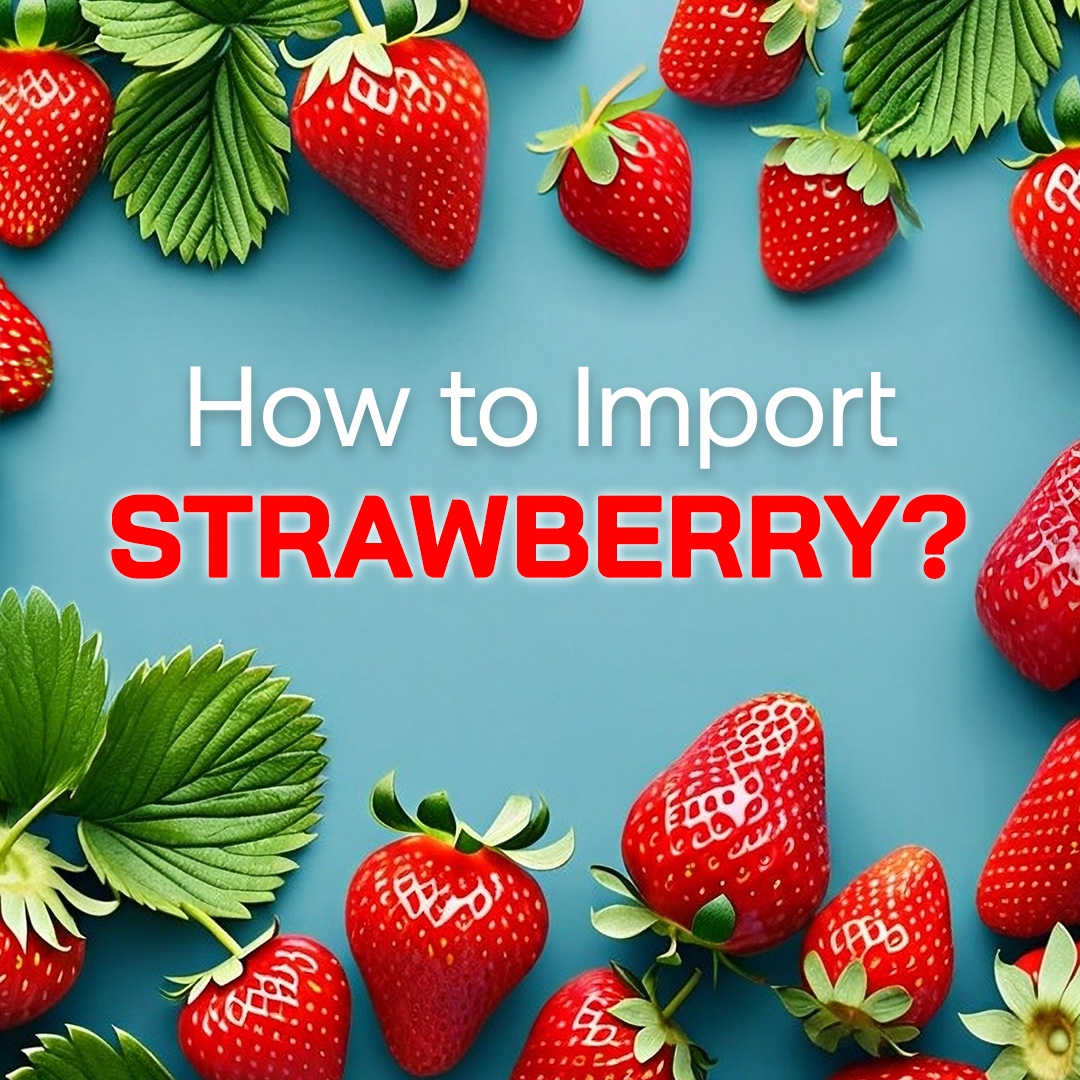
The global demand for fresh fruit continues to rise, and strawberries remain among the most popular and profitable options in international trade. Thanks to their versatility, pleasant flavor, and increasing use in various food categories such as smoothies, pastries, jams and yogurts, they are a valuable product for importers seeking to grow their business. Yet, the process of strawberry import involves more than simply sourcing the fruit. Importers need to be familiar with the complexities of supply chains, comply with relevant regulations, identify the right source markets, and ensure proper cold chain management to achieve success. This guide outlines the essential steps and strategies for importing strawberries effectively and profitably.
Steps to Import Strawberry Successfully
Initiating
a strawberry import operation requires detailed preparation
and informed decision-making. The first step involves identifying the purpose
and scale of the import. Whether you are sourcing for direct retail, food
processing, or wholesale distribution, the nature of your business will
determine your specifications for quality, quantity, and packaging. Once the
business model is clear, importers should conduct thorough market research to
identify demand trends, seasonal price fluctuations, and consumer preferences
in their target region.
Establishing
a strong supplier network is crucial. Strawberries are delicate and highly
perishable, so working with reliable exporters who follow strict harvesting and
post-harvest handling standards is essential. Quality assurance should not be
compromised, especially for fresh fruit imports. Maintaining a continuous cold
chain from farm to final delivery location is another vital element in
preserving freshness and extending shelf life. This includes coordinating
refrigerated transport, cold storage, and expedited customs clearance
processes.
Regulatory
compliance is an equally important consideration. Importers must be fully aware
of the plant health, food safety, and customs regulations imposed by their own
governments. Each shipment must be accompanied by required documentation, and
non-compliance could result in product rejection or financial penalties.
Investing in logistics partnerships and experienced customs brokers helps
streamline the entire process and reduces operational risks.
Strawberry Import Procedures and Documentation
Documentation
forms the backbone of a smooth and legally compliant strawberry
import process. Fresh produce like strawberries is classified under
specific HS Codes, and accurate classification ensures proper tariff
calculation and prevents delays. One of the most important documents required
is the phytosanitary certificate issued by the exporting country’s plant health
authority. This document certifies that the strawberries are free from pests,
diseases, and meet the importing country’s quarantine standards.
Other
necessary documents include the commercial invoice, which outlines product
details and transaction terms, and the packing list, which describes packaging
configuration and weight. The bill of lading or airway bill serves as a
shipping contract and confirms cargo ownership. Depending on the importing
country, additional documents such as a certificate of origin, import license,
or food safety test reports may be required.
Delays or
denials at the border are often the result of incomplete or inaccurate
paperwork. Therefore, it is essential to verify that all documents are
correctly prepared, validated, and submitted in a timely manner. Moreover, the
importer must stay informed about updated rules related to maximum residue
limits, fumigation requirements, and permissible additives or treatments for
post-harvest preservation.
Key Countries for Strawberry Import
Choosing
the right supplier country plays a decisive role in the success of
your strawberry import operations. Factors such as climate,
cultivation methods, harvest seasonality, and logistics infrastructure all
contribute to product quality and cost. Major strawberry importing
countries often prioritize suppliers who can deliver premium
strawberries consistently and in compliance with global food safety standards.
Below are two prominent supply markets that have gained attention among global
importers.
Strawberry Import from South Korea
South Korea
has emerged as a premium supplier in the global strawberry market. The country
has invested heavily in greenhouse-based agriculture and cultivates
high-quality varieties such as Seolhyang and Maehyang, both prized for their
sweetness, aroma, and appearance. South Korean exporters follow strict hygiene
protocols and leverage advanced logistics to ensure the freshness of the
product upon arrival.
Importing
strawberries from South Korea generally appeals to upscale markets and
foodservice businesses that prioritize quality over cost. These strawberries
tend to command a higher price, but their uniformity and extended shelf life
justify the premium for many buyers. Since the export season aligns well with
winter and early spring months in many strawberry importing countries,
they also serve as excellent off-season alternatives.
Strawberry Import from India
India is
gaining traction as a cost-effective supplier of strawberries, particularly for
markets in Asia and the Middle East. The majority of the strawberry production
is centered in regions like Mahabaleshwar, where a favorable climate allows for
harvests from November to March. Although Indian strawberries are not as
uniform or long-lasting as those from South Korea or the United States, they
are competitively priced and suitable for mass retail and processing
applications.
For
importers focusing on affordability and quick turnover, India presents a
valuable sourcing opportunity. However, due diligence is necessary, especially
regarding pesticide levels, packaging quality, and transport arrangements.
Importers should collaborate with suppliers who can offer traceability and have
experience with export logistics.
Strawberry Import Business Opportunities
The
increasing popularity of strawberries presents a wide range of opportunities
for businesses engaged in strawberry import. As consumers become more
health-conscious, strawberries are no longer viewed as seasonal luxuries but
year-round staples in both fresh and processed formats. This shift in
perception is fueling demand across retail chains, food manufacturers,
restaurants, and online grocery platforms.
The fresh
fruit segment offers potential for supermarkets and organic food markets that
prioritize visual appeal and taste. Meanwhile, the food processing industry
seeks reliable suppliers who can provide frozen or puree forms of strawberries
for use in dairy products, beverages, and confectionery. Strawberry-based
innovations like plant-based desserts, functional snacks, and artisanal jams
are opening new paths for product development and marketing.
Moreover,
many strawberry importing countries are investing in e-commerce
platforms for fresh food delivery, making it easier than ever for importers to
reach end consumers directly. The key to capitalizing on these opportunities
lies in maintaining product integrity throughout the supply chain, offering
transparent information about origin and quality, and reacting swiftly to
changing consumer trends.
How TradeAtlas Helps Optimize Your Strawberry Import Strategy
In the
dynamic world of global trade, access to reliable data and trusted connections
is essential for success in strawberry import. TradeAtlas provides a
comprehensive platform where businesses can view real-time shipment records,
track trends in strawberry importing countries, and connect with verified
suppliers around the world. The platform offers detailed customs data and
market insights that guide importers in selecting markets, evaluating suppliers
and managing risk effectively.
To learn more about the official strawberry hs code and
how strawberries are classified in international trade, you can visit our
detailed HS Code category page.