In today’s data-driven global economy, international trade decisions are no longer guided solely by intuition, experience or limited market observations. Instead, import export companies, policymakers and trade professionals increasingly rely on structured trade data to uncover hidden potential across sectors and geographies. One of the most powerful analytical tools emerging from this approach is the sectoral opportunity map, a strategic framework that transforms raw trade statistics into actionable insights.
By analyzing import-export flows, product-level
demand and country-specific trade dynamics, businesses can identify high
opportunity areas, reduce market entry risks and develop targeted export
strategies. This article explores how sectoral opportunity maps are created
from trade data, why they matter, and how platforms like TradeAtlas help
companies turn global trade intelligence into competitive advantage.
1. What are Sectoral Opportunity Maps in International Trade?
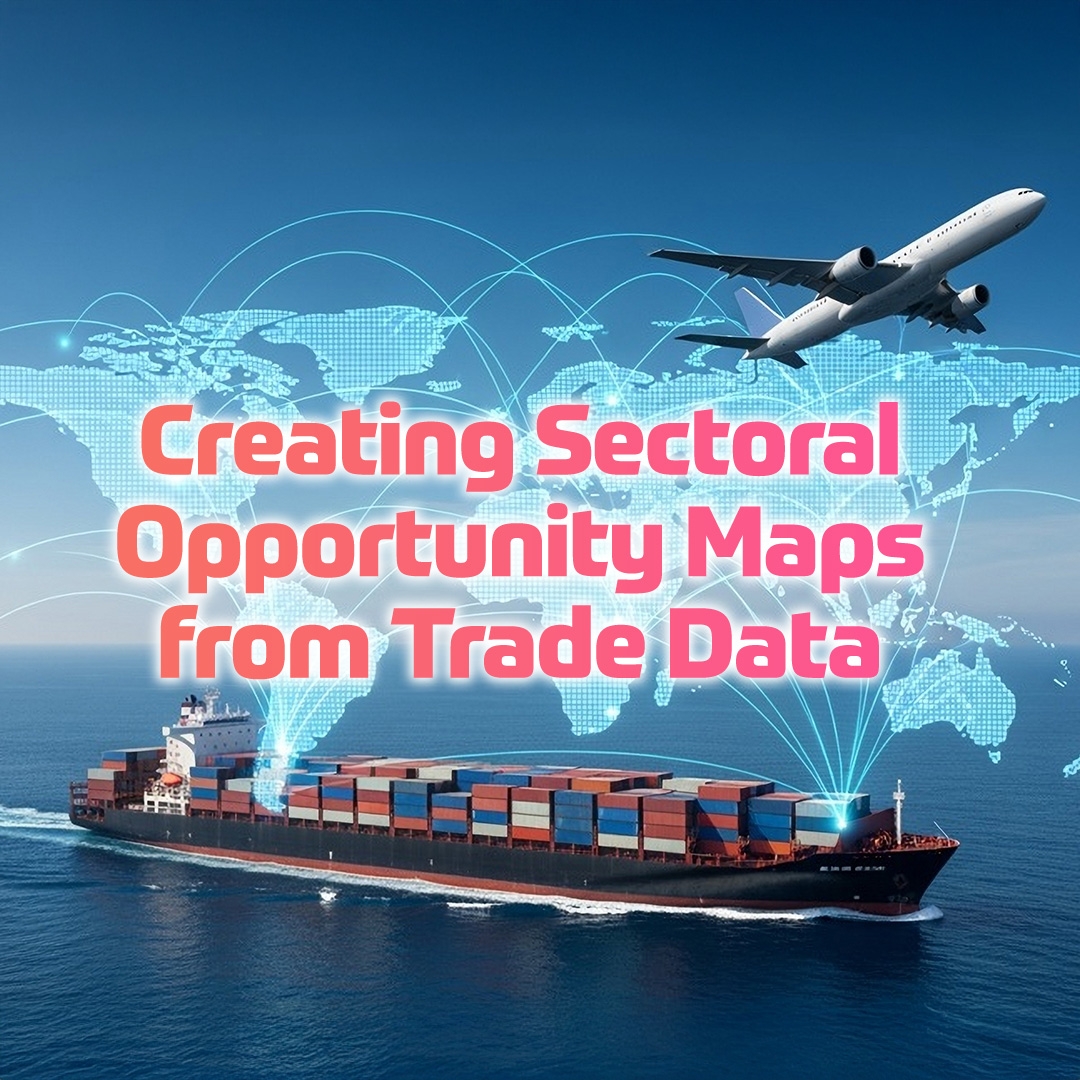
Sectoral opportunity maps are analytical models
that visualize and categorize international trade opportunities by sector,
product group and geography. They are designed to highlight where unmet demand,
supply gaps or rapid growth trends exist within specific industries.
Unlike traditional market research reports, an opportunity
map is dynamic and data driven. It integrates multiple trade indicators,
such as import volumes, export growth rates, supplier concentration and price
trends, to pinpoint markets where companies can enter with higher success
potential.
These maps often resemble an economic
opportunity zones map, where regions or countries are ranked based on
opportunity scores derived from trade data. For exporters, this approach shifts
the focus from “where can we sell?” to “where should we sell first?”
2. What is the Role of Trade Data in Opportunity Mapping
Trade data is the foundation of any reliable
sectoral opportunity mapping exercise. Without accurate, granular and
up-to-date data, opportunity maps risk becoming speculative rather than
strategic.
Trade data provides objective insights into:
- What products are being traded,
- Which countries import or export them,
- At what volumes, values and prices,
- How trade flows change over time.
By structuring this information, analysts can
identify high opportunity areas that may not be immediately visible through
conventional market analysis.
2.1. Key Trade Data Sources for Sectoral Analysis
Effective sectoral opportunity maps rely on
multiple trade data sources, including:
- Official customs import and export records
- HS code–based trade statistics
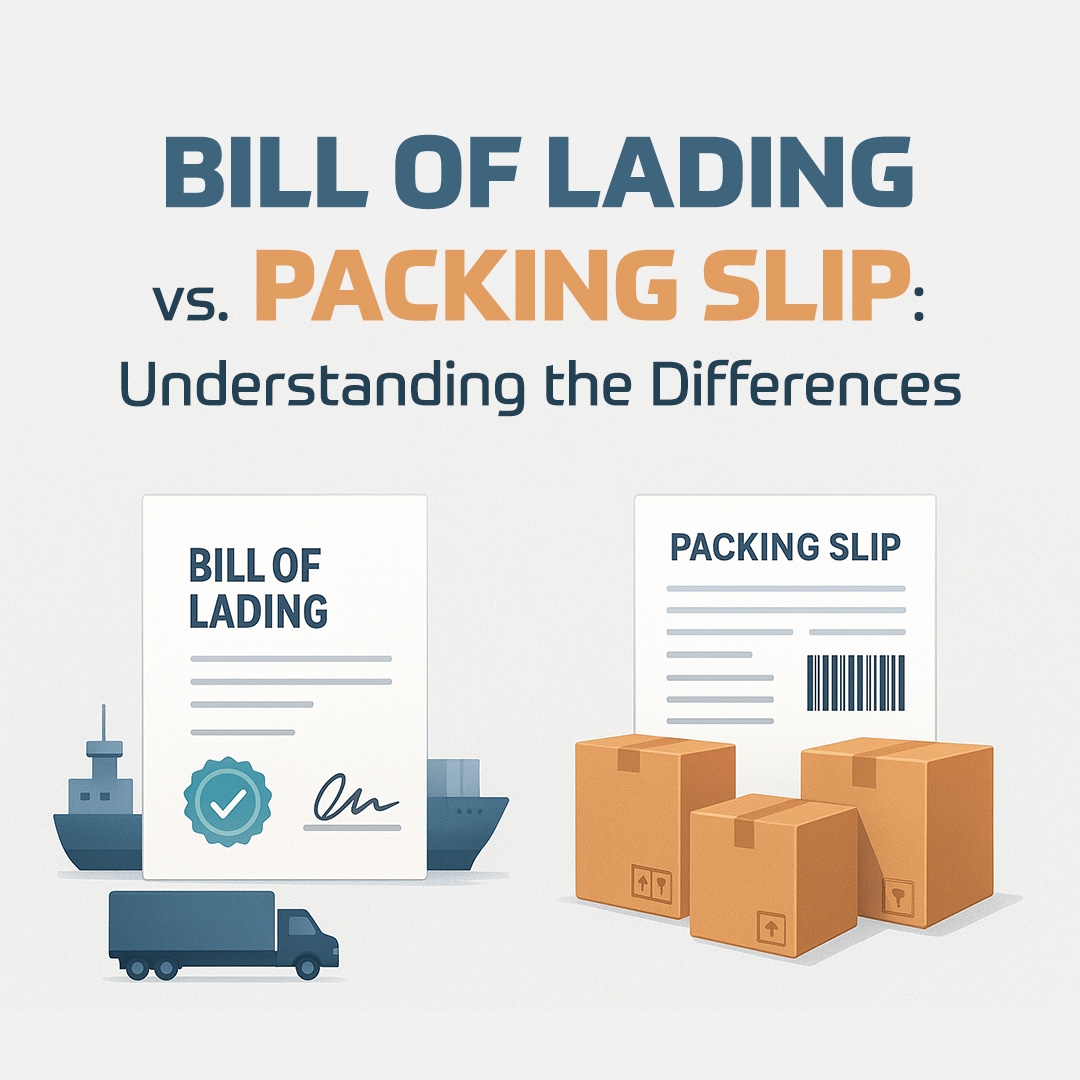
- Bill of Lading and shipment data
- National statistical offices and trade
ministries
- International databases (UN Comtrade, ITC,
WTO)
When combined, these sources allow analysts to
build a multi-dimensional opportunity zone map that reflects real market
behavior rather than assumptions.
2.2. Using Import and Export Statistics to Identify Market Gaps
Import and export statistics play a critical
role in detecting market gaps. For example:
- High import volume with limited supplier
diversity may signal dependency risks.
- Rising import growth with stagnant local
production may indicate unmet demand.
- Declining exports from a dominant supplier
can open doors for new entrants.
By mapping such patterns across sectors,
companies can prioritize markets that align with their capabilities, turning
data into a strategic opportunity map.
3. Identifying High-Potential Sectors Through Trade Data
Not all sectors offer equal opportunity in
global trade. Sectoral opportunity mapping helps distinguish between saturated
markets and emerging high-growth segments.
High-potential sectors typically show one or
more of the following traits:
- Consistent import growth over multiple years
- Increasing average unit prices, indicating
value-added demand
- Low exporter concentration, reducing
competitive pressure
- Policy-driven demand (infrastructure, energy
transition, food security)
When these indicators converge, they define
high opportunity areas within global trade networks. Sector-based analysis
ensures that exporters focus resources on markets with structural demand, not
temporary fluctuations.
4. Building Sector-Based Opportunity Maps
Creating a sector-based opportunity map
involves a structured, multi-step process:
Sector Definition: Identify the industry or product group using
HS codes or sector classifications.
Market Selection: Filter target countries based on import
volume, growth and trade openness.
Indicator Scoring: Assign weighted scores to key indicators such
as demand growth, supplier concentration, price stability and trade barriers.
Visualization: Translate scores into visual formats,
heatmaps, rankings or an economic opportunity zones map, to make
insights actionable.
Validation: Cross-check findings with qualitative factors
like regulations, logistics and geopolitical risks.
The result is a clear opportunity zone map that
guides decision-makers toward data-backed trade opportunities.
5. Using Opportunity Maps for Export Strategy Development
Opportunity maps are not merely analytical
tools; they are strategic assets. When integrated into export planning, they
help companies:
- Prioritize target markets by sector
- Align product portfolios with demand-driven
regions
- Optimize pricing strategies using comparative
trade data
- Reduce market entry risks through informed
selection
An exporter using a well-designed opportunity
map can allocate marketing budgets, sales efforts and distributor partnerships
more efficiently. Instead of spreading resources thinly across multiple
markets, companies can focus on high opportunity areas with the strongest
data-backed potential.
6. What are the Challenges in Creating Sectoral Opportunity Maps
Despite their strategic value, sectoral
opportunity maps are not without challenges. Common obstacles include:
- Incomplete or outdated trade data
- Misclassification of products under HS codes
- Overreliance on volume without price or value
analysis
- Ignoring non-tariff barriers and regulatory
constraints
Additionally, trade data must be
contextualized. A market that looks attractive on paper may face logistical,
political or compliance challenges. Therefore, an effective opportunity zone
map combines quantitative analysis with expert interpretation.
7. The Strategic Value of Sectoral Opportunity Maps in Global Trade
The strategic value of sectoral opportunity
maps in global trade lies in their ability to convert complex international
trade data into clear, actionable intelligence that supports smarter
decision-making across export and investment strategies. By integrating
import-export volumes, growth trends, supplier concentration and pricing
dynamics, an effective opportunity map enables businesses to identify high
opportunity areas with greater accuracy and lower risk.
These maps function as an advanced economic
opportunity zones map, helping companies move beyond traditional market
selection methods and focus on regions where sector-specific demand and
competitive conditions align with their capabilities. In an environment marked
by supply chain disruptions, shifting trade policies and increasing global
competition, a data-driven opportunity zone map provides strategic clarity,
allowing exporters to prioritize markets, optimize resource allocation and
achieve sustainable growth in international markets.
8. TradeAtlas and Data-Driven Sectoral Opportunity Mapping
Platforms like TradeAtlas play a central role
in making sectoral opportunity maps accessible and actionable for businesses of
all sizes. By offering detailed import-export data, HS code analysis and
country-level foreign trade insights, TradeAtlas enables users to build dynamic
opportunity map models tailored to their export objectives.
With advanced filtering, historical trend
analysis and sector-based comparisons, TradeAtlas helps companies identify high
opportunity areas faster and more accurately, turning raw trade data into real
commercial opportunities.
By leveraging global import export data, sectoral opportunity maps empower
import export companies to identify high-potential markets with precision,
reduce uncertainty in international expansion and build data-driven strategies
for sustainable growth.