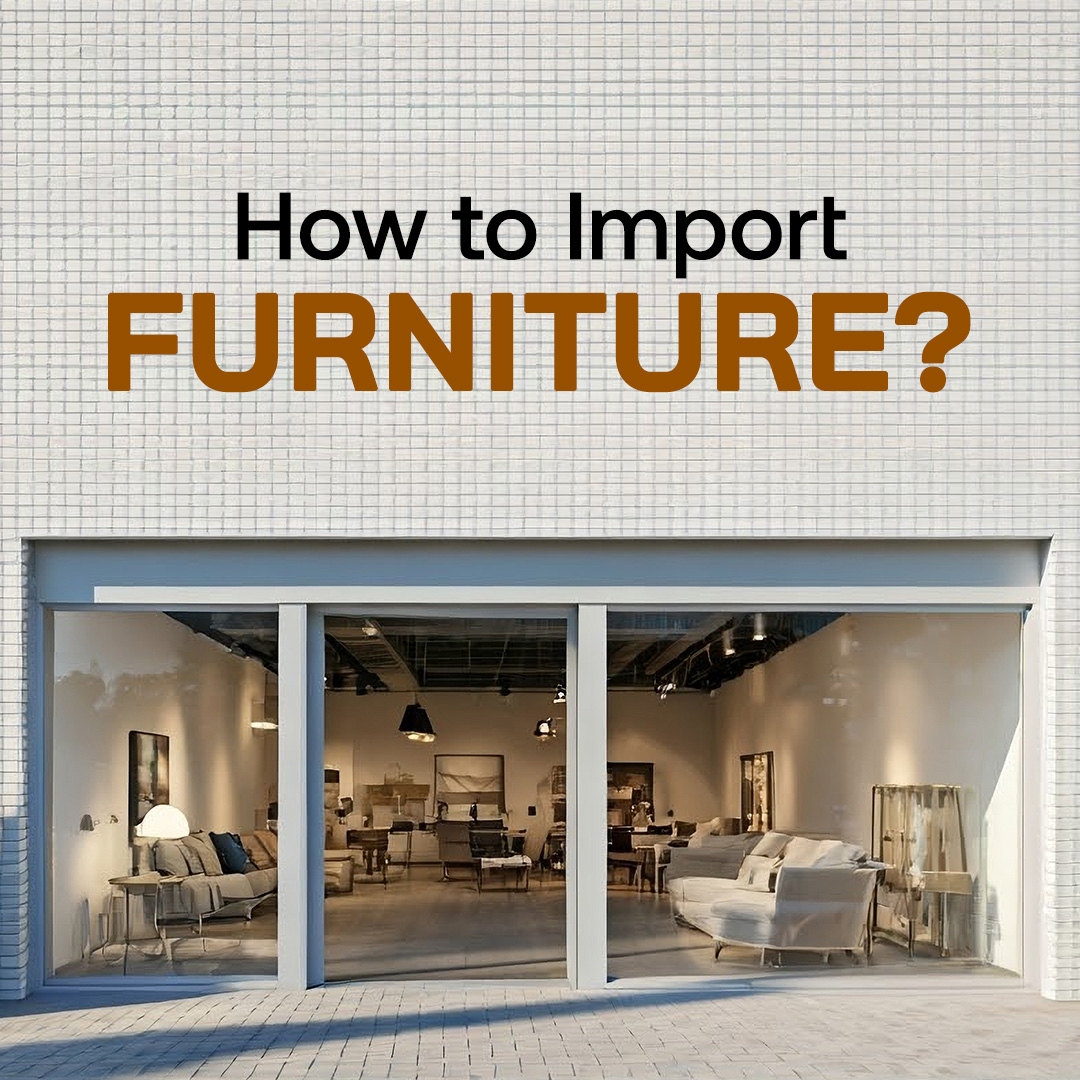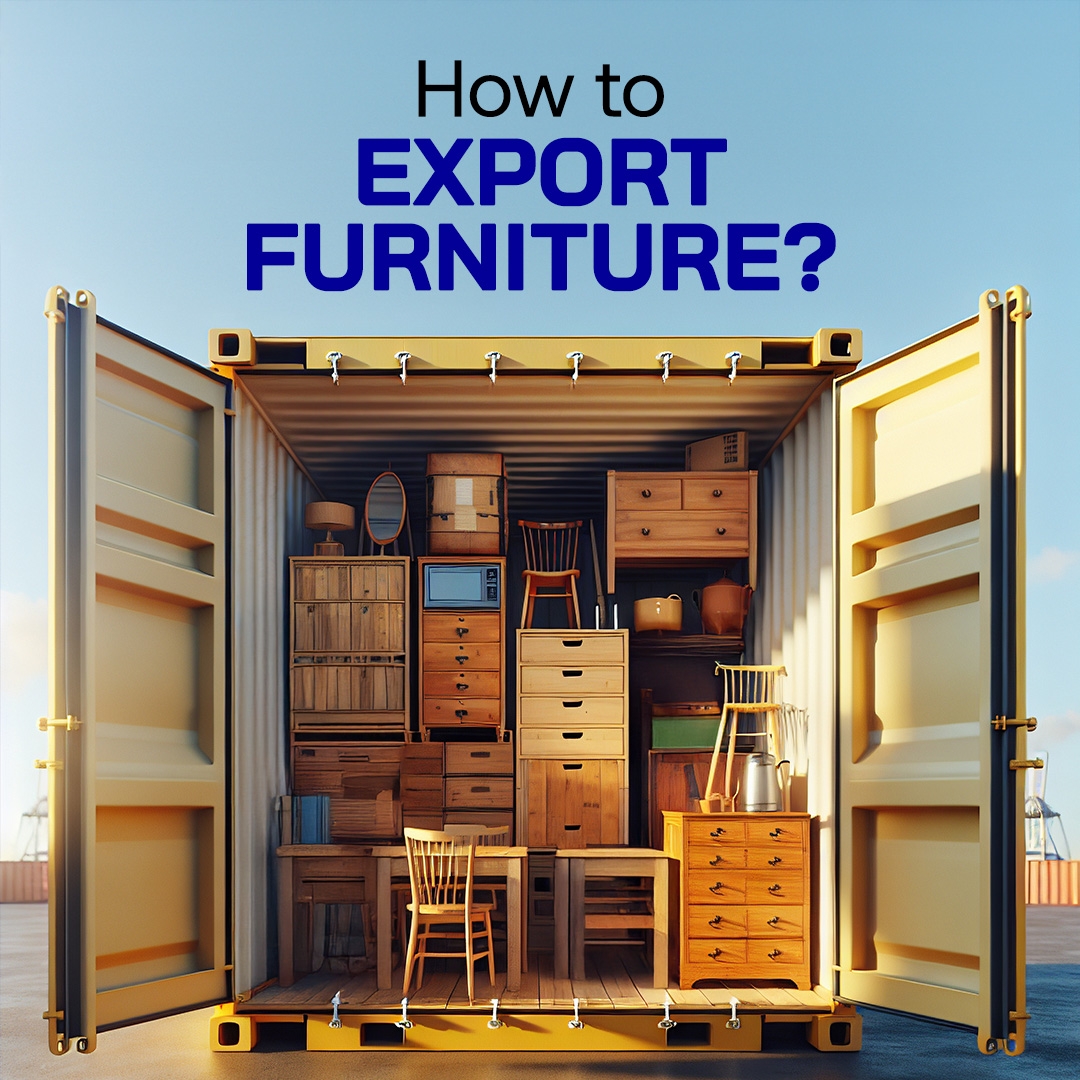
Exporting furniture has become a highly profitable business due to the increasing demand for stylish, functional and sustainable home and office furnishings around the world. Whether you're a manufacturer in India, Indonesia or Bangladesh, or an entrepreneur aiming to start a furniture export business, understanding the entire process is key to success.
1. Furniture Export Process Overview
The process of exporting furniture
typically involves several crucial steps:
Market Research: Understanding demand trends, target customers
and pricing strategies in international markets.
Identifying Buyers: Using trade databases like TradeAtlas,
participating in trade fairs or utilizing B2B platforms to reach potential
importers.
Product Compliance: Ensuring that your furniture meets safety,
quality and sustainability standards in the destination country.
Logistics Planning: Choosing the right packaging, freight method
and transit routes.
Documentation and Customs: Completing the required paperwork
for customs clearance and securing any necessary certifications.
Post-Sales Support: Managing warranty issues, returns or customer
service requests across borders.
2. Key Countries for Furniture Export
When planning to enter the international
market, identifying the right countries to target is a critical step in the
success of any furniture export business. Some nations stand out due to their
high demand for imported furniture, favorable trade agreements or growing real
estate and hospitality sectors. Understanding the preferences, regulations and
economic conditions of these markets allows exporters to tailor their products
and strategies effectively.
2.1. United Furniture Import & Export
The United States is the largest importer of
furniture, accounting for billions in annual imports. To succeed in this
market, exporters must ensure product safety (e.g., fire resistance standards),
sustainable sourcing certifications (like FSC) and appealing design suited for
North American consumers.
2.2. Furniture Export from India
India is a leading exporter of both traditional
and contemporary furniture. The wooden furniture export from India is
particularly significant due to the country's abundance of hardwoods and
skilled artisans. Indian furniture is appreciated for its intricate
handcrafting, variety and durability.
2.3. Furniture Exporters in Jodhpur
Jodhpur is famous globally for rustic,
vintage-style furniture made from reclaimed wood. The city houses a notable list
of furniture exporters in India, who supply to high-end retail stores and
boutique outlets in Europe, the United States and Australia.
2.4. Furniture Export Indonesia
Indonesia’s furniture export market is
dominated by teak wood, which is known for its weather resistance and elegant
finish. Indonesian exporters also offer bamboo, rattan and eco-friendly
furniture, which are in high demand in sustainable design markets.
2.5. Furniture Exporters in Jaipur
Jaipur specializes in brightly painted and
carved wooden furniture. The city’s exporters often integrate Indian cultural
themes with modern practicality. They serve niche segments like bohemian,
handcrafted and heritage furniture markets.
2.6. China Furniture Export
China leads the global furniture export sector
due to its mass production capacity and wide product variety. Whether it's
low-cost flat-pack furniture or luxury designs, Chinese companies cater to
every price point and market.
2.7. Furniture Export from India to Australia
Australia has stringent biosecurity laws. When
exporting furniture, especially made of solid wood, to Australia, exporters
must meet AQIS (Australian Quarantine and Inspection Service) standards, such
as fumigation and pest treatment.
2.8. Furniture Export from India to UK
Since Brexit, the UK has adopted its own set of
standards. Exporters to the UK must comply with UKCA markings (like the EU’s CE
marking), making it important to stay updated with local product compliance
laws.
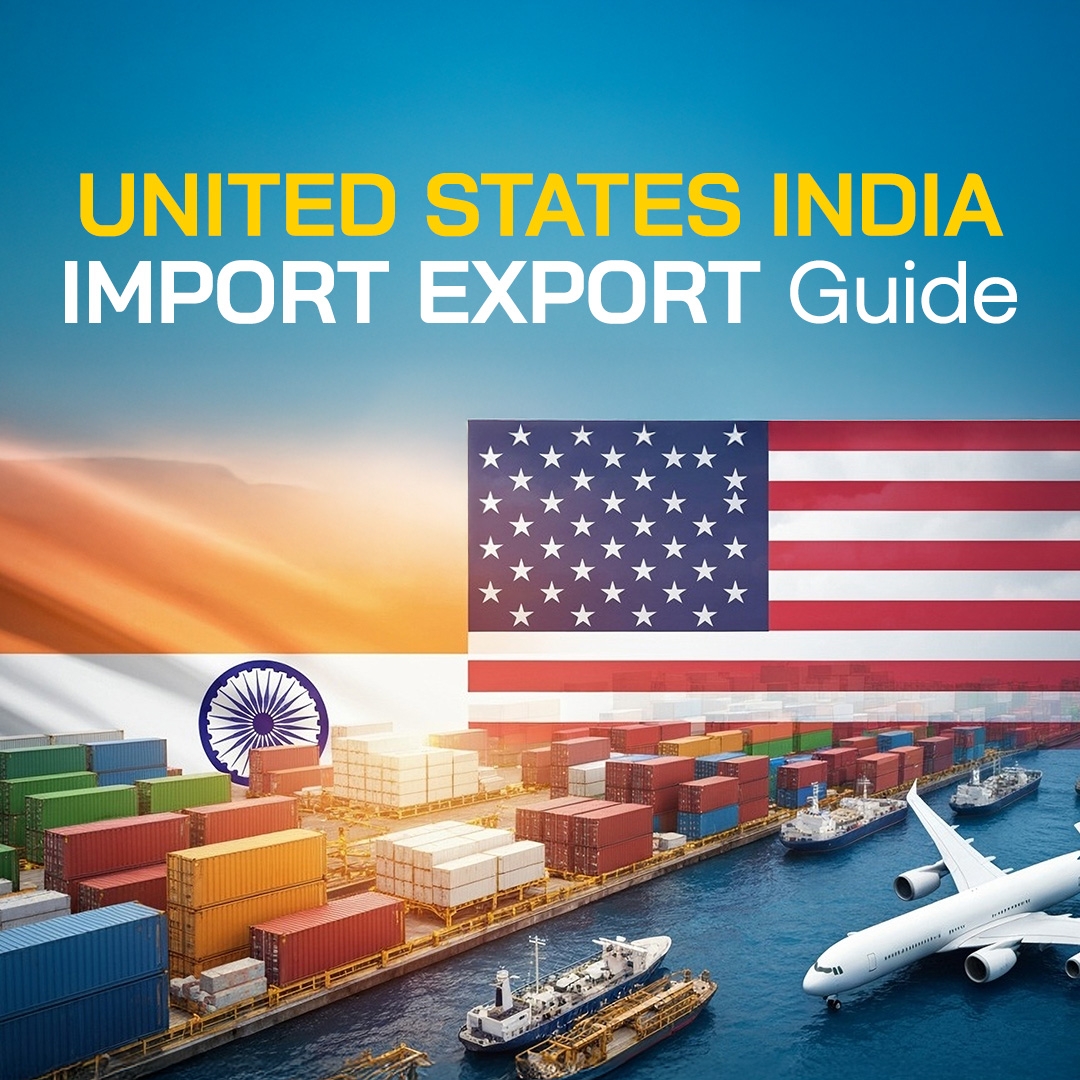
2.9. How to export furniture from India to USA
To access the lucrative United States market,
Indian businesses should ensure their products meet ASTM and CPSIA safety
standards. Leveraging TradeAtlas can help identify active importers and
market-specific trends. FSC certification is also beneficial for eco-conscious
consumers.
2.10. Furniture Export from Bangladesh
Bangladesh is rapidly emerging as a competitive
player in the global furniture market. With cost-effective labor and increasing
manufacturing capacity, Bangladeshi companies are expanding exports to the
Middle East, Europe and North America.
2.11. Furniture Export from Pakistan
Pakistan’s furniture industry emphasizes
high-quality wooden products, especially in the office and home furniture
segments. The country’s main markets include Gulf countries, Afghanistan and
Central Asia, with rising interest from the UK and the US as well.
3. Documentation Required for Furniture Export
When engaging in exporting furniture, proper
documentation ensures smooth customs clearance. Common documents include:
Commercial Invoice: Proof of transaction between buyer and seller.
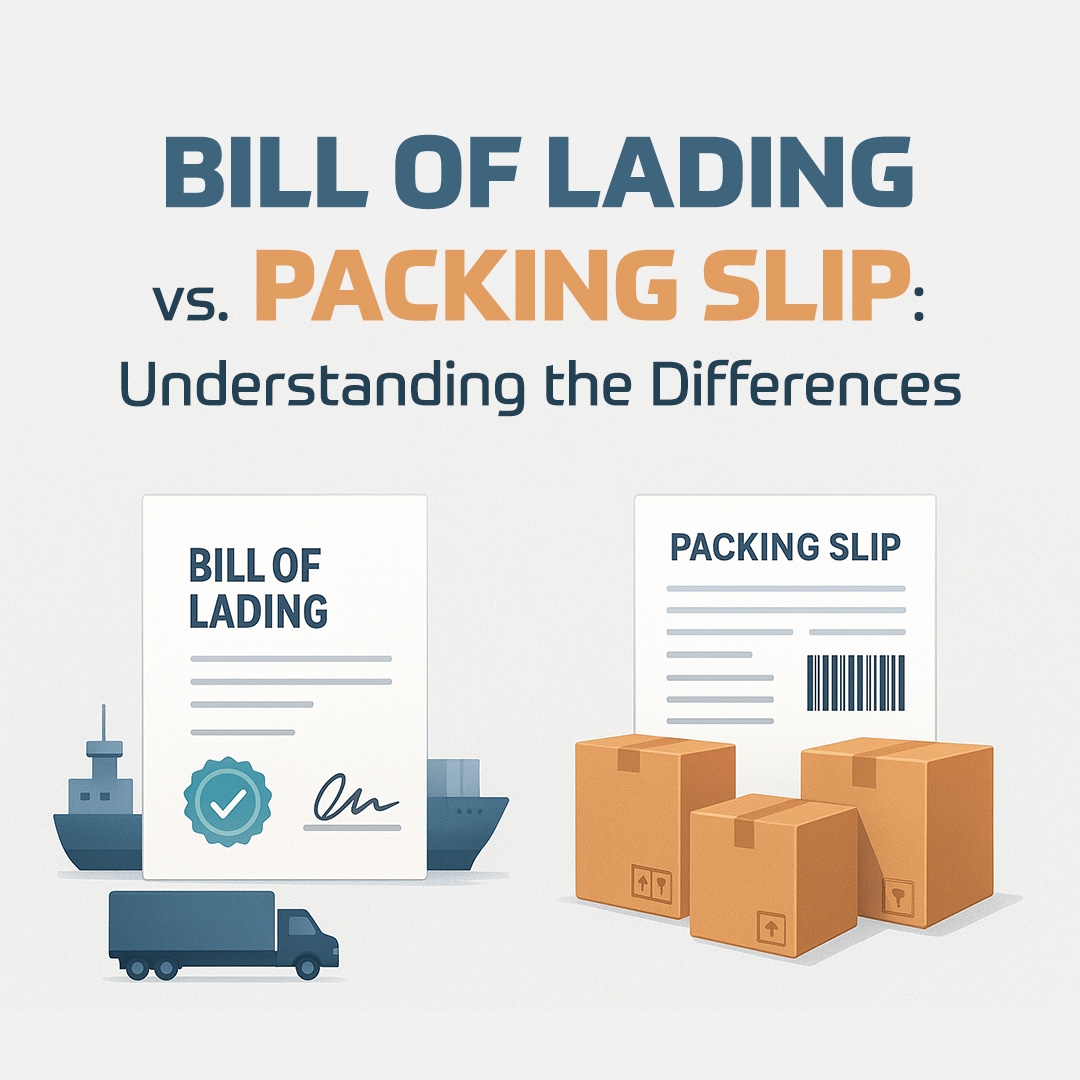
Packing List: Details of packaging, dimensions and weight.
Certificate of Origin: States the product’s country of
manufacture.
Bill of Lading or Airway Bill: For sea or air shipment tracking.
Export License: May be required based on local regulations.
Fumigation Certificate: Especially important for wooden
furniture.
Inspection Certificate: If required by the destination
country.
4. How to Start a Furniture Export Business
Starting a furniture export business requires
careful planning and international market awareness. Here are the key steps:
Legal Registration: Register with your country’s export promotion
agency.
Product Development: Focus on quality, durability and
international style trends.
Find Reliable Logistics Partners: For cost-effective shipping and
warehousing.
Use Digital Export Platforms: List your company on platforms like
TradeAtlas to gain global visibility.
Attend Furniture Fairs: Such as Salone del Mobile (Italy)
or CIFF (China) to network and build relationships.
Pricing Strategy: Factor in shipping, duties and profit margins
while remaining competitive.
5. Common Challenges in Furniture Export
Exporting furniture presents several challenges
that businesses must navigate carefully. One of the primary issues is the bulky
nature of furniture, which leads to high shipping costs and complex logistics.
Each destination country also has its own customs regulations and documentation
requirements, which can change frequently and create compliance difficulties.
Damage during transit is another concern, especially for wooden or handcrafted
items, making robust packaging essential. Additionally, exporters must adhere
to varying product certifications and safety standards depending on the target
market, which can be time-consuming and costly. Exchange rate fluctuations can
also impact profit margins, particularly in long-term contracts. Finally,
return logistics for furniture items are often expensive and inefficient,
discouraging many buyers from engaging with unfamiliar exporters. Overcoming
these challenges requires careful planning, reliable partners and access to
up-to-date trade information.
6. TradeAtlas: Your Strategic Partner in Furniture Export
As a comprehensive trade intelligence platform,
TradeAtlas empowers exporters by providing detailed customs data, market
insights and verified buyer contact information. Whether you’re a startup
looking to enter the furniture export business or an established company
seeking new partners, TradeAtlas offers:
- A list of furniture exporters from over 200
countries for benchmarking
- Access to historical import/export data to
identify demand patterns
- Filtering by product type, country and
buyer/importer activity
- Tools to streamline decision-making and
reduce market entry risk
Exporters of wooden furniture from India, for
instance, can use TradeAtlas to find top importers in the US, UK and Australia,
and evaluate competitor strategies. It’s also an ideal platform to monitor
regulatory changes and industry trends by making searches using the furniture HS Code.