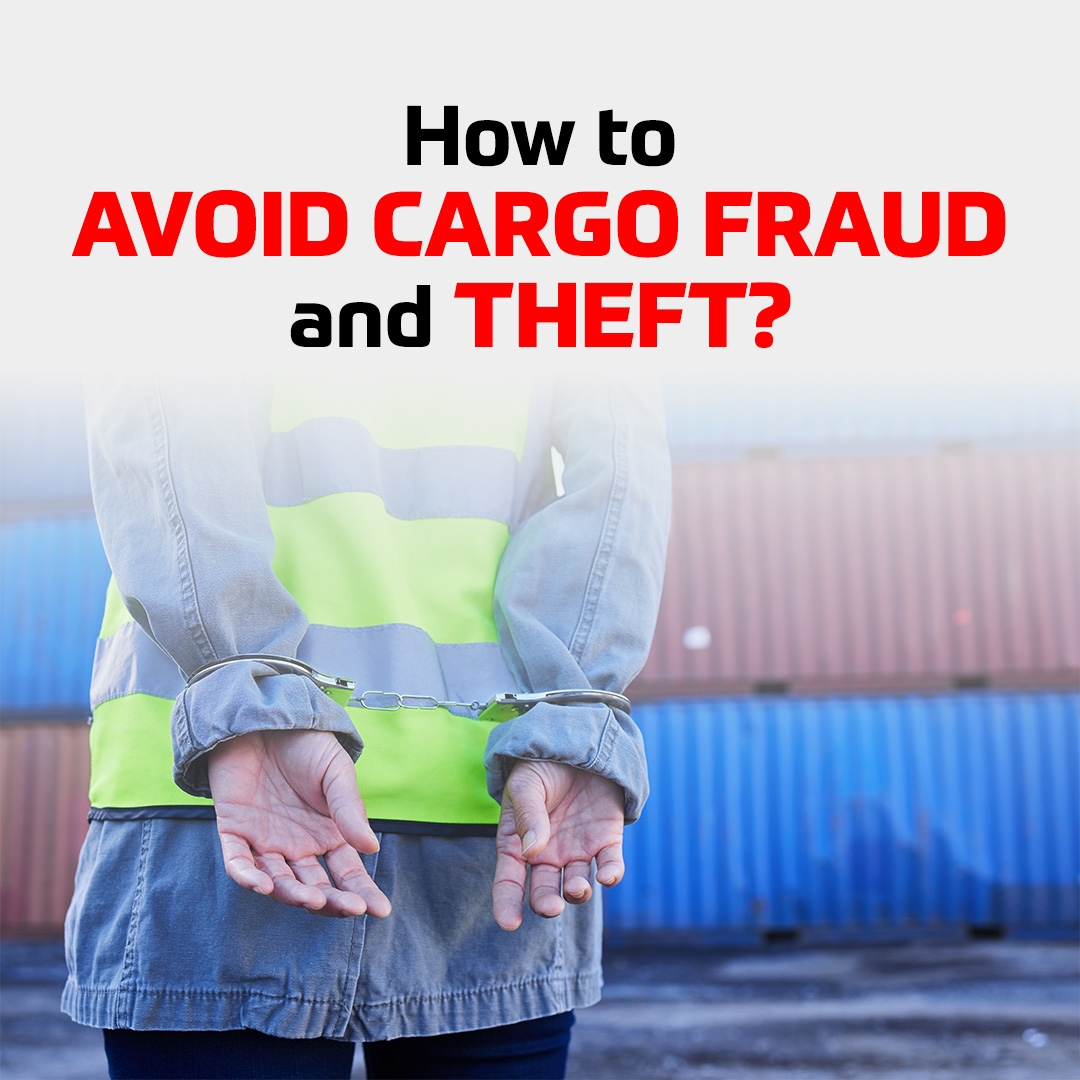
Cargo fraud and theft are growing threats in global trade, costing companies billions of dollars each year. Criminals are becoming increasingly sophisticated, using both physical and digital methods to deceive logistics providers and steal valuable goods. Whether you are a freight forwarder, exporter, importer or logistics operator, understanding cargo fraud and theft prevention is essential for protecting your supply chain. This guide explains what is cargo theft, the most common schemes, early warning signs and long-term strategies to reduce risk.
1. What is Cargo Fraud and Theft?
Cargo fraud refers to any illegal activity
involving the manipulation, misrepresentation or theft of goods during
transportation, documentation or delivery. It includes digital scams, identity
theft, falsified documents and deceptive logistics operations. Meanwhile, cargo
theft involves physically stealing goods from warehouses, ports, trucks or
containers. Both crimes disrupt supply chains, increase operational costs and
damage customer trust.
Understanding what cargo theft is is crucial
for all participants in the trade ecosystem. Criminal groups often target
high-value goods such as electronics, pharmaceuticals, apparel, food products
and automotive parts. They may use forged identities, hijack trucks, manipulate
GPS signals or execute insider operations. These fraudulent activities are
sometimes referred to as cargo falso, fake and fraudy cargo or shipping
frauds, especially in regions where logistics scams are common.
2. What are the Common Types of Cargo Fraud?
Cargo fraud can occur at any stage of the
shipment process. Below are the most frequent forms of deception classified as types
of cargo theft and fraud:
Identity Fraud of Carriers and Drivers: Criminals impersonate legitimate
carriers or logistics companies using fake websites, emails or stolen DOT
numbers. They secure loads from shippers and disappear with the cargo.
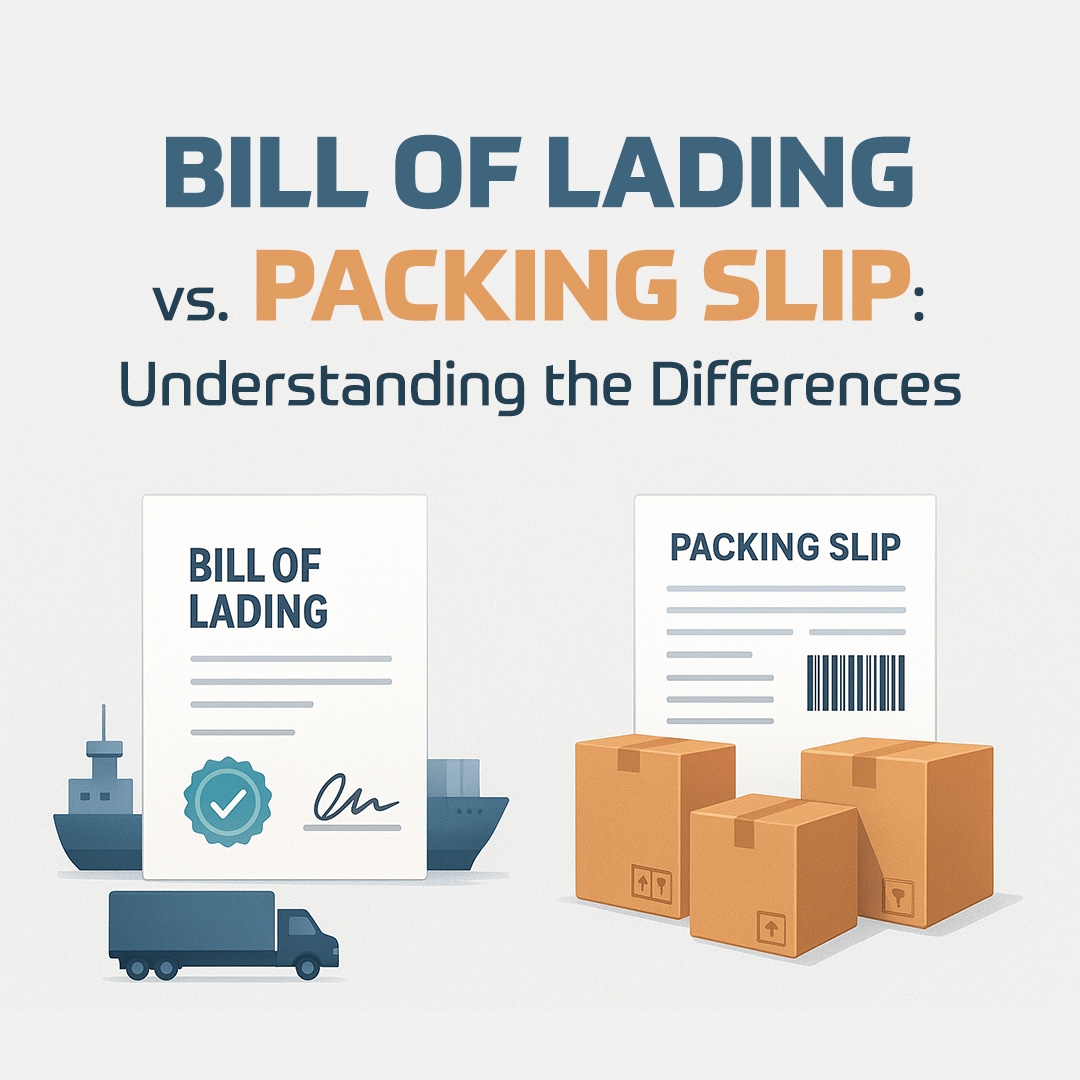
Falsified Pick-up and Delivery Documents: Fraudsters create counterfeit Bills
of Lading, delivery receipts or pick-up orders, allowing them to collect
shipments without authorization.
Double Brokering: One broker illegally reassigns a load to
another carrier, often without permission, leading to lost cargo, payment
disputes or untraceable drivers.
Strategic Theft: This involves theft through deception rather
than violence. Scammers may pose as trusted vendors, send forged instructions
or redirect shipments to unauthorized locations.
Cyber-enabled Cargo Fraud: Hackers gain access to logistics
platforms, shipment details or fleet management systems to reroute trucks,
manipulate documents or disable GPS tracking.
Container Tampering: In some regions, criminals open
containers without breaking the seal, remove goods and close them again, making
the theft difficult to detect until delivery.
Insider Theft: Company employees or subcontractors may leak
sensitive information about schedules, routes or cargo value to criminal
groups.
3. What are the Early Warning Signs of Cargo Fraud?
Recognizing early red flags can help businesses
prevent major losses. Key warning signs include:
Unusual Communication: Carriers who use personal email
addresses, avoid phone calls or provide inconsistent information may be
engaging in cargo fraud.
Unverified Contact Information: If company phone numbers, addresses
or carrier registrations cannot be verified through official channels, the risk
of shipping frauds increases.
Last-Minute Changes: Sudden requests for route changes,
pick-up time modifications or new driver assignments can signal fake and fraudy
cargo activities.
Suspicious Driver Behavior: Drivers without proper IDs,
unfamiliar with shipment details or arriving earlier/later than expected may
indicate fraudulent intentions.
Poor Online Presence: Carriers lacking a website,
customer reviews or verifiable credentials may be illegitimate.
Incomplete Documents: Spelling mistakes, mismatched
information or missing signatures on Bills of Lading and delivery notes are
strong indicators of fraud.
Vehicle Mismatch: If the license plate or truck model does not
match previously provided details, the pickup should be halted immediately.
4. What are the Best Practices for Preventing Cargo Theft?
Preventing cargo fraud and various types
of cargo theft requires a combination of strict verification processes, strong
physical security and advanced technology. Companies should begin by
reinforcing carrier and driver verification using official MC/DOT databases,
validated insurance certificates and phone numbers sourced directly from
official websites rather than email signatures. Warehouse and yard security
must also be enhanced through surveillance systems, motion sensors, controlled
access points and well-monitored loading areas. Implementing GPS tracking and
telematics provides real-time visibility, enabling businesses to detect route
deviations or suspicious stops before they escalate into shipping frauds.
High-security ISO-certified seals and detailed seal logs help prevent fake and
fraudy cargo manipulation, while strict pick-up protocols ensure trucks,
drivers and documents match verified records before any shipment is released.
Optimizing route planning to reduce predictable patterns, combined with regular
employee training focused on fraud awareness, significantly reduces operational
vulnerabilities. Together, these best practices create a multilayered defense
system that protects supply chains from what is cargo theft and strengthens
long-term logistics security.
5. What are the Long-Term Strategies to Reduce Cargo Crime?
Long-term protection requires investment in
strong processes, partnerships and technology.
Develop a Comprehensive Security Policy: Create formal procedures covering
shipment planning, documentation, cyber-security and emergency response. Review
and update these policies regularly.
Collaborate with Law Enforcement: Fraud incidents should be reported
immediately to increase the chances of recovery. Partner with local police,
customs authorities and logistics security agencies.
Perform Regular Security Audits: Inspect facilities, review
documentation practices and evaluate transportation partners to identify
vulnerabilities.
Use Supply Chain Visibility Tools: Digital visibility platforms
provide real-time insights into shipment status, carrier performance and risk
alerts. These tools help detect cargo fraud early.
Build Strong Carrier Relationships: Long-term partnerships based on
trust, transparency and consistent performance reduce the likelihood of
assigning loads to unknown or high-risk carriers.
Adopt Technological Safeguards: Blockchain, AI-powered anomaly
detection and electronic sealing systems reduce opportunities for shipping
frauds.
6. Strengthening Global Logistics Security with TradeAtlas
TradeAtlas provides companies with access to
international trade data sourced directly from official customs records and
verified Bill of Lading documents. By analyzing import and export transactions
across 200+ countries, users can see which companies trade with each other, the
goods transported, quantities, routes and pricing details. This level of
transparency greatly reduces opportunities for cargo fraud, cargo falso,
and fake and fraud cargo activities.
Using TradeAtlas, shippers and logistics
providers can:
- Verify the legitimacy of suppliers and
buyers,
- Identify reliable trade partners based on
historical data,
- Detect unusual trade patterns that may be
linked to shipping fraud,
- Strengthen supply chain visibility and reduce
overall logistics risk.
With accurate and trusted trade intelligence,
companies can make safer, data-driven decisions that protect their supply
chains from fraud.
7. Frequently Asked Questions About Cargo Fraud and Theft
Companies often seek quick answers on how to
recognize and prevent cargo fraud and what is cargo theft as these threats
continue to evolve. This section provides brief guidance to help businesses
strengthen their security practices and avoid fake and fraudy cargo incidents.
7.1. How can companies verify the legitimacy of carriers and drivers?
Companies should cross-check MC/DOT numbers,
insurance details and safety records through official transportation
authorities. They should also confirm phone numbers, email domains and driver
IDs. Using platforms like TradeAtlas to verify business legitimacy further
reduces risks associated with cargo fraud and shipping frauds.
7.2. Can technology help prevent cargo theft?
Yes. GPS tracking, AI-based route analysis,
blockchain-verified documents and digital visibility platforms play a key role
in reducing types of cargo theft. Technology helps detect anomalies, ensure
document authenticity and track real-time cargo movements.
To learn more about RORO shipping companies, you can read our blog post "What is RoRo Shipping?".