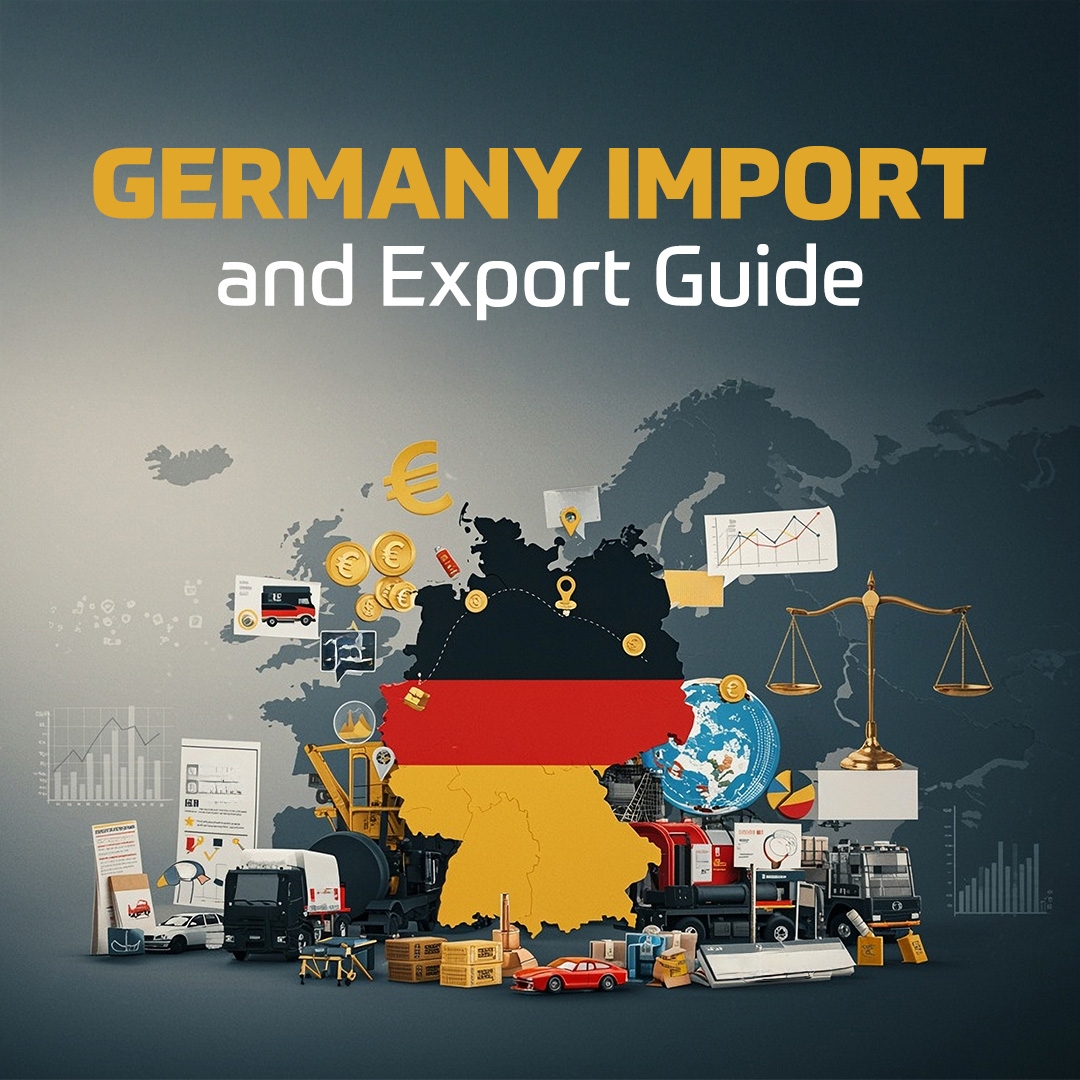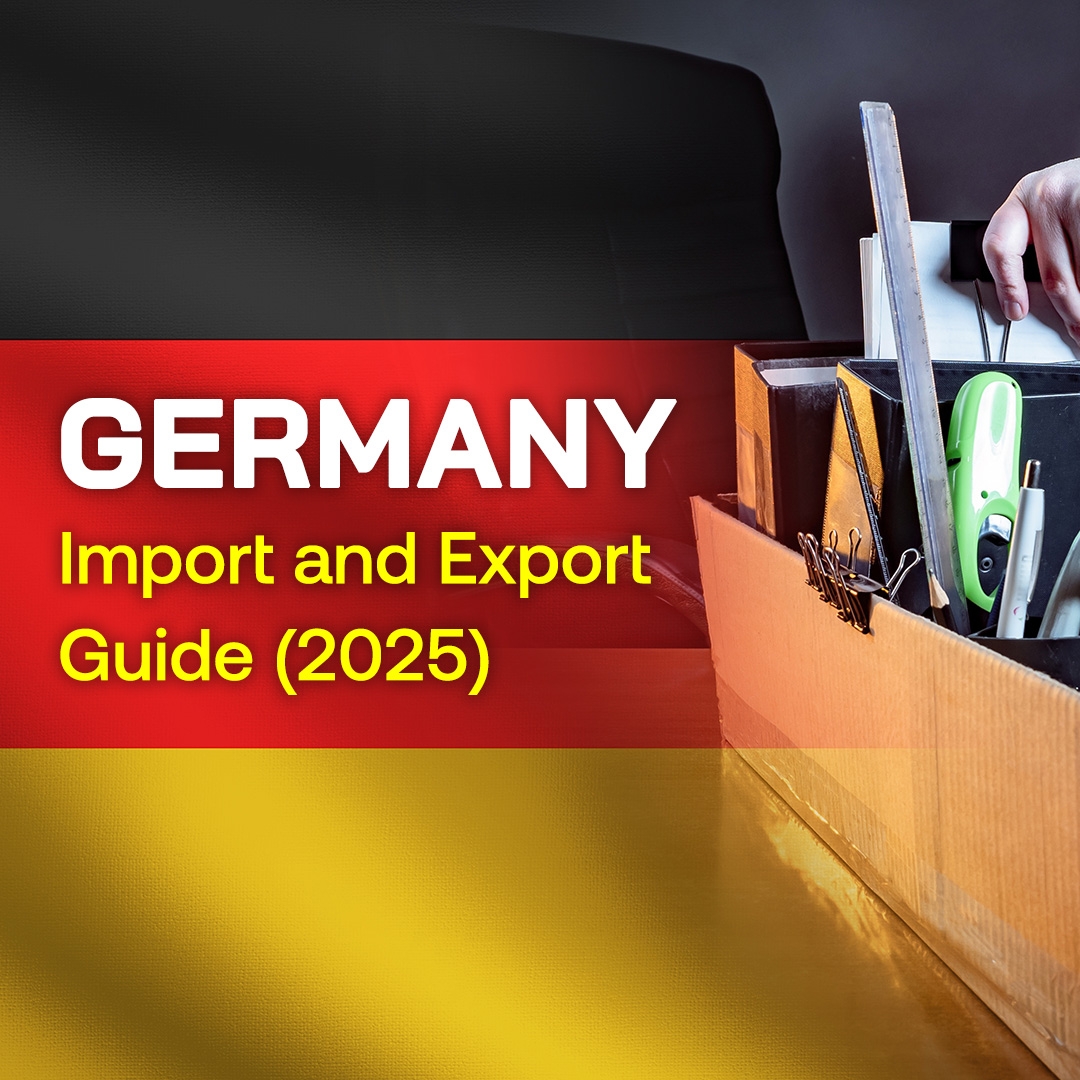
Germany, Europe's largest economy and one of the world's top exporters, plays a crucial role in global trade. With a strong manufacturing base, advanced infrastructure and strategic location in the heart of Europe, Germany serves as both a major exporter of high-tech goods and a leading importer of essential resources. This guide explores the current state of import export in Germany, including key products, documentation requirements, trade partners and business opportunities.
1. Key Imports and Exports in Germany
Germany's economy thrives on international
trade, maintaining a healthy balance between imports and exports. Its
export-driven model relies on world-class industrial production, particularly
in the automotive, machinery and chemical sectors.
1.1. Major Imports of Germany
Germany's economy requires a steady flow of
foreign goods to support its manufacturing and consumption needs. The Germany
import list includes:
- Crude oil and natural gas
- Electronic components and computers
- Medical and pharmaceutical products
- Agricultural goods like coffee, cocoa and
rice
- Vehicles and automotive parts
Germany top import partners include China, the Netherlands, the
United States and France. These countries supply essential raw materials and
intermediate goods that power Germany’s industrial machine.
1.2. Germany's Top Export Products
Germany is the third-largest exporting country
globally. Its exports include:
- Automobiles (Mercedes-Benz, BMW, Volkswagen)
- Machinery and industrial equipment
- Chemicals and pharmaceuticals
- Electrical equipment
- Optical and medical instruments
These products form the backbone of Germany
imports and exports, with consistent demand from global markets such as the
USA, China and the EU.
1.3. Germany Gas Import by Country
Energy security remains a pressing issue. In
the wake of the Russia-Ukraine conflict, Germany diversified its gas sources.
The main countries supplying gas to Germany in 2025 include:
- Norway
- Netherlands
- United States (LNG)
- Algeria and other North African nations
Germany’s gas diversification strategy impacts Germany
import tariffs and long-term energy contracts.
2. How to Import Products into Germany
Importing into Germany requires compliance with
both EU and national regulations. Whether you're dealing in raw materials or
finished products, understanding the rules is key to success.
2.1. Germany Import License and Fees
Certain goods require prior authorization
before entry. An import license Germany is necessary for items such as:
- Agricultural products
- Chemicals and pharmaceuticals
- Military-grade equipment
Applicants must apply through Germany’s Federal
Office for Economic Affairs and Export Control (BAFA). Associated Germany
import fees vary based on product type, value and category.
2.2. Import Tariffs and Restrictions
As a member of the European Union, Germany
enforces EU-wide customs duties. However, product-specific Germany import
tariffs can apply. Goods imported from outside the EU are subject to:
- Customs duties (typically 0-15%)
- Value-added tax (19% standard, 7% for
food/medicine)
- Excise duties for alcohol, tobacco and fuel
In addition, Germany import restrictions
may apply to endangered species, hazardous materials or products with health
and safety risks.
3. Germany’s Top Trading Partners
Germany maintains trade relations with over 200
countries. Its top partners are strategic for raw materials and as export
markets.
3.1. Germany Trade with China
China is Germany’s largest trading partner,
especially for electronics, machinery and automotive components. In 2025,
bilateral trade continues to thrive despite geopolitical complexities, making
China a crucial player in Germany imports and exports.
3.2. Germany Trade with Russia and Canada
Trade with Russia has declined since 2022,
primarily due to sanctions and energy supply disruptions. However, Germany
still imports select raw materials under limited agreements. Conversely, Canada
is emerging as a key exporter of LNG and agricultural products to Germany.
3.3. Import Car from Germany to USA / UK
German cars are in high demand globally. To
import car from Germany to USA, buyers must ensure compliance with the United
States' safety and emission standards, obtain EPA and DOT approvals, and pay
applicable duties (2.5% on cars). For the UK, post-Brexit rules now require
customs declarations, VAT payments and adherence to UK import documentation.
4. Popular Imported Goods in Germany
Understanding what Germans frequently import
helps identify gaps in the market and consumer trends.
4.1. German Import Beer and Foods
Germany is well-known for its beer exports, but
it also imports beer from Belgium, the Czech Republic and the Netherlands.
Likewise, ethnic and exotic foods imported to Germany continue to rise due to a
multicultural population. These include spices, tropical fruits, seafood and
Asian condiments.
4.2. Rice, Granite, Gloves, Handicraft Importers
Businesses looking to tap into these markets
can find relevant buyers through the Germany importers list by using
TradeAtlas.
Rice: Imported mainly from India, Pakistan and
Thailand.
Granite: Used in construction, imported from India,
Brazil and China.
Gloves: Medical and industrial gloves from Malaysia
and Vietnam.
Handicrafts: Artistic goods, home décor and accessories
from South Asia and Latin America.
5. Finding Germany Import and Export Data
Reliable data is essential for planning a
successful import export business in Germany. Fortunately, several
platforms provide access to Germany’s trade statistics. One of the best
providers of Germany import/export data is TradeAtlas.
5.1. Germany Import Data Sources
Key sources include:
- Federal Statistical Office of Germany
(Destatis)
- Eurostat (EU-wide trade statistics)
- UN Comtrade
- World Bank and IMF reports
- Trade intelligence tools like TradeAtlas
Using these tools, businesses can analyze
trends in Germany import list, assess demand and target specific sectors.
5.2. Business Opportunities in Import-Export in Germany
Germany’s central location in Europe, strong
logistics network and high purchasing power make it ideal for global traders.
Promising sectors for import export business in Germany include:
- Green technology and renewable energy
components
- Organic and specialty food products
- Health and wellness supplements
- IT hardware and semiconductors
- Automotive spare parts
Startups can benefit from trade fairs like
Hannover Messe, Fruit Logistica and Ambiente Frankfurt to connect with
potential partners and customers.
6. TradeAtlas: Your Partner in Germany Import-Export Intelligence
Navigating the complexities of Germany imports
and exports requires data-driven decisions. TradeAtlas helps businesses gain an
edge in the German market by offering:
- Verified Germany importers list and exporters
- Detailed Germany import data
- Product-specific trade trends and HS code
analysis related to import export in Germany
- Contact information for top German importers
and buyers
Whether you're looking to start an import
export business in Germany or expand your reach, TradeAtlas is the go-to
platform for discovering untapped opportunities in Europe’s most powerful
economy.
For detailed information on the subject Iran
Exports, you can review the content “Iran Import and Export Guide (2025)”.