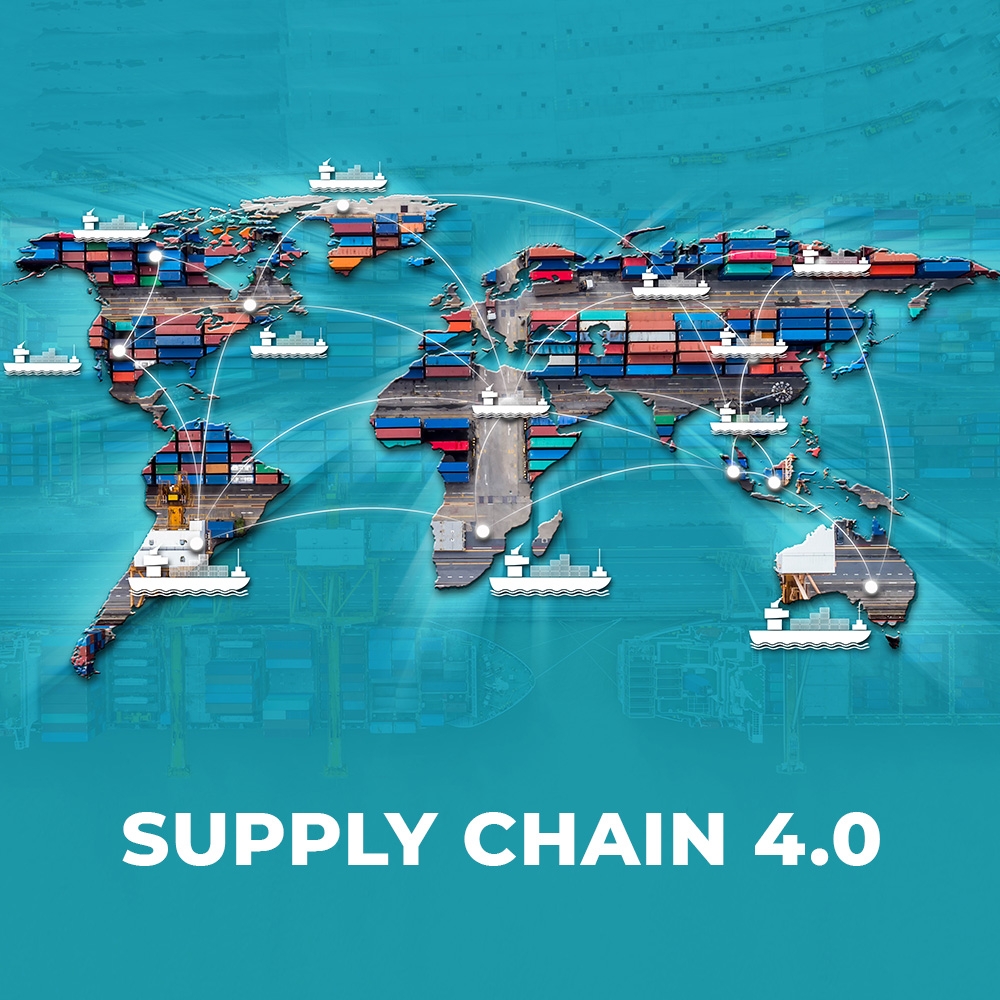
Aluminum is one of the most widely traded metals in the global economy, playing a critical role in industries such as automotive, construction, aerospace, packaging and renewable energy. Thanks to its lightweight structure, corrosion resistance and recyclability, aluminum continues to be in high demand worldwide. Understanding how to import and export aluminum effectively is essential for companies aiming to compete in the global aluminum market and optimize their position within the aluminum supply chain.
This guide provides a comprehensive overview of
aluminum import and export processes, trade data, key exporting and importing
countries, and emerging business opportunities, supported by data-driven
insights relevant for international traders.
1. Aluminum Export Data
Global aluminum exports have shown steady
growth over the past decade, driven by industrialization, urban development and
rising demand for lightweight materials. Primary aluminum, aluminum alloys and
semi-finished products such as sheets, plates and extrusions dominate export
volumes.
China, Russia, Canada, India and the United
Arab Emirates are among the world’s largest aluminum exporters. Aluminum
exports China are especially significant due to the country’s massive
production capacity and integrated manufacturing ecosystem. Meanwhile, aluminum
exports USA mainly consist of value-added aluminum products rather than raw
primary aluminum.
In recent years, aluminum exports Turkey
have also gained momentum, particularly in aluminum profiles, flat-rolled
products and construction-grade aluminum materials. Turkey’s strategic location
allows exporters to serve both European and Middle Eastern markets efficiently.
2. Aluminum Import Data
On the import side, aluminum imports are
largely driven by countries with strong manufacturing sectors but limited
domestic aluminum production. The European Union, the United States, Japan,
South Korea and India rank among the top aluminum importing countries.
Germany, Italy and France import substantial
volumes of aluminum for automotive and industrial applications. The United
States relies heavily on imports to meet domestic demand, especially for
primary aluminum and semi-finished products. Meanwhile, emerging economies
continue to increase aluminum imports to support infrastructure and industrial
growth.
Understanding aluminum import trends helps
traders anticipate demand shifts, pricing dynamics and supply risks across
global markets.
3. Aluminum Export Procedures and Documentation
Exporting aluminum requires compliance with
international trade regulations and accurate documentation. The typical
aluminum export process includes:
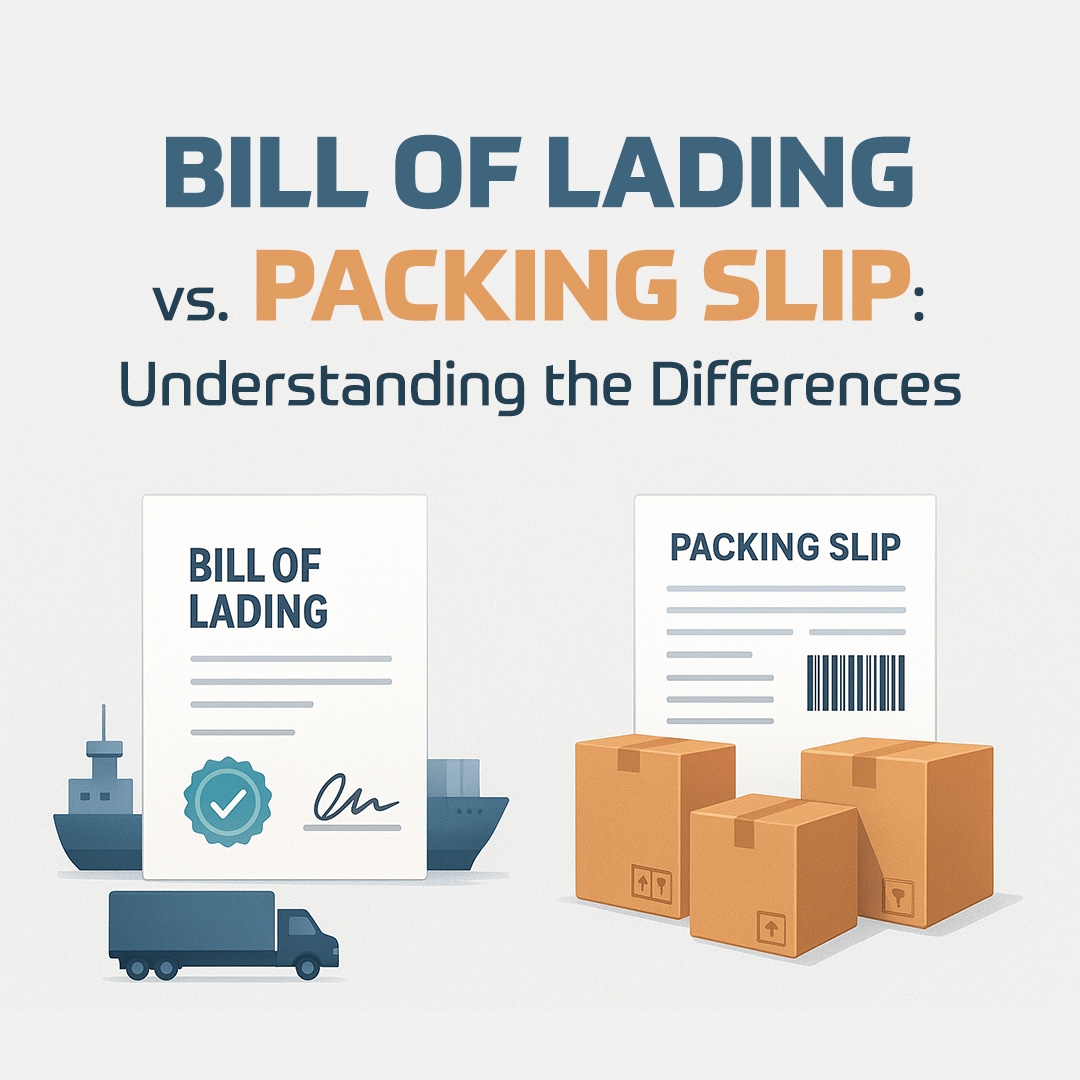
- Commercial invoice and packing list
- Certificate of origin
- Export license (if applicable)
- Bill of lading or airway bill
- Insurance certificate
- Customs declaration
Depending on the destination country, exporters
may also need quality certificates, conformity assessments or environmental
compliance documents. Accurate HS code classification is crucial, as incorrect
classification may lead to customs delays or penalties.
Exporters must also consider trade defense
measures such as anti-dumping duties, quotas and sanctions, which can
significantly impact aluminum trade flows.
4. Key Countries for Aluminum Export
Global aluminum exports are dominated by a few
major producers with strong industrial capacity and efficient logistics
networks. Countries such as Canada, China, Russia and India play a central role
in shaping the aluminum market and sustaining the global aluminum supply chain.
4.1. How to Export Aluminum from Canada?
Canada is one of the world’s leading primary
aluminum exporters, benefiting from abundant hydroelectric power and low-carbon
production processes. Canadian aluminum is highly sought after, particularly in
Europe and the United States.
To export aluminum from Canada, companies must
register with Canadian customs authorities, ensure proper HS code
classification and comply with destination-country regulations. Trade
agreements such as CUSMA and CETA provide Canadian exporters with preferential
market access and tariff advantages.
4.2. How to Export Aluminum from Russia?
Russia has historically been a major aluminum
exporter due to its large production capacity and access to raw materials.
Russian aluminum exports have primarily targeted Europe and Asia.
However, exporters must carefully monitor
international sanctions and trade restrictions. Export procedures include
strict compliance checks, licensing requirements and risk assessments related
to payment methods and logistics. Understanding geopolitical risks is critical
when trading aluminum from Russia.
4.3. How to Export Aluminum from India?
India’s aluminum export sector has expanded
rapidly, supported by domestic production growth and competitive pricing.
Indian exporters focus on primary aluminum, billets, wire rods and aluminum
products for construction and electrical applications.
Exporting aluminum from India involves
registration with the Directorate General of Foreign Trade (DGFT), obtaining
export licenses when required, and meeting quality and documentation standards.
Indian aluminum is increasingly exported to Southeast Asia, the Middle East and
Africa.
5. Key Countries for Aluminum Import
Global aluminum imports are driven by countries
with strong manufacturing and industrial demand but limited domestic
production. The United States, Germany, Japan and other major economies rank
among the top aluminum importing countries, relying on global suppliers to
support sectors such as automotive, construction and electronics.
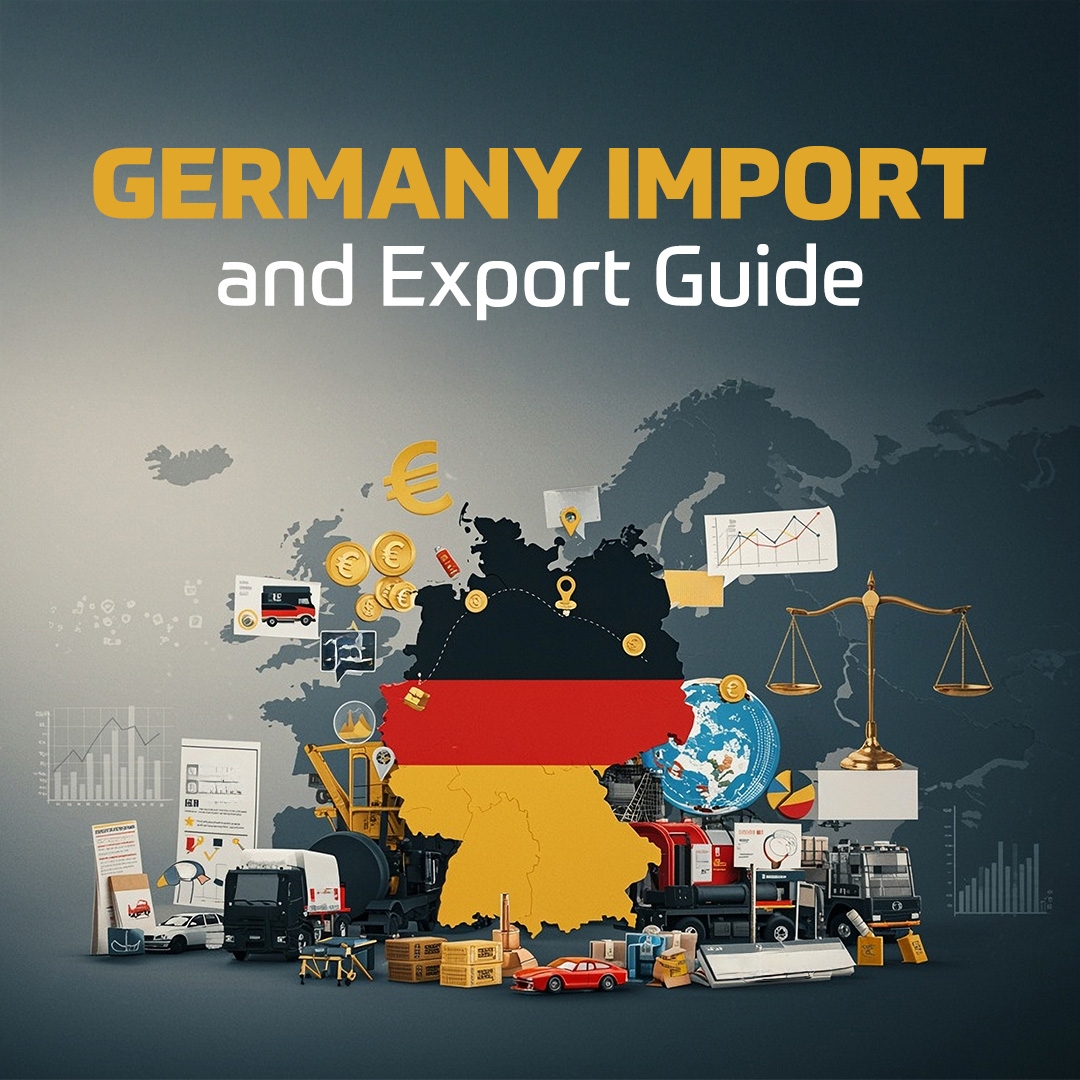
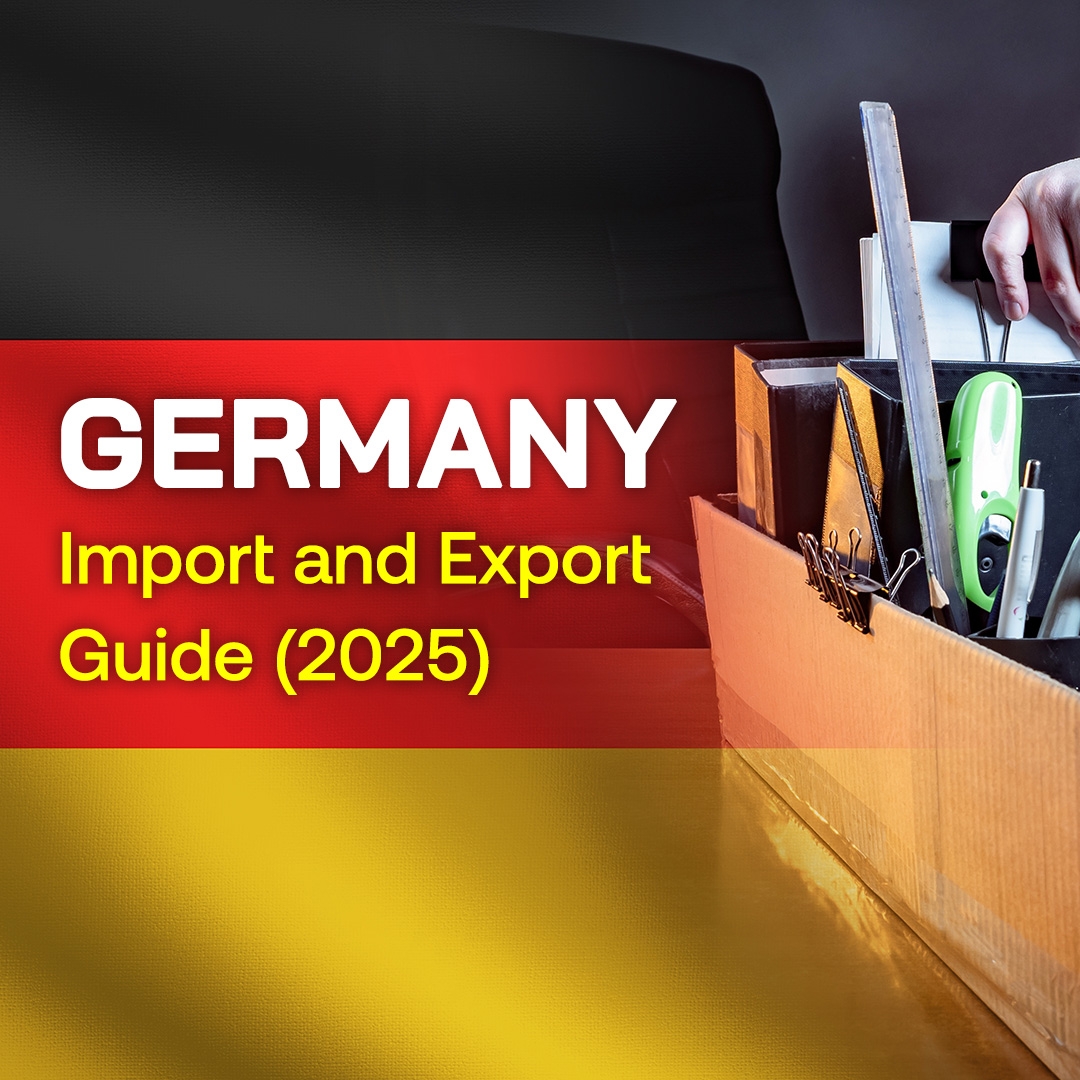
5.1. How to Import Aluminum from Germany?
Germany is a major exporter of high-quality
aluminum products, especially for automotive and industrial machinery sectors.
Importing aluminum from Germany typically involves dealing with advanced
alloys, precision-engineered components and value-added products.
Importers must ensure compliance with EU
regulations, CE marking requirements and technical specifications. Logistics
planning and long-term supplier relationships are essential for efficient
sourcing from Germany.
5.2. How to Import Aluminum from China?
China is both the world’s largest aluminum
producer and exporter. Importing aluminum from China offers cost advantages and
a wide range of product options, from raw aluminum to finished goods.
However, importers must be cautious about
quality control, certification and trade defense measures such as anti-dumping
duties. Clear contracts, third-party inspections and reliable logistics
partners help mitigate risks when importing aluminum from China.
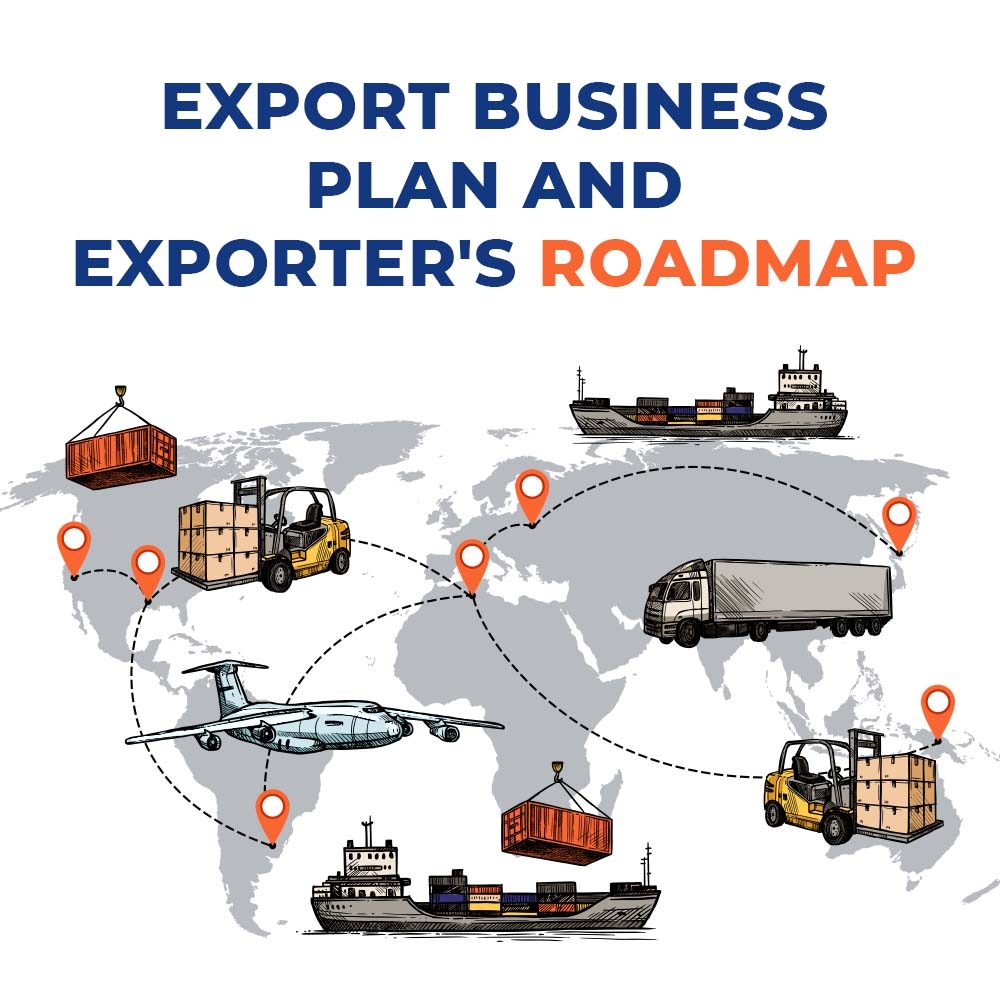
6. Aluminum Export Process: From Production to Global Markets
The aluminum export process begins with raw
material extraction (bauxite), followed by alumina refining and aluminum
smelting. After production, aluminum is processed into various forms such as
ingots, billets, sheets or finished products.
Once packaged and labeled, aluminum products
enter the global aluminum supply chain, moving through freight
forwarding, customs clearance and international transportation. Exporters must
manage logistics costs, delivery timelines and regulatory compliance to remain
competitive.
Digital trade intelligence tools enable
exporters to track global demand, identify buyer markets and optimize export
strategies across multiple regions.
7. Aluminum Export Business Opportunities
The global aluminum market offers strong
business opportunities due to rising demand from electric vehicles, renewable
energy projects and sustainable construction. Lightweight materials are
increasingly replacing steel in many applications, boosting aluminum
consumption.
Emerging markets in Asia, Africa and Latin
America present growth potential for exporters. Additionally, recycled aluminum
and low-carbon aluminum products are gaining traction as sustainability becomes
a key purchasing criterion.
Companies that leverage market data, buyer
intelligence and trade analytics can identify profitable niches, reduce market
entry risks and scale aluminum export operations more effectively.
8. How TradeAtlas Supports Aluminum Import and Export Decisions
TradeAtlas empowers companies operating in aluminum
exports and aluminum imports by providing access to global customs
data, trade flows and market intelligence. With TradeAtlas, businesses can
analyze top aluminum importing countries, track competitor activity, identify
verified buyers and suppliers, and monitor global trade trends in real time.
By transforming raw customs data into
actionable insights, TradeAtlas helps aluminum traders make informed decisions,
reduce risks and uncover new opportunities across the global aluminum trade
ecosystem.
Before starting aluminum import or export
operations, it is essential to correctly identify the aluminum HS code to ensure accurate customs classification, avoid delays and comply with
international trade regulations.