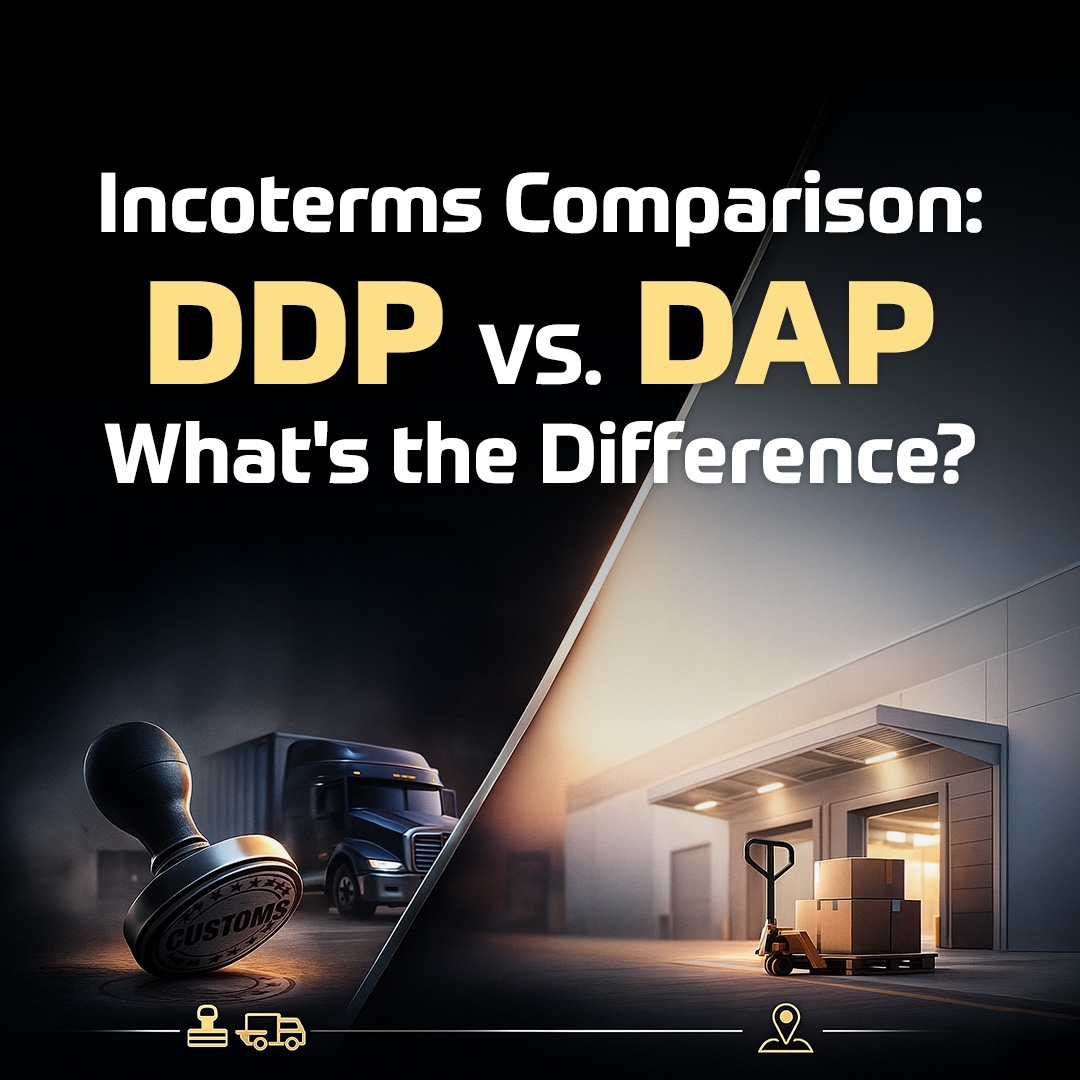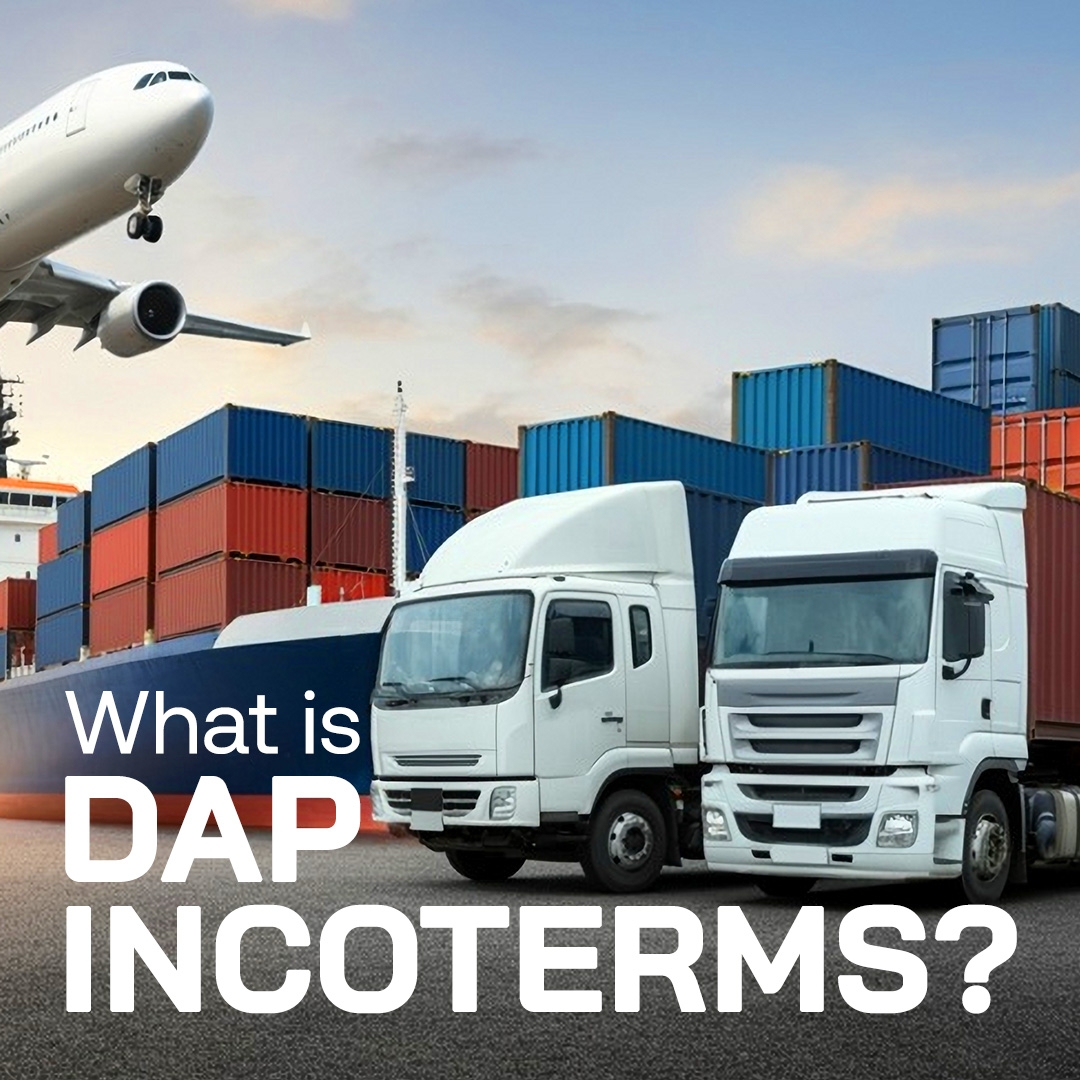
Understanding delivery terms is essential in global trade, especially when determining who is responsible for transportation costs, customs duties, risks and final delivery. Among the most used Incoterms, such as DDP and DAP, often create confusion for importers and exporters. Both DDP and DAP are widely used but differ significantly in responsibilities and risk allocation.
This comprehensive guide explains the DDP
vs. DAP meaning, highlights their differences and helps you decide which
Incoterm best suits your shipping needs.
1. Delivered Duty Paid (DDP): A Definition
Delivered Duty Paid (DDP) is one of the most
seller-friendly Incoterms for the buyer and one of the most demanding terms for
the seller. Under DDP, the seller is responsible for nearly everything involved
in moving the goods across borders. This includes export formalities,
transportation, insurance (if applicable), customs clearance in the importing
country and all duties and taxes until the goods reach the buyer’s final
destination.
In simple terms, under DDP, the buyer receives
a fully completed delivery with no additional financial or legal obligations.
The seller handles all risks and costs. For companies that want a seamless
buying experience, DDP is often the most convenient option. However, for
sellers, it can be costly and complex, especially in countries with strict
customs regulations or unpredictable tax systems.
2. DAP (Delivered at Place): A Definition
Delivered At Place (DAP) is an Incoterm where
the seller delivers the goods to the named destination but does not handle
import customs clearance or pay duties and taxes. The seller bears the cost and
risk until the goods arrive at the agreed point, but the buyer becomes
responsible for import procedures, duty payments and local taxes.
Compared to DDP, DAP provides a more balanced
distribution of responsibility. It is commonly used for cross-border trade
where buyers prefer to manage customs clearance themselves or where sellers are
not familiar with local regulations in the importing country.
3. DDP vs. DAP: Which Should You Use?
Choosing between the two requires understanding
the specific responsibilities assigned to buyers and sellers. Below is a
detailed comparison of DDP vs. DAP shipping terms to help you make an
informed decision.
3.1. Seller’s Responsibility
Under DDP, the seller manages every aspect of
the shipment, including export and import customs procedures, duties,
transportation and delivery to the buyer’s premises. This makes DDP the most
burdensome Incoterm for sellers.
Under DAP, the seller is responsible for
transporting the goods to the final location but is not responsible for import
duties or customs clearance. Once the goods arrive at the destination, the
buyer takes over.
Key Insight: DDP places full responsibility on the seller,
while DAP limits the seller’s obligations to transportation and delivery.
3.2. Buyer’s Responsibility
Under DDP, the buyer has minimal
responsibility. They only need to receive the goods at the final destination
with no involvement in customs or tax-related processes.
Under DAP, the buyer is responsible for customs
clearance, import duties, taxes, inspections and any additional local fees.
Key Insight: DAP is more suitable for buyers who want
control over import procedures or have better knowledge of local customs rules.
3.3. Risk Transfer
Risk transfer is one of the most crucial
elements to consider when comparing DDP vs. DAP shipping. DDP, risk
transfers only when the goods are delivered to the buyer’s location. DAP, risk
transfers when the seller delivers the goods to the agreed destination (before
customs clearance).
Key Insight: Risk transfers later under DDP, making it
riskier for the seller and safer for the buyer.
3.4. Customs Clearance
Under DDP, the seller is responsible for both
export and import customs procedures.
Under DAP, the seller handles export customs
only; the buyer handles import customs.
Key Insight: Companies unfamiliar with destination customs
procedures may find DDP too complicated.
3.5. Best Used When
Choose DDP when:
- The buyer wants a fully delivered and cleared
shipment.
- The seller has strong logistics partners and
experience.
- The destination country has predictable
customs rules.
Choose DAP when:
- The buyer wants control over customs
clearance.
- The seller cannot manage import duties.
- Import taxes are unpredictable or too high.
4. The Choice Between DDP and DAP: Factors to Consider
When comparing DDP vs. DAP Incoterms,
several factors influence the right decision:
Logistics Capability: Sellers with strong logistics
networks may feel comfortable offering DDP. Smaller exporters may prefer DAP to
avoid responsibilities abroad.
Country-Specific Customs Rules: Some countries make it difficult
for foreign entities to pay import taxes. In such markets, DDP is impractical.
Cost Structure: DDP often becomes significantly more expensive
for sellers since it includes duties and VAT. Buyers may pay a higher price but
enjoy easier delivery.
Control Over the Import Process: Businesses that prefer transparency
during customs inspections often choose DAP.
Legal and Tax Obligations: DDP may create unintended tax
liabilities for sellers in certain countries. Companies must be aware of local
rules before offering DDP.
5. Importance of DDP and DAP in International Shipping
Both DDP and DAP are essential Incoterms widely
used in international logistics. They ensure clear communication between buyers
and sellers about roles, cost allocation and risk transfer.
Their importance includes:
- Reducing misunderstandings in cross-border
transactions,
- Establishing predictable responsibilities,
- Allowing businesses to choose the most
cost-efficient shipping method,
- Minimizing risk by defining exact delivery
points,
- Supporting global supply chain planning.
In a world where delays and extra costs can
harm profitability, choosing the right Incoterm is crucial. Understanding the DDP
vs. DAP meaning allows companies to optimize operations and reduce
financial uncertainty.
6. Choosing Between DDP and DAP: Tips for Success
Choosing between DDP and DAP requires a careful
evaluation of logistics capabilities, tax regulations, cost structures and the
degree of control each party prefers during the shipping process. To avoid
misunderstandings and make the best decision, businesses should analyze the DAP
vs. DDP difference in terms of transparency during customs clearance, total
landed cost and legal obligations in the destination country. Companies with
limited experience in managing import duties should avoid DDP, while buyers
seeking full visibility and control over customs procedures may prefer DAP. It
is also essential to research local tax rules, as some countries restrict
foreign sellers from paying import duties, making DDP impractical. By working
with reliable logistics partners, clearly defining delivery points in contracts,
and evaluating long-term operational needs, importers and exporters can
confidently choose the most suitable Incoterm for their international
transactions.
7. TradeAtlas: Using Global Trade Data to Optimize Your Shipping Strategy
When deciding between DDP vs. DAP Incoterms,
having access to accurate global trade data gives importers and exporters a
strategic advantage. TradeAtlas provides one of the world’s most comprehensive
import and export databases, covering shipment details from more than 200
countries. Through official customs records and bill of lading data, businesses
can review buyers, suppliers, product details, shipping routes, HS codes,
prices and quantities.
With this information, companies can:
- Identify reliable suppliers or buyers
- Understand freight patterns relevant to DDP
and DAP shipments
- Compare the competitiveness of delivered
prices
- Evaluate market demand
- Reduce risks by analyzing real shipment
histories
Whether you handle DDP vs. DAP shipping,
negotiate new terms or explore global markets, TradeAtlas gives you the
visibility needed to make confident decisions in international trade.
To learn more about Incoterms in foreign trade, you can read our blog post "What are the Incoterms Used in
International Trade?".