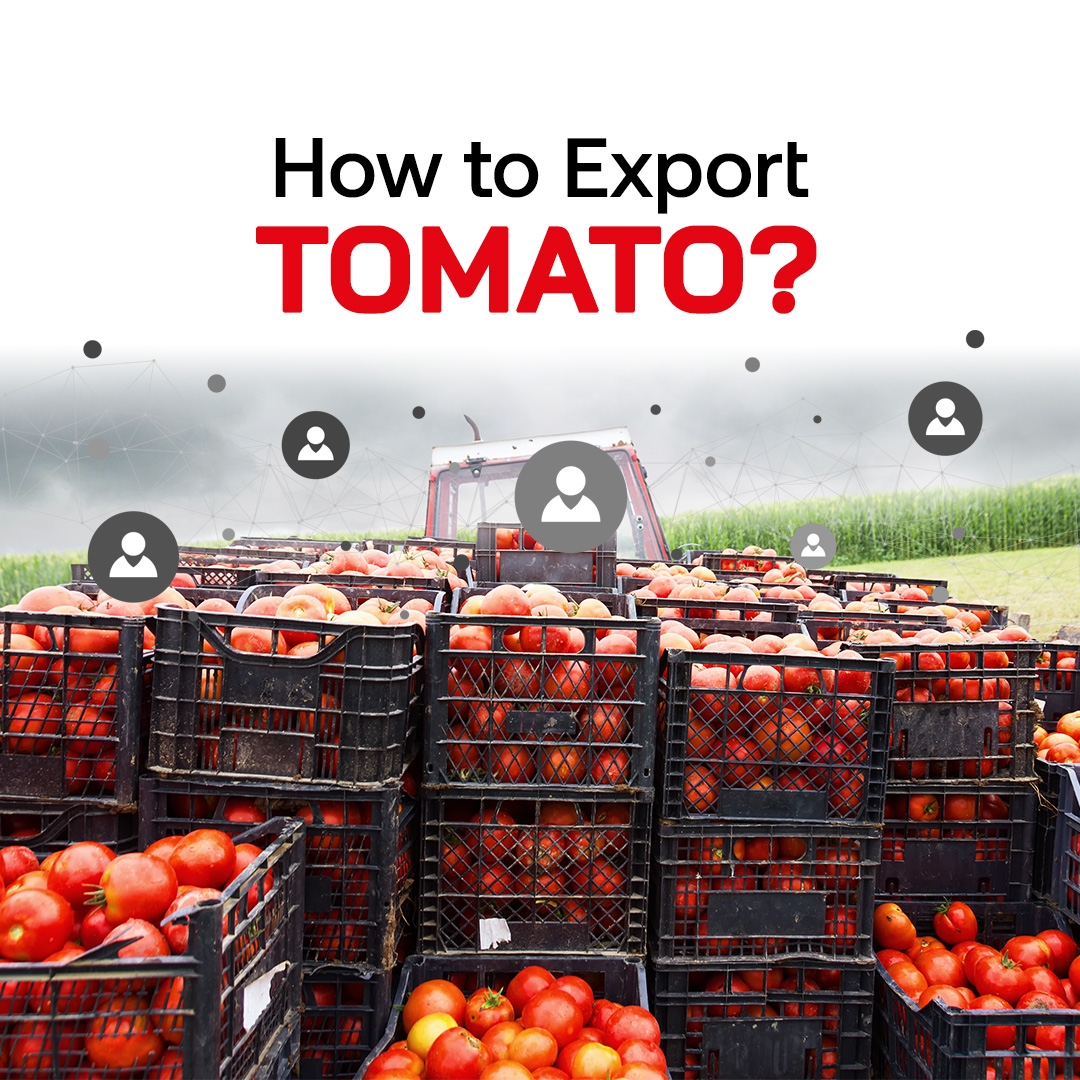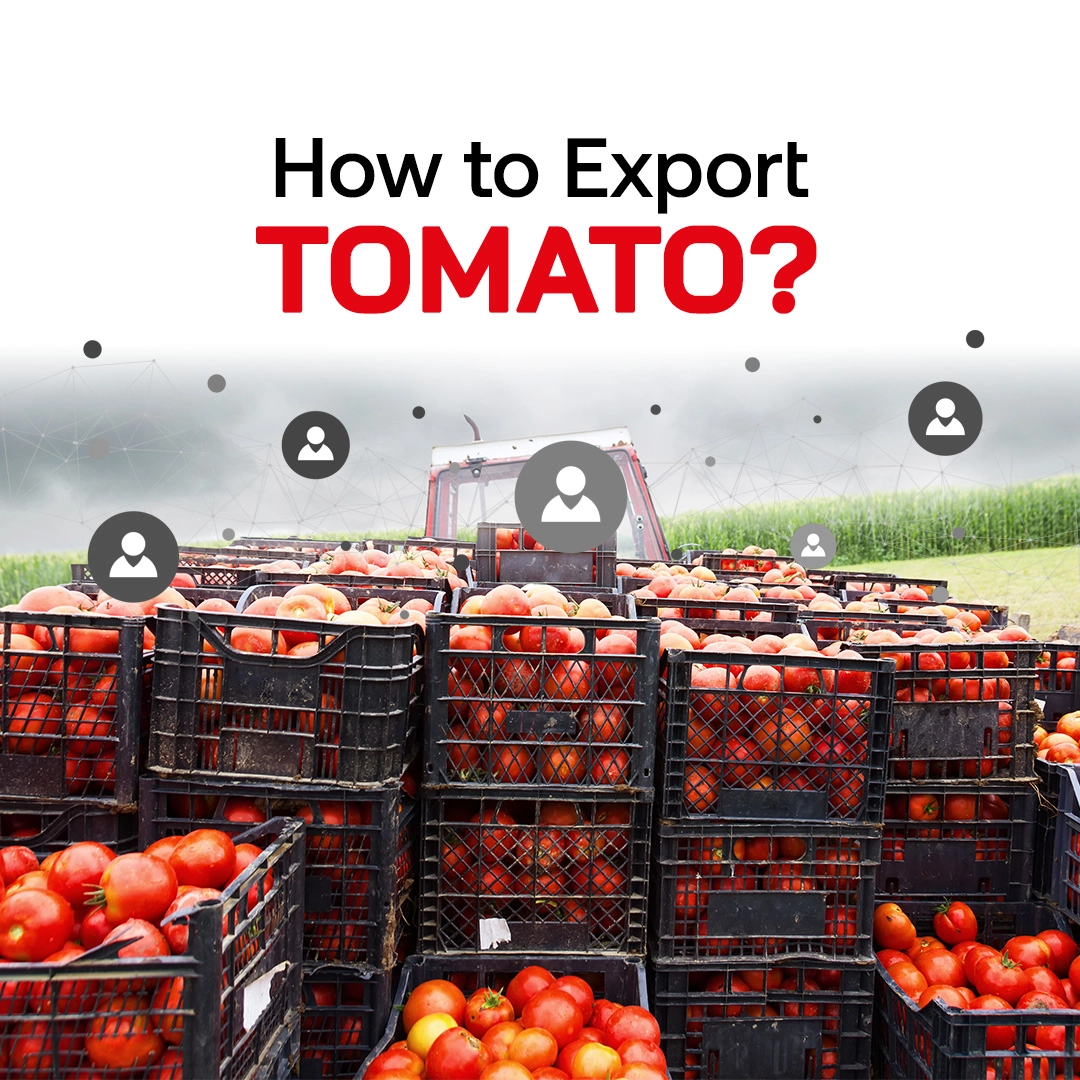
Tomatoes hold a central place in global agriculture — not only as a kitchen staple but also as a valuable export product. Thanks to their wide culinary use, nutritional benefits, and consistent year-round demand, tomatoes are traded extensively across borders. With their year-round availability and broad culinary appeal, they offer strong potential in the tomato export market. As demand continues to grow in regions like the Middle East, Europe, and Southeast Asia, countries such as Mexico, the Netherlands, Spain, and Turkey are increasingly positioning themselves as key suppliers of fresh, quality tomatoes.
In this guide, we’ll take a
closer look at how to navigate the tomato export process—from pre-export
planning and documentation to pricing strategies and identifying the most
attractive global markets.
Steps to Export Tomato Successfully
Exporting tomatoes requires careful planning and
coordination across multiple stages. Below is a structured roadmap for
exporters aiming to succeed in the tomato export market:
- Conduct
Market Research: Analyze potential export destinations by evaluating
consumer demand, seasonal trends, import volumes, pricing, and local
competition. This helps in selecting high-potential markets.
- Meet
Regulatory Requirements: Ensure compliance with both domestic and
destination country regulations, including food safety standards,
pesticide residue limits (MRLs), and labeling rules.
- Source
from Certified Producers: Work with farms that implement Good
Agricultural Practices (GAP) to ensure consistent quality and traceability
of produce.
- Post-Harvest
Handling and Packing: Tomatoes must be carefully sorted, graded, and
packed according to export standards. Proper tomato export packing
— often in ventilated corrugated boxes or plastic crates — is essential to
preserve freshness during transit.
- Temperature-Controlled
Logistics: Use refrigerated trucks and reefer containers when
exporting over long distances. Tomatoes are typically transported at
12–15°C to maintain shelf life and prevent spoilage.
- Prepare
Export Documentation: Collect all necessary documents, including the
commercial invoice, bill of lading, phytosanitary certificate, certificate
of origin, and packing list. Depending on the destination, additional
documents like pesticide residue analysis or GLOBALG.A.P. certification
may be required.
- Understand
Tariffs and Trade Terms: Review the applicable tomato export tariff,
import duties, and non-tariff barriers (e.g., quotas or licensing) in your
target market. Align your pricing and Incoterms accordingly.
- Develop
Distribution Channels: Coordinate with importers, wholesalers, and
distributors in the destination country. Strong local partnerships ensure
smoother customs clearance, faster delivery, and better market
penetration.
Tomato Export Data
According to recent tomato
export data from Market Calculus, global shipments of fresh and chilled
tomatoes approached 7 million metric tons in 2024. Countries such as Mexico,
the Netherlands, and Spain are among the top tomato exporting countries,
together supplying more than 60% of global demand.
Tomato Import Data
According to Market Calculus
data, the United States remains the largest importer of tomatoes, followed by
Germany, France, and the United Kingdom. Import data is crucial for exporters
to determine which markets are undersupplied and offer favorable profit
margins.
Tomato Export Procedures and Documentation
Exporting tomatoes involves
compliance with international trade procedures and the specific import
regulations of the destination country. Accurate and complete documentation is
essential for avoiding delays and ensuring product acceptance at customs. The
core documents required for tomato export typically include:
- Commercial Invoice: Details the buyer,
seller, quantity, unit price, and total value of the shipment.
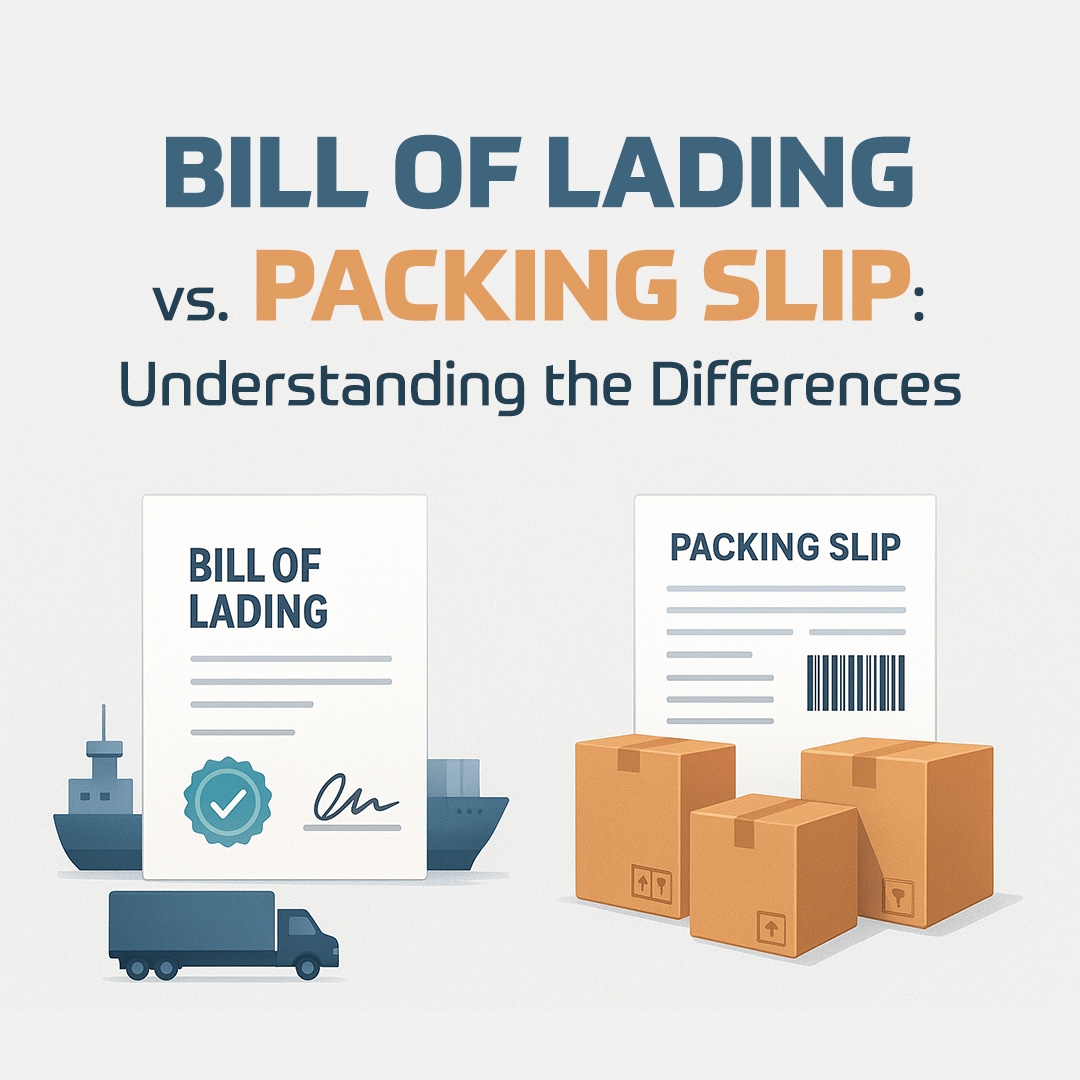
- Bill of Lading (B/L): Issued by the shipping
line or freight forwarder as proof of cargo receipt and transport terms.
- Certificate of Origin: Confirms the country
where the tomatoes were produced.
- Phytosanitary Certificate: Issued by the
national plant protection authority to certify that the shipment is pest-
and disease-free.
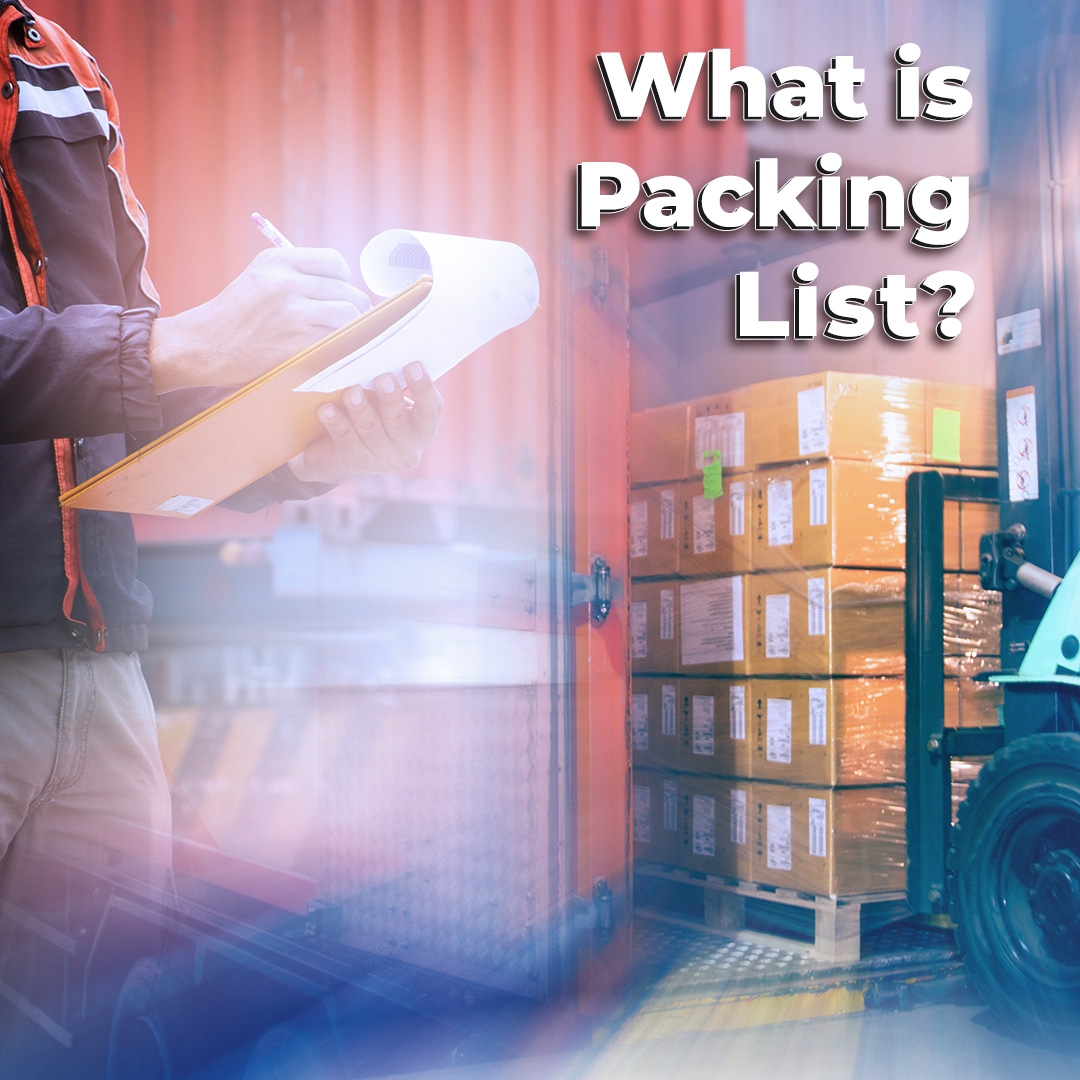
- Packing List: Provides detailed information
about the packaging and weight of each shipment unit.
- Inspection Certificate: Required by some
countries to confirm quality, grade, or conformity to standards.
- Fumigation Certificate (if applicable):
Necessary for markets that require treatment against specific pests.
In addition, some importing
countries may require specific certifications such as Maximum Residue Limit
(MRL) analysis, GLOBALG.A.P. compliance, or organic certification depending on
their import regulations. Ensuring the availability of these documents not only
facilitates smooth customs clearance but also enhances credibility with
international buyers.
Key Countries for Tomato Export
Among the leading tomato
export countries, a few stand out for their scale, efficiency, and access
to key markets:
- Mexico: As the largest exporter of fresh
tomatoes globally, Mexico dominates the U.S. market thanks to high
production capacity and well-established logistics.
- The Netherlands: A pioneer in greenhouse
farming, the Netherlands supplies premium tomatoes across Europe,
benefiting from year-round production and advanced agri-tech.
- Spain: One of Europe’s top tomato export
countries, Spain offers a diverse range of tomato varieties and enjoys
strong demand within the EU due to its favorable climate and logistics.
- Turkey: Turkey exports large volumes of
tomatoes to Russia, Eastern Europe, and the Middle East, driven by
seasonal abundance, competitive pricing, and proximity to key markets.
These tomato export countries
have built robust production systems and trade networks, enabling them to
consistently meet global demand for fresh, high-quality tomatoes.
How to Export Tomato from India?
To export tomatoes from India:
- Register with APEDA (mandatory for agri exports)
- Source from GAP-certified farms
- Use cold chain logistics to preserve freshness
- Ship via sea to Gulf countries; use air freight for
nearby markets
India’s proximity to the Middle
East and its cost advantage make it well-positioned in the tomato export
business.
Tomato Export from India to Dubai
Tomato exports from India to the
UAE are limited but present occasional opportunities, especially during
seasonal gaps in local production. Some Indian exporters target Dubai due to:
- Short transit times between western Indian ports
and the Gulf
- Consistent demand for fresh vegetables in urban
retail markets
- Regional price competitiveness
Shipments, when arranged,
typically depart from ports like Mumbai or Mundra. The tomato export price
can range from $0.30 to $0.60 per kilogram, depending on quality, variety, and
market timing.
Tomato Export from India to Pakistan
India-Pakistan trade is subject
to geopolitical conditions, and agricultural exports often fluctuate. However,
when trade channels are open:
- Tomatoes are exported primarily through land routes
- Regulatory compliance includes SPS (Sanitary and
Phytosanitary) certifications
- Prices are influenced by bilateral political
relations and local harvests
Indian tomatoes are in high
demand in Pakistan during local off-seasons, offering a valuable opportunity
for cross-border trade.
Tomato Export from Pakistan
Pakistan exports tomatoes
primarily to neighboring markets such as Afghanistan and Kazakhstan, where
demand for fresh produce is consistent. Key aspects of Pakistan’s tomato export
activity include:
- Major production regions located in Sindh and
Balochistan
- Overland exports to Afghanistan; sea shipments via
Karachi and Gwadar ports to Central Asia
- Competitive pricing, especially during the peak
harvest season
Pakistani exporters are
increasingly investing in better post-harvest handling and cold chain
infrastructure to minimize losses and boost the overall efficiency of tomato
exports.
Tomato Export Process: From Farm to Market
The tomato export process begins
at the farm, where tomatoes are harvested at the appropriate stage of ripeness
to ensure shelf life during international transit. After harvest, the produce
undergoes careful sorting and grading based on size, color, and quality. This
is followed by hygienic washing and packing—typically in ventilated boxes
ranging from 5 to 10 kilograms, which are designed to prevent damage and allow
airflow.
To preserve freshness, the packed
tomatoes are stored in cold storage facilities at temperatures between 12°C and
15°C before being loaded into refrigerated containers (reefers) for transport.
Throughout this journey, maintaining the cold chain is critical to avoid
spoilage. At the port or border, required export documentation and
certificates—such as phytosanitary reports and certificates of origin—are
submitted to complete customs clearance. Once the shipment reaches the
destination country, tomatoes are distributed through established networks of
importers, wholesalers, and retailers.
Maintaining consistency and
quality at every stage of this supply chain is essential for building long-term
trade relationships and ensuring customer satisfaction.
Tomato Export Business Opportunities
Rising global demand creates
strong opportunities for tomato exporters, especially in regions like the GCC,
Africa, and Central Asia where local production is limited. There is also growing
interest in organic tomatoes and processed products such as paste and ketchup.
Consistent quality and competitive pricing remain key to success in the tomato
export business.
Find Tomato Importers and Exporters with TradeAtlas
TradeAtlas offers access to a
vast global trade database where you can identify active tomato importers and
exporters across multiple countries. From real-time shipment data to verified
company profiles, TradeAtlas helps you discover new markets, track trade flows,
and connect with potential partners — all in one platform. Make smarter export
decisions with up-to-date and reliable trade intelligence.
If you're also interested in
other fresh produce markets, check out our guide on banana
import for more insights.