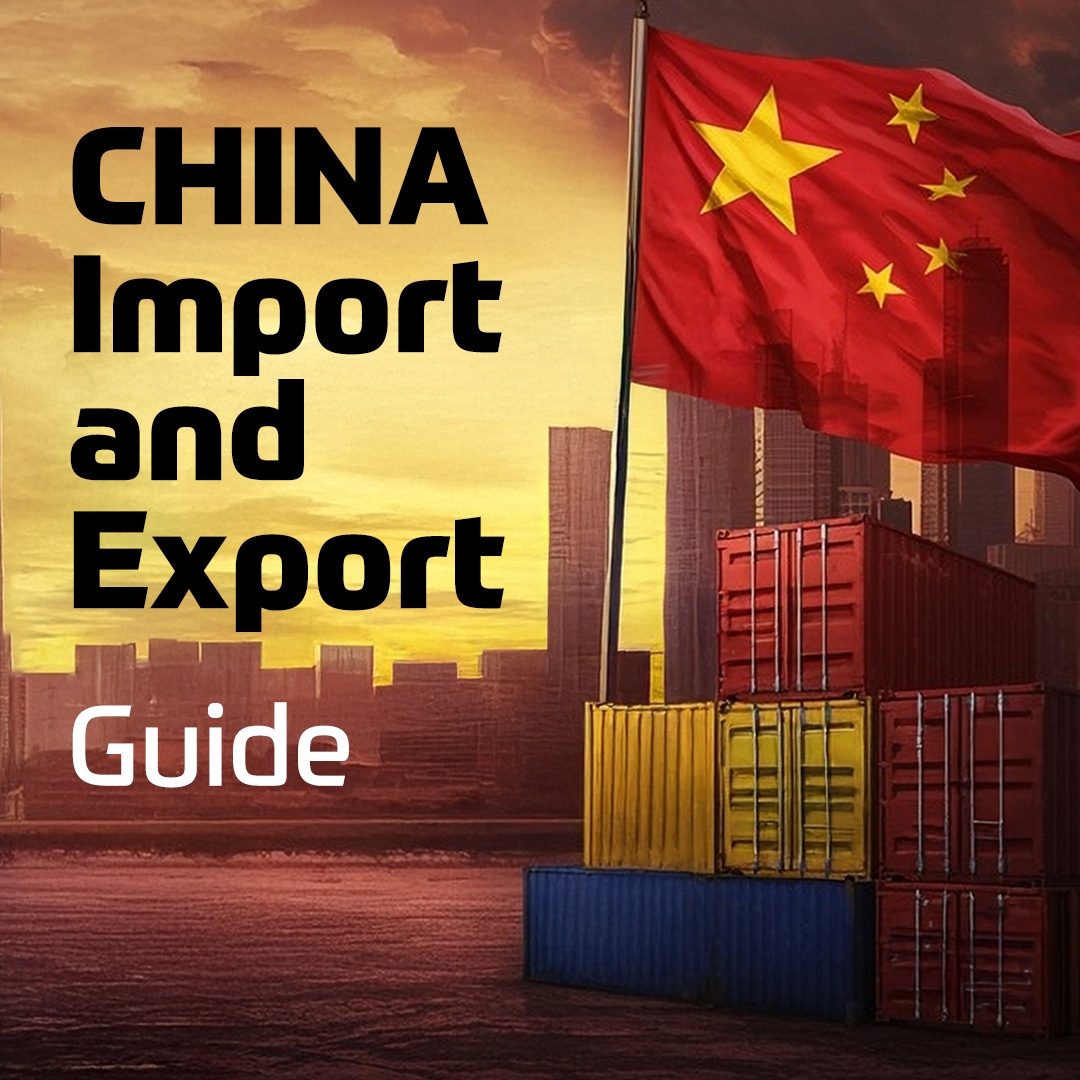
China stands as one of the world’s largest trading nations, serving as a vital hub for global manufacturing, supply chains and consumer markets. Understanding the China import export landscape is essential for companies seeking to engage with this powerful economy. From industrial materials and electronics to high-tech equipment and consumer goods, China’s trade network connects every corner of the globe. This guide explores China’s import and export data, key trade partners, and practical insights for those looking to start or expand a China import export business in 2025.
1. China Export Import Overview
The world’s manufacturing powerhouse, China,
plays a critical role in global trade. When we look at the China import export
picture, we see a dynamic interplay between what China ships out and what it
brings in. On the export side, China has evolved from low-cost consumer goods
toward higher-value goods, while on the import side, its growing middle class
and industrial base drive demand for raw materials, intermediate goods and
finished imports.
As a quick summary: China runs a large trade
surplus in goods, meaning its exports far exceed its imports in value. It also
uses trade strategically, sourcing inputs from abroad, exporting manufactured
goods globally and gradually shifting toward services and technology.
2. China Import Export Data & Trends
China’s trade performance offers valuable
insight into global economic trends. The country’s import and export data
reflect its role as both a manufacturing hub and a growing consumer market.
Analyzing China import export statistics helps businesses understand
market movements, identify emerging opportunities and evaluate how shifting
trade dynamics affect their operations. Below is an overview of the latest
trade figures highlighting China’s position in global commerce.
2.1. China Export Data
Latest official stats show that China’s exports
continue to grow, even under global headwinds. For example, in April 2025,
China’s goods exports reached approximately USD 315–320 billion, marking a
year-on-year increase of over 8%. Similarly, the figure of USD 328.6 billion in
September 2025 was reported, representing a strong growth rate. The trade media
reports that the growth was partly fueled by exporters reacting ahead of tariff
changes and diversifying into new markets.
2.2. China Import Data
In contrast, China’s import performance has
been less consistent. For May 2025, China’s imports of goods were reported at
RMB 1,533.1 billion (about USD 211.15 billion), which represented a decline of
2.1% year-on-year. Monthly data shows imports reaching USD 212.9 billion in
May, with a year-to-date figure of USD 1.01 trillion in the first few months.
One reason is weaker domestic demand and global supply-chain challenges. This
divergence in performance between exports and imports is often referred to in trade
circles as the China import vs export gap.
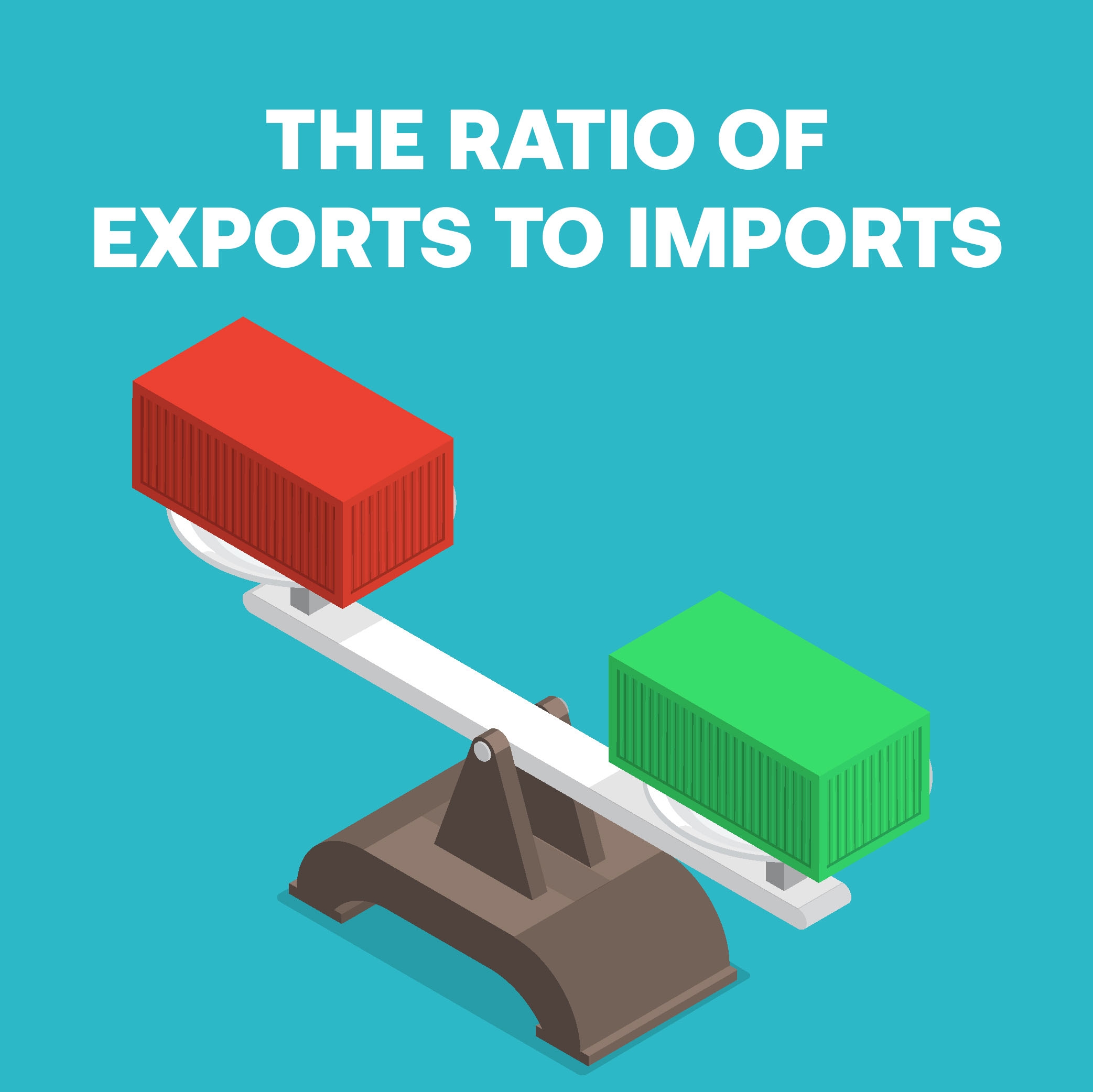
Another useful metric is the China import
export ratio, that is the ratio of imports to exports or vice versa. In
recent years, that ratio shows exports growing faster than imports, thus the
surplus is widening. For example, in April 2025, goods exports plus imports of
goods and services were USD 326.5 billion and USD 280.3 billion, respectively,
leaving a surplus of about USD 46.2 billion.
3. How to Start an Import Export Business in China?
If you are considering launching a China
import export company, here are several steps and considerations:
- Market Research & Product Selection: Identify goods that align with
China’s import needs (raw materials, high-tech parts, consumer goods) or
markets into which China exports (electronics, textiles, machinery).
- Legal & Regulatory Compliance: Register your business according to
Chinese law or set up a foreign trading partner. Make sure you understand
China’s customs regulations, tariffs, taxes and the classification of goods.
- Supply Chain Setup: For exporting from China, find
reliable Chinese manufacturers and factories, negotiate production terms,
handle logistics, quality inspection, packaging and export customs clearance.
For importing into China, you’ll need to handle Chinese customs, tariffs and
local distribution.
- Customs & Classification: Correct HS codes matter; mistakes
can result in higher tax rates, delays or legal issues.
- Logistics & Documentation: Shipping terms (FOB, CIF),
incoterms, transport, insurance, export & import licenses, commercial
invoice, packing list and certificate of origin.
- Risk Management: Be aware of currency fluctuations (RMB), trade
tensions (e.g., U.S.–China tariffs), changes in regulation and quality control
issues.
- Building a Network and Brand: Attend trade fairs (e.g., the China
Import and Export Fair) for sourcing or business-matching. Develop strong
relationships with Chinese suppliers or buyers.
- Marketing & Market Entry: If exporting to China, you’ll need
a distribution strategy, localization (language & compliance) and pricing
strategy; if exporting from China, you’ll need to identify target countries,
handle shipping and after-sales.
By aligning with the broader trends in China
import export activity, you can position your business to benefit from China’s
role in global trade.
4. Which Countries Import the Most from China?
When we ask “Which countries import the most
from China?”, we look at the destination of China’s exports. According to
datasets, in recent years the top recipients of Chinese goods include: the
United States, Hong Kong, Vietnam, Japan and India. For example: In August
2025, China exported about USD 31.6 billion to the United States, USD 27.2
billion to Hong Kong, USD 17.6 billion to Vietnam, USD 12.8 billion to Japan
and USD 12.5 billion to India.
Therefore, businesses engaging in a China
export import strategy should pay attention to these major destination
markets (and emerging ones) to plan accordingly.
5. Major Import Partners of China
On the flip side, China’s major import partners
(suppliers into China) are also important to know when assessing a China
import export business. Some of the key suppliers to China include Taiwan,
the United States, South Korea and Japan. These countries provide intermediate
goods, high-tech components, raw materials and consumer goods for China’s
domestic market as well as inputs for China’s manufacturing exports.
Understanding the supply side is critical if your business is focusing on
imports into China or sourcing from China for re-export.
6. China Imports by Country (Top 10)
While comprehensive up-to-date public lists may
differ by dataset, recent figures (e.g., from the UN COMTRADE and OEC) indicate
that China’s top import-by-country list includes (in no strict order) the
United States, Japan, South Korea, Taiwan, Germany, Australia, Singapore,
Malaysia, Brazil and Thailand. If you are establishing a sourcing channel or
assessing risk for your China import export company, you may want to refer to
the monthly detailed tables published by China Customs.
7. How TradeAtlas Helps You Navigate China Import Export
At TradeAtlas, we empower importers and
exporters operating in or with China by giving you access to real-time and
historical China import and export data, enabling you to benchmark
performance, study the China import export statistics of specific goods and
markets, and identify a potential list of import and export companies in
China for partnerships or competitive tracking. With the right
intelligence, you can:
- Analyze the China imports list for
equipment, components or consumer goods and spot which items are growing
fastest.
- Identify emerging destinations and hidden
opportunities in the China export countries map.
- Compare the China export import ratio across
product lines and years to detect structural shifts.
- Leverage the intelligence to establish or
grow your China import export business with greater confidence, by
understanding where China sources, where China sells and how global trade flows
are evolving.
In short, TradeAtlas is your data-driven
partner to turn raw numbers and trends into actionable strategies when dealing
with China.
8. China Export Import FAQ
This section addresses the most common
questions about China export import activities, helping businesses understand
the country’s trade structure and global connections. By comparing China’s
performance with other major economies, such as America
export import trends, companies can gain a clearer view of how
international trade patterns evolve and what opportunities lie within China’s
growing market.
8.1. What are China's main imports and exports?
Main exports: China’s largest export
categories include manufactured goods such as electronics, machinery,
telecommunications equipment, textiles, furniture, auto-parts and more. The
shift toward higher-tech, value-added exports is accelerating. For example,
shipments of chips and high-tech components have surged.
Main imports: On the import side, China brings
in raw materials (e.g., oil, iron ore, copper), intermediate goods (which are
then processed and exported), components, consumer goods and increasingly
services. One note, in March 2025, China’s imports of soybeans fell sharply
while crude oil imports rose.
8.2. What is China's #1 export?
At a high level, China’s #1 export in terms of
value remains manufactured goods (particularly electronics and machinery). If
we look more narrowly, electronics and telecommunications equipment often make
up the largest share of China’s exports to major destinations. Many sources
note that China is the world’s leading exporter of electronics.