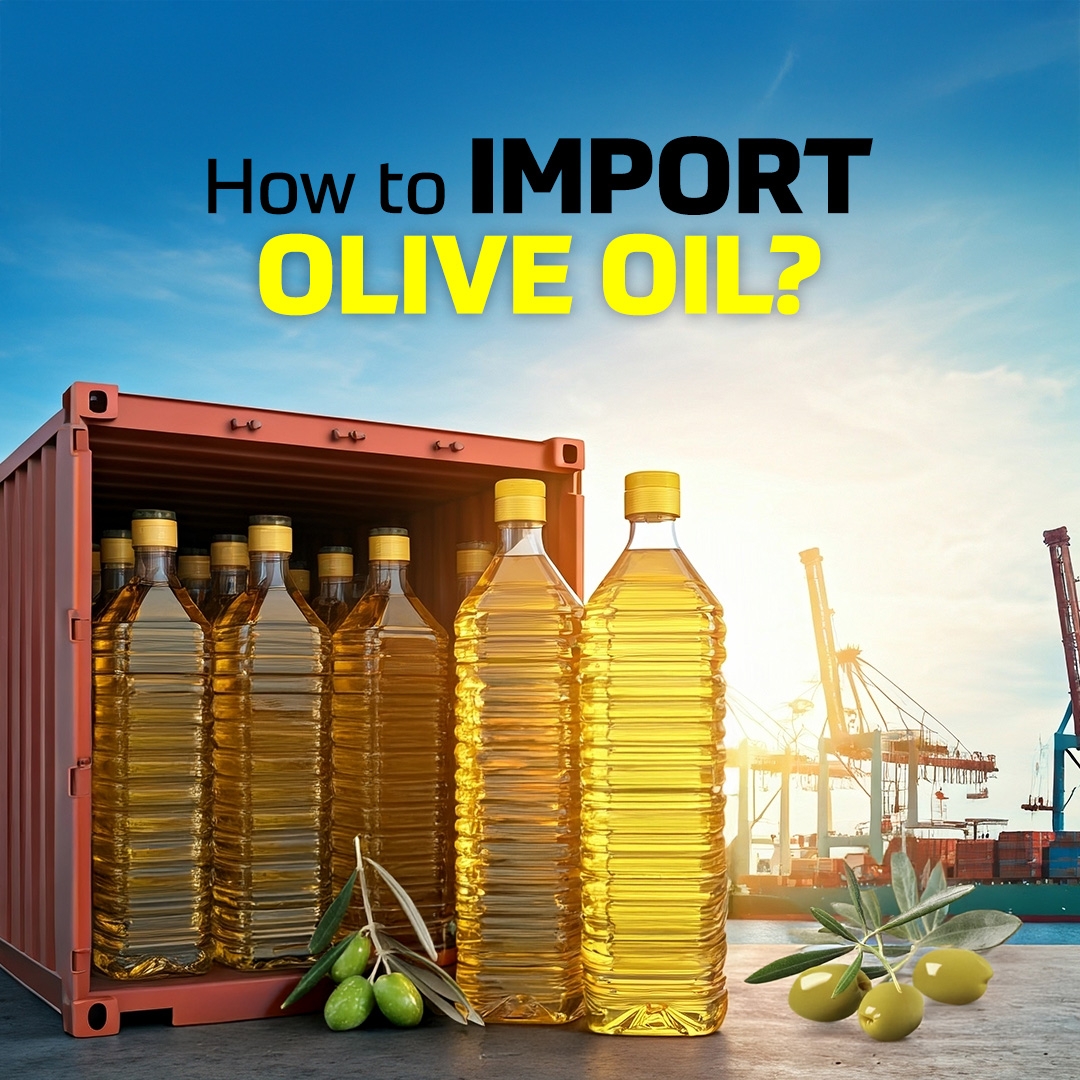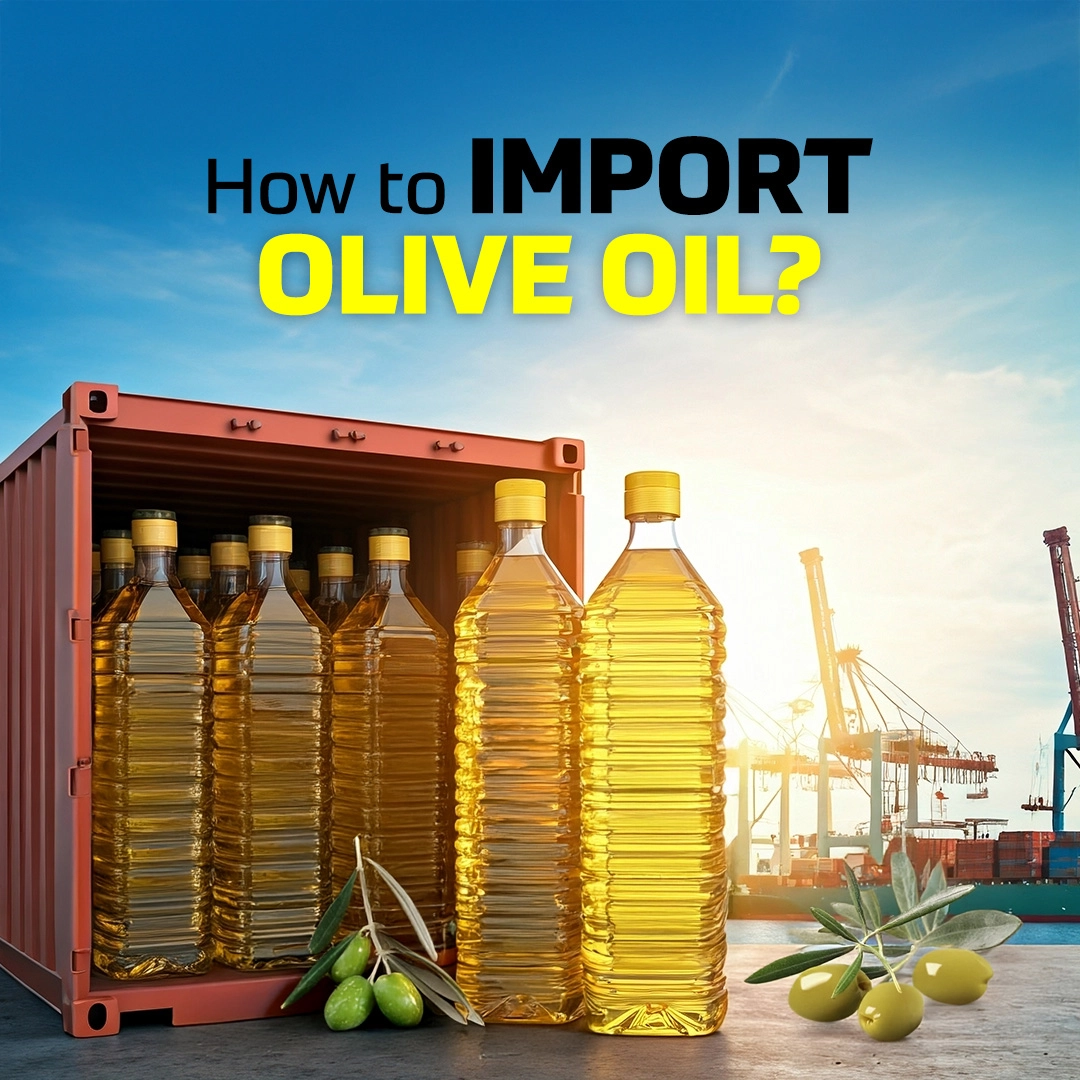
The global demand for olive oil continues to grow as consumers around the world recognize its culinary and health benefits. From gourmet restaurants to household kitchens, olive oil has become a staple product in international trade. In this comprehensive guide, we’ll explore olive oil import processes, market trends, major suppliers and how platforms like TradeAtlas can help importers and exporters connect efficiently.
1. Understanding the Global Olive Oil Market
The olive oil market is one of the most dynamic
sectors in the global food industry. Mediterranean countries, particularly
Italy, Greece and Spain, dominate production, accounting for nearly 70% of the
world’s supply. However, growing health awareness in Asia and North America has
significantly increased demand in recent years.
Consumers are increasingly shifting from
refined oils to extra virgin olive oil for its rich flavor and antioxidant
properties. This trend is driving the growth of the olive oil import
business, particularly in countries like the United States, India, China
and Japan. As the market expands, importers are focusing on quality
certifications (such as ISO and HACCP), sustainable farming and traceable
supply chains to meet global standards.
2. Choosing the Right Supplier: Italy, Greece or Spain?
Selecting the right supplier is the foundation
of a successful olive oil import strategy. Each of the leading Mediterranean
producers offers unique advantages:
Italy is known for its high-end, extra virgin
olive oils with distinctive regional characteristics. Many businesses choose to
import olive oil from Italy for its premium branding and high consumer
trust.
Greece offers competitively priced,
high-quality oils with rich flavor and lower acidity. Companies aiming to import
olive oil from Greece often target mid-range markets that balance quality
and price.
Spain is the world’s largest olive oil
producer, offering a wide variety of bulk and branded products. Businesses
looking to import olive oil from Spain benefit from large-scale
production and cost efficiency.
The decision depends on your target market
segment, such as luxury, retail or wholesale and your import budget.
3. Global Olive Oil Import and Export Statistics
The global olive oil trade has been growing
steadily over the past decade. Let’s take a closer look at the recent import
and export performance of the sector.
3.1. Olive Oil Import Data
According to olive oil import data from
international trade databases, annual imports reached over 3.2 million tons in
2024. The top importing countries include:
- United States: 380,000 tons
- Italy: 310,000 tons
- Spain: 250,000 tons
- India: 210,000 tons
- China: 170,000 tons
The rise in olive oil import in India
and olive oil importers China reflects a major shift in consumer habits
toward healthier diets. India’s growing middle class and China’s expanding food
service industry have made these two countries important emerging markets.
3.2. Olive Oil Export Data
On the export side, the leading countries
remain Mediterranean producers:
- Spain: Over 1.4 million tons (around 45% of
global exports)
- Italy: 330,000 tons
- Greece: 290,000 tons
- Tunisia: 220,000 tons
- Turkey: 180,000 tons
Export volumes fluctuate depending on olive
harvest cycles, weather patterns and trade policies, but global demand
continues to rise year by year.
4. Olive Oil Importers by Country
Olive oil importers are spread across nearly
every continent. The largest consumer markets include:
- European Union: Major intra-EU trade between
Spain, Italy and Greece.
- United Kingdom: The demand to import olive
oil to UK has remained stable post-Brexit, with Spain and Italy being the
primary suppliers.
- India: A rapidly expanding market for
health-conscious consumers.
- China and Japan: Growing demand driven by
Western cuisine trends.
- United States: The single largest non-EU
market for bottled olive oil.
Smaller but emerging importers include
Bangladesh, Brazil, South Korea and Australia. Many small distributors and
wholesalers are establishing connections with reliable olive oil importers
through global B2B platforms.
5. Olive Oil Import Procedures and Costs
Importing olive oil involves several key steps
that every importer should understand clearly, from market research to customs
clearance. The process typically begins with analyzing market demand,
competition and pricing in your target country. Once the potential market is
identified, it’s crucial to verify suppliers by reviewing their certifications
such as ISO, HACCP or organic quality assurance to ensure compliance with
international standards. After supplier selection, importers must determine the
correct customs classification, usually under HS Code 1509 or 1510, depending
on the product type. Some countries, including India and China, require
specific import licenses or food safety approvals before olive oil can be
distributed locally. Logistics planning is another important stage. Most
importers prefer sea freight for bulk shipments and air freight for smaller or
urgent consignments. Costs associated with olive oil import include the
product’s FOB price, freight, insurance, customs duties, VAT and inland
transport expenses. Additionally, importers should allocate a budget for
laboratory testing, packaging compliance and national food labeling
requirements. In some regions, such as for the olive oil importer in
Bangladesh, import tariffs may be higher, affecting final retail prices. A
thorough understanding of these procedures and costs ensures a smooth and
profitable olive oil import business.
6. Olive Oil Import Business Opportunities
The olive oil import business presents strong
opportunities, especially in developing markets where consumption levels are
still growing. Key factors contributing to growth include:
- Rising consumer awareness of the
Mediterranean diet.
- Expansion of online grocery and gourmet food
platforms.
- Demand for private-label olive oils by
supermarkets.
- Increasing health consciousness
post-pandemic.
Countries such as India, China and Bangladesh
offer promising potential for distributors and retailers aiming to introduce
premium or affordable olive oil varieties. Additionally, North African
producers like Tunisia and Turkey are expanding exports, offering importers
more competitive sourcing options.
7. Key Importers and Buyers of Olive Oil Worldwide
The global olive oil trade ecosystem includes a
mix of wholesalers, distributors and food manufacturers. Below are the main
buyer groups:
- Retail chains (supermarkets, hypermarkets)
that stock international olive oil brands.
- Food processors using olive oil for sauces,
dressings or ready meals.
- HoReCa sector (hotels, restaurants, catering)
that requires bulk imports.
- Health product distributors selling organic
or cold-pressed variants.
7.1. Major Olive Oil Importers in Europe and Asia
In Europe, key markets include the UK, Germany,
France and the Netherlands. In Asia, strong import growth has been recorded in
India, China, Japan and South Korea. The olive oil importer in Bangladesh
market, while smaller, is growing quickly due to increasing Western-style
dining and retail expansion.
The top olive oil importers rely on
international B2B trade data to identify suppliers, monitor price changes and
track competitors.
7.2. B2B Platforms for Finding Reliable Olive Oil Suppliers
Digital B2B trade platforms are revolutionizing
global sourcing. Websites like TradeAtlas, Alibaba and Global Sources allow
importers to compare verified suppliers, view olive oil import data and assess
export histories.
However, TradeAtlas stands out by providing
access to global shipment records, showing real import and export data from
customs sources. Importers can analyze olive oil importers China, olive oil
import in India or import olive oil from Italy trends, enabling smarter
purchasing decisions.
8. Grow Your Olive Oil Import Business with TradeAtlas
For entrepreneurs and companies involved in the
olive oil import business, having accurate trade intelligence is essential.
TradeAtlas offers the world’s largest database of import and export data,
helping businesses identify reliable suppliers, track competitors and discover
new markets.
Through TradeAtlas, you can:
- Access detailed olive oil import data
by country and company.
- Identify verified olive oil importers and
exporters worldwide.
- Track shipment trends from top-producing
countries like Italy, Greece and Spain.
- Analyze competitor activity and market entry
opportunities.
- Connect directly with trusted olive oil
suppliers.
Whether you plan to import olive oil from Spain
in bulk or explore niche opportunities in Asia, TradeAtlas provides the
insights and tools needed to make data-driven trade decisions. Join the global
network of importers and take your olive oil import operations to the next
level.
On the TradeAtlas search screen, you can easily
find global olive oil buyers and suppliers by using the olive oil HS code, making it one of the most effective ways to connect with international
importers and exporters in the olive oil trade.