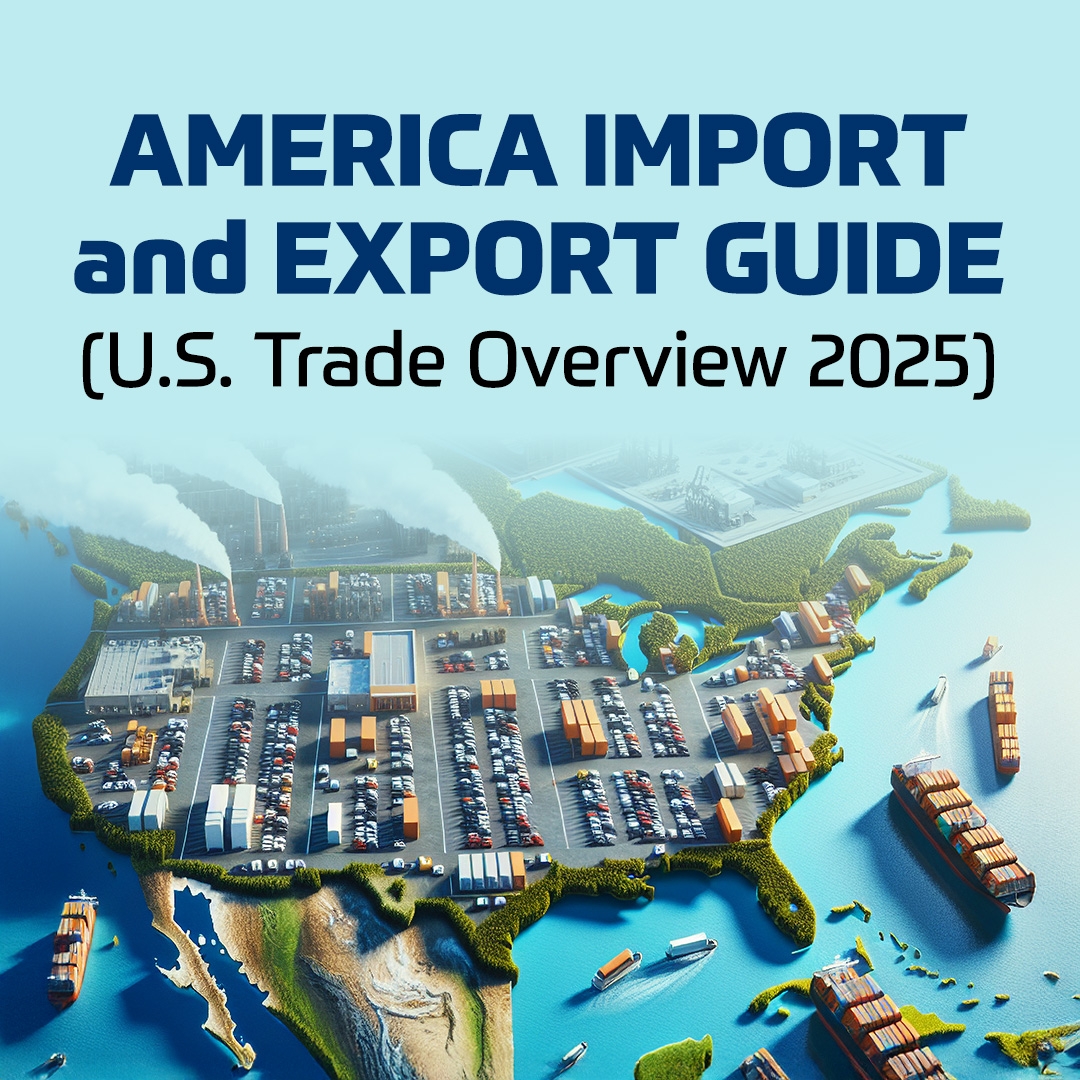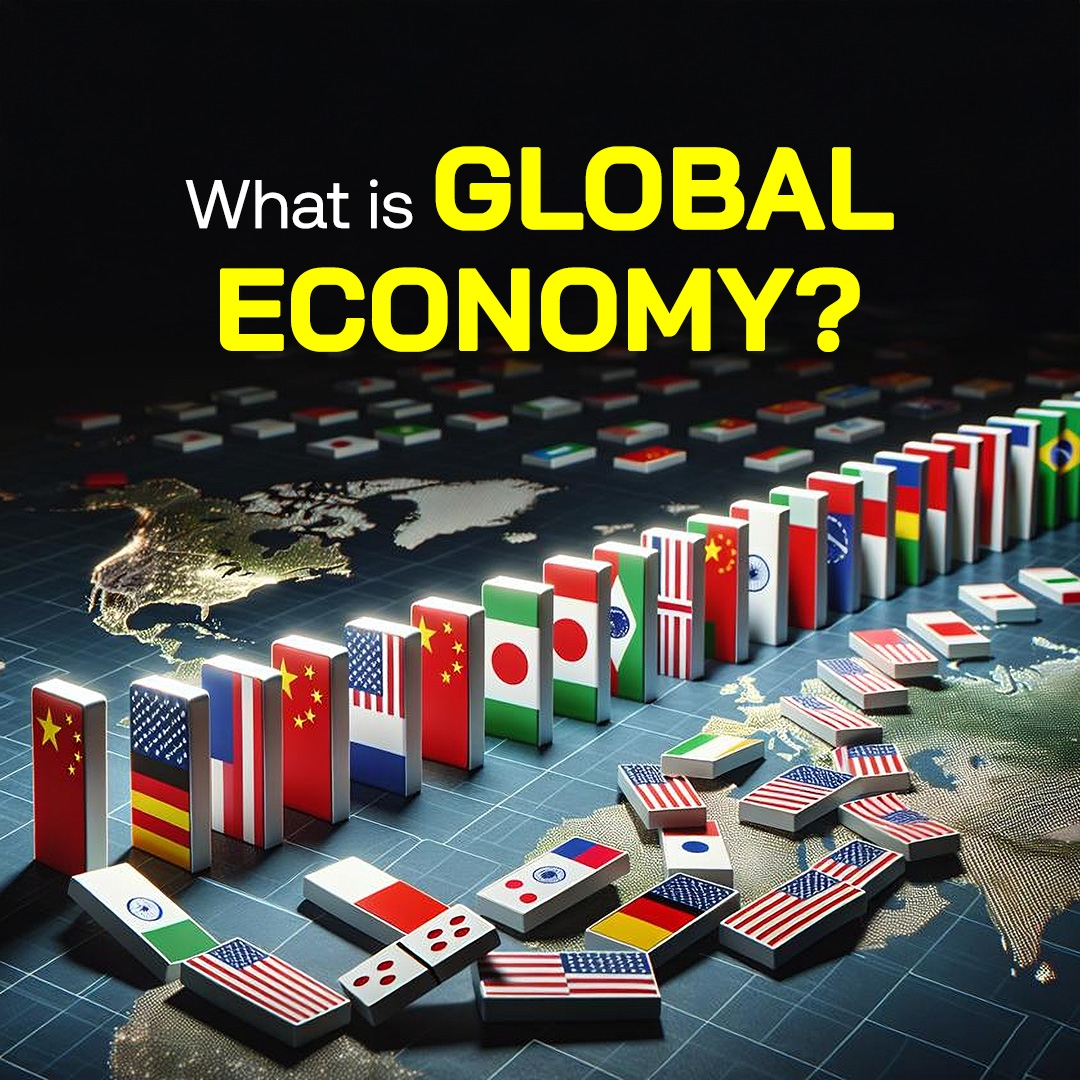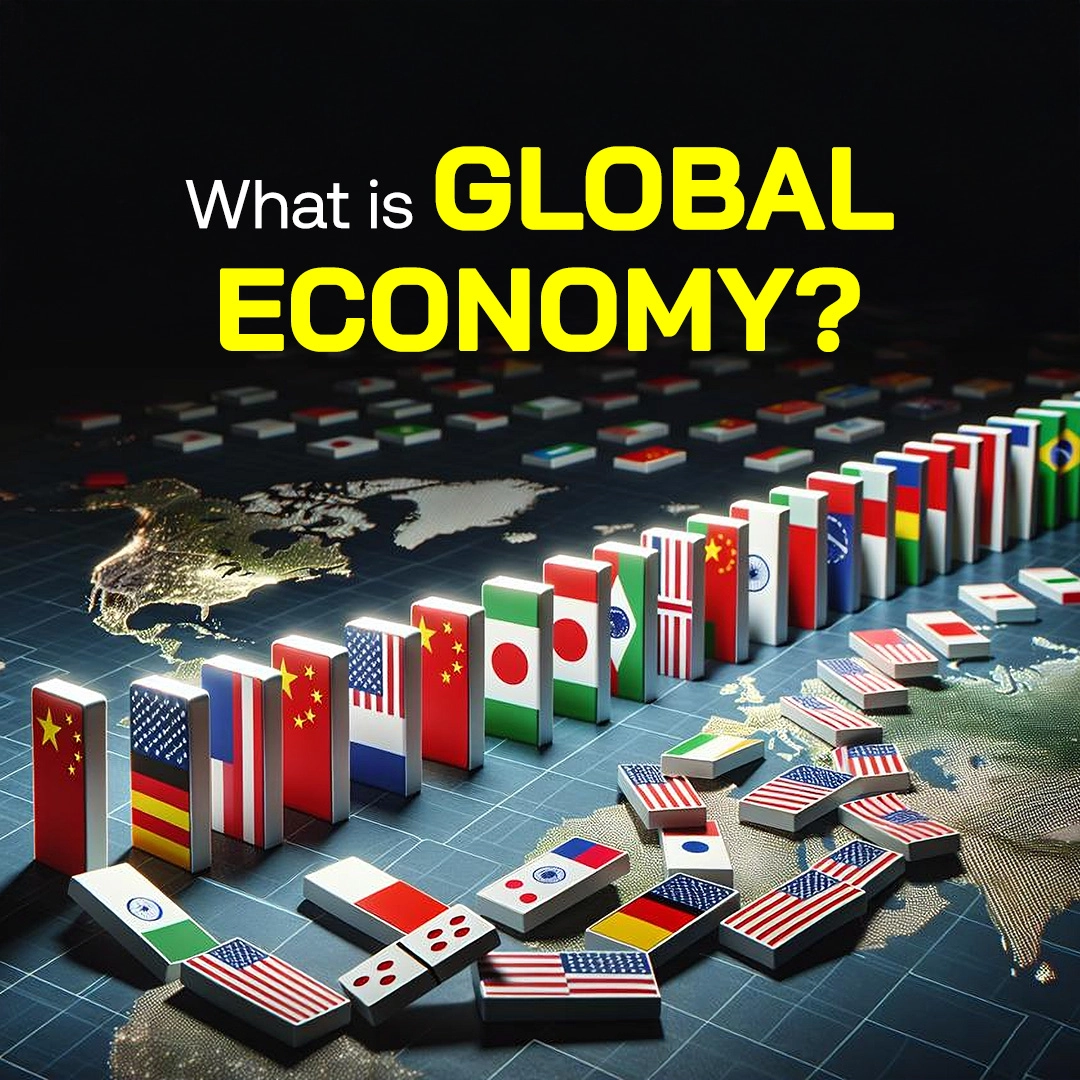
The term global economy refers to the interconnected economic activities and exchanges that take place worldwide. It encompasses the production, trade and consumption of goods and services that cross national borders, connecting countries, businesses and consumers into one massive economic system. Understanding the global economy definition is crucial for anyone involved in international trade, investment or policymaking. This guide explains the foundations, importance, workings, effects, benefits, challenges and future outlook of the global economy.
Building Blocks of the Global Economy
The global economy is built on key pillars such
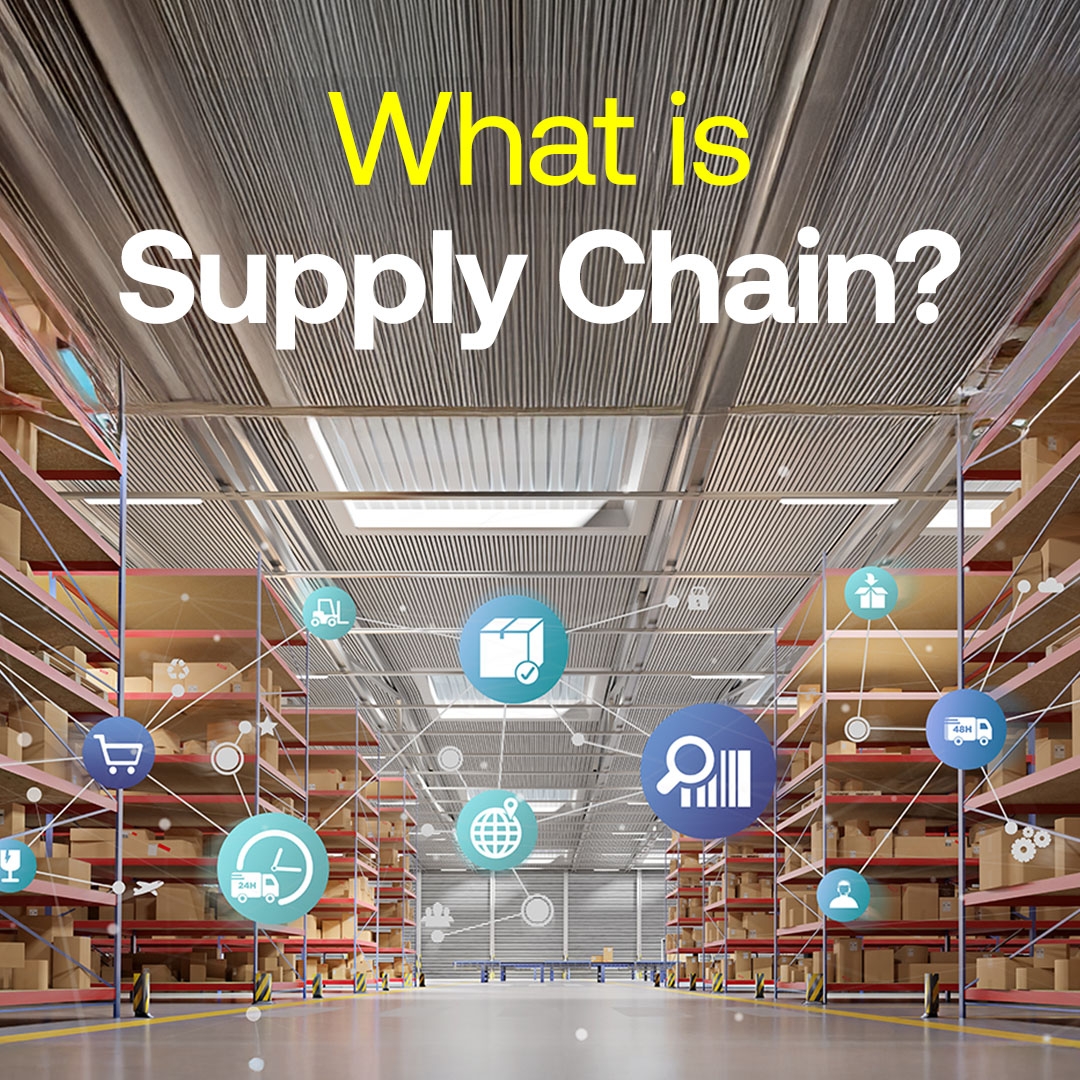
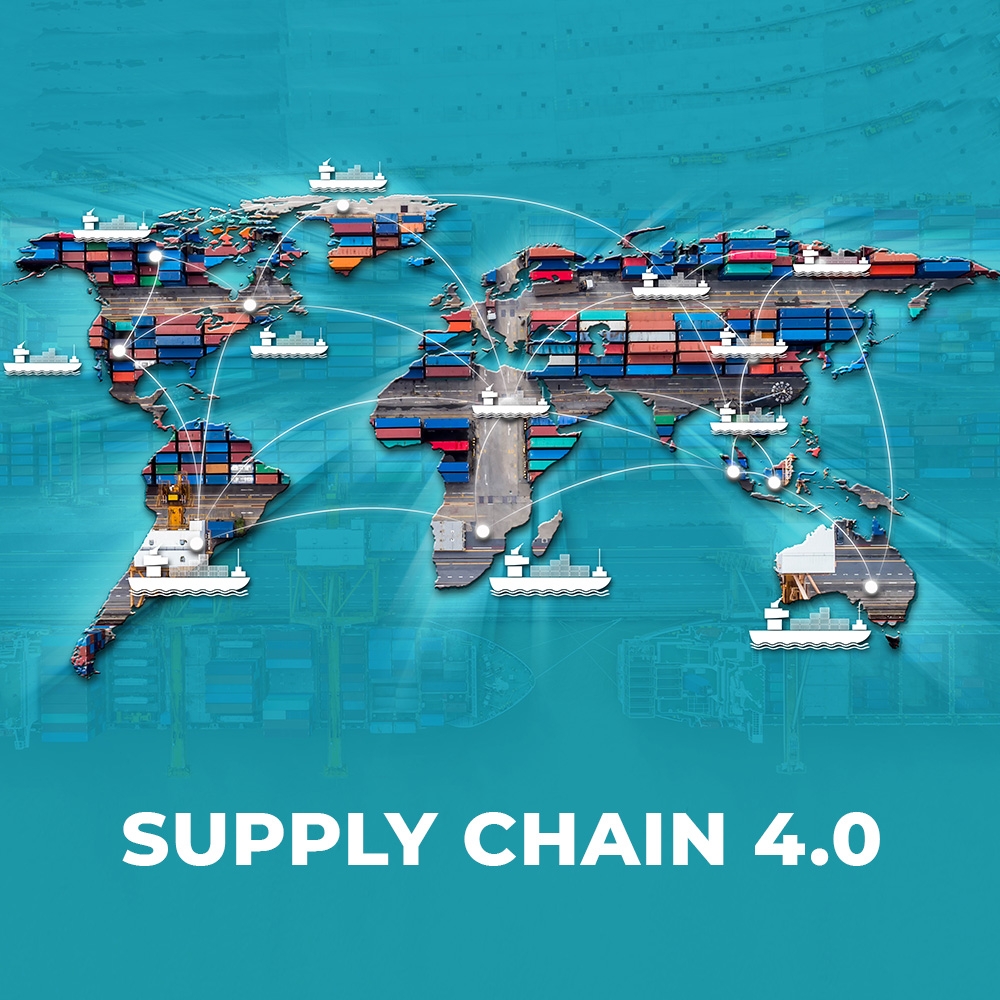
as international trade, cross-border investment, global supply chains,
multinational corporations and financial markets. Countries specialize in
producing certain goods and services more efficiently than others, driving
trade. Foreign direct investment allows companies to expand production
globally, while complex supply chains ensure that raw materials, intermediate
goods and finished products move seamlessly across borders. Currency exchange
markets and international banking systems enable smooth financial transactions
that fuel this vast network.
Importance of the Global Economy
The importance of the global economy lies in
how it promotes economic growth, innovation and cultural exchange. By tapping
into global markets, businesses can reach more customers and access resources
unavailable domestically. Consumers benefit from greater product variety and
competitive prices. Countries gain economic opportunities by participating in
global trade, lifting millions out of poverty over the last century. The development
of global economy has also driven advancements in technology, logistics and
communication.
Who Controls the Global Economy?
A common question is, who controls the
global economy? There is no single entity that governs it entirely.
Instead, various players influence it: major economies such as the United
States, China and the European Union; international organizations like the
World Trade Organization (WTO), International Monetary Fund (IMF) and World
Bank; and multinational corporations that have revenues surpassing some
countries’ GDPs. Policy decisions, trade agreements and fiscal strategies in
the biggest global economy regions significantly shape global trends.
How Does the Global Economy Work?
To explain global economy operations,
think of a vast network where supply and demand drive production and trade.
Countries export goods they produce efficiently and import what they lack.
Financial institutions facilitate capital flow, allowing businesses to invest
and expand. Governments set policies affecting tariffs, taxes and exchange
rates, influencing how open or restricted trade becomes. Technology connects
buyers and sellers across continents in seconds. This synergy keeps the global
economy by industry sectors, such as energy, manufacturing, agriculture and
services, running smoothly.
What Are the Effects of the Global Economy?
The global economy has both positive and
negative effects. On the positive side, it drives economic growth, creates jobs
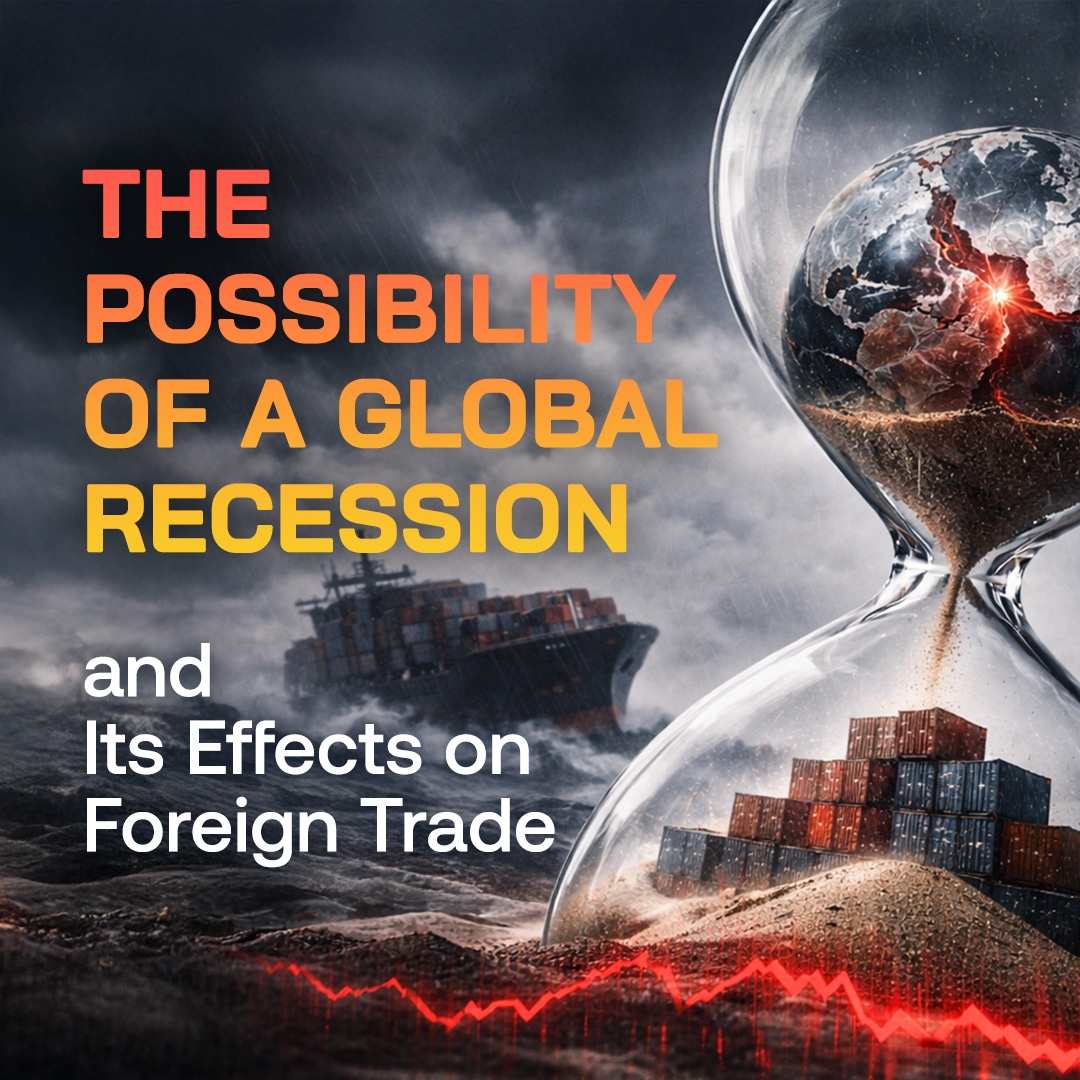
and improves living standards. However, it also means economic shocks in one
country can ripple across the globe, leading to issues like the global
economy crisis experienced during the 2008 financial meltdown or the
economic fallout from the COVID-19 pandemic. Globalization can widen the wealth
gap between and within nations, causing social and political tensions.
What Are the Benefits of the Global Economy?
The benefits of the global economy include
increased trade, economic diversity, innovation and cultural exchange.
Businesses gain access to larger markets and cheaper resources, fostering
competitiveness and efficiency. Consumers enjoy better quality products at
lower prices. Emerging economies often experience rapid growth by integrating
into global trade networks. As countries become economically interdependent,
they are more likely to collaborate and maintain peace.
Challenges of the Global Economy
Despite its benefits, the global economy faces
significant challenges. Economic inequality remains a persistent issue, with
wealth concentrated in the largest global economy nations while poorer
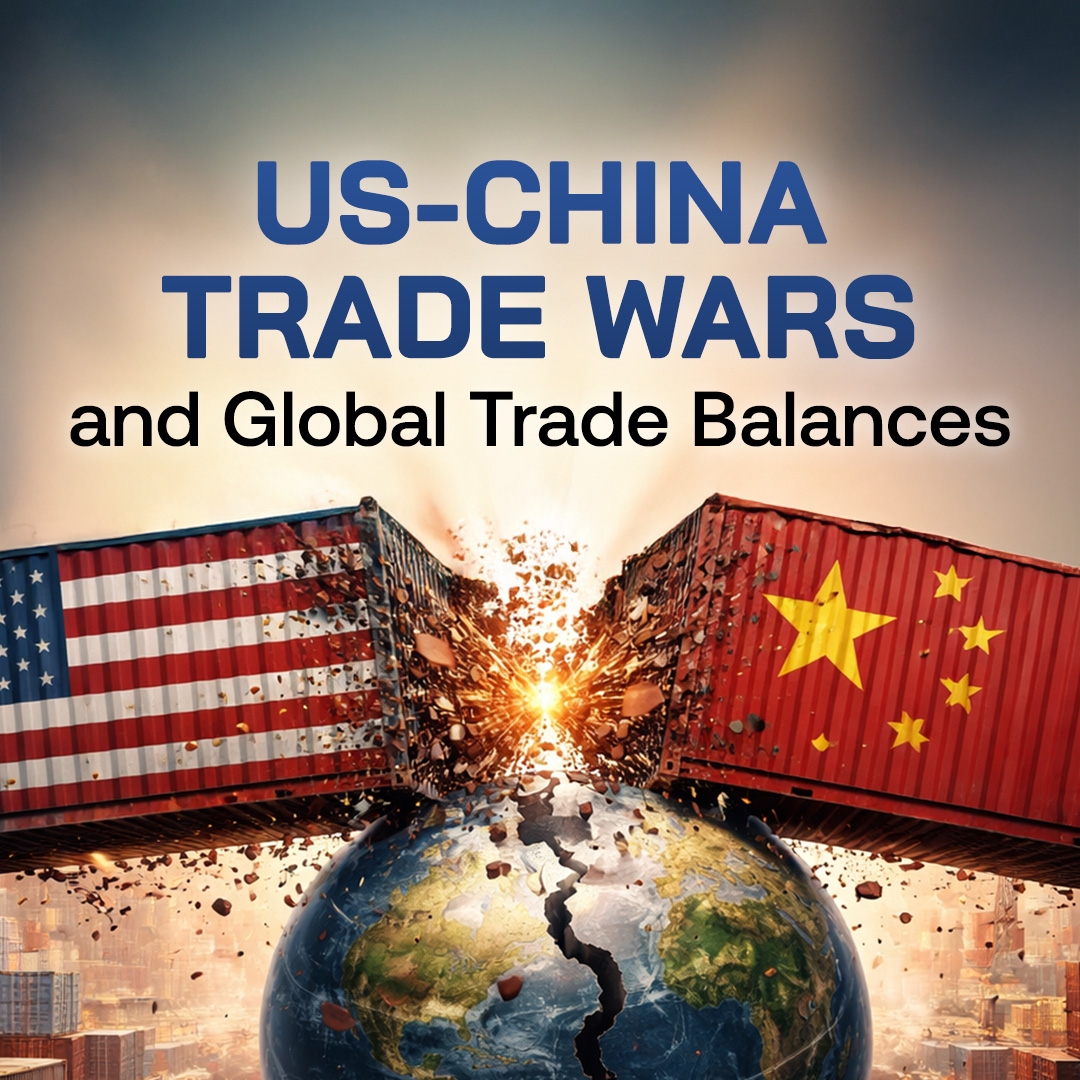
countries struggle to keep pace. Trade wars, protectionism and political
instability can disrupt global supply chains. Climate change and resource
depletion threaten long-term sustainability. Additionally, the digital divide
means not all countries benefit equally from technological progress.
Future of the Global Economy
The future of the global economy will likely be
shaped by technological innovation, sustainability efforts and shifting power
dynamics. Artificial intelligence, automation and green energy will redefine
industries and job markets. Emerging economies like India are poised to climb
the global economy rankings, challenging the dominance of current
leaders. The world’s response to climate change and pandemics will determine
how resilient and inclusive future global growth becomes. Tracking global
economy trends is vital for businesses and policymakers planning ahead.
Frequently Asked Questions About Global Economy
The following section answers some of the most
common queries people have when trying to understand what is the meaning of
global economy and how it impacts nations, businesses and everyday life. By
clarifying these frequently asked questions, we aim to make the complex world
of global economic interactions easier to grasp for everyone, from students to
professionals.
1. What are the 4 types of global economy?
When exploring the global economy meaning,
scholars often categorize it into four main types: traditional economies
(subsistence-based), command economies (state-controlled), market economies
(private enterprise-driven) and mixed economies (a blend of government and
private control). Modern global trade mostly involves market and mixed
economies.
2. What is the meaning of globalized economy?
The meaning of globalized economy refers to the
intensified interconnection of national economies through trade, investment and
information flow. It means products, services and ideas move rapidly across
borders, influencing local markets and cultures.
3. What is the importance of the global economy?
The importance of the global economy cannot be
overstated. It fuels growth, spreads innovation, creates employment
opportunities and promotes cultural understanding. It allows countries to
specialize, increasing efficiency and prosperity worldwide.
TradeAtlas: Empowering Businesses in the Global Economy
At TradeAtlas, we help businesses navigate the
complexities of the global economy by country, industry and region. Our
comprehensive data solutions provide insights into the global economy list,
track global economy by industry and offer up-to-date global economy rankings.
Whether you’re exploring the global economy of India, assessing global
economy worth or analyzing potential markets, TradeAtlas equips you with
the tools to succeed in an ever-evolving global marketplace.
If you want to grow your export import business in global markets, TradeAtlas will
be your trusted partner to navigate your operation at an international level.