In international trade, trust is one of the most critical yet fragile elements of a transaction. When buyers and sellers operate across borders, differences in legal systems, payment practices and business cultures can create uncertainty and risk. To reduce these risks and ensure secure transactions, many companies rely on escrow mechanisms. Understanding the escrow agreement meaning and how it works is essential for importers and exporters seeking safer trade operations.
This article explores what escrow is, how
escrow agreements function in foreign trade and when they should be used to
protect both buyers and sellers.
1. What is Escrow in Foreign Trade?
Escrow in foreign trade refers to a financial
arrangement in which a neutral third party temporarily holds funds, documents
or assets on behalf of two trading parties until predefined contractual
conditions are met. Instead of the buyer paying the seller directly, the
payment is deposited into an escrow account, where it remains secure until the
transaction requirements are fulfilled.
This system is widely used in cross-border
trade to minimize risks such as non-delivery, substandard goods, delayed
shipments or payment defaults. The escrow account definition centers on
neutrality, transparency and conditional release, ensuring that neither party
is unfairly exposed during the transaction process.
In international trade, escrow is particularly
valuable when:
- Parties are working together for the first
time
- High-value shipments are involved
- Political or economic risks exist
- Legal enforcement across borders is complex
2. What is an Escrow Agreement?
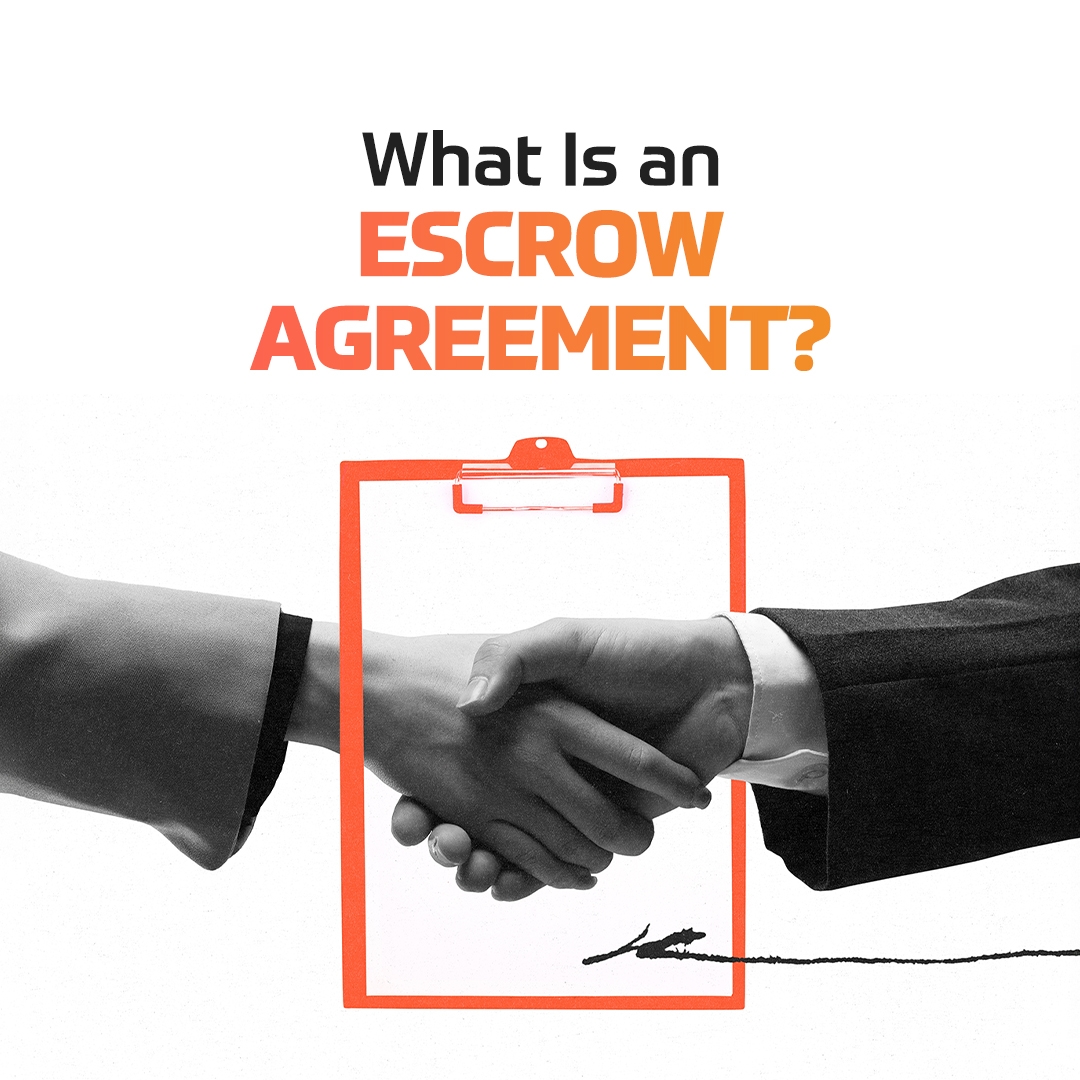
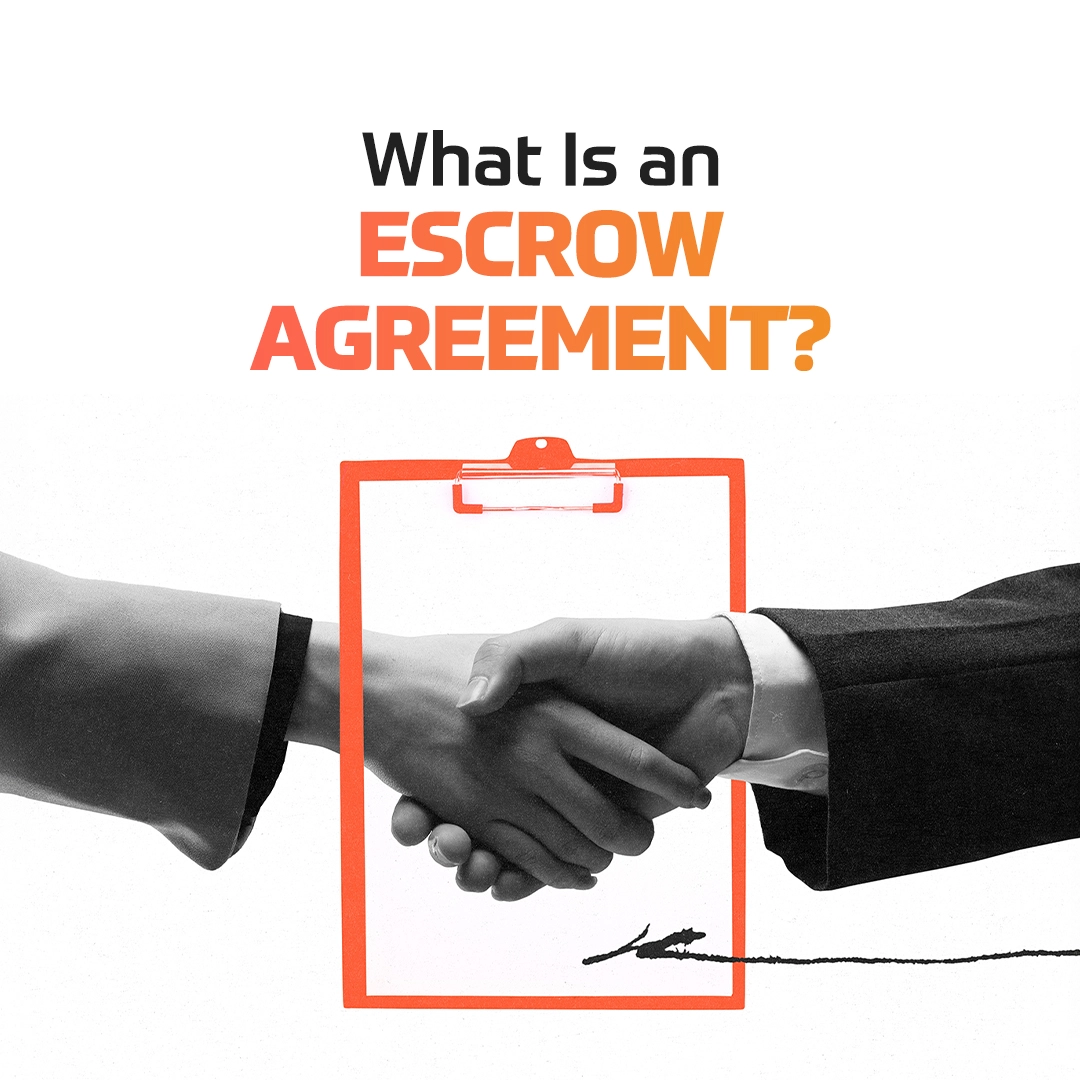
An escrow agreement is a legally binding
contract that defines the terms under which an escrow agent holds and releases
funds or assets. It clearly outlines the responsibilities of the buyer, seller
and escrow agent, as well as the conditions that must be met before the funds
are released.
In simple terms, the escrow agreement's meaning
can be described as a safeguard that ensures fair execution of a transaction.
The agreement specifies:
- The amount to be held in escrow
- The conditions for release
- Required documentation (such as bills of
lading or inspection reports)
- Dispute resolution mechanisms
A well-drafted escrow agreement is crucial in
foreign trade, as it protects both parties from fraud, misunderstandings and
contractual breaches.
3. How is Escrow Used?
Escrow is used as an intermediary payment and
control mechanism throughout the transaction lifecycle. The typical escrow
process in international trade follows these steps:
1. Buyer and seller agree on trade terms
2. An escrow agreement is signed
3. The buyer deposits funds into the escrow
account
4. The seller ships the goods or provides
services
5. Conditions are verified (inspection,
delivery confirmation, documentation)
6. Funds are released to the seller
This structured approach reduces uncertainty
and builds confidence, especially in long-distance trade relationships.
3.1. Is Escrow Reliable?
Escrow is widely regarded as a reliable
mechanism in international trade because it introduces a neutral third party
that protects the interests of both buyers and sellers. The reliability of
escrow comes from its structured and conditional nature: funds are only
released when predefined contractual obligations, such as delivery
confirmation, quality inspection or documentation approval, are fully met.
This significantly reduces common trade risks
like non-payment, fraud or shipment disputes. However, the effectiveness of an
escrow arrangement depends heavily on the credibility of the escrow service
provider and the clarity of the escrow agreement itself. When managed by
reputable institutions and supported by well-defined terms, escrow becomes a
powerful trust-building tool in cross-border transactions.
4. Use of Escrow in Import and Export
In import and export operations, escrow is
widely used to balance payment security and delivery assurance between
international trading partners. It is especially common in transactions
involving machinery, industrial equipment, raw materials, bulk commodities and
customized or made-to-order products, where production and shipment timelines
may be long. Escrow acts as a practical alternative to advance payment and open
account terms by ensuring that funds are securely held until contractual
obligations are fulfilled.
From an importer’s perspective, escrow provides
protection against risks such as late delivery, incorrect specifications or
quality issues, as payment is only released after verification conditions are
met. For exporters, escrow offers reassurance that the buyer’s funds are
already secured, reducing concerns about non-payment or last-minute
cancellations. A typical escrow agreement example in import and export
trade involves the buyer depositing funds into an escrow account, the seller
shipping the goods according to agreed specifications and the escrow agent
releasing payment only after delivery documents and inspection reports are
approved, making escrow a reliable tool for managing cross-border trade risk.
5. Advantages of Escrow in Foreign Trade
Using escrow in international trade offers
several key advantages:
Risk Reduction: Protects against non-delivery or non-payment.
Trust Building: Encourages cooperation between new trade
partners.
Financial Security: Funds are safeguarded until obligations are
fulfilled.
Transparency: Clear conditions minimize disputes.
Flexibility: Can be tailored for complex transactions.
Additionally, escrow arrangements can be
combined with compliance tools, such as a code escrow agreement,
especially in technology-driven or software-based international trade deals.
6. When Should Escrow Agreements Be Used in Trade?
Escrow agreements are particularly useful in
the following situations:
- First-time international transactions
- High-value import or export contracts
- Long production or delivery cycles
- Countries with higher political or financial
risk
- Customized or non-standard goods
Choosing escrow is a strategic decision that
balances cost, security and operational efficiency. While escrow may involve
additional fees, the protection it offers often outweighs the expense.
7. How TradeAtlas Supports Secure Trade Decisions
Understanding escrow mechanisms is only one
part of managing international trade risks. Data-driven decision-making plays a
crucial role in selecting reliable partners, evaluating markets and structuring
safer contracts.
TradeAtlas helps importers and exporters
analyze global trade flows, verify counterparties and assess market reliability
using official customs data. By combining trade intelligence with secure
payment structures like escrow, companies can reduce uncertainty and build
sustainable international trade relationships with confidence.
In today’s complex global trade environment,
secure payment mechanisms such as escrow agreements are most effective when
supported by accurate and reliable trade intelligence. Platforms like
TradeAtlas empower importers and exporters by providing access to a
comprehensive customs info database, enabling businesses to verify trading partners, analyze shipment
histories and assess market credibility before entering into escrow-based
transactions. By combining escrow agreements with data-driven insights,
companies can significantly reduce operational risks, enhance compliance and
make more informed decisions in international trade.