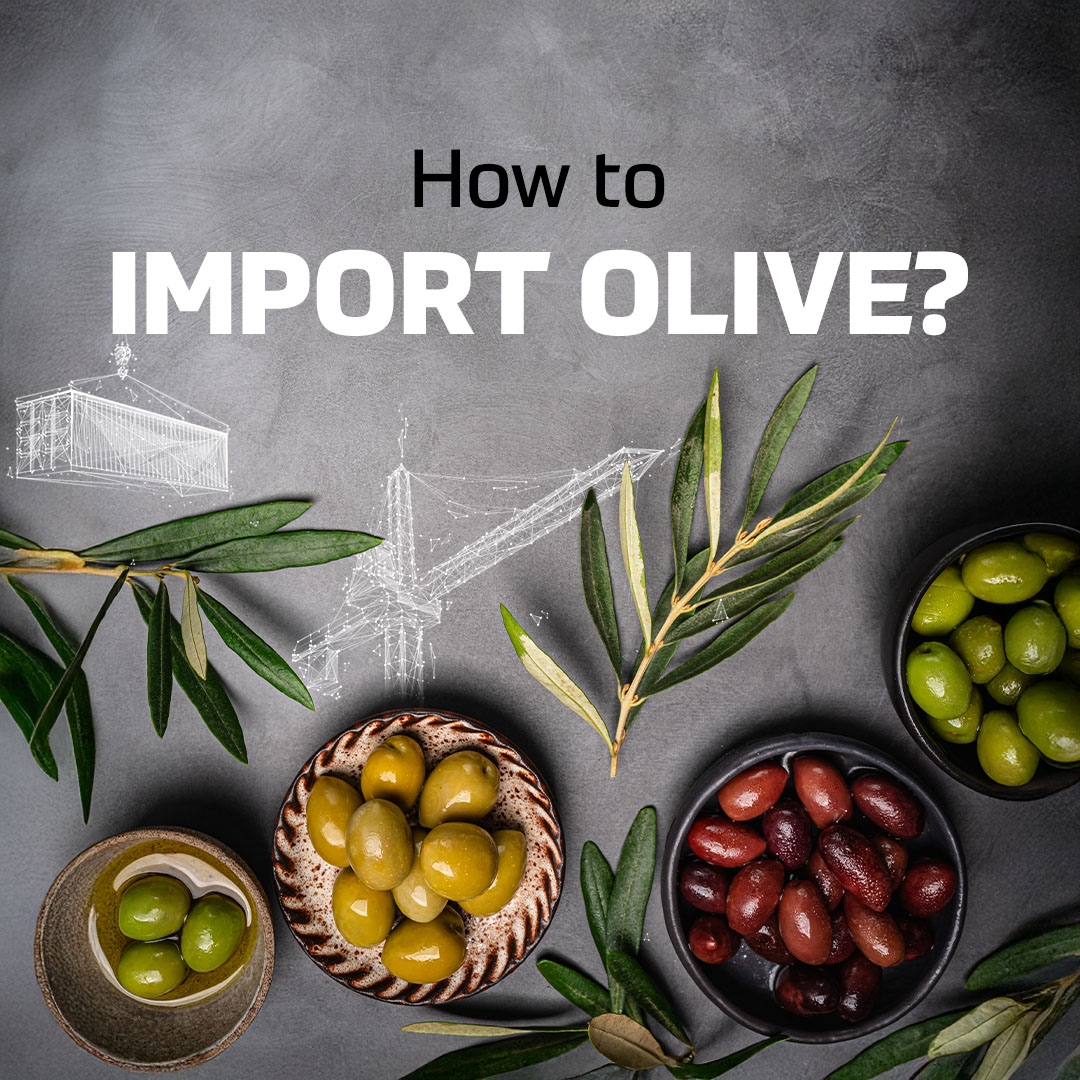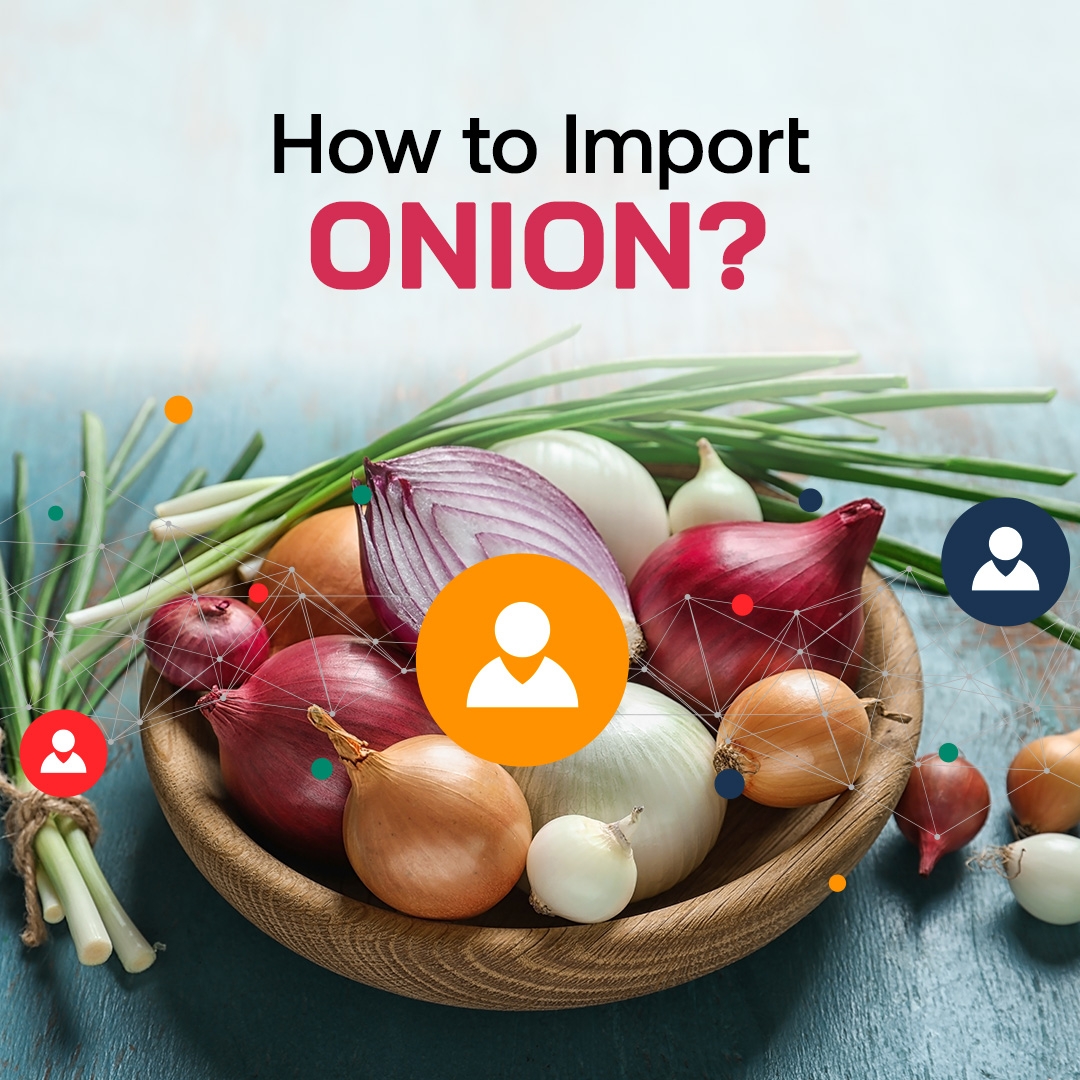
Onions are among the most essential vegetables in global culinary use, found in nearly every cuisine worldwide. As demand grows due to increasing consumption in restaurants, food processing industries and households, the onion import market presents a lucrative opportunity for traders and businesses. This guide will help you understand the process of importing onions successfully and navigating regulatory, logistical and market challenges.
1. Steps to Import Onion Successfully
To successfully manage an onion import
operation, importers must follow a structured approach:
Market Research: Begin by identifying top onion importing
countries, analyzing trends, seasonal demand and wholesale prices.
Countries with consistent onion shortages or unstable domestic supply are the
most promising markets.
Find Reliable Exporters: Work with certified suppliers in
major onion-exporting countries such as India, China, Pakistan and the
Netherlands. Evaluate exporters based on pricing, onion variety, packaging and
logistics capability.
Negotiate Trade Terms: Establish a clear agreement on
trade terms (Incoterms), payment methods and delivery schedules. Secure
contracts that align with international trade standards and protect both
parties.
Plan Shipping and Logistics: Coordinate with freight forwarders
to choose the best shipping route and transportation method. Onions are
perishable, so selecting the correct container (ventilated or reefer
containers) is essential.
Customs Clearance and Delivery: Ensure all import documents are in
order for a smooth customs process. Once cleared, onions should be delivered
quickly to avoid quality deterioration.
1.1. Onion Import Data
Understanding onion import volumes and trends
helps traders adapt to market dynamics. For example, countries like Bangladesh,
Malaysia and the UAE see seasonal spikes in imports, especially when local
production declines. Global onion importing countries are constantly
seeking reliable data sources for informed decision-making.
1.2. Onion Export Data
Onion import export statistics show that India remains one of the
largest exporters, followed by countries like the Netherlands and Egypt.
Tracking onion export data helps identify preferred varieties, top buyers and
shipment routes.
For example, if you want to access
country-based import export data, such as the Malaysia onion importers list,
TradeAtlas is a reliable data provider of foreign trade.
2. Onion Import Procedures and Documentation
Importing onions requires strict compliance
with sanitary and phytosanitary (SPS) measures. Common procedures include:
- Import License (if required)
- Phytosanitary Certificate (from the exporter)
- Certificate of Origin
- Commercial Invoice and Packing List
- Bill of Lading or Airway Bill
- Customs Declaration Form
Ensure the imported onions meet the quality and
pesticide residue standards of the onion import country. Failure to
comply can result in shipment rejection or penalties.
3. Key Importers for Onion Import
Let’s explore some significant markets and
leading importers that contribute to the onion import export trade:
3.1. Onion Importers in Sri Lanka
Sri Lanka is heavily reliant on imported onions
due to limited domestic production. Imports mainly come from India and price
volatility in the Indian market significantly impacts Sri Lankan buyers.
3.2. Dubai Onion Importers List
Dubai acts as a trade hub for agricultural
products, including onions. The Dubai onion importers list includes
wholesalers, supermarkets and re-exporters who distribute to neighboring Gulf
countries.
3.3. Onion Importers in Vietnam
Vietnam’s growing food processing and
hospitality industries create a stable demand for onions. Importers focus on
sourcing affordable, high-quality onions, particularly from India and China.
3.4. Onion Import from Pakistan to India
The onion trade between India and Pakistan is
sensitive due to political dynamics. However, in certain years, bilateral
agreements temporarily allow onion import from Pakistan to India, especially
during shortages.
3.5. Onion Importer in USA
The United States imports onions mainly to
supplement domestic production during the off-season. Key suppliers include
Mexico and Canada. The United States' importers prioritize food safety
compliance and cold chain logistics.
3.6. Onion Importers in Saudi Arabia
Saudi Arabia is among the top onion importing
countries, purchasing large volumes from India and Egypt. Importers include
wholesale distributors and supermarket chains.
3.7. Bangladesh Onion Importers List
Bangladesh experiences regular onion shortages
and high prices, especially during floods or export bans from India. The
Bangladesh onion importers list includes both government and private sector
buyers.
3.8. Onion Importers in Bahrain
Bahrain imports onions from India, Pakistan and
Turkey. The demand is driven by the local population and re-export trade to
nearby Gulf countries.
3.9. Onion Importers in UAE
The UAE is a leading onion import country, with
significant volumes entering via Jebel Ali Port. Imports are used for both
domestic consumption and re-export to African and Asian markets.
3.10. Onion Importers UK
The UK imports onions mainly from the
Netherlands, Spain and Egypt. British importers look for high-quality yellow
and red onions suited for supermarket shelves and food processing.
3.11. Onion Importing Countries from India
India is a dominant player in the onion trade.
The major onion-importing countries from India include Malaysia, Bangladesh,
the UAE, Sri Lanka and Vietnam.
4. Onion Import Business Opportunities
There are significant business opportunities in
the onion import export sector:
Seasonal Arbitrage: Importers can profit from price differences
between harvest seasons across countries.
Processing and Packaging: Value addition through packaging or
dehydration increases profit margins.
Wholesale Distribution: Selling to large retailers, food
processors and caterers ensures bulk sales.
Re-Export Potential: Countries like the UAE and
Singapore act as re-export hubs, offering traders double market exposure.
The onion import business is ideal for traders
who can manage logistics, maintain quality and adapt to volatile market
conditions.
5. Global Onion Trade Trends and TradeAtlas Insights
TradeAtlas offers in-depth insights into global
onion import and export trends through comprehensive trade data. Users can:
- Analyze historical onion shipment volumes
- Discover new onion-importing countries
- Track competitor shipments and pricing
- Identify top suppliers and buyers by country
With access to real-time customs data and
AI-powered analytics, TradeAtlas helps businesses make data-driven decisions
and stay competitive in the onion import industry.
The onion import business is a growing sector
shaped by seasonality, regional demand and price fluctuations. Whether you are
targeting top onion-importing countries or analyzing trends in onion import
export, understanding procedures, documentation and reliable trading partners
is crucial for success. Leveraging platforms like TradeAtlas enhances your
ability to find accurate data, connect with verified buyers and identify
untapped markets.
For detailed information on the subject of strawberry import, you can review the content “How to Import Strawberry?”.