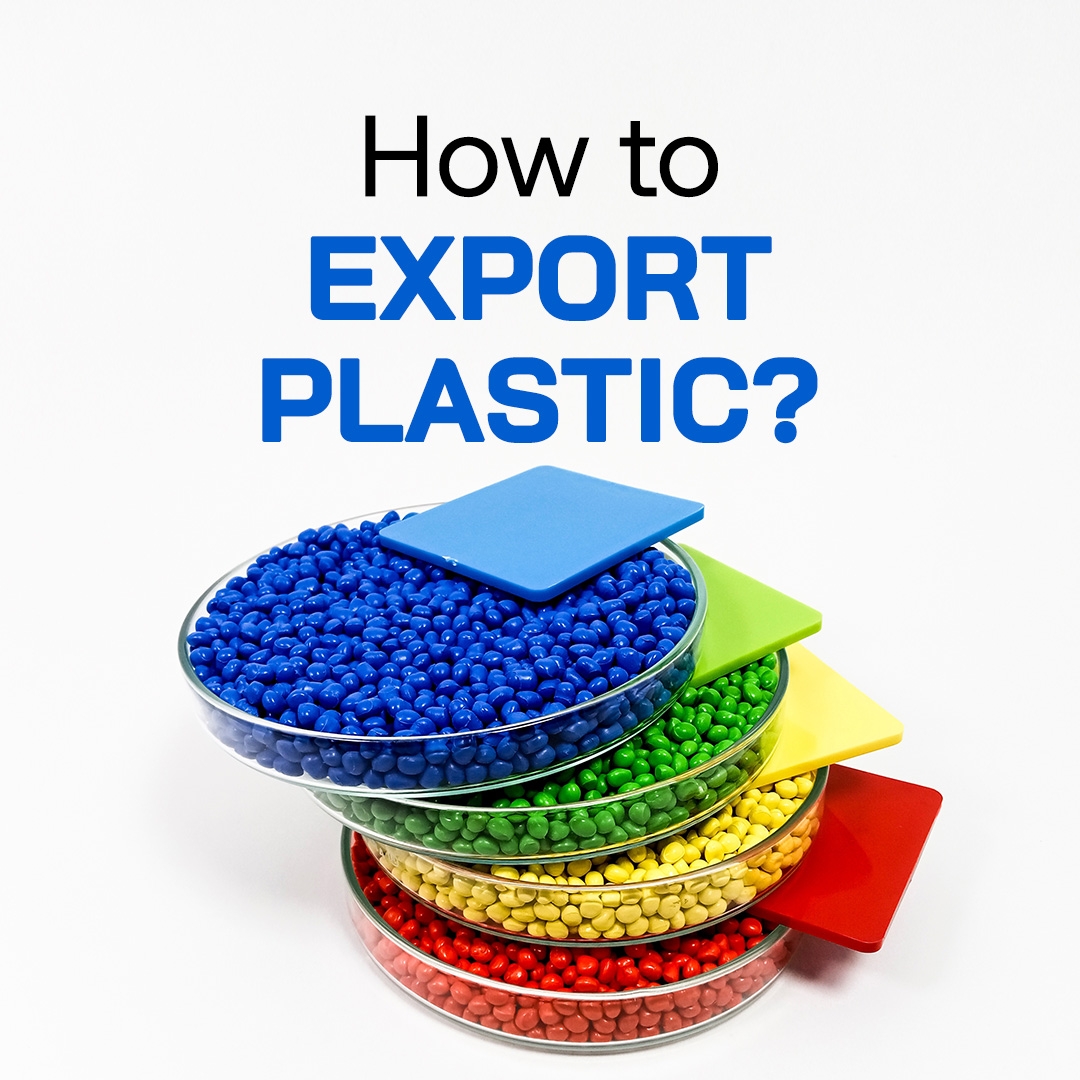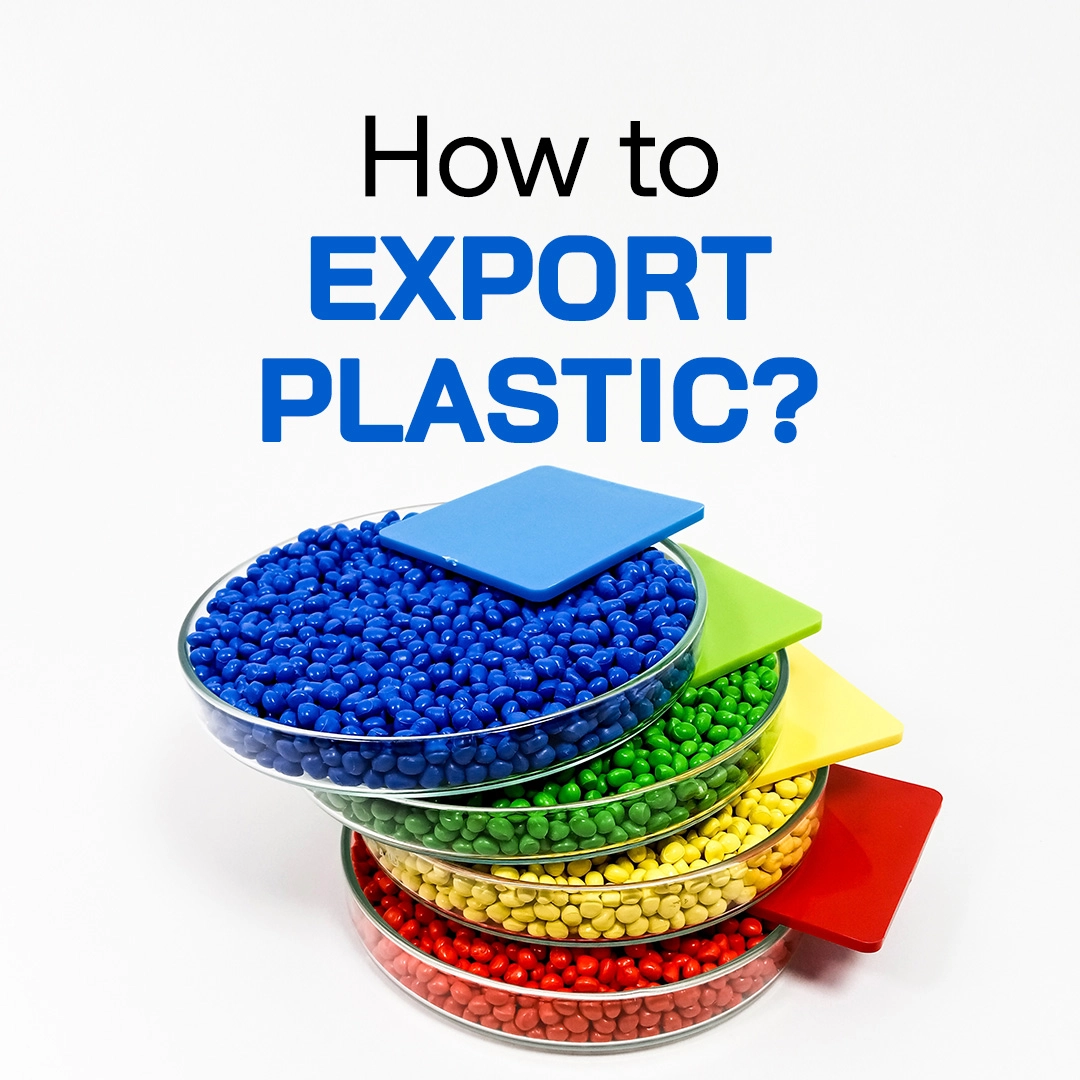
Plastics are among the most widely used materials in the modern world, with applications ranging from packaging and consumer goods to industrial machinery and construction materials. The global plastic trade is massive, covering everything from raw polymer resins to finished plastic products and even waste plastic export markets. For exporters, understanding the steps, regulations and opportunities in this industry is essential to maximize profitability and remain compliant with international standards. This guide explains how to successfully navigate the plastic export process, with insights into data, documentation, country-specific markets and business opportunities.
1. Steps to Export Plastic Successfully
Exporting plastic products requires careful
planning and adherence to international regulations and standards. Below are
the key steps for a successful operation:
Market Research: Begin by analyzing plastic export data to
identify demand in different countries. Understand which nations import the
most plastic and the specific types they require.
Identify Buyers: Use trade intelligence platforms like
TradeAtlas to connect with importers and verify their credibility.
Compliance: Ensure that your plastic products meet safety
and environmental standards, including restrictions on hazardous additives.
Documentation: Prepare all necessary export documents such as
invoices, packing lists, certificates of origin and shipping documents.
Logistics: Choose the right transportation method
depending on the type of plastic (raw material, finished goods or waste).
Payment Terms: Negotiate secure payment methods such as
letters of credit or bank guarantees.
1.1. Plastic Export Data
Plastic export data provides crucial insights into the global
trade environment. It includes volumes, values, top exporting countries and
trends in specific product categories. For example, polypropylene and
polyethylene dominate the raw plastic export market, while consumer goods like
bottles and containers also contribute significantly. Reliable access to this
data helps businesses make informed decisions and identify profitable target
markets.
1.2. Plastic Import Data
Understanding plastic import data is equally
important. Import data shows which countries are the biggest buyers of plastic
and the specific types they demand. For instance, many Asian and African
nations import large quantities of finished plastic products, while Europe
emphasizes recycled plastics and sustainable alternatives. By comparing export
and import data, businesses can identify market gaps and align their strategies
effectively.
2. Plastic Export Procedures and Documentation
Exporting plastic requires compliance with
strict international procedures. The core documentation includes:
Commercial Invoice: Details product description, value and buyer
information.
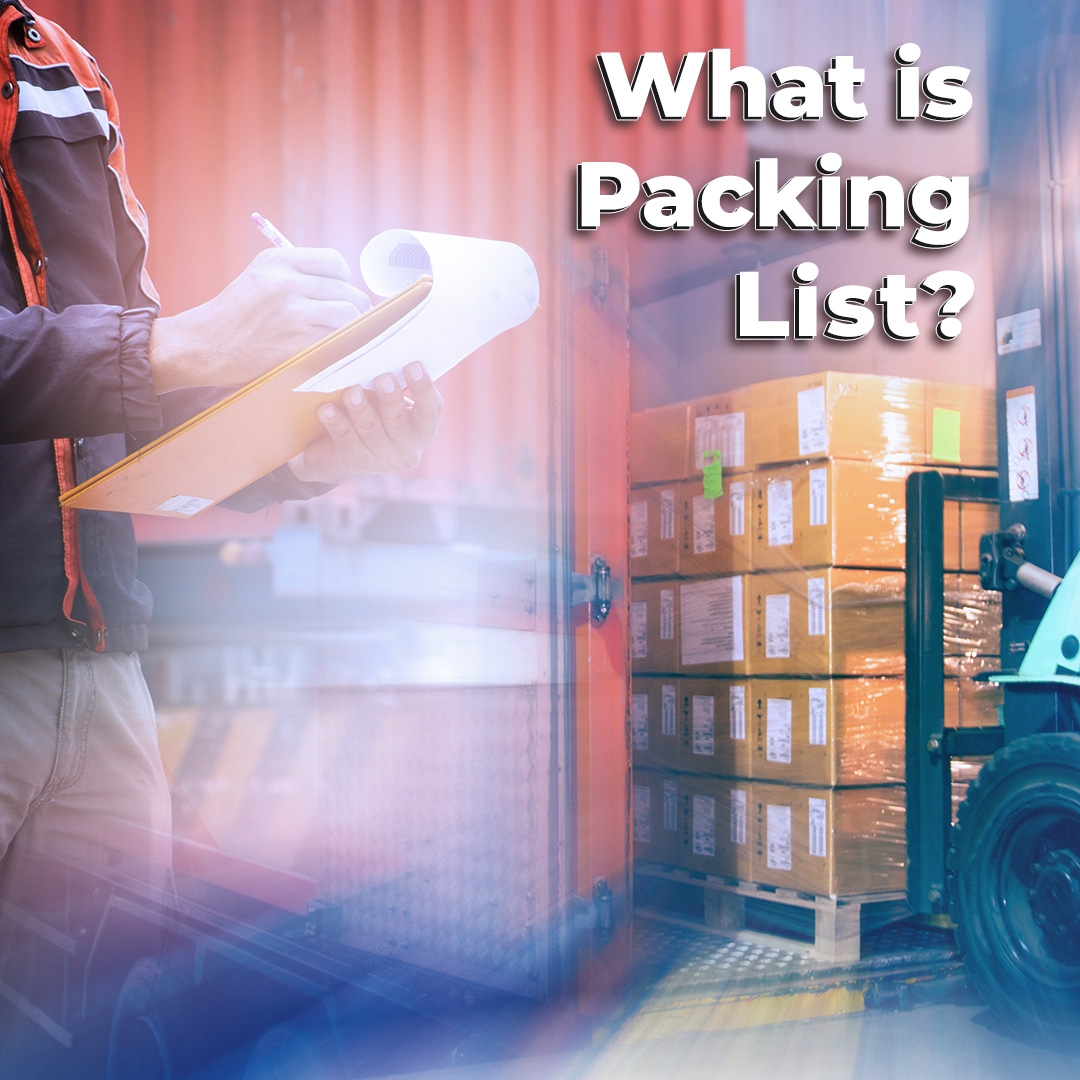
Packing List: Specifies product weight, packaging and
shipment details.
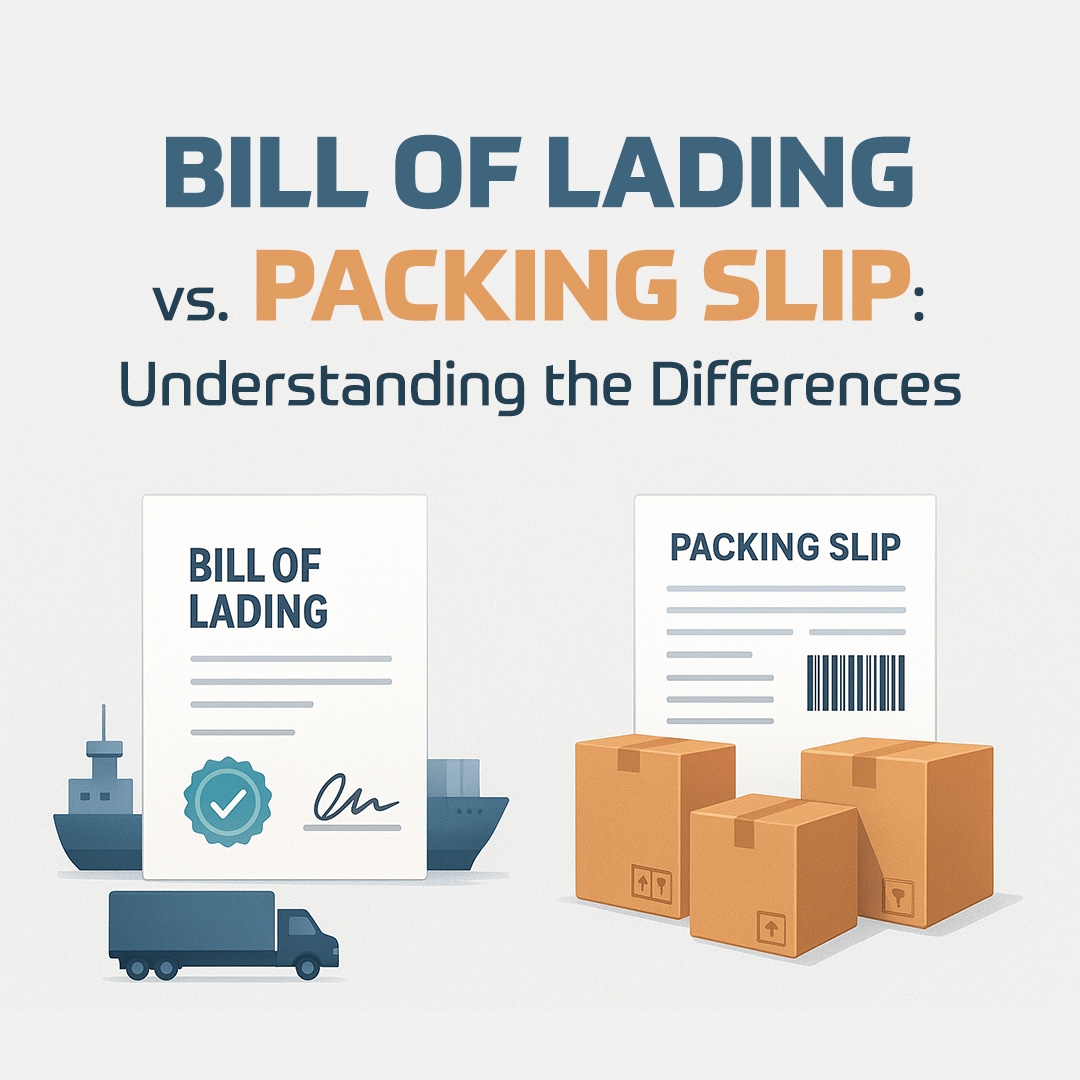
Bill of Lading: The transport contract between the shipper and
carrier.
Certificate of Origin: Verifies where the plastic was
produced.
Quality and Compliance Certificates: May be required if exporting
recycled or waste plastics, due to environmental regulations.
Many countries also require exporters to comply
with Basel Convention rules, particularly for waste plastic export, ensuring
safe and environmentally responsible trade.
3. Plastic Export by Country
The global plastic export market is dominated
by a few major players, each contributing significantly to international trade.
Export performance often depends on a country’s production capacity, trade
agreements and focus on sustainable practices. By studying plastic export data,
businesses can identify which countries are emerging as new exporters and
adjust their strategies accordingly.
3.1. Plastic Export from India
India has become a strong player in the plastic
export sector. The country exports a wide range of products including raw
materials, pipes, films and packaging solutions. Indian exporters benefit from
competitive pricing and a growing manufacturing base. Major destinations
include the Middle East, Africa and Europe.
3.2. China Plastic Export
China is the world’s largest producer and
exporter of plastic goods, ranging from raw materials to consumer products.
With advanced manufacturing facilities and economies of scale, China dominates
in categories such as packaging materials, household goods and industrial
plastics. However, due to increasing global sustainability concerns, exporters
from China must ensure compliance with environmental regulations, especially in
the case of waste plastic export.
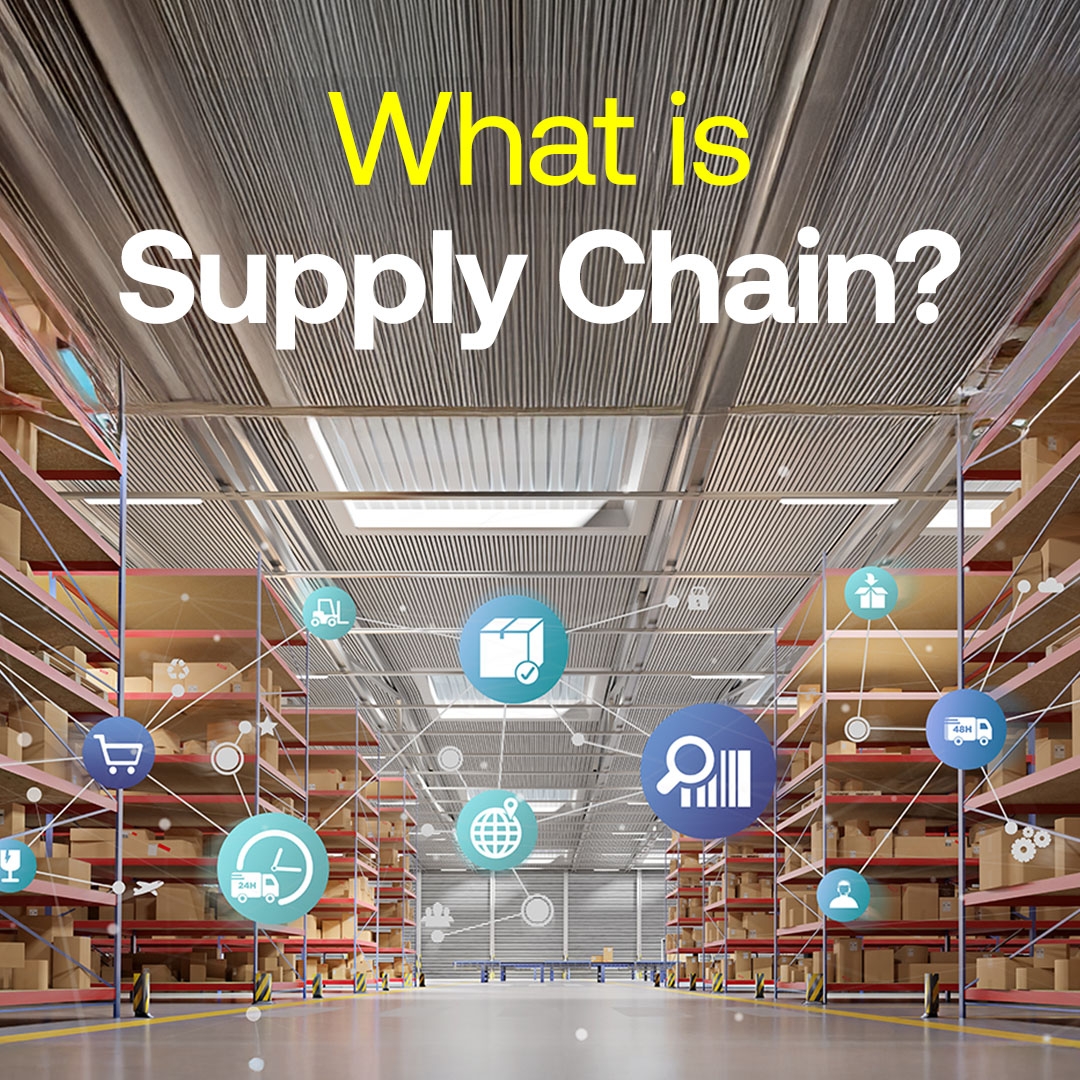
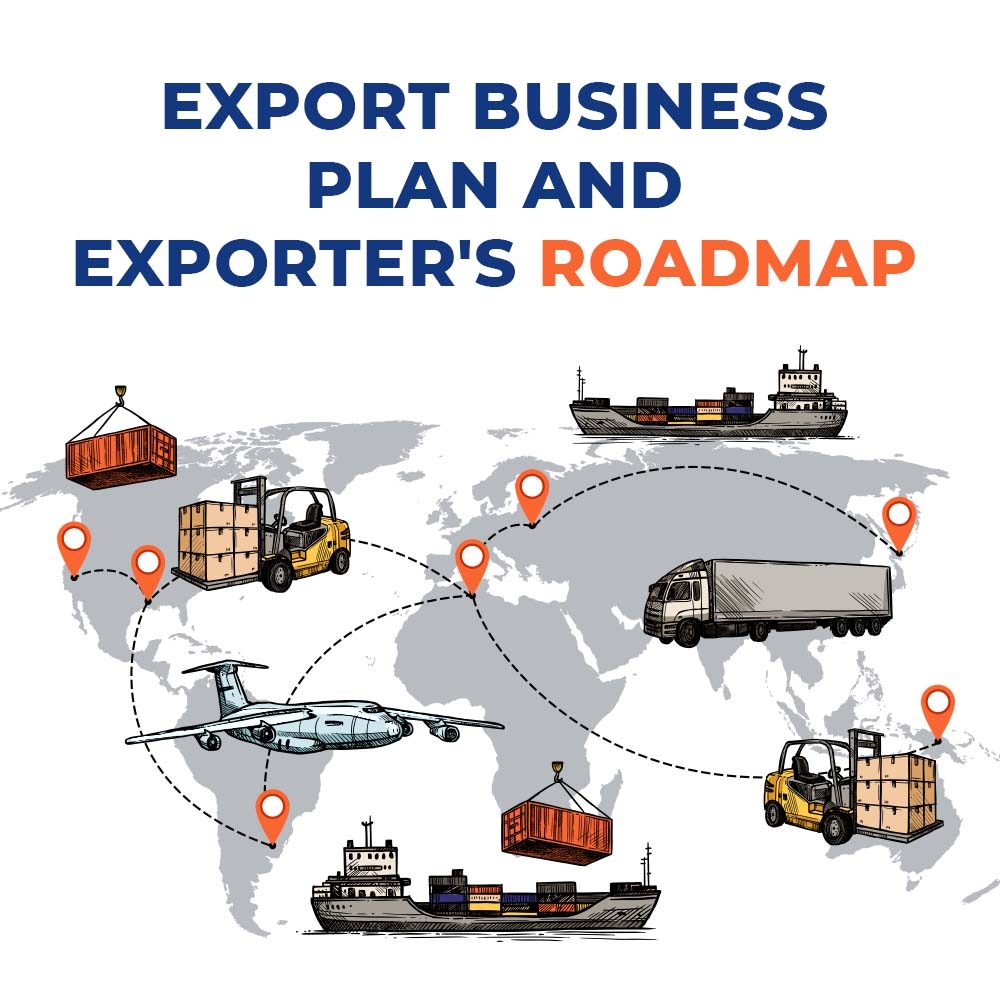
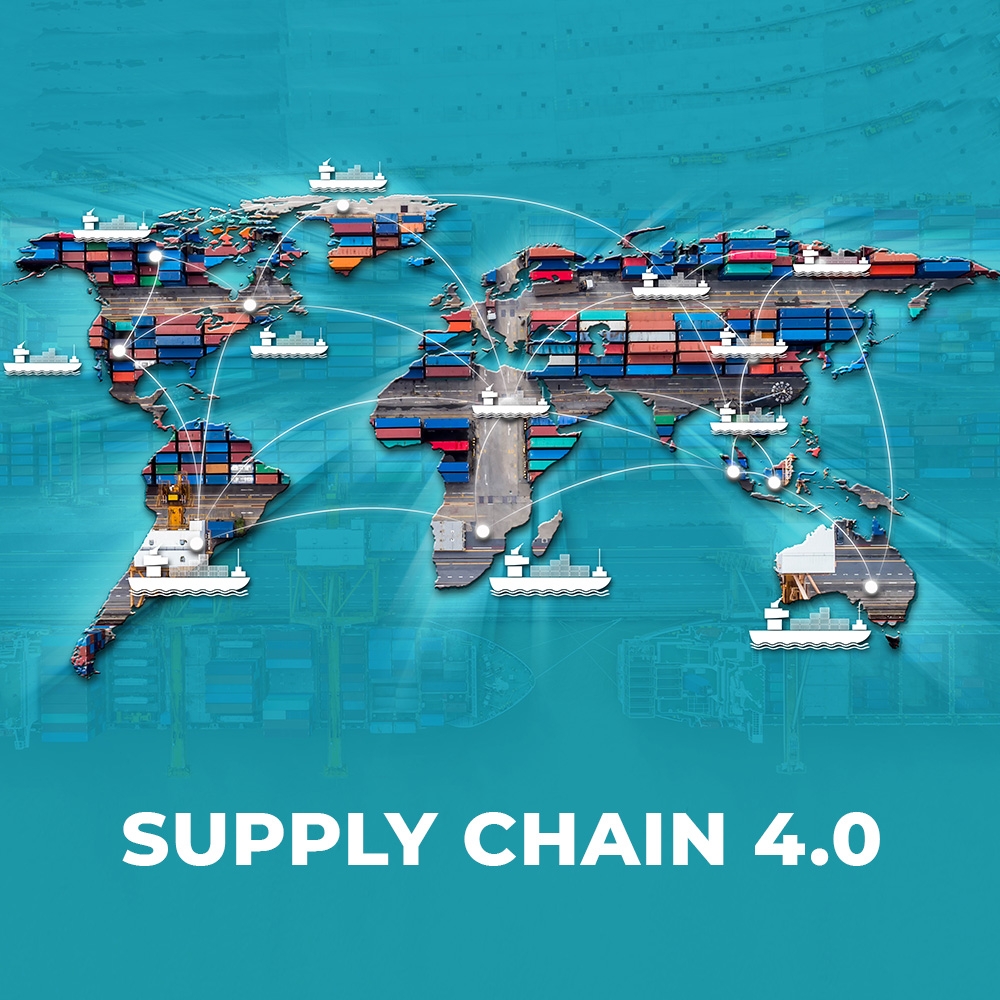
4. Plastic Export Process: From Farm to Market
Although plastics do not come from farms, the
export process, from production to international markets, follows a structured
cycle similar to agricultural supply chains. The process begins with polymer
production from crude oil or natural gas, which is then processed into resins,
sheets or molded products. These items are packed, documented and shipped to
international markets. At the final stage, distributors and retailers deliver
them to end consumers. Efficient supply chain management ensures cost savings
and timely delivery.
5. Largest Plastic Exporter in the World
China holds the position of the largest plastic
exporter globally, followed by countries such as Germany, the United States and
South Korea. China’s dominance is due to its massive production capacity and
cost advantages. Germany, on the other hand, is renowned for exporting
high-quality engineered plastics, while the United States leads in advanced
polymers and specialized plastic applications.
6. Plastic Export Business Opportunities
Plastic exports present numerous business
opportunities. With global demand for packaging, construction materials and
consumer goods on the rise, exporters can target diverse markets. Additionally,
the growing push for recycling creates strong prospects in waste plastic
export, where countries import recyclable plastics to feed their circular
economies. Entrepreneurs entering this industry should focus on sustainability,
innovation and leveraging plastic export data to find profitable markets.
7. TradeAtlas: Unlock Global Plastic Export Potential
Plastic exports are a vital component of
international trade, connecting producers, manufacturers and end-users across
continents. By understanding the procedures, analyzing plastic export data and
exploring opportunities in waste plastic export, businesses can position
themselves for growth and long-term success. Leveraging platforms like
TradeAtlas ensures that exporters stay competitive and compliant while
maximizing their global reach.
Finding reliable buyers and analyzing trade
opportunities in the plastic industry can be challenging without access to
reliable data. With TradeAtlas, exporters gain access to billions of trade
records, covering both plastic export data and plastic import data from around
the world. Whether you want to expand into new markets, track competitors or
connect with verified buyers, TradeAtlas provides the intelligence needed to
succeed in the competitive plastic trade industry.
You can search for global plastic buyer and
seller companies using the plastic HS code on the TradeAtlas search screen. It is one of the easiest ways to reach
global importers and exporters in the international plastic industry.