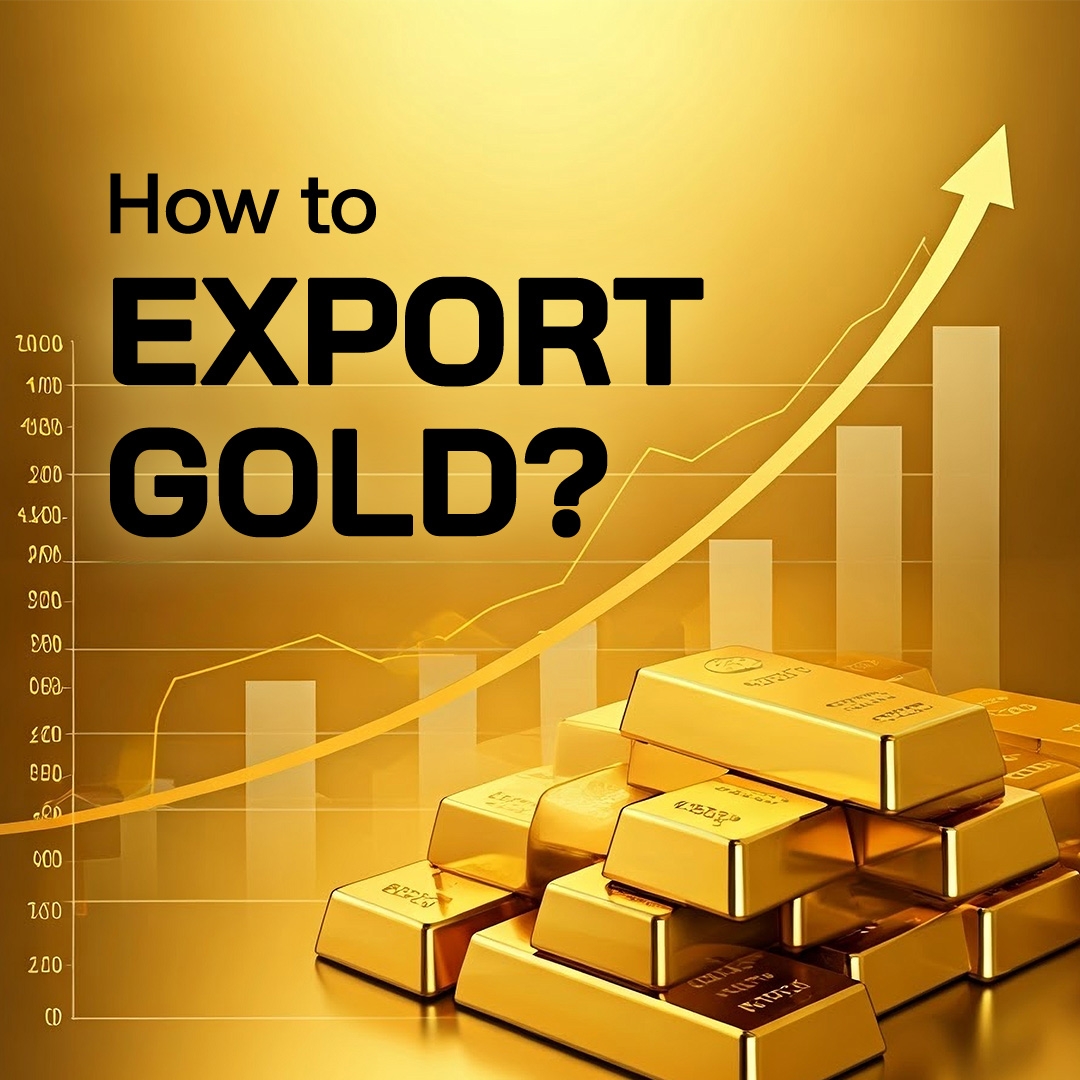
Gold has been one of the most valuable commodities in global trade for centuries, serving as a store of value, a hedge against inflation and a critical input for jewelry, electronics and financial reserves. Today, gold exports remain a key driver of international trade, connecting mining countries with global financial hubs, refineries and consumer markets. Understanding how to export gold legally, securely and profitably is essential for businesses operating in this highly regulated and high-value sector.
This guide explains gold export data,
procedures, documentation, key exporting countries and the complete gold export
process, from mining to global markets, while highlighting how TradeAtlas helps
import
export companies
analyze global gold trade trends.
1. Gold Export Data
Global gold exports by country fluctuate each
year based on mining output, investment demand, central bank policies and
geopolitical developments. According to international trade statistics, gold is
consistently among the world’s most valuable export commodities by total trade
value.
The biggest gold exporters include countries
with large mining operations, advanced refining capabilities or strong gold
trading hubs. Nations such as Switzerland, Australia, China and South Africa
play central roles in the global gold supply chain. While some countries
primarily export raw or semi-processed gold, others specialize in refining and
re-exporting bullion to financial centers.
In recent years, gold export countries
in Africa and Asia have gained importance as global demand for physical gold
has increased. Investors and central banks continue to rely on gold as a
safe-haven asset, driving strong demand across international markets and
supporting stable exports gold volumes worldwide.
2. Gold Export Procedures and Documentation
Exporting gold is significantly more complex
than exporting standard commodities due to its high value, strict regulatory
controls and anti-money laundering (AML) requirements. Gold exporters must
comply with both domestic regulations and international trade laws.
Key steps in gold export procedures include:
- Obtaining mining or sourcing licenses from
relevant authorities
- Ensuring gold purity and weight verification
by accredited assayers
- Registering with customs and export
authorities
- Declaring the shipment under the correct HS
code
- Complying with foreign exchange and AML
regulations
The most commonly required documents for gold
exports include:
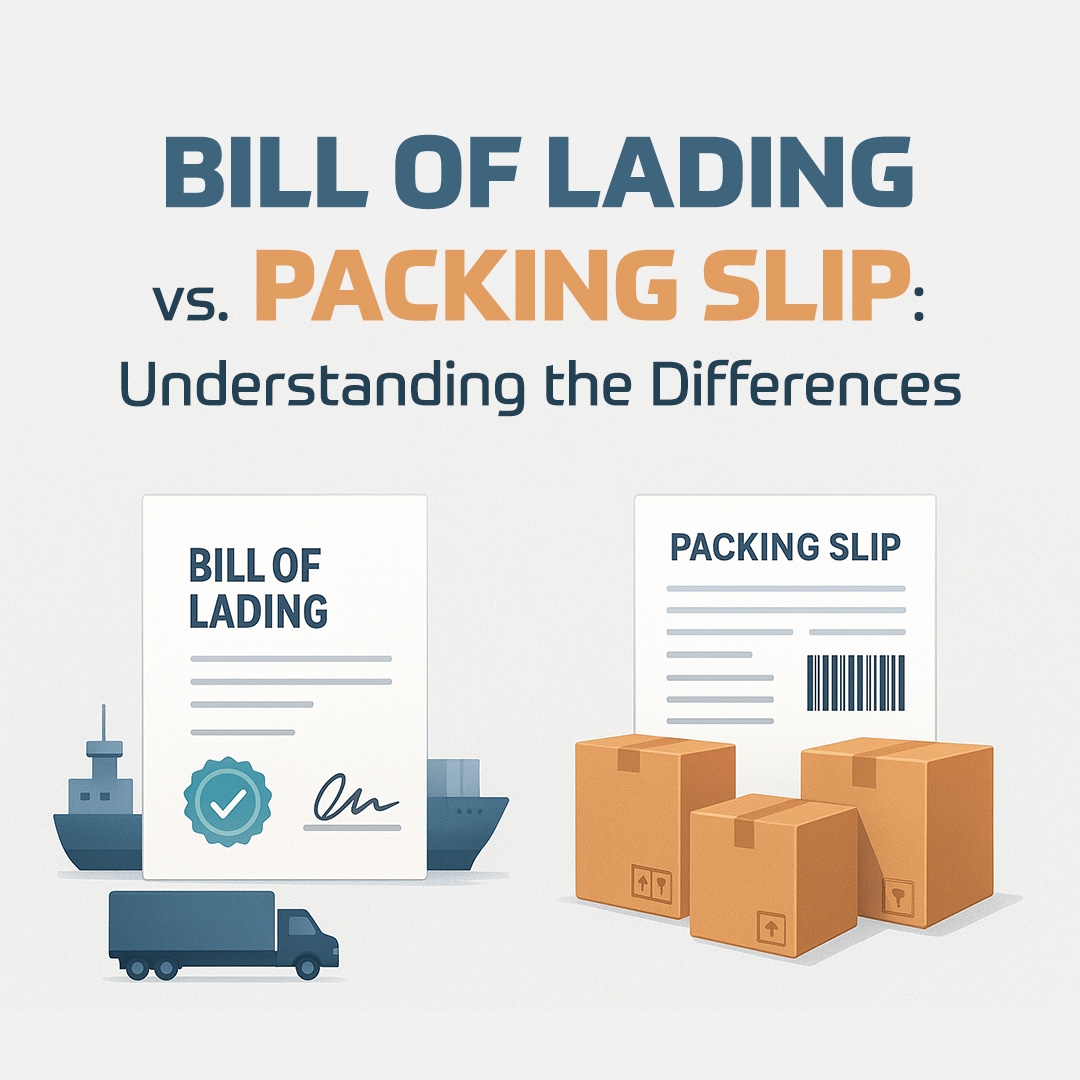
- Commercial invoice
- Packing list
- Certificate of origin
- Assay certificate (purity and weight
confirmation)
- Export license or permit
- Customs export declaration
- Insurance certificate
Because gold is often subject to government
oversight, exporters of gold must also follow country-specific reporting
obligations, especially when dealing with large transaction values.
3. Key Countries for Gold Export
The global gold market is shaped by a mix of
mining-rich nations and international trading hubs. Below are some of the most
important exporters of gold worldwide.
3.1. How to Export Gold from Australia?
Australia is one of the world’s leading gold
producers and a major contributor to Australia gold exports. The country
benefits from stable mining regulations, advanced refining infrastructure and
strong trade relationships with Asia.
To export gold from Australia, exporters must:
- Hold a valid mining or dealer license
- Comply with Australian Border Force export
regulations
- Obtain assay certificates from approved
refineries
- Report transactions under Australia’s AML
laws
Most Australian gold exports are shipped to
refineries and financial markets in Asia, including China, India and Singapore.
3.2. How to Export Gold from India?
India plays a dual role in the global gold
market as both a major importer and a growing exporter of refined gold
products. Gold exports from India typically include jewelry,
semi-finished gold products and refined bullion.
Indian exporters must:
- Register with the Directorate General of
Foreign Trade (DGFT)
- Obtain export licenses where applicable
- Comply with Reserve Bank of India (RBI)
foreign exchange rules
- Meet customs valuation and documentation
requirements
With increasing refinery capacity, gold exports
from India are expanding toward Middle Eastern and Asian markets.
3.3. How to Export Gold from Africa?
Africa is one of the most resource-rich regions
for gold, accounting for a significant share of global production. Africa gold
exports play a critical role in supplying raw gold to international refineries.
Countries such as Ghana, South Africa, Mali and
Tanzania are major contributors to gold exports Africa. Among them, Ghana
gold exports are particularly notable due to strong government oversight
and the growing formalization of the gold sector.
To export gold from Africa, exporters must:
- Obtain mining or dealer permits
- Work with government-approved gold marketing
boards
- Provide assay and origin certificates
- Follow strict export controls to prevent
illegal mining
Despite regulatory challenges, Africa gold
exports continue to grow as global demand for responsibly sourced gold
increases.
3.4. How to Export Gold from Switzerland?
Switzerland is not a major gold miner, but it
is the world’s largest gold refining and trading hub. Swiss gold exports
dominate global trade in refined bullion.
Gold exported from Switzerland typically comes
from imported raw gold that is refined and re-exported. Exporters in
Switzerland benefit from:
- World-class refineries
- Strong banking and logistics infrastructure
- Proximity to global financial markets
As a result, Swiss gold exports account for a
significant share of total global gold trade by value.
4. Gold Export Process: From Mining to Global Markets
The gold export process involves multiple
stages that ensure quality, compliance and security. The process generally
includes:
1. Mining or sourcing raw gold
2. Refining and purity verification
3. Assaying and certification
4. Customs declaration and export approval
5. Secure transportation
6. Delivery to international buyers or
refineries
Each stage requires strict documentation and
regulatory compliance, especially when dealing with high-value shipments
crossing multiple borders.
4.1. Logistics and Security Management in Gold Trading
Logistics and security management play a
critical role in gold trading due to the high value, portability and theft risk
associated with gold shipments. Exporting gold requires the use of specialized
logistics providers that offer armored transportation, secure warehousing and
end-to-end shipment tracking. Comprehensive insurance coverage is essential to
protect against loss, damage or theft during transit, while tamper-proof
packaging and strict chain-of-custody procedures help ensure shipment integrity.
In addition, close coordination with customs
authorities and compliance with international security standards reduce delays
and regulatory risks. Effective logistics and security planning not only
safeguards valuable cargo but also builds trust with international buyers and
financial institutions.
4.2. What Are Customs Duties on Gold Exports?
Customs duties on gold exports vary by country
and are influenced by national trade policies, the form of gold being exported
and the destination market. In many countries, gold exports are exempt from
export duties or subject to very low taxes in order to encourage foreign
exchange earnings and support the mining sector. However, some governments
impose export levies or royalties on raw or semi-processed gold to promote
domestic refining and value addition.
Exporters must also consider additional costs
such as customs processing fees, compliance charges and regulatory inspections.
Understanding applicable customs duties and export-related taxes in advance is
essential to avoid unexpected costs, delays or legal issues in international
gold trade.
5. How TradeAtlas Helps You Analyze Gold Export Markets
TradeAtlas provides exporters with powerful
tools to analyze gold exports by country, identify the biggest gold
exporters and track global trade flows. With access to detailed customs and global import export data, users can:
- Identify the top gold export countries and
emerging markets
- Analyze exports gold trends by volume
and value
- Discover active exporters of gold
worldwide
- Compare Swiss gold exports, Australia gold
exports and gold exports Africa
- Find verified buyers and trade partners
By using TradeAtlas, gold exporters gain a
competitive advantage through data-driven decision-making and market
intelligence.
6. Gold Export FAQ
This section answers the most frequently asked
questions about gold exports, including leading exporting countries, required
documentation and key regulatory considerations. It is designed to help
exporters quickly understand essential aspects of the gold export process and
navigate international gold trade with greater confidence.
6.1. What country exports the most gold?
When measured by trade value, Switzerland is
often the largest exporter due to its refining and re-export activities.
However, in terms of mining output, countries like Australia, China and Russia
are among the biggest gold exporters globally.
6.2. What documents are required to export gold?
The most common documents required to export
gold include a commercial invoice, packing list, certificate of origin, assay
certificate, export license, customs declaration and insurance documents.
Requirements may vary depending on the exporting country and destination
market.