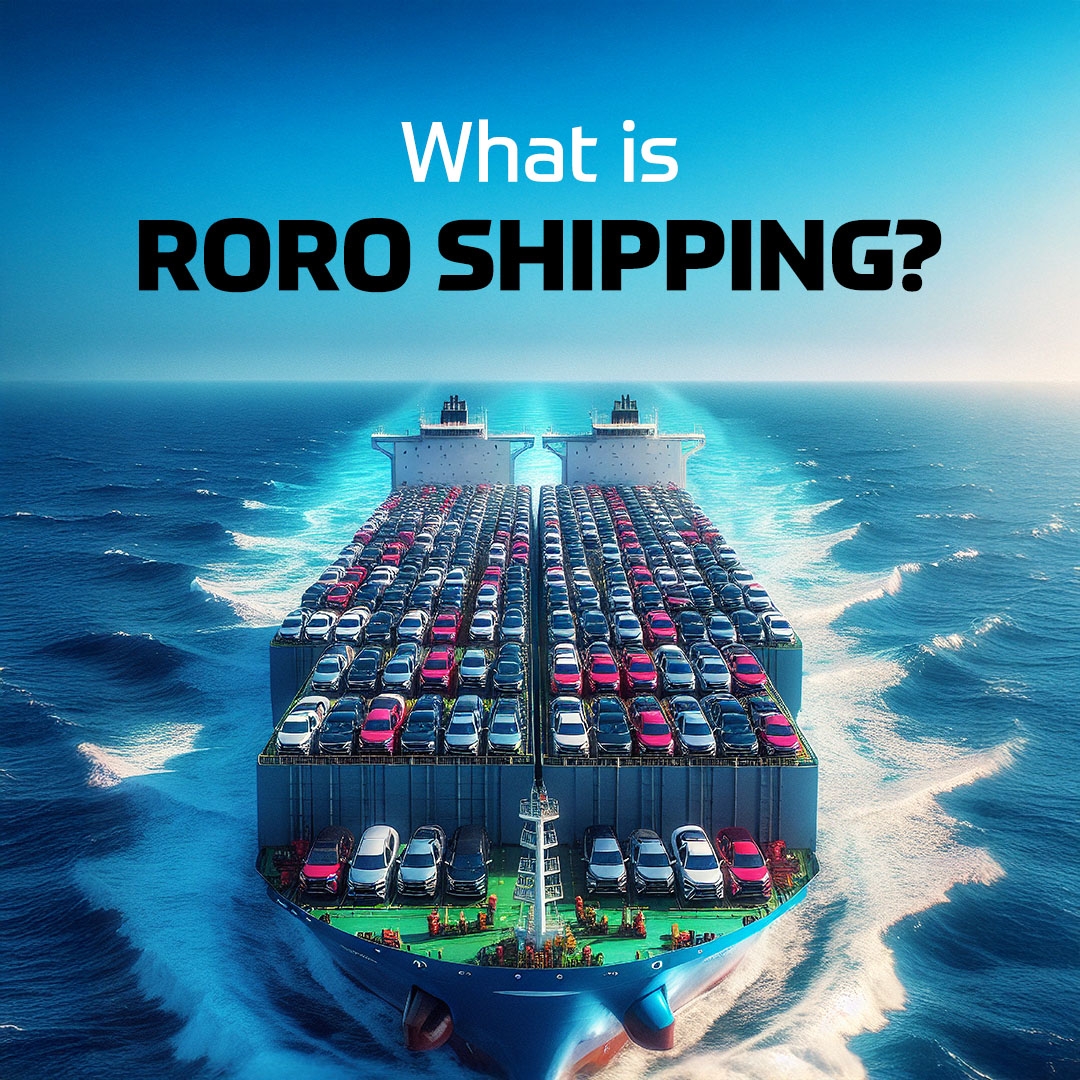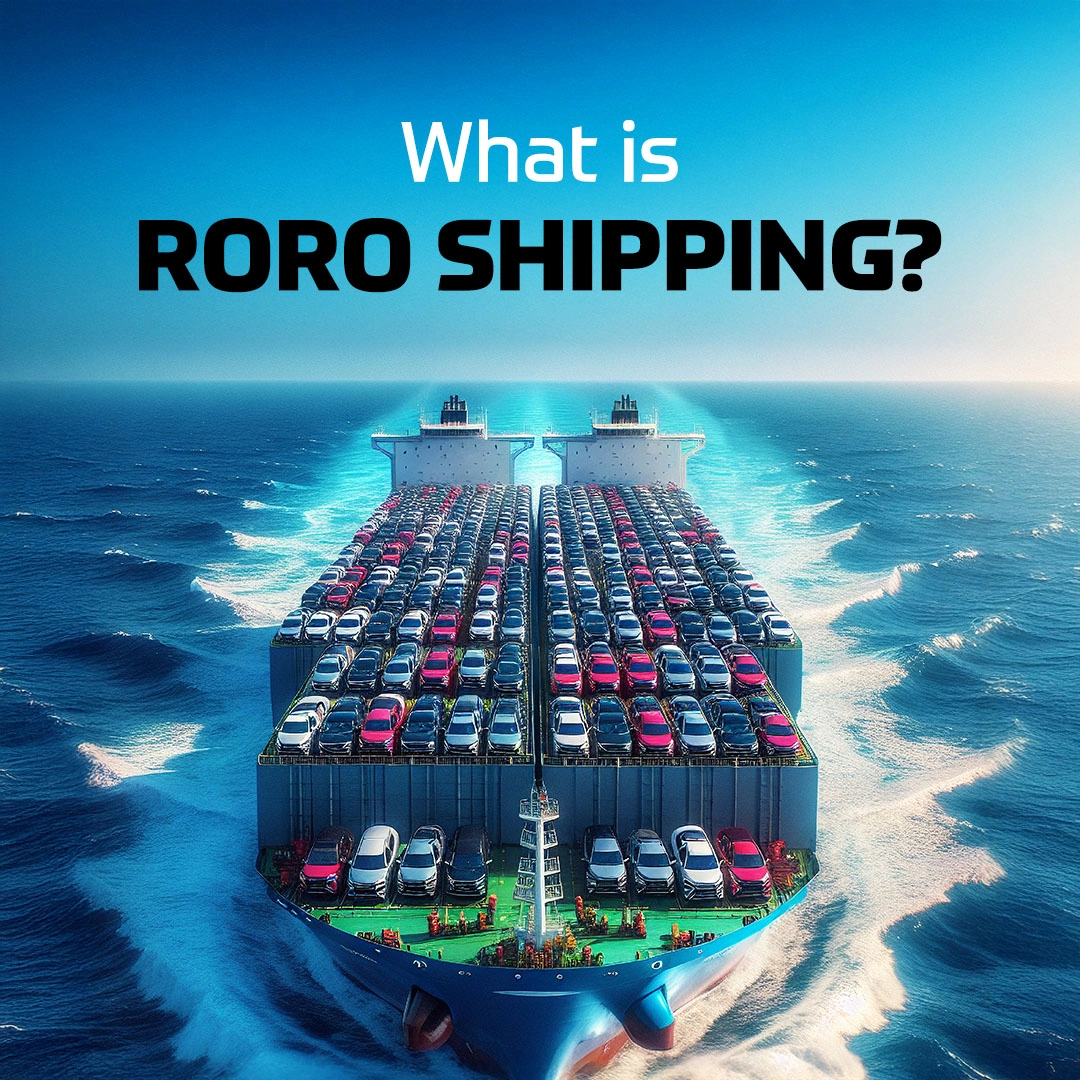
In the global logistics industry, RoRo shipping has become one of the most efficient ways to transport wheeled cargo across continents. The term “RoRo”, short for Roll-on/Roll-off, refers to vessels designed to carry vehicles that can be driven on and off the ship using built-in ramps. This system minimizes handling costs, reduces loading time and simplifies international car trade logistics. For exporters, importers and logistics companies, understanding RoRo shipping meaning is key to choosing the best transportation method for cars, trucks and machinery.
1. How does RoRo Shipping Work?
RoRo ship loading operates through specialized vessels equipped
with ramps that allow cars, trucks and heavy equipment to “roll” directly onto
the ship’s decks. Once onboard, each vehicle is securely fastened to prevent
movement during the voyage.
This method contrasts with container shipping,
where vehicles must be packed inside containers. Because the cargo moves under
its own power, there is less need for cranes or lifting machinery. RoRo
shipping companies use advanced systems to track and manage cargo through
every stage, ensuring that vehicles reach their destination safely.
Each RoRo shipping line follows a
structured process:
- Vehicles are delivered to the port terminal.
- They undergo inspection and documentation.
- They are driven onto the vessel and locked in
place.
- After arrival, the vehicles are rolled off
and cleared through customs.
This smooth process saves significant time and
money compared to other methods, making car RoRo shipping one of the top
choices for automobile exporters worldwide.
2. When is RoRo Shipping Used?
RoRo shipments are ideal for cargo that can move on its own
wheels or can be placed on wheeled platforms. Common examples include:
- Passenger cars
- Trucks and buses
- Construction equipment
- Agricultural machinery
- Industrial vehicles
Companies often choose RoRo for its simplicity
and cost-effectiveness, especially when shipping large volumes of vehicles
internationally. For example, dealerships importing cars from Japan or
exporters sending fleets to Africa prefer RoRo shipping vs container
because it minimizes handling and reduces damage risks.
3. What are the advantages of RoRo shopping?
There are numerous advantages that make RoRo
in shipping an attractive choice for global logistics:
- Cost Efficiency: The RoRo shipping cost is generally
lower than container shipping due to reduced packaging and faster loading.
- Speed: Vehicles are driven directly on and off the
ship, saving valuable time in port operations.
- Safety: Less handling means reduced risk of scratches,
dents or mechanical damage.
- Convenience: Easy loading and unloading make it ideal for
car exporters and importers.
- Availability: Many top 10 RoRo shipping companies
operate frequent routes between major ports worldwide, ensuring flexible
scheduling.
Businesses often use a RoRo shipping cost
calculator to estimate the RoRo shipping price based on distance,
vehicle type and destination.
4. RoRo Shipping by Country
Different countries play vital roles in the
global RoRo network. Below are some key examples of how RoRo trade operates
between major nations.
4.1. RoRo Shipping from Japan
Japan is one of the largest automobile
exporters in the world, and RoRo shipping from Japan supports the massive car
trade to Asia, Africa and Europe. Vehicles from Toyota, Nissan and Honda are
regularly shipped through ports like Yokohama and Nagoya. Japanese RoRo
shipping companies are known for their punctuality and cargo safety, using
advanced RoRo ship tracking systems to monitor each voyage.
4.2. RoRo Shipping from Canada
Canada’s automotive exports depend heavily on
RoRo shipping lines to transport vehicles to the United States, Europe and
Asia. The Port of Halifax and the Port of Vancouver serve as major gateways.
Canadian exporters favor car RoRo shipping due to competitive rates and the
reliability of North American routes.
4.3. RoRo Shipping to Mexico
With its booming car industry, Mexico is both
an importer and exporter of vehicles. RoRo shipping to Mexico connects it with
markets in the United States, Europe and Asia. Companies rely on RoRo shipping
companies to move cars and trucks efficiently across borders. RoRo services
also facilitate used car imports from Japan and the United States, supporting
local dealerships and resale markets.
4.4. RoRo Shipping to Dubai
Dubai has emerged as a major hub for vehicle
re-export in the Middle East. RoRo shipping companies in Dubai offer
routes connecting Europe, Asia and Africa. The city’s Jebel Ali Port is
equipped with specialized RoRo terminals capable of handling thousands of cars
daily. Exporters choose RoRo ship loading in Dubai because of its advanced
infrastructure and competitive RoRo shipping cost.
4.5. RoRo Shipping Korea to Albania
Trade between Korea and Albania may seem niche,
but RoRo shipping from Korea to Albania plays an essential role for vehicle
dealers and equipment importers. Korean brands like Hyundai and Kia use RoRo
routes to deliver cars efficiently to Europe’s emerging markets. RoRo ship
tracking ensures that vehicles arrive on schedule and in perfect condition.
5. TradeAtlas: Empowering Global RoRo Shipping Businesses
Whether you’re exporting vehicles from Japan,
importing used cars to Africa or comparing the cost of RoRo shipping from
USA to Nigeria, accurate trade data is essential. That’s where TradeAtlas
comes in.
TradeAtlas provides comprehensive world import export data, helping logistics companies,
exporters and dealers identify the best partners and shipping routes. By using
TradeAtlas, you can:
- Access verified import export companies
worldwide,
- Analyze trade volumes by country and port,
- Track importer and exporter companies of
shipments globally.
For example, if you’re searching for RoRo
ship Philippines routes, TradeAtlas helps you to provide Philippines import
export data, including port and route information. It’s the most efficient way
to explore new markets and optimize your shipping strategies.
6. RoRo Shipping FAQ
Before diving into the detailed questions, it’s
important to note that many exporters and importers use a RoRo shipping
calculator to estimate costs and transit times. These tools help determine
the most economical routes, compare RoRo shipping prices and plan logistics
more efficiently based on destination and vehicle type.
6.1. What is the meaning of RoRo shipping?
RoRo shipping refers to the transportation of
vehicles that are driven on and off the ship using ramps instead of being
lifted by cranes. The term stands for Roll-on/Roll-off.
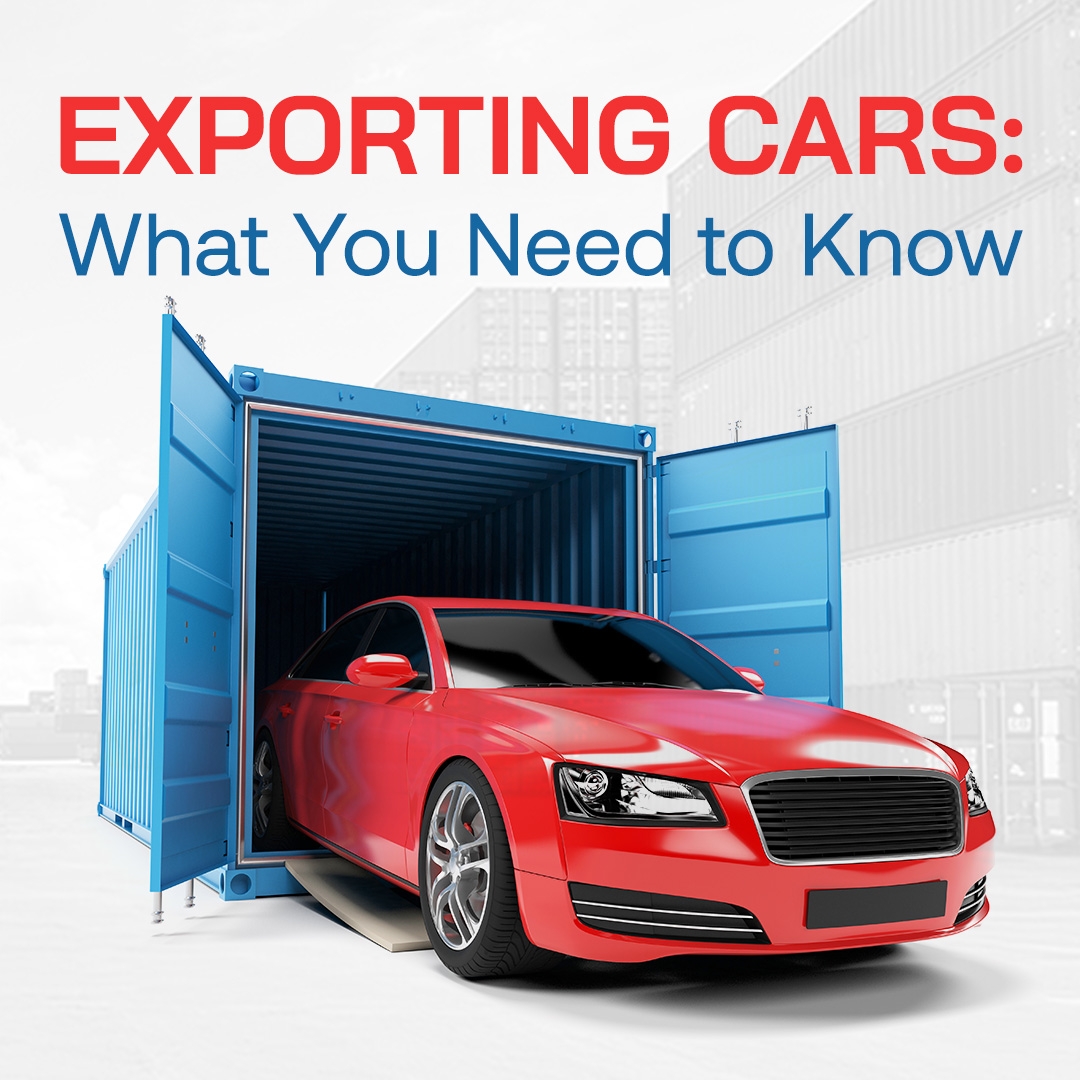
6.2. What is the difference between RoRo and container shipping?
The key difference between RoRo shipping vs
container shipping is that RoRo vessels transport vehicles that can move on
their own wheels, while container shipping requires vehicles to be secured
inside large steel boxes. RoRo is usually cheaper and faster, but container
shipping offers better protection for small or valuable vehicles.
6.3. Do RoRo ships carry passengers?
Some RoRo shipping lines also carry passengers,
especially on short sea routes. These are often referred to as RoPax vessels
(Roll-on/Roll-off Passenger ships).
6.4. How many cars can a RoRo ship carry?
A large RoRo ship can carry between 4,000 and
8,000 cars, depending on its size and configuration. The world’s biggest RoRo
shipping companies operate mega-vessels that transport vehicles across oceans
every week.