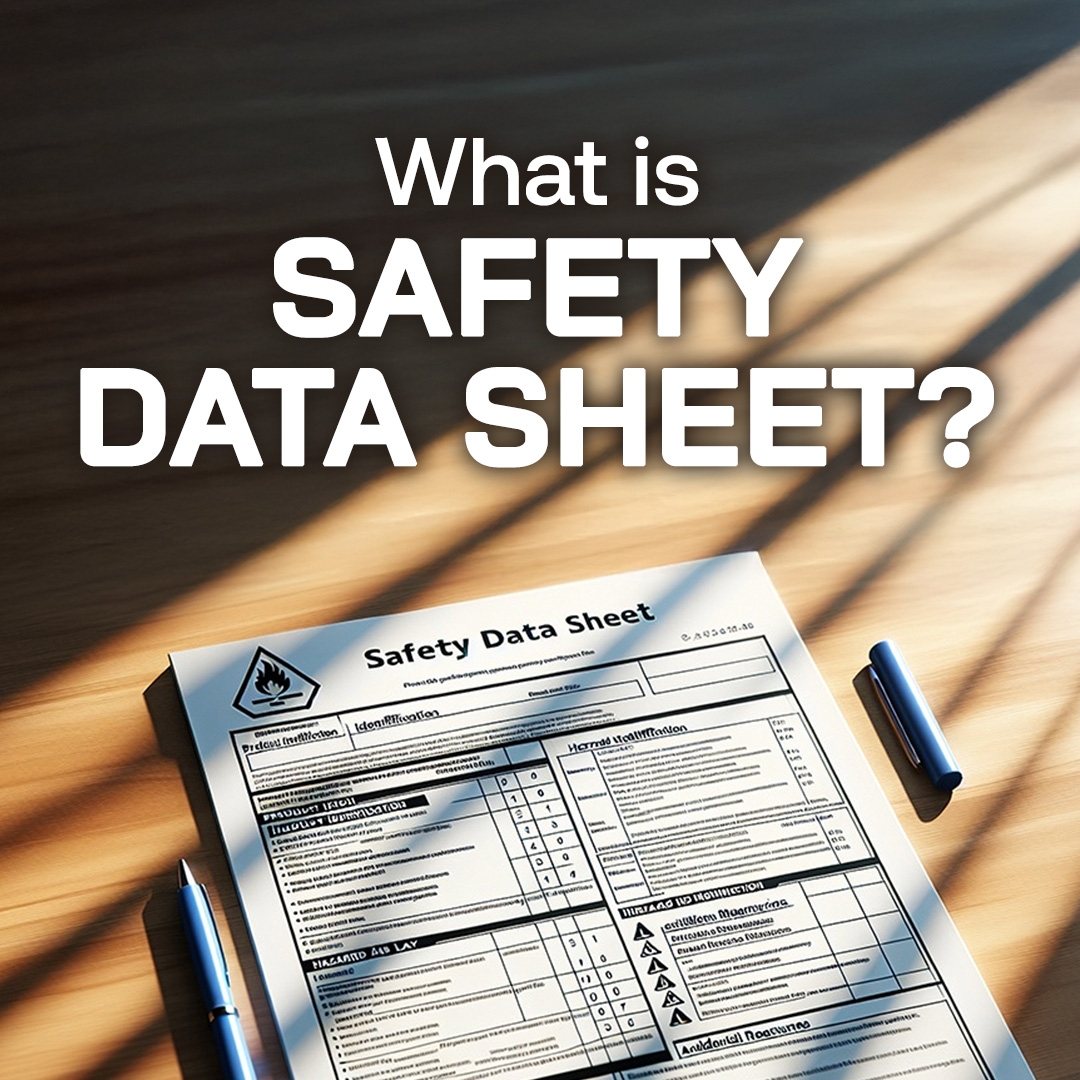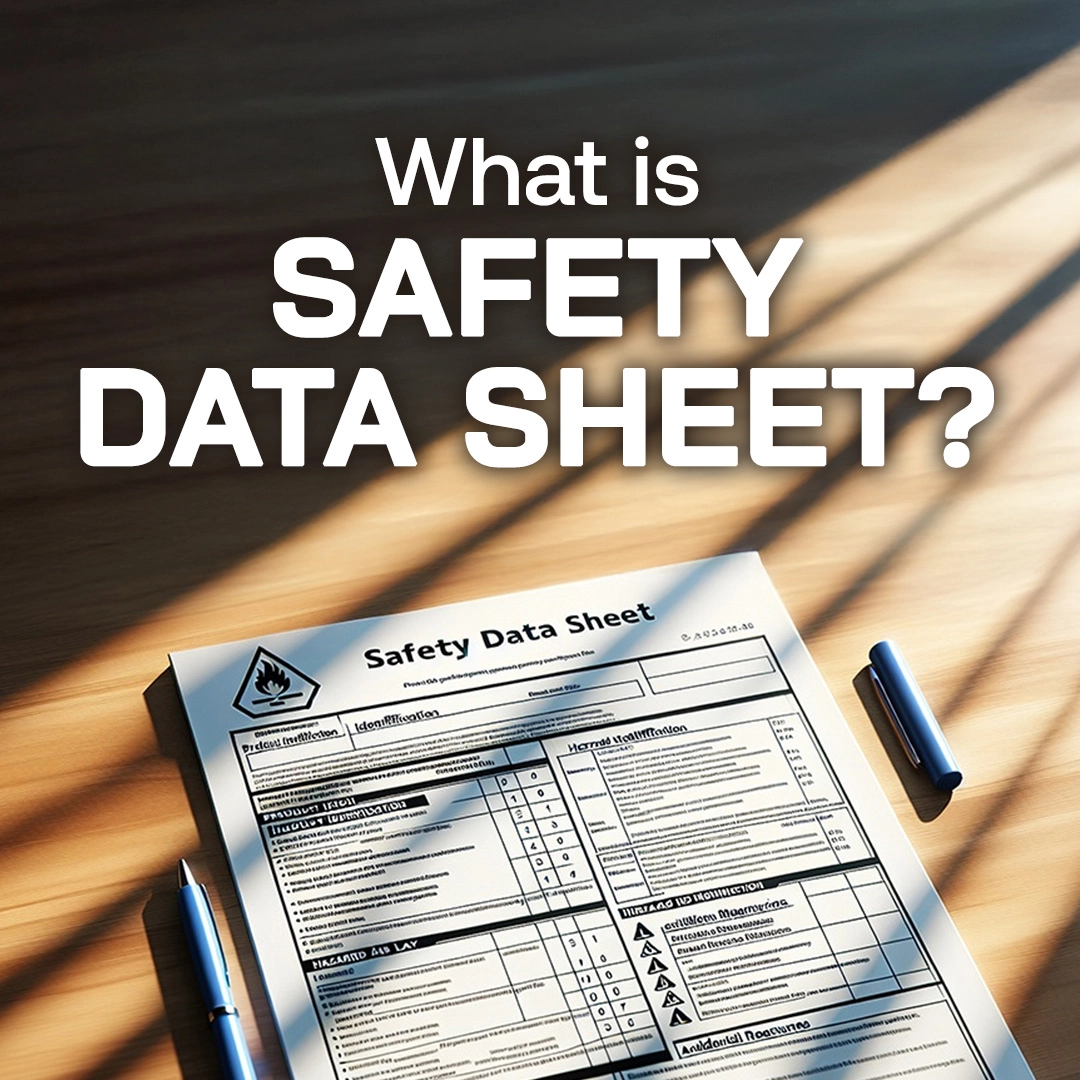
A safety data sheet (SDS), previously known as a material safety data sheet (MSDS), is a vital document in international trade and workplace safety. It provides standardized information on chemicals, products and substances that might pose health, safety or environmental risks. Businesses involved in manufacturing, importing or exporting such products rely on SDS to ensure compliance with regulations and to safeguard both employees and consumers. This comprehensive guide explores the definition, purpose, format and importance of SDS, while also addressing frequently asked questions and how companies can utilize TradeAtlas to streamline their compliance efforts.
1. Definition of Safety Data Sheet
A safety data sheet is an official document
required by global regulatory bodies that provides detailed information on
chemical products. It outlines physical and chemical properties, potential
hazards, safe handling instructions and emergency control measures. While the
term MSDS safety data sheet was used in the past, the modern and
globally harmonized term is SDS.
The key goal of an SDS is to communicate
hazards in a clear and consistent manner across industries and borders.
International frameworks like the Globally Harmonized System of Classification
and Labelling of Chemicals (GHS) have standardized the material safety data
sheet format, ensuring that importers, exporters, workers and emergency
responders can quickly access and understand safety information.
2. Purpose and Importance of Safety Data Sheets
The importance of a safety data sheet extends
across several dimensions:
Workplace Safety: Employees working with or near hazardous
substances must understand the risks and protective measures. SDS documents
outline essential information like toxicity, flammability and protective
equipment requirements.
Legal Compliance: Governments and regulatory authorities
worldwide mandate SDS for hazardous goods. Failure to provide accurate SDS
documentation can lead to penalties, fines or trade restrictions.
Emergency Preparedness: Firefighters, medical professionals
and spill response teams rely on SDS to act quickly during accidents, fires or
exposure incidents.
International Trade: For exporters and importers, SDS
serve as a universal language to ensure that trading partners understand the
hazards and handling requirements of chemical products.
In short, without a material safety data
sheet, businesses risk non-compliance, accidents and serious legal
liabilities.
3. SDS Content and Format
An SDS is divided into specific sections, each
covering crucial aspects of the chemical or product. Under GHS standards, the material
safety data sheet format includes 16 sections:
1. Identification: Product name, supplier information and
recommended uses.
2. Hazard Identification: Classification of hazards and
required label elements.
3. Composition/Information on Ingredients: Chemical identity and
concentrations.
4. First-Aid Measures: Actions to take in case of
exposure.
5. Fire-Fighting Measures: Suitable extinguishing techniques
and hazards.
6. Accidental Release Measures: Steps for containing and cleaning
spills.
7. Handling and Storage: Safe practices and storage
conditions.
8. Exposure Controls/Personal Protection: Recommended protective equipment.
9. Physical and Chemical Properties: Appearance, odor, boiling point,
etc.
10. Stability and Reactivity: Conditions to avoid and
incompatible materials.
11. Toxicological Information: Health effects and exposure risks.
12. Ecological Information: Impact on the environment.
13. Disposal Considerations: Safe waste handling.
14. Transport Information: UN number, packaging and transport
requirements.
15. Regulatory Information: Compliance details under various
laws.
16. Other Information: Revision dates, sources and
additional notes.
This globally standardized structure ensures
that a material safety data sheet communicates the same information regardless
of country or industry.
4. Compilation and Creation of a Safety Data Sheet
Compiling a safety data sheet is a specialized
process that requires technical expertise, regulatory knowledge and attention
to detail. It begins with collecting accurate data about the product’s chemical
composition, hazard classifications and physical or chemical properties from
laboratory tests and reliable sources. Once this information is available, it
must be aligned with international regulations such as OSHA in the United
States, REACH in the European Union or WHMIS in Canada. To ensure clarity and global
recognition, standardized language, hazard phrases and pictograms under the
Globally Harmonized System (GHS) must be used. An SDS is not a static document;
it should be reviewed regularly and updated whenever new scientific evidence,
regulatory changes or product modifications arise. For exporters and importers,
creating and maintaining an accurate Material Safety Data Sheet (MSDS) is not
only a compliance requirement but also a safeguard against shipment delays,
rejected cargo or costly legal penalties.
5. TradeAtlas and Safety Data Sheet Compliance
TradeAtlas provides valuable resources for
companies navigating the complexities of international trade. Whether you are
dealing with chemicals, pharmaceuticals or industrial goods, having access to
accurate trade data and compliance tools can streamline SDS preparation.
Through TradeAtlas, businesses can:
- Identify new buyers and suppliers who require
safety data sheet compliance.
- Access import and export data to better
understand which markets enforce stricter SDS requirements.
- Reduce risks of non-compliance by aligning
product shipments with the regulatory frameworks of target markets.
By combining global trade data with compliance
requirements, TradeAtlas helps businesses turn material safety data sheet
preparation from a challenge into a competitive advantage.
6. Safety Data Sheet FAQ
Understanding the role of a safety data sheet
is crucial for businesses, employees and regulatory authorities alike. To make
the topic clearer, this FAQ section addresses the most common questions about
SDS, its purpose, format and relevance in international trade. These answers
provide a quick reference for both newcomers and experienced professionals
dealing with chemical safety and compliance.
6.1. What is the safety data sheet?
A safety data sheet is a legal document that
provides detailed safety, health and environmental information about a chemical
product. It ensures safe handling and communication of hazards to workers and
authorities.
6.2. What is an SDS and what is its purpose?
An SDS, or material safety data sheet, is used
to inform users about product hazards and safety measures. Its main purpose is
to prevent accidents, ensure proper handling and comply with international
trade regulations.
6.3. What are the four main purposes of SDS?
The four main purposes of an SDS are: hazard
communication, safe handling instructions, emergency response guidance and
regulatory compliance. These make SDS an essential tool for businesses and
safety officers.
6.4. What is a safety data sheet in WHMIS?
In Canada’s Workplace Hazardous Materials
Information System (WHMIS), an SDS is the primary source of information for
employees working with hazardous substances. It replaces the older MSDS system
and follows the globally harmonized format.
A safety data sheet is more than just
paperwork; it is a cornerstone of workplace safety, international trade
compliance and environmental protection. From its detailed material safety data
sheet format to its role in protecting employees and communities, SDS ensures
that businesses remain compliant while protecting lives.
With the right tools, like TradeAtlas,
exporters and importers can simplify compliance while exploring global markets.
Whether you are a manufacturer, supplier or trader; investing in accurate SDS
documentation is a critical step in building trust and ensuring long-term
business success.
For detailed information on the subject of modern trade,
you can review our content “What is Modern Trade?”.